What to consider when wearing a watch band for extended desk work
Why Watch Band Comfort Matters During Desk Work
Spending hours at a desk often involves repetitive movements, resting your wrist on hard surfaces, and maintaining a consistent posture. In this environment, the watch band you wear can have a subtle but notable impact on your comfort and even your skin health. For many people, an uncomfortable band can cause irritation, pressure marks, or even disrupt workflow by drawing attention to discomfort that builds throughout the day. Considering the specific demands of extended desk work helps in choosing a watch band that supports both comfort and productivity.
Common Problems: Watch Bands and Extended Desk Use
Several issues can arise when wearing a watch band for long periods at a desk, especially if the band is not suited to such conditions:
- Pressure and indentation: Resting your wrist on the edge of a desk can press the band into your skin, causing marks or soreness.
- Restricted movement: Some bands, especially rigid ones, may limit wrist mobility, making typing or mouse use less comfortable.
- Skin irritation: Moisture, friction, and certain materials can lead to sweating, rashes, or allergic reactions.
- Band slippage or constant adjustment: Loose or stretchy bands may shift, while overly tight bands can pinch or restrict circulation.
Awareness of these potential issues can guide you in selecting and adjusting your watch band for prolonged desk work.
Material Differences: Impact on Comfort and Usability
The material of your watch band significantly influences how it feels during desk work. Each category comes with trade-offs that become more noticeable over extended periods.
Metal Bands
Metal bands, most commonly made from stainless steel due to its durability and resistance to corrosion, tend to offer a solid and lasting feel. However, they are generally heavier and less flexible than other materials. When resting your wrist on a desk, the rigid links may press into the skin, producing discomfort or temporary marks. Metal bands can also feel cold at first contact and may catch arm hair.
Leather Bands
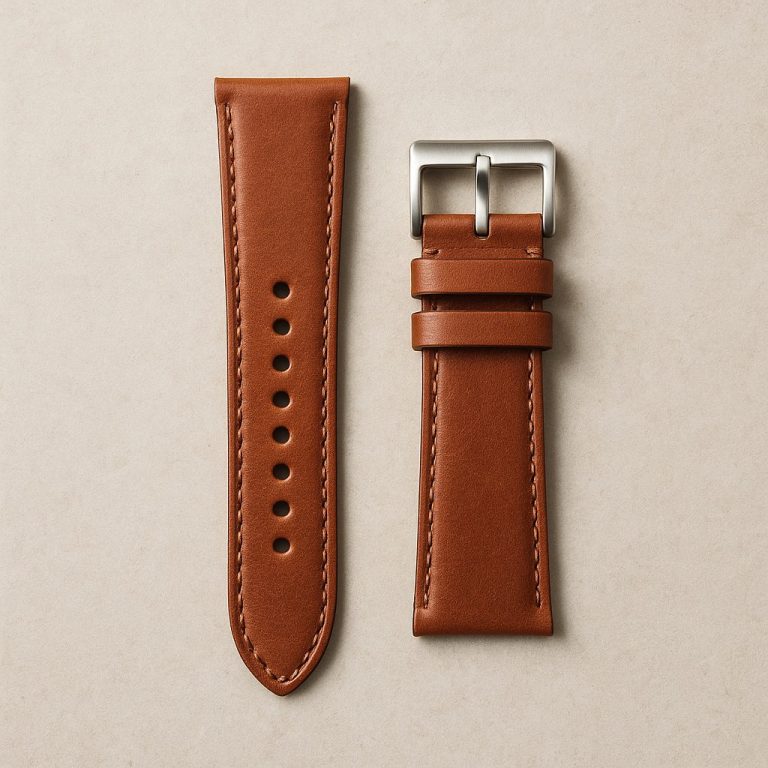
Leather bands are generally softer and adapt to the shape of the wrist over time. They provide a classic appearance and tend to be comfortable if they are not too stiff or thick. During extended desk use, leather can absorb sweat and moisture, which may lead to odors or skin irritation if not cleaned regularly. Thick or padded leather bands might also feel bulky or warm, especially in higher temperatures.
Fabric Bands
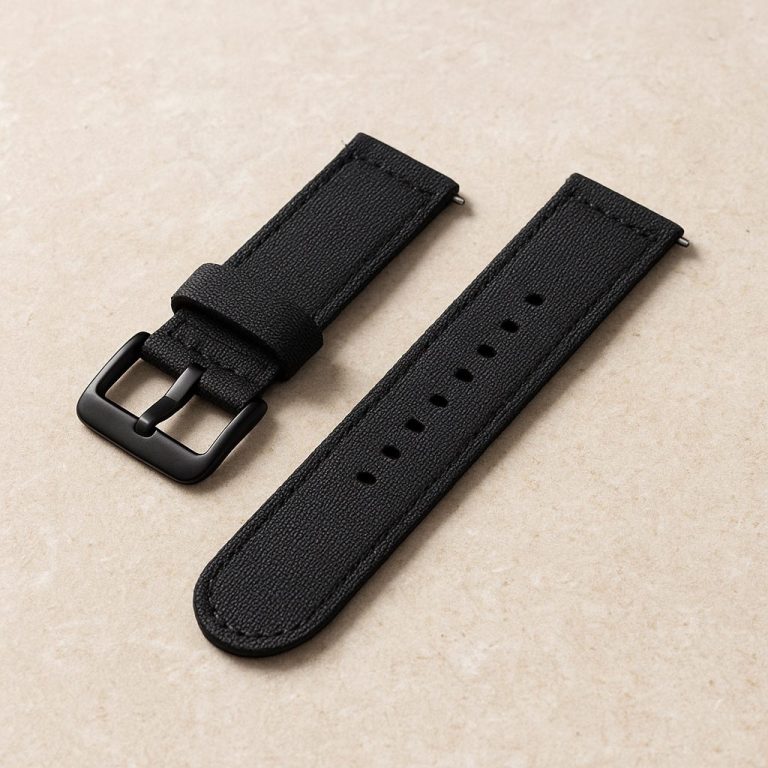
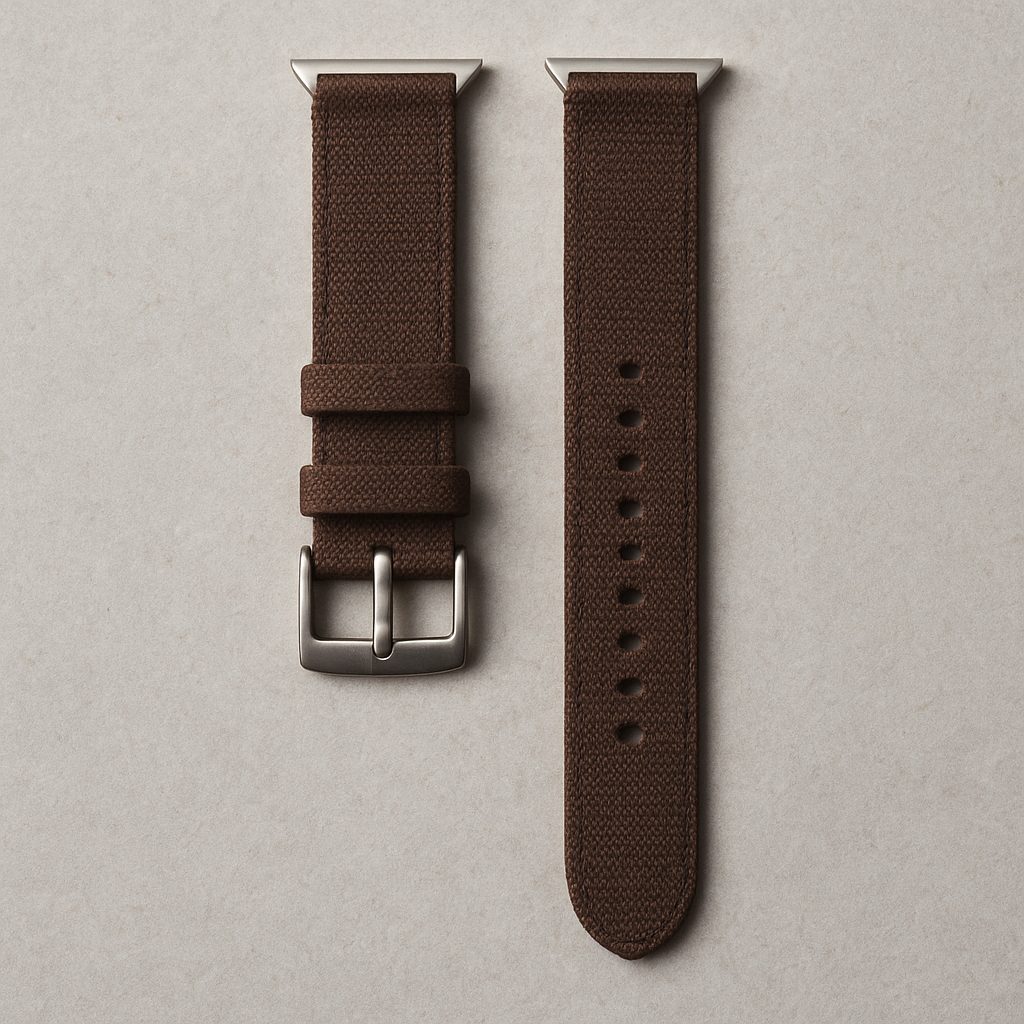
Most fabric bands are made from nylon or blends that offer a range of weaves, densities, and textures. Variation in thickness, elasticity, and weave can impact both comfort and breathability. For example, a tightly woven, thick nylon band may feel more substantial but less airy, while a thinner, loosely woven or elastic band can better conform to the wrist and allow for improved airflow. Some fabric bands, especially with hook-and-loop closures, can be easily adjusted for tightness, which is useful if your wrist swells slightly over the day.
Silicone Bands
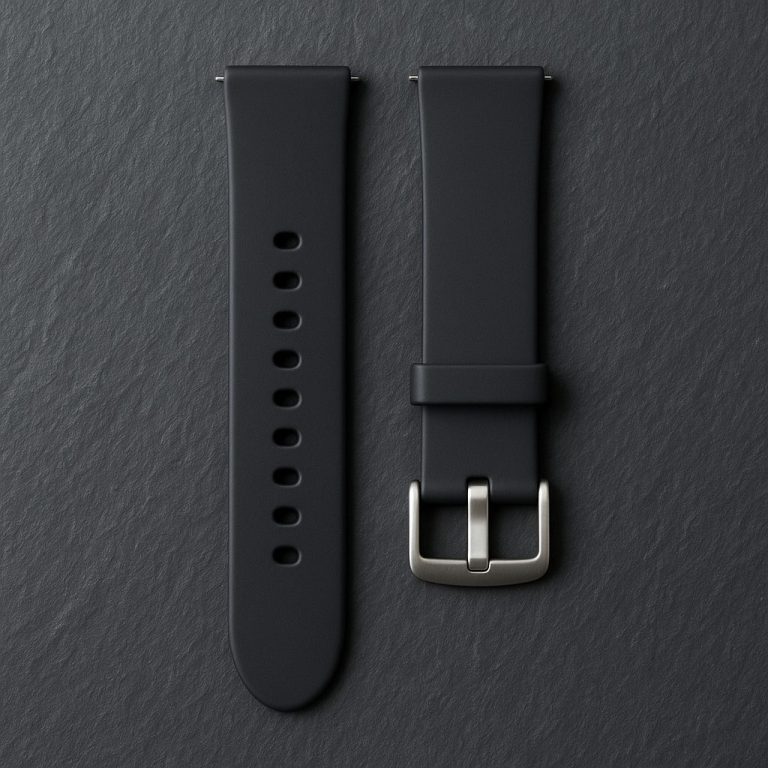
Silicone bands are popular for their flexibility and water resistance. They are lightweight and soft, reducing pressure points when the wrist is against a desk. However, silicone can sometimes trap moisture against the skin, especially in warmer conditions or during stressful tasks, potentially leading to irritation if worn tightly or for many hours without adjustment.
| Band Material | Main Comfort Factors (Desk Work) | Potential Issues |
|---|---|---|
| Metal (Stainless Steel) | Durability, cool to touch, solid feel | Heaviness, rigid links, pressure marks, hair pulling |
| Leather | Softens with use, molds to wrist, classic look | Sweat absorption, potential for odor, can feel bulky |
| Fabric (Nylon, blends) | Breathable, adjustable, lightweight options available | Texture may irritate, can fray, less formal appearance |
| Silicone | Flexible, lightweight, easy to clean | Can trap moisture, may cause skin irritation if tight |
Fit and Adjustment: Finding the Right Balance
Proper fit is essential for all-day comfort, especially when your wrist is in contact with a desk surface. A band that’s too tight can restrict circulation and increase pressure on the skin, while a loose band might shift or catch on clothing or desk edges.
- Adjustable bands: Many fabric, silicone, and some leather bands offer multiple holes or hook-and-loop systems, making it easier to find a comfortable fit. Metal bands often require removing or adding links, which can be less convenient for small adjustments.
- Swelling and temperature: Wrist size can change slightly throughout the day due to temperature or activity. Bands with micro-adjustments or elastic segments can help maintain comfort as your wrist changes.
- Desk edge contact: If you notice pressure marks after working, loosening the band slightly or shifting the watch higher on your wrist (away from the desk edge) can help reduce discomfort.
Attachment Mechanisms: Security and Quick Changes
The way a watch band connects to the case affects both security and convenience during desk work. Watch bands typically attach to the watch case using components called lugs, which hold a spring bar or a quick-release pin in place. Quick-release pins, commonly found on fabric, silicone, and some leather bands, allow for fast and tool-free changes. This is especially practical if you want to switch to a different material for desk work, or remove the band for cleaning at the end of the workday.
Spring bars, used in many metal and traditional leather bands, require a tool for removal. While these offer strong security, they make frequent changes less convenient. If you experience discomfort, it may be worth considering a band with a quick-release system for easier adjustment to your routine.
Breathability and Skin Health
Extended periods of desk work can cause moisture to build up under a watch band, especially if the material is not breathable. This can lead to skin irritation, redness, or even minor rashes in sensitive individuals. Fabric bands, especially those with looser weaves, generally allow for more airflow, while silicone and thick leather bands may trap moisture. Metal bands, although not absorbent, can still cause sweating due to limited ventilation between the links and the skin.
To promote skin health:
- Choose bands with perforations or mesh designs for better airflow.
- Clean the band regularly, especially if you notice moisture or residue.
- Consider removing your watch briefly during breaks to allow your skin to breathe.
Noise and Distraction
During quiet desk work, the sound of a metal band clinking against the desk or keyboard can be noticeable. Some people find this distracting, especially in shared or open office environments. Fabric, leather, and silicone bands are generally quieter and less likely to produce noise when in contact with hard surfaces.
Appearance and Professional Settings
While comfort is critical, some office environments have expectations regarding appearance. Metal and leather bands are often seen as more formal, while fabric and silicone bands are typically more casual or sporty in look. If you need to balance professionalism with comfort, consider a leather band with a slim profile or a fabric band in a subdued color and simple weave.
Practical Outcome
Choosing a watch band for extended desk work involves weighing comfort, material properties, breathability, fit, and appearance. Paying attention to how your wrist feels over several hours at your desk can guide you toward the right combination of material and fit. Small adjustments, like loosening the band or switching materials for part of the day, can make a significant difference in daily comfort and skin health.