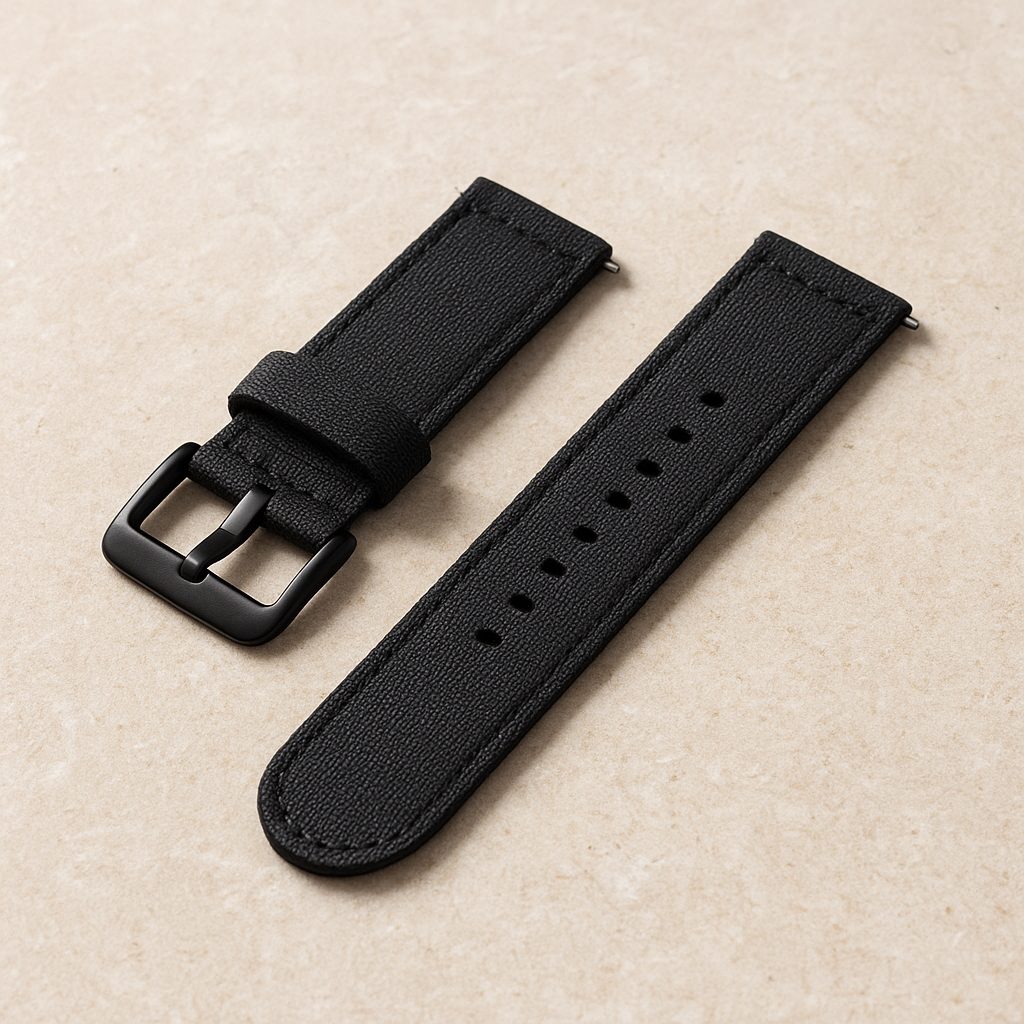
How watch case size affects comfort on different wrist sizes
How Case Size Impacts Daily Comfort
During a long day at a desk, a watch can feel bulky or slide uncomfortably against a shirt cuff. On the other hand, a small watch case might seem lost on a larger wrist, making it shift or dig in at the edges. How a watch sits and feels throughout the day often comes down to the relationship between case size and wrist size. While style preferences play a role, comfort is closely tied to the physical dimensions of the watch case compared to the wearer’s wrist.
Defining Watch Case Size
Watch case size typically refers to the diameter of the case, measured across the face of the watch (excluding the crown). Common diameters range from around 34mm to 46mm, but some cases are smaller or larger. The thickness of the case (how tall it sits on the wrist) and the lug-to-lug distance (the length from one end of the case’s lugs to the other) also influence how a watch feels. Larger cases are not just wider; they may be thicker and have longer lugs, affecting how they distribute their weight and fit around the wrist.
Case Size and Wrist Size: Why Proportion Matters
A watch that is too large for the wearer’s wrist can feel awkward, heavy, or top-heavy, especially if the lugs overhang the sides of the wrist. This can lead to the watch shifting around, catching on clothing, or causing discomfort after several hours. On smaller wrists, oversized cases may also look out of proportion, drawing attention away from the rest of an outfit or appearing clumsy. Conversely, a case that is too small for a larger wrist can seem insubstantial and may dig in, especially if the lugs press into the skin.
Typical Case Sizes and Wrist Circumference
| Wrist Circumference | Commonly Comfortable Case Size Range | Potential Issues Outside This Range |
|---|---|---|
| Under 6.0 in (15.2 cm) | 34–38 mm | Oversized cases may overhang, cause shifting |
| 6.0–7.0 in (15.2–17.8 cm) | 36–42 mm | Too small may dig in, too large may appear bulky |
| Over 7.0 in (17.8 cm) | 40–46 mm | Small cases might look undersized, feel insecure |
These ranges are general guidelines. Comfort depends on wrist shape (flat or round), case thickness, lug shape, and personal preferences.
How Lug-to-Lug Distance Affects Fit
Lug-to-lug distance is the measurement from one set of lugs (the projections that hold the band) to the other. Even if a case diameter falls within a comfortable range, a long lug-to-lug distance can make the watch extend past the edges of the wrist, leading to discomfort and instability. A shorter lug-to-lug distance helps a watch hug the wrist, while a longer one can make a watch feel stiff or awkward. Checking both case diameter and lug-to-lug distance gives a more accurate sense of how the watch will fit and feel.
Case Thickness and Daily Wear
Case thickness affects how high a watch sits on the wrist. Thicker cases may catch on sleeves or feel top-heavy, especially on narrower wrists. For those wearing fitted shirts, a thinner case can slide under cuffs more easily and feel less obtrusive. A thicker case on a small wrist may feel bulky and shift, while on a larger wrist, it may add presence without discomfort.
Band and Case Size: Working Together for Comfort
The watch band also contributes to overall comfort, but its performance is influenced by the case size. A large, heavy case on a narrow band can feel unstable, while a small case on a wide band might look unbalanced. The material of the band plays a role as well:
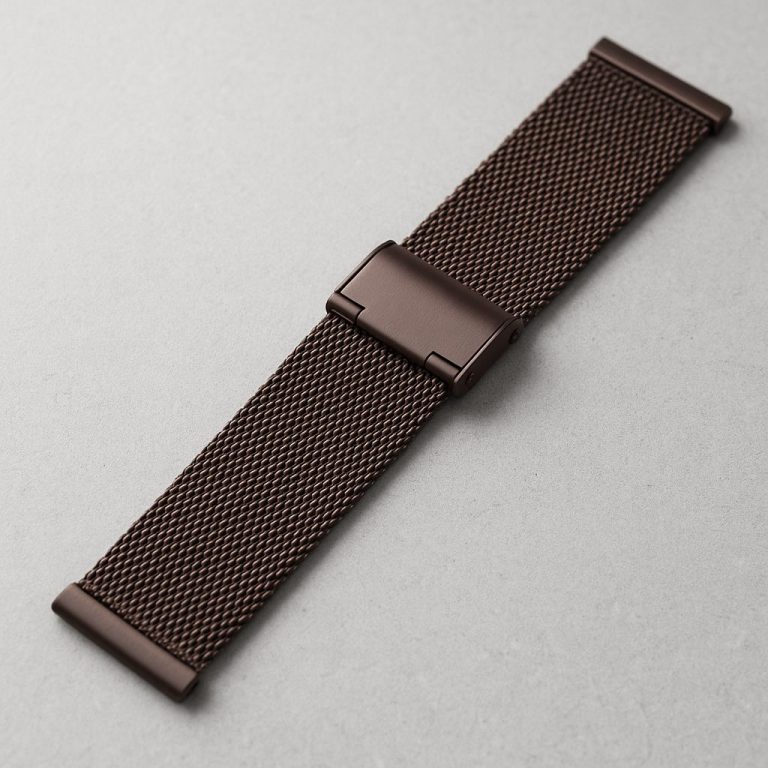
- Metal bracelets (usually made from stainless steel for durability and corrosion resistance) add weight and can make a large case feel even heavier. On small wrists, this combination can cause the watch to slide or rotate.
- Leather bands generally offer flexibility and can contour to the wrist. They can help stabilize larger cases but may wear faster if the case is heavy.
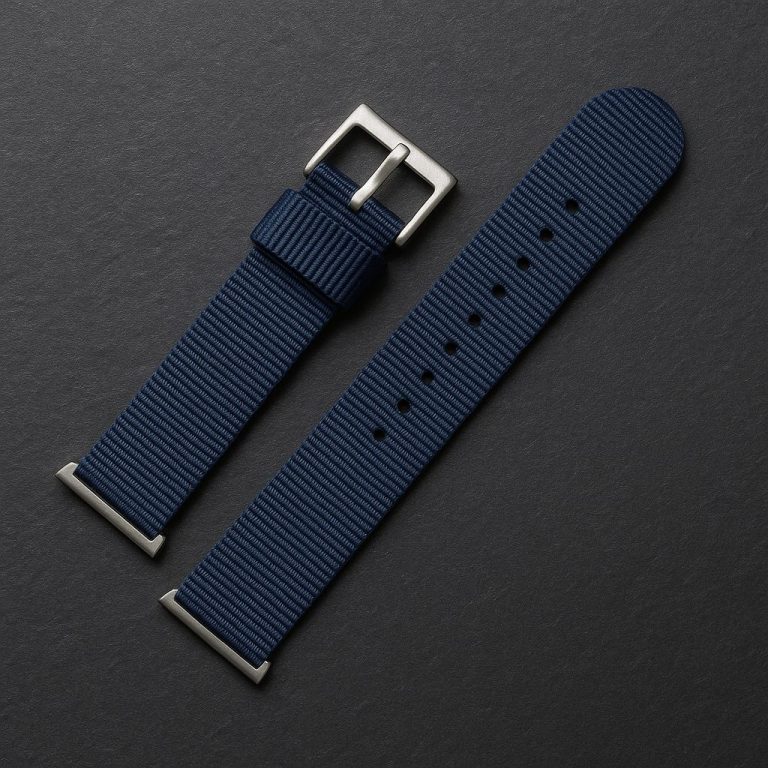
- Fabric bands, mostly made from nylon or nylon blends, show significant variety in weave density, thickness, elasticity, and texture. A tightly woven, thicker nylon band can support larger cases, while a thinner, stretchier band may suit smaller cases and wrists.
- Silicone bands are lightweight and flexible, which helps with comfort on both small and large wrists. They can reduce the top-heaviness of a large case and are especially useful for active use or sports, where comfort and stability are important.
Real-World Example: Typing at a Desk
Typing on a keyboard for extended periods can highlight fit issues. If the case is too large or thick for the wrist, it may press into the back of the hand or restrict wrist movement, leading to soreness. A case that’s well-proportioned to the wrist—both in diameter and lug-to-lug distance—tends to sit flat and remain stable, minimizing discomfort.
Tips for Evaluating Case Size for Your Wrist
- Measure your wrist circumference with a flexible tape measure or a strip of paper.
- Compare the case diameter and lug-to-lug distance to your wrist width (not just circumference); the lugs should not extend past the sides of your wrist.
- Try watches with different case thicknesses to see how they interact with your daily activities and clothing.
- Consider band material and width, especially if you prefer a heavier or lighter feel.
Finding the Right Balance for Everyday Comfort
Case size has a direct impact on how a watch feels throughout the day. The relationship between case diameter, lug-to-lug distance, and wrist size determines whether a watch feels comfortable, secure, and unobtrusive—or whether it shifts, digs in, or gets in the way. Paying close attention to these details helps ensure that a watch not only matches your style but also suits your wrist and daily activities.