How different watch band finishes affect everyday visibility of wear
How Watch Band Finishes Show Everyday Wear
After several months of wearing the same watch daily, faint scratches start to appear on the band, or a subtle darkening develops in spots where the wrist bends most. These signs of wear often become noticeable precisely because of the finish or surface treatment of the watch band, not just its material or how often it’s worn. The type and finish of a watch band play a major role in how visible wear becomes in day-to-day life, affecting both appearance and how long the band looks “new.”
Surface Finishes and Their Impact on Visible Wear
Every watch band, whether made from metal, leather, fabric, or silicone, has a finish that interacts with daily activities in different ways. The finish refers to the final surface texture or coating—such as polished, brushed, matte, or coated—that can either hide or highlight everyday marks, scuffs, or discoloration. Even when two bands are made from the same base material, their finishes can significantly change how quickly and noticeably they show signs of use.
Metal Bands: Scratches and Shine
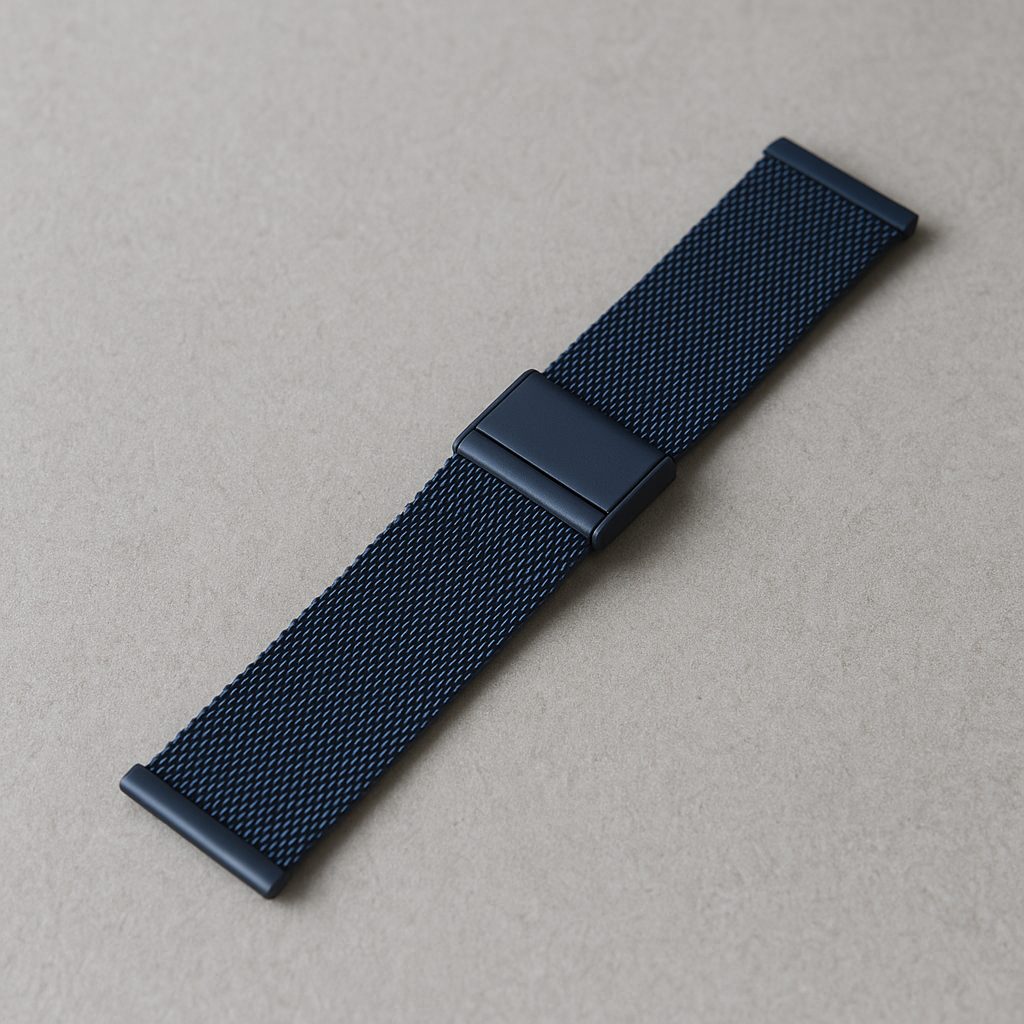
Most metal watch bands are made from stainless steel because of its durability and corrosion resistance. The surface finish—whether polished to a mirror shine, brushed for a satin look, or treated with a colored coating—greatly affects how visible scratches and wear become.
Polished finishes reflect light and show even faint scratches, fingerprints, or smudges. Everyday contact with desks, bags, or clothing can leave fine lines that catch the light. Over time, this can make high-gloss bands appear duller or streaked, especially on flatter surfaces.
Brushed or matte finishes use fine lines or texture to diffuse light, hiding minor scratches and smudges better. Daily wear blends small marks into the grain, so the band maintains a more consistent appearance. However, deeper scratches that cut across the grain or texture become more obvious because they disrupt the pattern.
Colored or coated finishes, such as black or gold-toned bands, can chip or fade with frequent abrasion. When the colored surface wears away, the base metal underneath may show through, resulting in visible spots or streaks. These finishes are especially sensitive on sharp edges or at clasp points, where friction is greatest.
Leather Bands: Patina, Creasing, and Color Change
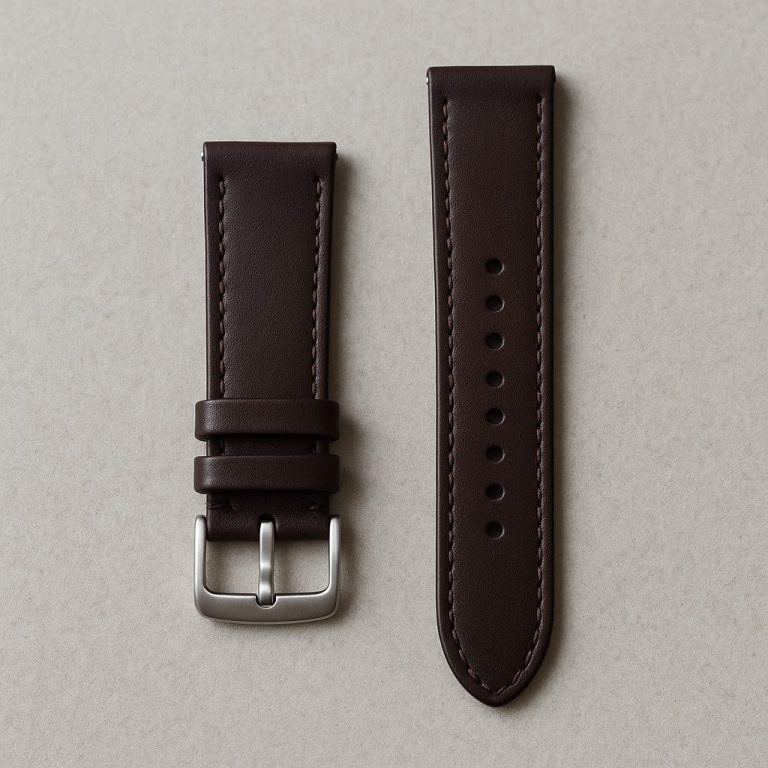
Leather bands often develop a patina—a gradual change in color and texture—with regular use. The type of finish, such as glossy, matte, oiled, or coated, determines how these changes appear.
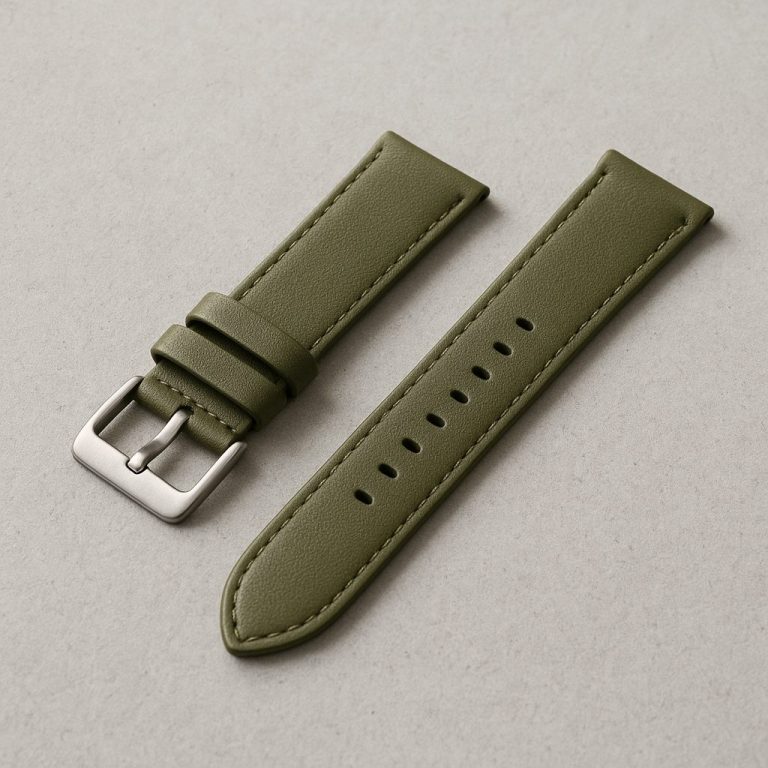
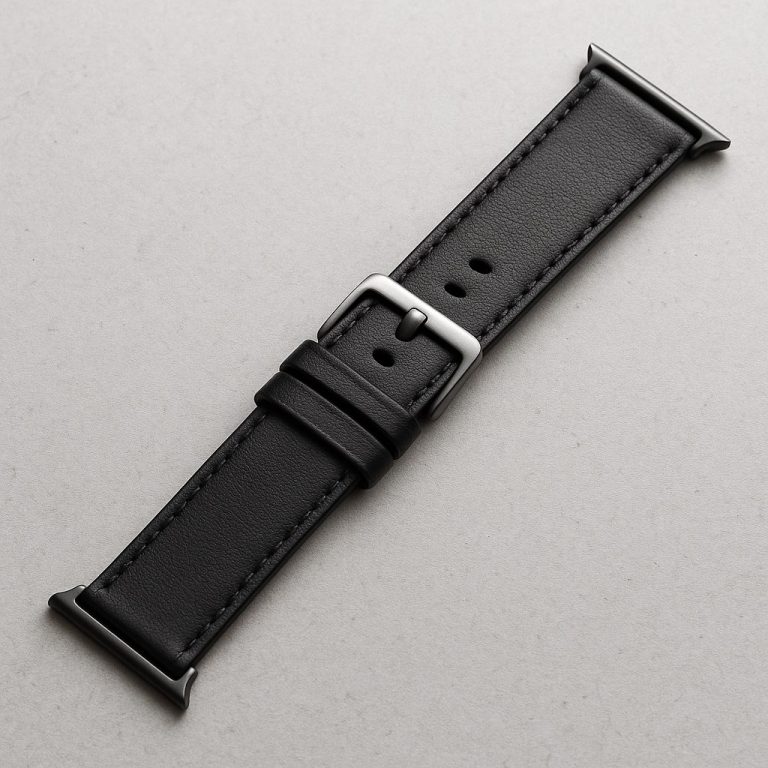
Glossy or lacquered leather bands resist stains and moisture better, but can show cracks, scuffs, or peeling if the surface coating breaks down. Signs of wear often appear as dull spots or areas where the shine has faded, especially where the band flexes most.
Matte or untreated leather absorbs skin oils and moisture, building a soft sheen and darkening over time. Scratches and creases blend into the evolving patina, making wear less dramatic but still noticeable. Bands with heavy texture or grain can hide small imperfections, but deep scratches or stains may remain visible.
Oiled and waxed leather bands develop character as they age, with marks and color variation becoming part of their look. However, large stains or water spots may contrast sharply with the original finish, especially on lighter shades.
Fabric Bands: Fraying, Fading, and Texture Changes
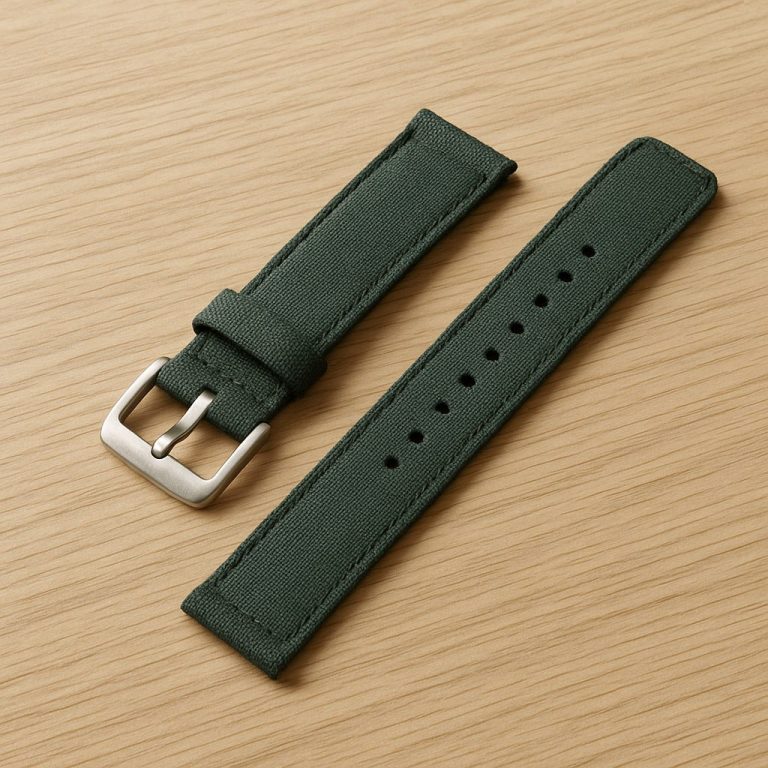
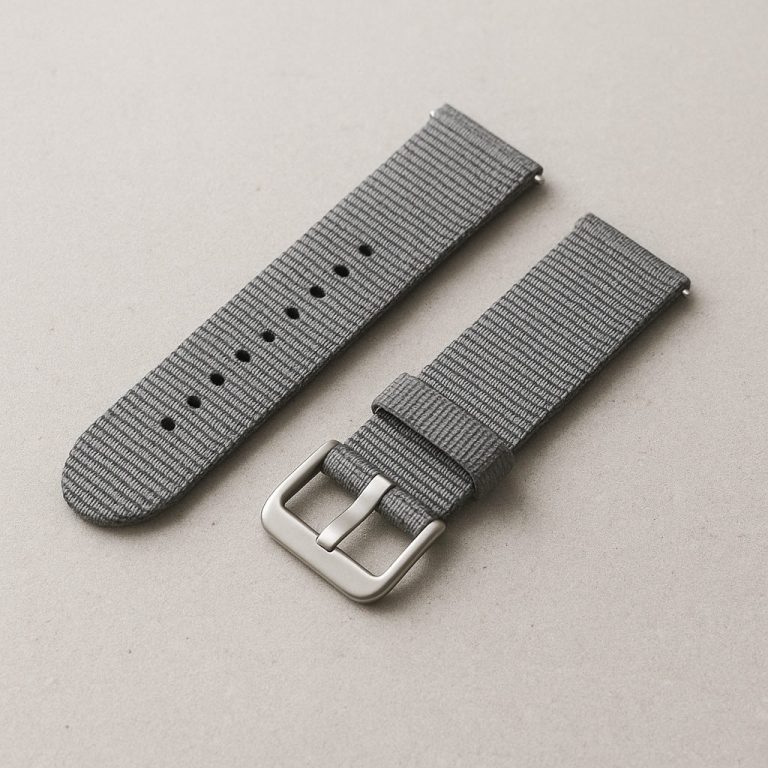
Most fabric watch bands are made from nylon or nylon blends, chosen for their flexibility and range of textures. The finish of a fabric band—whether tightly woven, loosely braided, or featuring a visible pattern—affects how daily wear becomes apparent.
Tightly woven nylon bands resist fraying and stretching, maintaining their look longer. However, repeated contact with rough surfaces can cause pilling (small fuzz balls) or shiny spots where the weave compresses.
Looser weaves or bands with more elasticity may stretch out at stress points, especially around the holes or clasp. This can lead to visible thinning or distortion in high-wear areas. Lighter-colored fabric bands may show dirt, sweat, or dye transfer from clothing more quickly, while darker shades can fade from sunlight exposure.
Texture also matters: smoother, flatter fabrics show stains and marks more easily, while thicker or textured bands can hide minor wear until it becomes significant. For example, a densely woven nylon strap will show less fraying than a thinner, more open weave, but stains on a flat surface will be easier to spot.
Silicone Bands: Surface Wear and Color Change
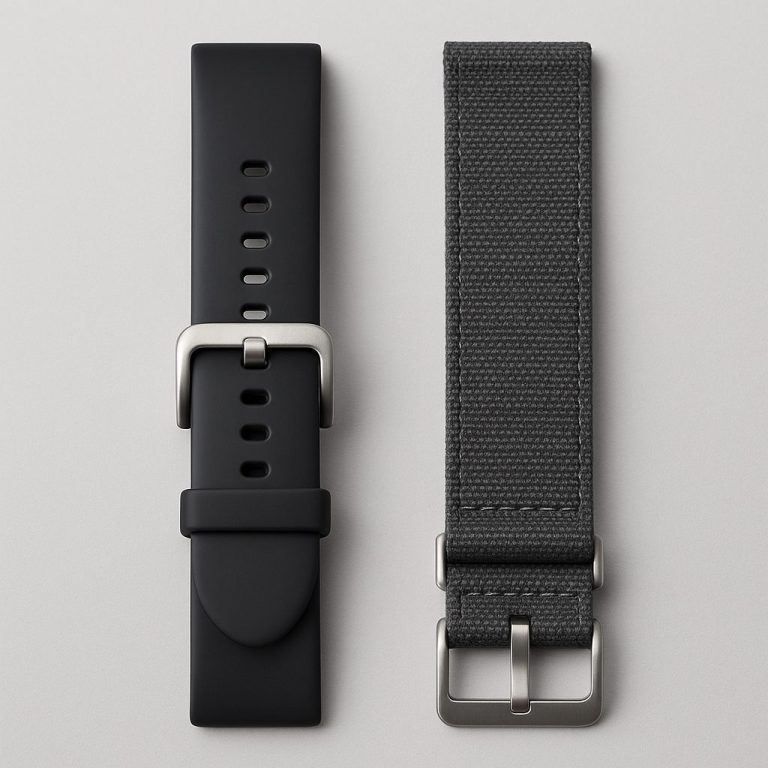
Silicone bands are known for their flexibility and resistance to water, but their finish can influence how visible everyday wear appears. Most silicone bands start with a smooth, matte surface that feels soft to the touch. Over time, repeated flexing and contact with skin, sweat, or sunscreen can cause shiny areas to develop where the band bends most.
Light-colored silicone bands can show discoloration from dirt or dyes transferred from clothing, especially on the underside. Darker bands may develop a dull appearance or collect lint and dust, which sticks to the slightly tacky surface. Scratches on silicone are usually less visible than on metal, but cuts or nicks from sharp objects can remain noticeable.
Comparison Table: Band Finish and Visibility of Everyday Wear
| Band Type | Common Finishes | Visible Wear Over Time |
|---|---|---|
| Metal | Polished, brushed, matte, coated | Scratches on polished, fading/chipping on coatings, blending on brushed |
| Leather | Glossy, matte, oiled, coated | Patina, creasing, scuffs, color changes, cracking on gloss |
| Fabric (nylon blends) | Tight/loose weave, textured, flat | Fraying, fading, pilling, stains, stretching |
| Silicone | Matte, smooth, textured | Shiny spots, lint accumulation, discoloration, cuts/nicks |
How to Recognize and Manage Wear Based on Finish
Choosing a watch band finish that matches your daily activities can help manage how much wear will show. For example, if your day involves frequent desk work or contact with hard surfaces, a brushed metal band tends to hide scratches better than a polished one. For those who prefer leather, a matte or oiled finish will age with a more even patina, making minor marks less distracting than on a high-gloss band.
If a fabric band is your choice, opting for a dense weave in a medium-to-dark color can help minimize the appearance of stains and fraying. Silicone bands are practical for active routines, but wiping them down regularly keeps lint and discoloration in check, especially on lighter shades. While no finish is immune to the effects of daily wear, understanding how each one reacts over time can help you select or care for a band that keeps a tidy appearance longer.
Spotting Early Wear: What to Watch For
Early signs of wear often show up in predictable places: the clasp of a metal band, the holes of a leather strap, the folding sections of a fabric band, or the underside of a silicone band. Noticing small changes—like a dull patch on a polished metal link or a slight fray at the edge of a nylon band—can prompt timely cleaning or maintenance before the wear becomes more visible. For example, gently buffing a brushed metal surface can sometimes diminish the look of fine scratches, while using a soft cloth on silicone can remove dust that makes the band look older than it is.
Choosing a Band Finish for Long-Lasting Appearance
The finish of a watch band is a key factor in how visible everyday wear becomes. Polished metals highlight scratches, brushed and matte textures diffuse marks, and different coatings or treatments influence how the band ages. Leather and fabric finishes change character with time, while silicone’s resistance to water and sweat makes it practical but not completely immune to surface changes.
Considering the finish alongside your typical daily activities can help keep your watch looking well-kept over the long term. Regular cleaning and occasional gentle maintenance, tailored to the finish, will also help minimize the everyday signs of use that naturally develop on any watch band.