How wearing a watch band with long sleeves affects comfort and fit
Real-World Friction: How Long Sleeves Interact with Watch Bands
Sliding a watch over your wrist and then pulling on a long-sleeve shirt can create an immediate sensation: the cuff catches, the watch shifts, or the band presses uncomfortably against your skin. Whether at work, during outdoor activities, or simply navigating daily routines in cooler weather, wearing a watch band under long sleeves presents specific challenges that affect both comfort and fit.
Pressure Points and Shifting: What Happens Under the Cuff
When a watch is worn with long sleeves, the fabric of the shirt or jacket often presses directly against the watch and its band. This can cause several effects:
- Increased pressure: The sleeve may push the watch tighter into the wrist, especially if the cuff is fitted.
- Movement restriction: As the wrist flexes, the band and watch may slide up and down or twist slightly, leading to chafing or a need for frequent adjustment.
- Difficulty checking the time: Thicker sleeves can make it harder to pull back the fabric, particularly with larger watch cases or bands that sit high on the wrist.
For those who work at a desk, the extra bulk of a watch under a sleeve can become noticeable when typing or writing, as the watch may dig into the wrist or shift position.
The Role of Watch Band Materials Under Sleeves
The material of a watch band significantly influences how it feels when worn with long sleeves. Each type interacts differently with shirt fabrics and wrist movement.
Metal Bands
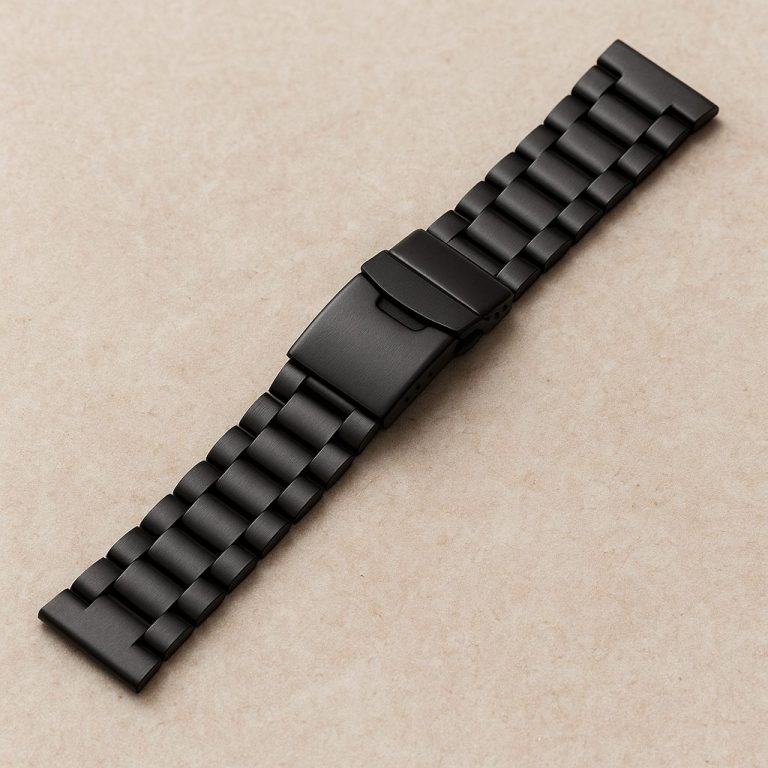
Most metal watch bands are made from stainless steel, chosen for its durability and resistance to corrosion. These bands often have a rigid structure and segmented links. When worn under a sleeve, metal bands may catch on soft fabrics, especially if the links have sharp edges. Their weight can cause the watch to shift more noticeably, and the rigid profile may create pressure points if the sleeve is snug. However, metal bands generally slide more easily under smoother, loose-fitting sleeves.
Leather Bands
Leather bands are typically softer and more flexible than metal, molding to the wrist over time. Under long sleeves, leather tends to create less friction against fabric and rarely snags. However, thicker leather bands can still feel bulky under tight cuffs, and sweat trapped by the sleeve can affect comfort, especially during extended wear or in warm environments.
Fabric Bands
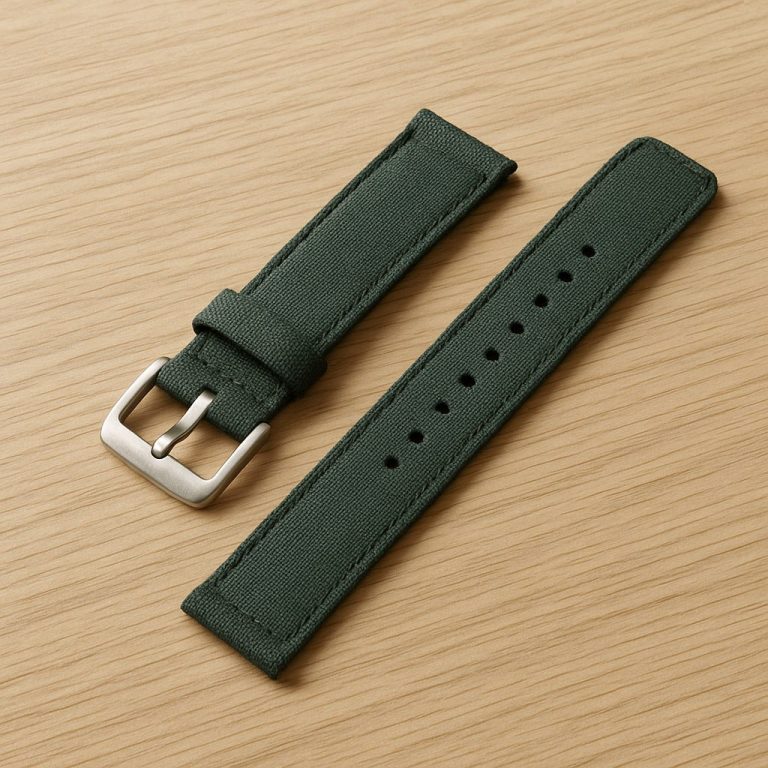
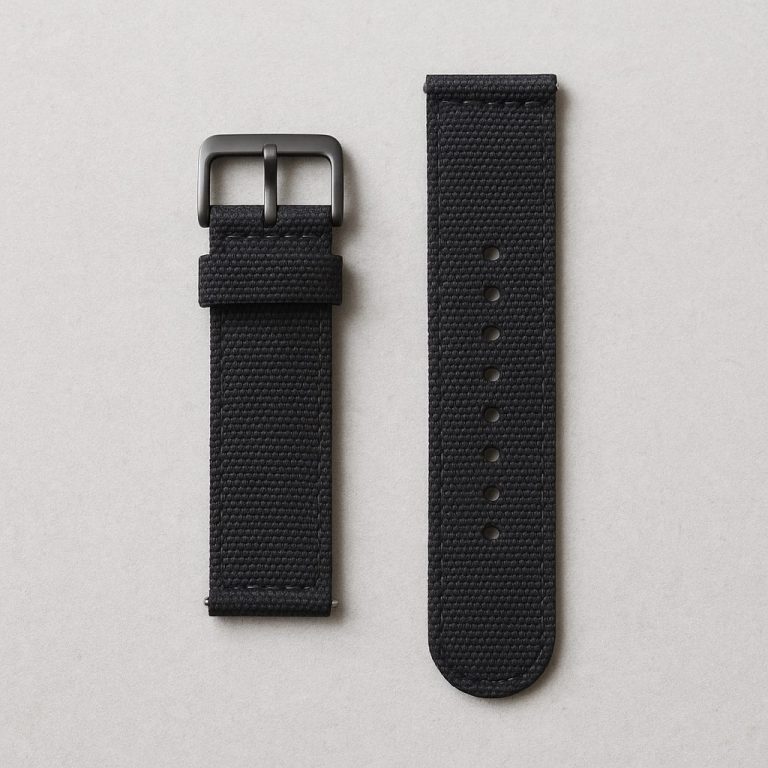
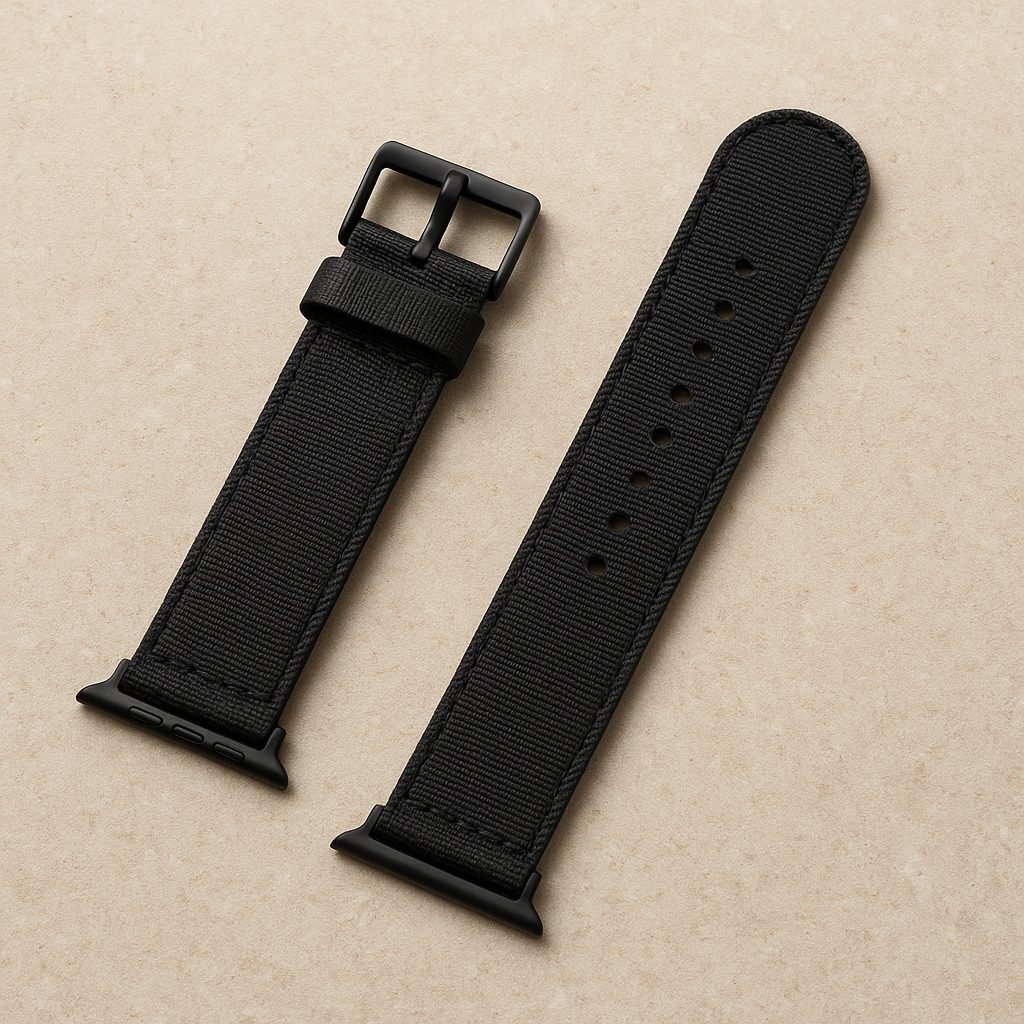
Fabric watch bands, most commonly made from nylon or nylon blends, vary in thickness, weave density, and elasticity. Denser, thicker weaves may feel bulkier under a sleeve, while smoother, finer textures slide more easily. Some bands incorporate elastic fibers, allowing them to flex with wrist movement and reducing the sensation of tightness. Looser weaves may be more prone to catching on rougher sleeve fabrics, leading to snags.
Silicone Bands
Silicone bands are soft and flexible, providing a close fit around the wrist. This snugness can be comfortable for many activities, but under long sleeves, silicone’s grippy texture may cause it to stick to certain fabrics, making it harder for the sleeve to move freely over the watch. This can amplify the feeling of tightness or make the band more noticeable during wrist movement. On the other hand, silicone’s flexibility can help reduce pressure from snug cuffs compared to rigid bands.
Band Width and Thickness: Impact on Sleeve Fit
The dimensions of a watch band—its width and thickness—directly affect how easily a sleeve can slide over the watch. Wider or thicker bands create more bulk, increasing the chance of the sleeve catching or bunching up. Conversely, slimmer bands offer a lower profile, making them less likely to interfere with tighter cuffs.
| Band Type | Typical Thickness | Impact Under Long Sleeves |
|---|---|---|
| Metal | Medium to thick | Can be bulky; may catch on fabric; heavy |
| Leather | Thin to medium | Generally smooth; less friction; can feel warm |
| Fabric (nylon/nylon blends) | Varies (thin to thick) | Flexible; may snag if textured; varies with weave |
| Silicone | Thin to medium | Grippy; sticks to some fabrics; flexible |
Attachment Mechanisms and Cuff Interaction
The way a watch band attaches to the watch case can also play a role in comfort with long sleeves. Watch bands are secured to the case using components called lugs, with the band itself held in place by mechanisms such as spring bars or quick-release pins. Bands that integrate smoothly with the watch case, without protruding parts or bulky connectors, tend to sit flatter against the wrist. This reduces the risk of snagging or creating noticeable bumps beneath a sleeve. Conversely, bands with larger end links or hardware can make a watch feel bulkier under clothing.
For example, a silicone band that connects flush with the case may be less likely to catch on a shirt cuff than a metal bracelet with large end links that stick out. Considering the profile of the attachment point can make a noticeable difference if you frequently wear fitted long sleeves.
Practical Comfort Adjustments
Adjusting the fit of a watch band can help alleviate some discomforts caused by long sleeves. Loosening the band slightly may allow the watch to move with the sleeve, rather than being pressed tightly against the skin. However, too loose a fit can lead to the watch sliding around, which may be distracting or increase wear on both the band and sleeve fabric.
When wearing a shirt with particularly tight cuffs, opting for a watch band with a low profile and smooth edges—such as a fine-weave nylon strap or a thin leather band—can minimize interference. Some people find it helpful to fasten the watch over the sleeve in specific situations, such as during physical activity or when working outdoors, although this is less common in formal settings.
Material Breathability and Skin Comfort
Long sleeves can trap heat and moisture, which can impact how comfortable the area under the watch feels. Materials like leather and silicone may trap sweat, especially under fitted synthetic sleeves, leading to skin irritation over time. Fabric bands made from nylon or blends with good breathability can help wick away moisture, though thicker or densely woven fabric may still feel warm. Metal bands are less absorbent and can feel cool initially, but may become uncomfortable if sweat accumulates beneath them.
Those who notice skin irritation or dampness under the watch when wearing long sleeves may want to occasionally remove the watch to allow the skin to breathe, especially during longer periods of wear.
Managing Comfort and Fit Throughout the Day
Wearing a watch with long sleeves often requires small adjustments. For example, after putting on a jacket, it may help to slide the cuff slightly up the forearm to prevent it from bunching against the watch. When typing or using a mouse, shifting the watch a little higher or loosening the band can reduce pressure on the wrist. Over time, paying attention to when discomfort occurs makes it easier to decide if a different band material or attachment style might be a better fit for your routine.
Choosing the Right Combination for Your Wardrobe
Finding the most comfortable setup depends on the specific interaction between your watch band, sleeve material, and wrist shape. A thin, flexible band often works best with snug cuffs, while a smooth, rigid band may be more comfortable under looser sleeves. For those who regularly wear fitted shirts, considering a watch with a lower profile and a softer band can make daily wear more comfortable and reduce the need for constant adjustment.