How surface texture affects grip and comfort of a watch band
The Role of Surface Texture in Watch Band Performance
Picture someone wearing a watch during a run on a hot day. Sweat builds up, and the watch slides uncomfortably around the wrist. In another scenario, a person at a desk feels a metal bracelet pinching the skin or pulling hairs. These everyday experiences often come down to the surface texture of the watch band. The way a band feels against the skin and how well it stays in place are heavily influenced by its surface characteristics.
How Surface Texture Influences Grip
Grip refers to how securely a watch band stays positioned on the wrist. Surface texture—whether smooth, patterned, or textured—affects the friction between the band and skin. This friction determines how much the band slides or holds firm during movement, sweating, or changes in wrist size throughout the day.
Smooth vs. Textured Surfaces
- Smooth surfaces (like polished metal or finely finished leather) tend to slide more easily against the skin. This can make the watch feel loose during activity or when sweat reduces friction.
- Textured surfaces (such as embossed leather, patterned silicone, or woven fabric) create more points of contact and can help the band stay in place by increasing friction.
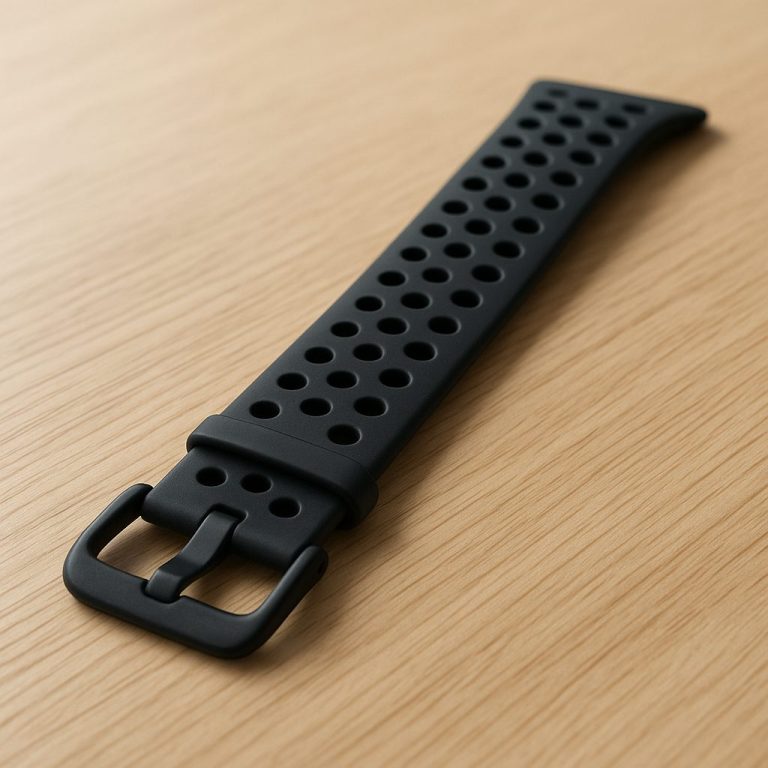
For example, a silicone band with a raised pattern on the inside will usually grip the wrist more securely during exercise than a perfectly smooth silicone band. The pattern interrupts the sliding motion and provides channels for moisture to escape.
Material-Specific Texture Effects
| Material | Common Textures | Effect on Grip | Effect on Comfort |
|---|---|---|---|
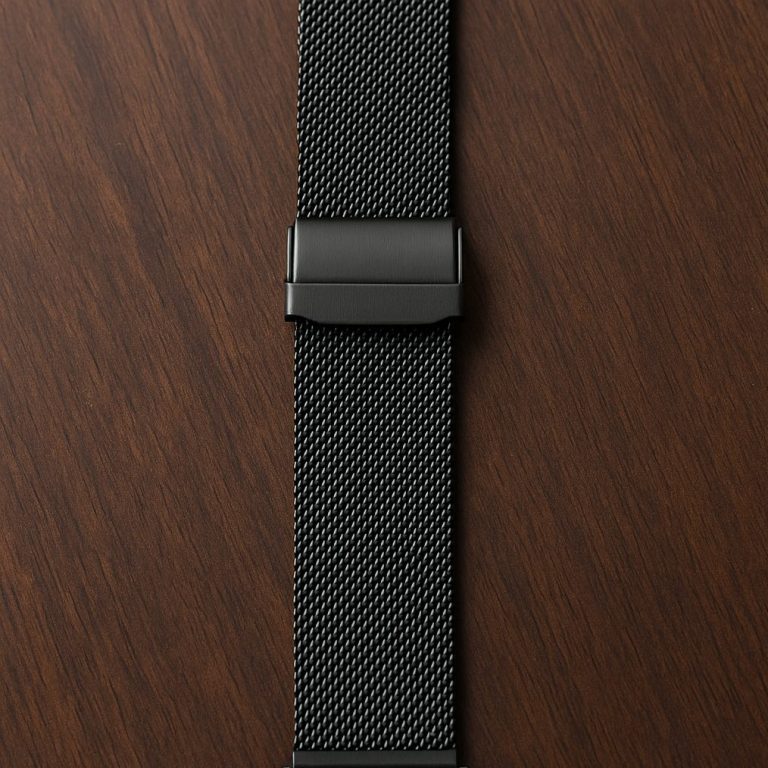
| Metal | Polished, brushed, patterned links | Smooth metal can slide; patterned links may grip better | May pinch or pull hair, especially with tighter links |
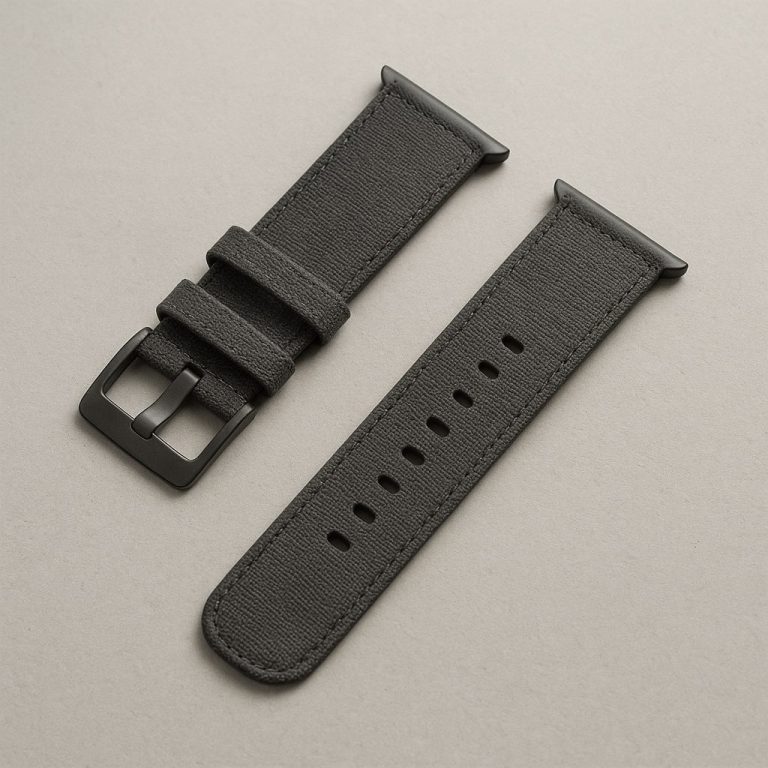
| Leather | Grain, embossing, smooth finish | Textured grain increases grip; smooth slides more | Soft, but can cause heat and sweat buildup if not breathable |
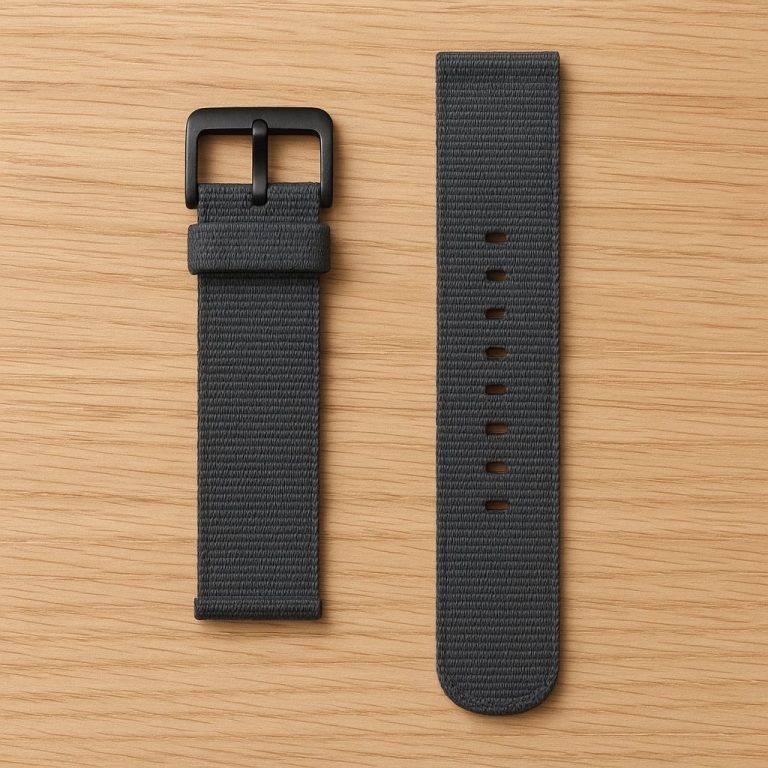
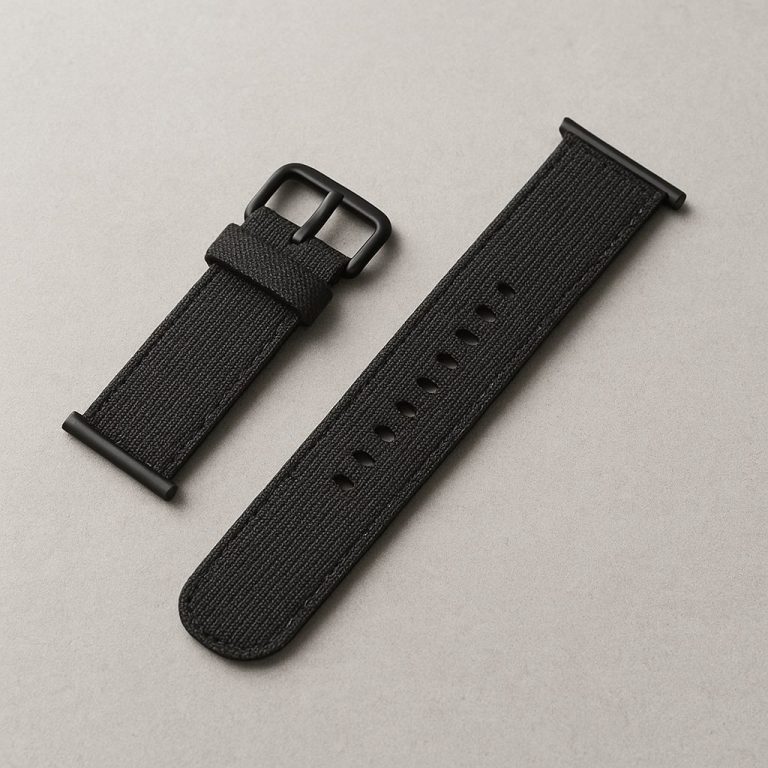
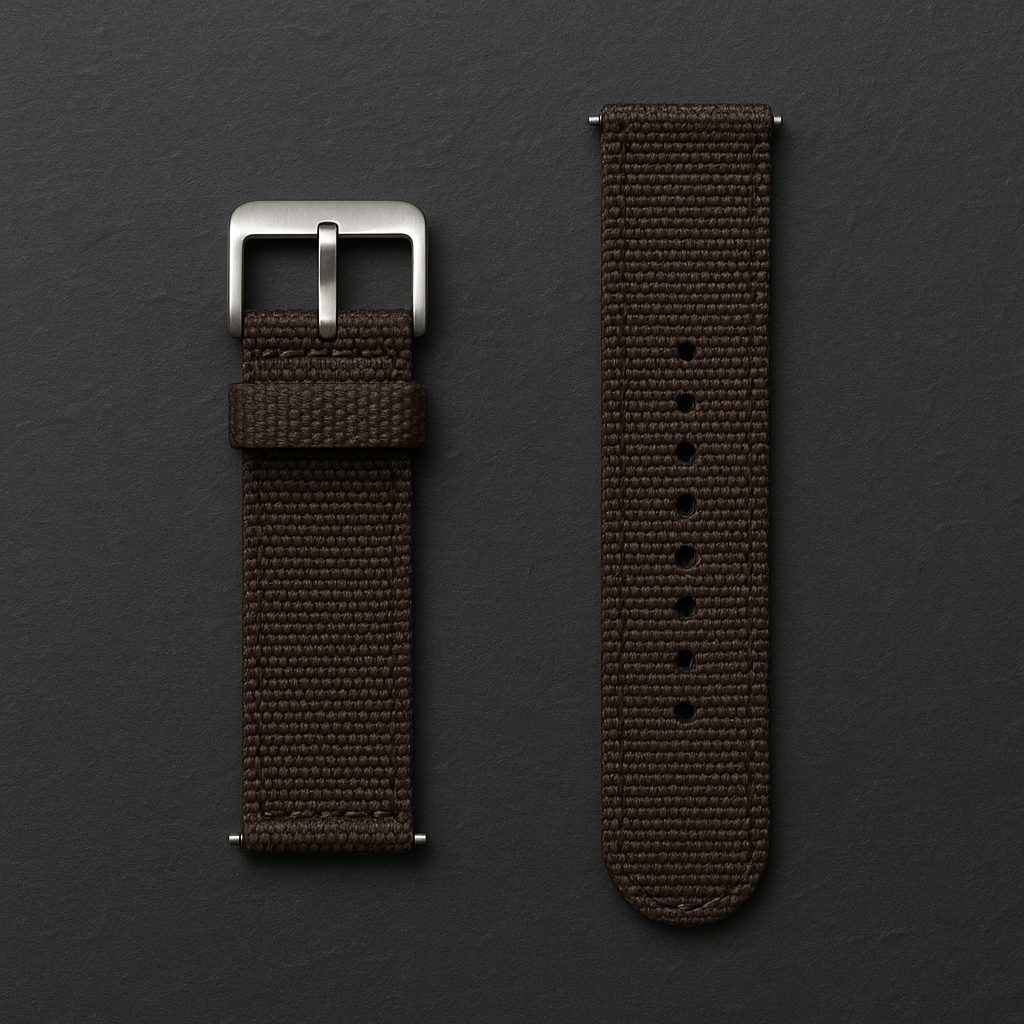
| Fabric (nylon blends) | Tight/weave, ribbed, soft pile | Dense, ribbed textures grip better; loose weaves may slip | Breathable, but may cause irritation if rough |
| Silicone | Matte, grooved, patterned | Textured silicone resists slipping, especially when wet | Soft and flexible, but may trap moisture |
Comfort: How Texture Feels Against the Skin
Comfort depends on how the band’s surface interacts with the skin over time. Surface texture can either reduce or increase irritation, sweating, and other discomforts.
Metal Bands
Most metal watch bands are made from stainless steel due to its durability and resistance to corrosion. The finish—polished, brushed, or patterned—affects how the bracelet feels. Highly polished links glide smoothly but can become slippery, while brushed or patterned finishes may provide a bit more grip but also might catch arm hair or pinch the skin, especially if the links are tight or have sharp edges.
Leather Bands
Leather straps vary from smooth, glossy finishes to pebbled or embossed grains. A textured leather surface can help the band stay in place and prevent slipping, especially if the wrist becomes damp. However, if the surface is too coarse or the edges are unfinished, it may cause irritation. Softer, naturally grained leather tends to mold gently to the wrist, enhancing comfort, but may lose grip over time as the surface wears smooth.
Fabric Bands (Nylon and Blends)
Fabric bands, typically made from nylon or nylon blends, come in various weave densities and textures. A tightly woven, slightly ribbed texture can provide secure grip and distribute pressure evenly. Thicker bands may feel cushioned but can retain moisture, while a smoother, looser weave may slide more and become less stable during activity. Some fabric bands include a soft pile or slightly elastic material to increase comfort and flexibility, but coarse or unfinished edges can irritate sensitive skin.
Silicone Bands
Silicone bands are often chosen for active use due to their flexibility and water resistance. The interior surface may be smooth, patterned with grooves, or have small raised dots. These textures allow air and moisture to escape, reduce slippage, and minimize the sticky feeling that can develop during sweating. A smooth silicone band may feel soft but can slide around more, while a patterned underside provides extra grip and channels for sweat, making it more stable on the wrist.
Moisture, Slippage, and Skin Irritation
Surface texture also affects how a band handles moisture and temperature changes. Smooth surfaces—especially metals and some leathers—are more likely to become slippery when sweat or water is present. Textured or patterned surfaces, on the other hand, help maintain grip by breaking up the contact area, allowing moisture to evaporate and reducing the chance of the band sliding out of place.
At the same time, rough or overly textured surfaces can cause irritation, especially if worn tightly or for long periods. For instance, a coarse fabric weave may grip well but rub against the skin, leading to redness or discomfort. Balance is important: a moderate texture can provide enough grip to keep the watch secure without sacrificing comfort.
Practical Considerations for Everyday Wear
The ideal surface texture for a watch band depends on how and where it will be used. For sports or outdoor activity, bands with patterned or textured interiors (such as grooved silicone or ribbed nylon) offer better grip and allow sweat to evaporate more easily. For office or casual settings, a smoother leather or brushed metal band may feel more comfortable but might require occasional adjustment, especially if worn loosely.
Band thickness and flexibility also interact with surface texture. A thick, stiff band with a rough texture may grip well but feel bulky, while a thin, smooth band offers less grip but may be more comfortable for all-day wear. Adjusting the tightness can also compensate for grip; for example, a slightly tighter fit with a smooth band reduces slippage but may affect comfort.
Attachment and Movement
The way the band attaches to the watch case—using lugs with spring bars or quick-release pins—does not directly affect surface texture, but it does influence how the band sits against the wrist. A textured band that is securely attached and well-fitted will minimize unwanted movement, while a loose or poorly attached band, regardless of texture, can slide and cause discomfort.
Key Takeaway
Surface texture plays a central role in both the grip and comfort of a watch band. The right balance of texture depends on the material, the wearer’s activity level, and personal preference. A textured surface generally improves grip—especially in active or warm conditions—while smoother surfaces may feel more comfortable but can slip more easily. Considering how texture interacts with skin, moisture, and daily movement helps ensure a watch band remains secure and comfortable throughout the day.