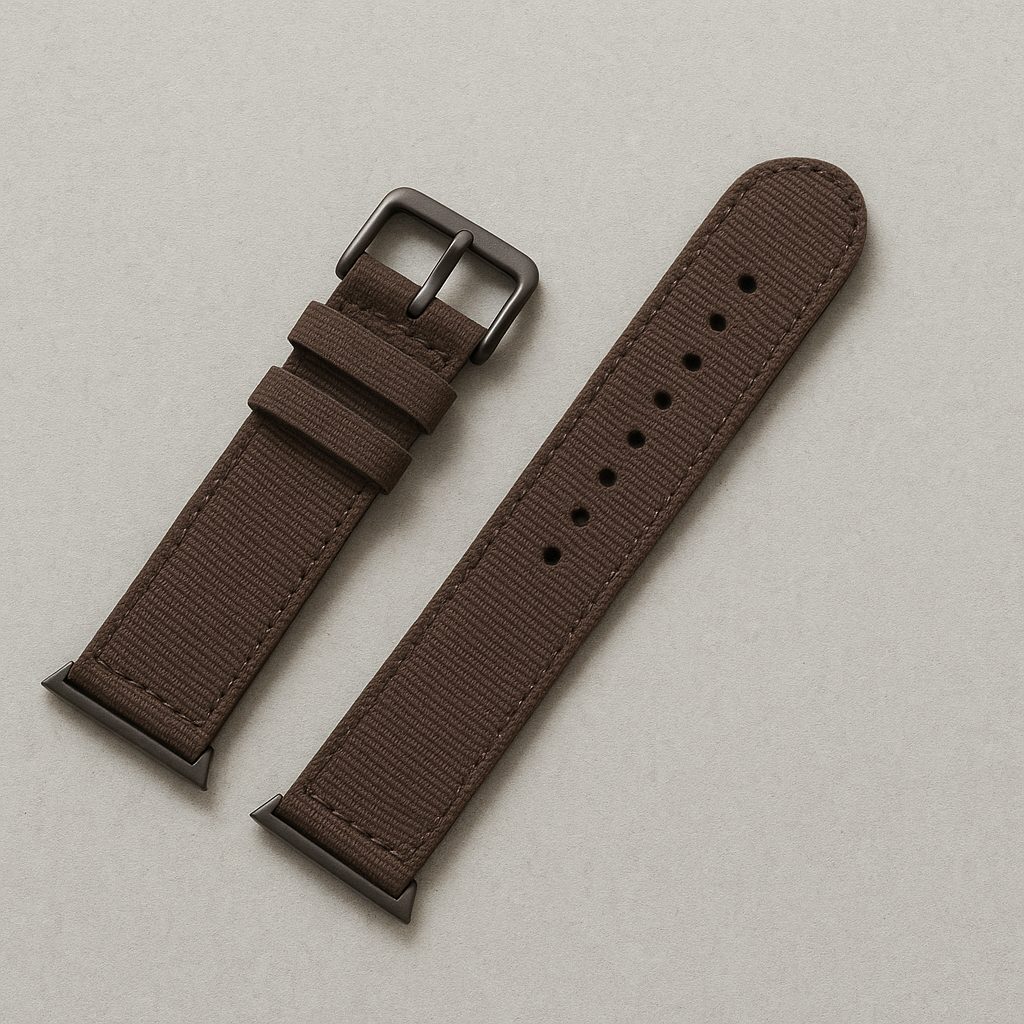
How material thickness changes the way a watch band flexes throughout the day
Why Watch Band Thickness Matters Throughout the Day
During a long day at work, a watch band may begin to feel tighter or looser than when first put on in the morning. Some notice their watch shifting on the wrist during daily activities, or experience extra stiffness or unexpected flexibility, especially after hours of wear. These changes are not just due to wrist movement or temperature but are directly influenced by the thickness of the watch band itself.
The Connection Between Thickness and Flexibility
Material thickness is a core factor that determines how a watch band flexes, contours to the wrist, and responds to daily wear. As a band’s thickness increases, its ability to bend and conform is generally reduced. Thinner bands usually follow the natural shape of the wrist more easily and adapt to subtle changes, such as wrist swelling or movement during tasks like typing, lifting, or exercising. In contrast, thicker bands resist bending, which can cause them to feel stiffer or bulkier, especially during physical activity or at points where the wrist flexes most.
How Different Materials Respond to Thickness
The way thickness affects a watch band’s flexibility also depends heavily on the type of material used. Here’s how some common materials behave:
Metal Watch Bands
Metal bands, especially those made from stainless steel (the most common choice due to its durability and resistance to corrosion), are typically constructed from interlocking links. Thicker metal links create a more rigid structure, which means the band will flex less and may not curve as closely around the wrist. This rigidity can be felt most when bending the wrist sharply, as the band may create gaps or pressure points. Thinner metal links, on the other hand, allow for more articulation, letting the bracelet drape and move more naturally with the wrist. However, even thin metal bands will never be as flexible as a soft material; their movement is limited by the mechanical nature of their construction.
Leather Watch Bands
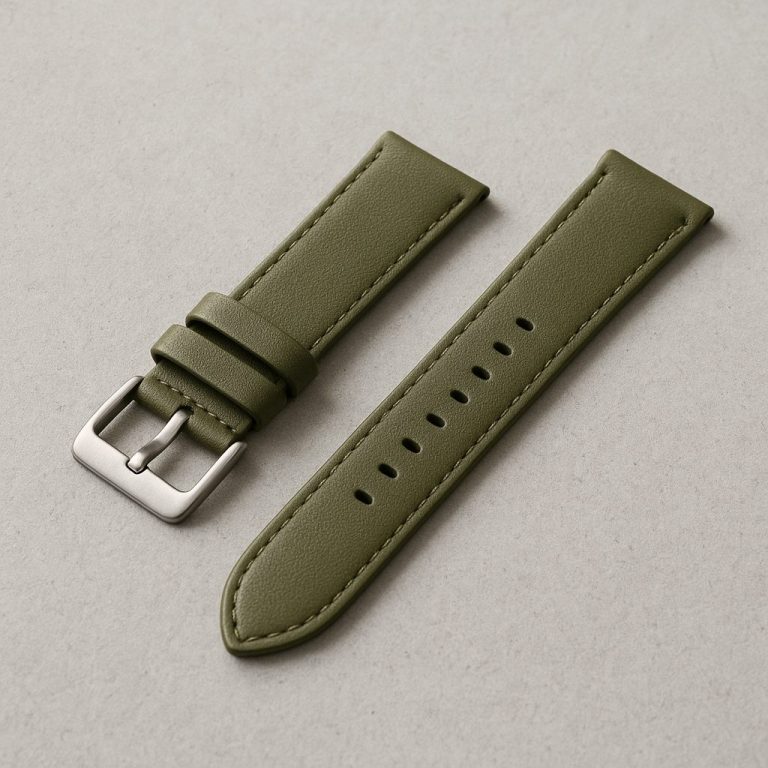
Leather bands are often chosen for their comfort and classic appearance. The thickness of a leather band plays a significant role in how it feels and flexes. Thicker leather is stiffer at first and may take days or weeks to “break in” and soften to the natural curve of the wrist. During this period, the band may not flex smoothly, causing uneven pressure or minor discomfort. Over time, natural oils from the skin and repeated movement help soften the material. Thin leather bands, by contrast, are usually more flexible right out of the box and adapt quickly to wrist movement, but may offer less structure and durability than thicker options.
Fabric Watch Bands
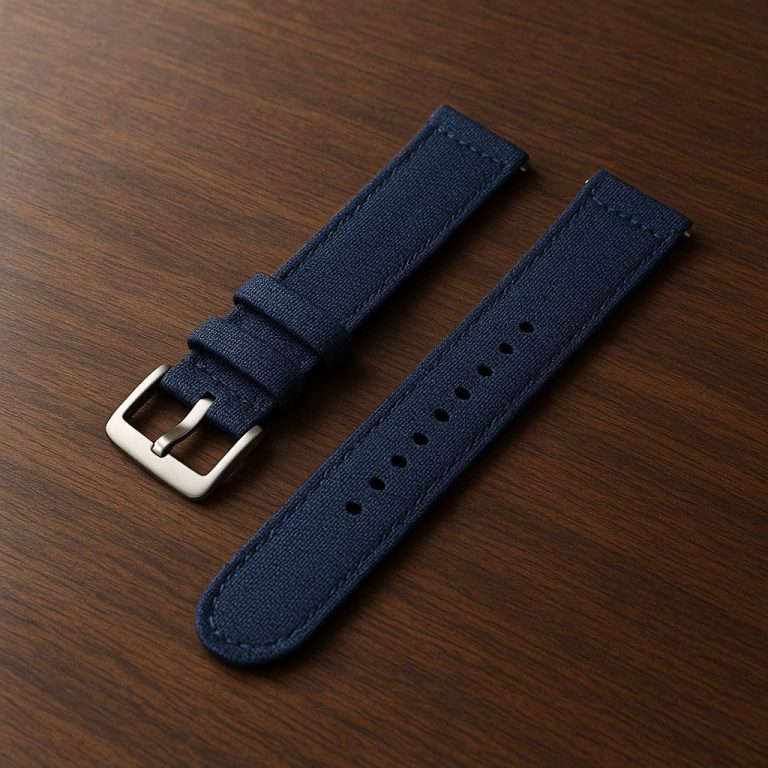
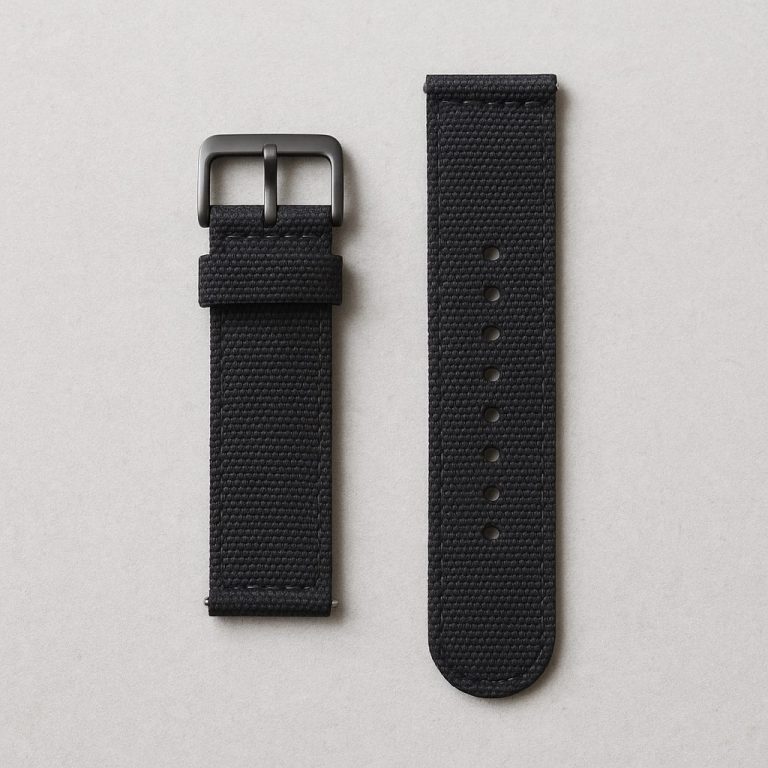
Most fabric watch bands are made from nylon or nylon blends, with thickness and weave density varying by style. Thicker, tightly woven nylon bands are less likely to flex easily, feeling firm and sometimes stiff when first worn. Thinner, more loosely woven bands offer higher flexibility, contouring more closely to the wrist and adapting to movement. Some fabric bands include stretch fibers, which further increase flexibility regardless of thickness, but denser or layered bands can still feel less yielding even with some stretch. Texture also plays a role; smoother weaves tend to flex more easily than rougher, bulkier ones.
Silicone Bands
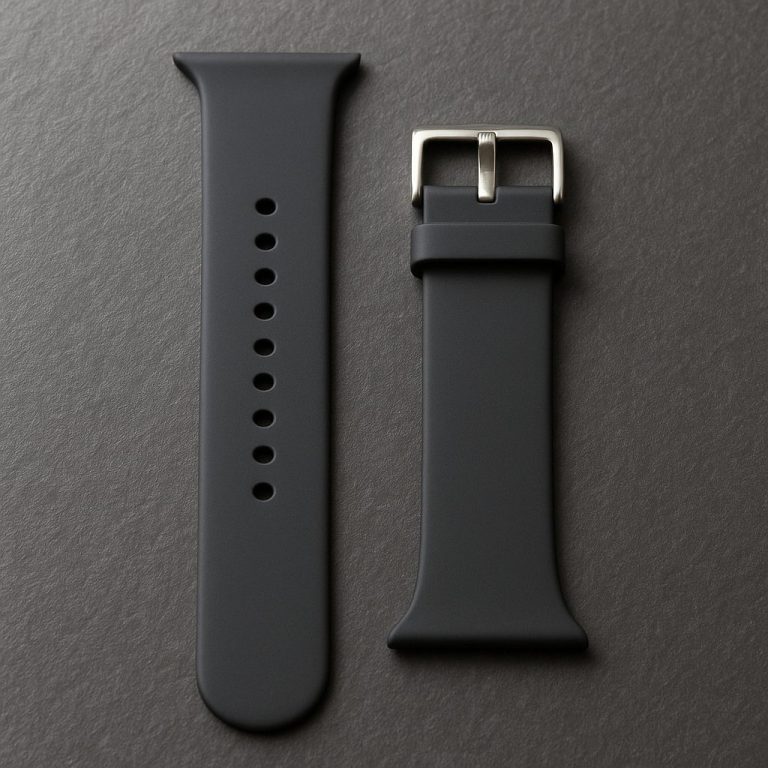
Silicone bands are valued for their softness and water resistance. Thicker silicone bands retain more of the material’s natural cushioning but can feel bulky and less responsive to wrist movement. They may resist bending, especially near attachment points, making them feel tight during activities that flex the wrist. Thinner silicone bands are highly flexible, easily adapting to changes in wrist size or shape throughout the day. The thickness also affects how much the band stretches—thicker bands stretch less, while thinner ones expand more with movement or swelling.
The Role of Thickness in Daily Wear
Throughout a typical day, the wrist is subject to temperature changes, swelling, and varied movements. For example, after a workout or during hot weather, wrists often expand slightly. A thin and flexible band can accommodate this subtle swelling without causing discomfort or restricting blood flow. A thick, inflexible band, regardless of material, may not adapt as well, leading to tightness or noticeable pressure.
During repetitive activities like typing, a thick metal bracelet may press into the skin or create a gap at the underside of the wrist, while a thin fabric or silicone band might flex and move with the wrist, reducing potential discomfort. For those who wear their watch loosely, a thicker band may not “drape” as naturally, making the watch feel less secure or more prone to shifting.
Band Thickness and Attachment Mechanisms
The way a band attaches to the watch case—whether through traditional lugs with spring bars or quick-release pins—can also interact with band thickness. Thicker bands may be less compatible with certain quick-release mechanisms if the opening between the lugs is narrow. Additionally, thick bands sometimes have less flexibility at the attachment point, making the band protrude more from the case and affecting how snugly it sits on the wrist. Thinner bands, on the other hand, can usually pivot more freely at the attachment, allowing the watch to sit flatter and closer to the wrist.
Summary Table: How Thickness Affects Flexibility by Material
| Material | Thin Band Behavior | Thick Band Behavior |
|---|---|---|
| Metal (e.g., stainless steel) | More flexible, drapes better | Stiffer, less contour to wrist |
| Leather | Flexible, softens quickly | Stiff until broken in, bulkier feel |
| Fabric (nylon/nylon blend) | Highly flexible, adapts to movement | Firm, less yielding, stiffer feel |
| Silicone | Very flexible, stretches easily | Cushioned, but resists bending |
Practical Considerations
When choosing or adjusting a watch band, consider the balance between thickness and flexibility that best suits daily routines and wrist shape. For example, someone who types much of the day or does physical work requiring frequent wrist movement may prefer a thinner, more flexible band that follows the wrist’s motion. Those seeking extra durability or a more substantial appearance might opt for a thicker band but should be prepared for a stiffer feel, especially at first. For fabric bands, the density of the weave and the presence of stretch can make as much difference as thickness; a thick, stretchy nylon strap may feel more comfortable than a thin, tightly woven one.
It’s also important to check that the band’s thickness is compatible with the watch case and attachment mechanism. For watches with limited space between the lugs, thinner bands or those designed with a tapered end may fit better and allow smoother movement. If discomfort or shifting is noticed during specific activities, experimenting with a band of different thickness—or even swapping materials—can quickly reveal what works best for that situation.
Key Takeaway
The thickness of a watch band has a direct impact on how it flexes and adapts to the wrist throughout the day. Thinner bands generally offer greater flexibility and comfort during movement or periods of wrist swelling, while thicker bands provide structure and durability but may feel stiffer or less responsive. Matching band thickness to daily activity, wrist shape, and personal comfort preferences ensures the watch remains both functional and comfortable from morning to night.