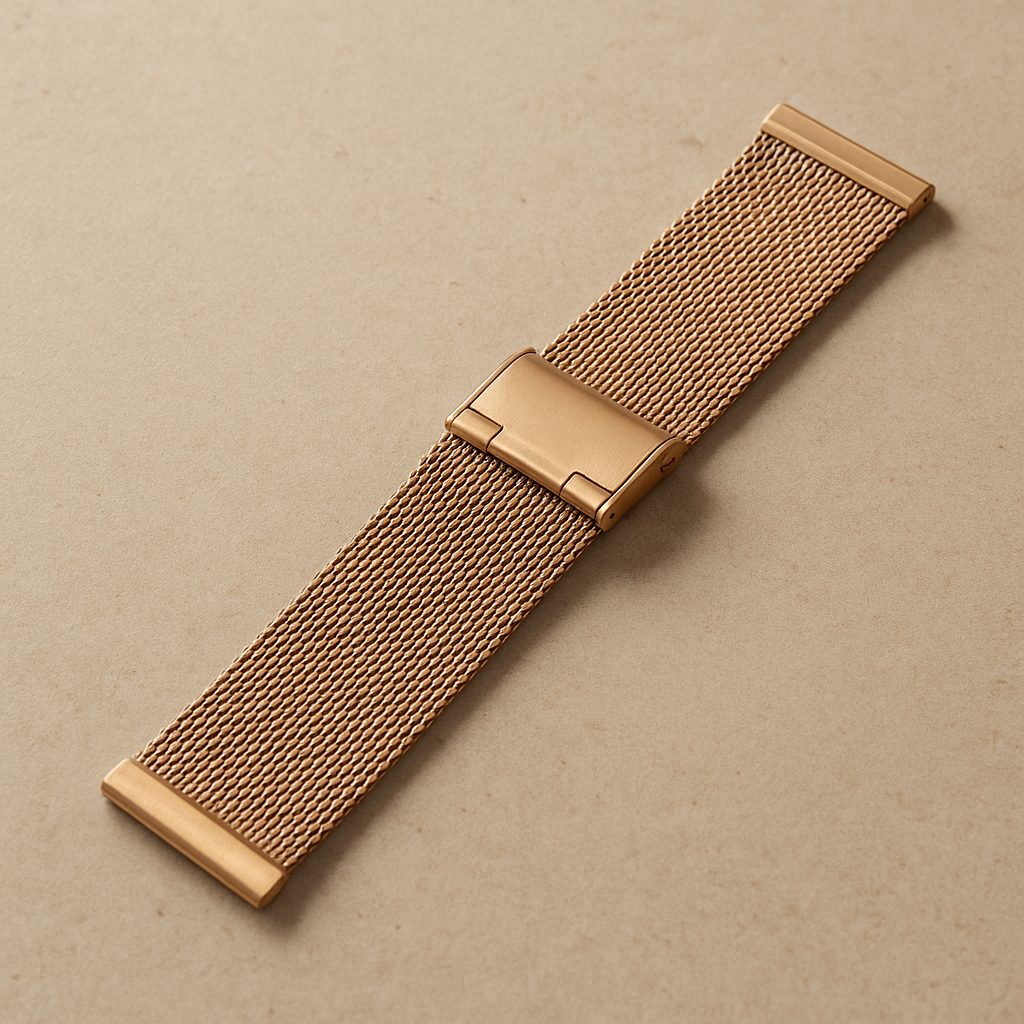
How to prevent metal watch bands from pulling arm hair
Why Metal Watch Bands Sometimes Pull Arm Hair
Many people enjoy the look and feel of a metal watch band but notice an irritating problem: the band can catch and pull on arm hair throughout the day. This can happen whether the watch is worn loosely or snugly, and it’s often enough to cause discomfort or even discourage daily wear.
The most common metal used for watch bands is stainless steel, chosen for its durability and resistance to corrosion. Metal bands are usually made up of interlocking links or mesh segments. The small gaps or shifting parts between these links can easily trap hair, especially if the links flex or move against the skin as the wrist bends. Even a smooth-looking bracelet can cause this issue if there are tiny spaces or imperfections along the edges.
Factors That Increase Hair Pulling with Metal Bands
Several design and fit-related factors can make a metal watch band more likely to pull arm hair:
- Link Construction: Bands made from separate links with tight but flexible joints are prone to pinching hair in the gaps between links.
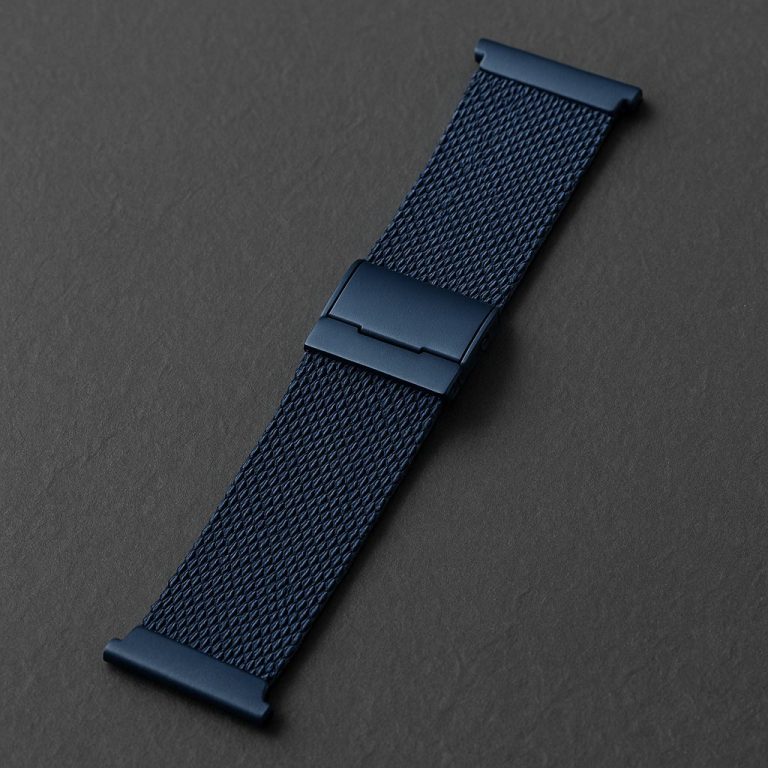
- Mesh or Woven Styles: Metal mesh bands, while smooth to the touch, can still have small openings that catch hair, especially if the weave is loose or the mesh is thin.
- Band Fit: Wearing a metal band too loose allows it to slide and roll on the wrist, increasing the chances of hair getting caught. Conversely, an overly tight band presses the skin and hair against the metal, which can also cause pulling.
- Surface Finish: Rough or unfinished edges on the underside of the band, especially near clasp or link joints, can snag hairs more easily than highly polished or rounded surfaces.
Practical Steps to Reduce Hair Pulling
Several adjustments can help minimize or prevent arm hair from getting caught in a metal watch band. These practical steps focus on fit, maintenance, and handling:
Adjusting Band Fit
The way a metal band sits on your wrist plays a significant role. Aim for a fit that keeps the watch secure but not too tight. The band should remain mostly in place during normal movements, but there should be enough room to slide a finger underneath without excessive pressure.
If the band is too loose, it will move around, increasing friction against the skin and hair. If it’s too tight, it can press hairs directly into the gaps between links. Most metal bands use removable links or micro-adjustment holes in the clasp to fine-tune the fit. Making small adjustments often results in noticeable comfort improvements.
Choosing Link Style and Construction
Some link designs are less prone to hair pulling. For example, bands with solid, closely fitted links tend to have fewer gaps than those made with folded or open-style links. Mesh bands with a dense, smooth weave can also reduce the likelihood of catching hair compared to looser or coarser meshes.
When possible, inspect the underside of the watch band for sharp edges or visible gaps. Bands with rounded, polished edges are generally more comfortable for those with arm hair.
Maintaining the Band
Over time, dirt, sweat, and tiny debris can collect between the links of a metal band, causing the links to stiffen or create uneven gaps where hair can more easily get trapped. Cleaning the band regularly can help prevent this. Rinse the band under lukewarm water and use a soft brush to gently remove buildup between links. Dry thoroughly before wearing again to prevent moisture from causing skin irritation.
If a clasp or link seems especially rough, a jeweler or watch repair shop can often smooth or polish the area to reduce snagging.
Trimming Arm Hair
For those who consistently experience discomfort, trimming the arm hair where the watch sits can offer relief. This doesn’t require complete removal; simply shortening the hair reduces the chance of it getting caught in the band. This solution isn’t for everyone but can be effective for those with thicker or longer arm hair.
Considering Other Band Materials
If adjustments to the metal band do not resolve the issue, switching to a different band material may help. Here’s a quick comparison:
| Material | Hair Pulling Risk | Other Characteristics |
|---|---|---|
| Stainless Steel (Metal) | Moderate to High (depends on link style and fit) | Durable, resists corrosion, classic look |
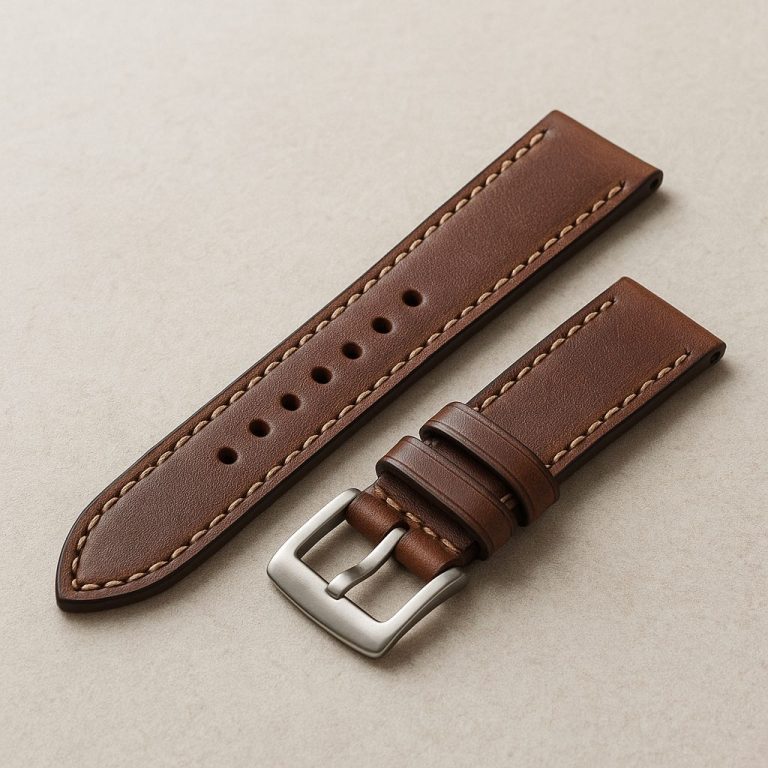
| Leather | Very Low | Flexible, softens over time, requires occasional care |
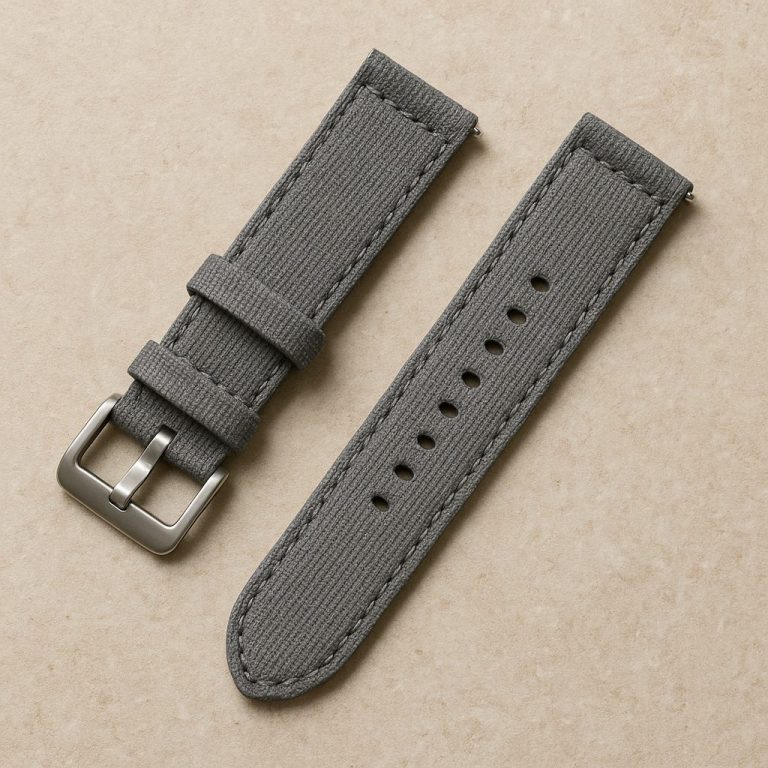
| Fabric (Nylon/Nylon Blend) | Low | Lightweight, breathable; weave density and texture affect feel |
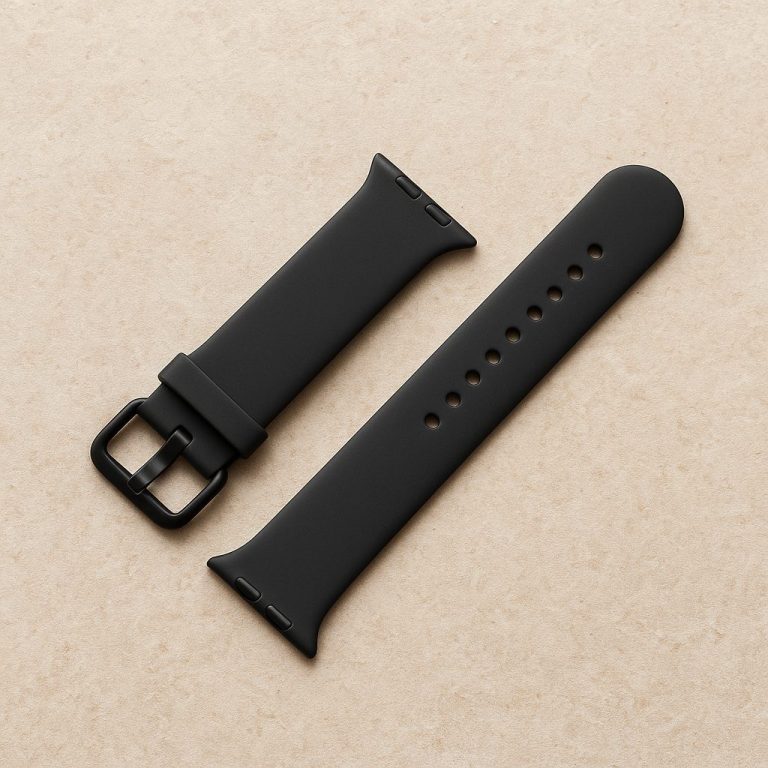
| Silicone/Rubber | Very Low | Soft, water-resistant, easy to clean |
Fabric bands made from nylon or blended synthetics tend to be gentle on arm hair, especially if the weave is dense and smooth. Some are thicker or have a softer texture, which can further reduce friction. Leather and silicone bands rarely cause hair pulling because they have a solid surface and conform to the wrist.
Checking Watch Band Attachment Quality
While the issue mainly lies in the band itself, the way the band attaches to the watch case can also contribute. Metal bands are usually connected using spring bars or, in some designs, quick-release pins. If the attachment points are loose or the band is not properly secured between the lugs (the protruding arms on the watch case), the band may shift more than normal, increasing movement and the chance of hair getting caught. Ensuring the attachment is snug and the band is installed correctly can help minimize unnecessary movement.
When a Metal Band Is the Preferred Choice
For those who prefer the appearance and durability of a metal band, small modifications can make a big difference. If the current band continues to pull hair despite adjustments, consider seeking a band with smoother, tightly fitted links or a denser mesh. Watch repair shops can sometimes polish rough spots or replace a problematic clasp. Even something as simple as wearing the watch on a part of the arm with less hair can reduce discomfort. These steps allow continued use of a metal band while minimizing irritation.
Key Outcome for Comfort
Metal watch bands can pull arm hair due to small gaps or rough edges, especially when the fit is not optimal. Adjusting the fit, maintaining the band, and considering the construction of links or mesh can significantly reduce this problem. If discomfort persists, switching to a different band material or style may be the most effective solution for everyday comfort.