How wrist hair affects watch comfort and movement
How Wrist Hair Can Change the Way a Watch Feels and Moves
Sliding a metal watch onto a hairy wrist sometimes leads to tugging or pinching, especially when the band flexes with wrist movement. For some, wrist hair seems to catch in the links or under the clasp, making the watch feel less comfortable during daily activities like typing, exercising, or adjusting clothing. This kind of discomfort can influence how often a watch gets worn, or how tightly it’s fastened.
Physical Interaction Between Wrist Hair and Watch Bands
Wrist hair grows in varying lengths and densities, often spreading across the area where a watch sits. When a watch band is snug, hair can flatten against the skin. If the band shifts or moves, hair may be pulled or caught. The degree of discomfort depends on several factors:
- Band Material — Metal, leather, fabric, and silicone all interact with hair differently.
- Band Construction — Gaps, flexibility, and texture can allow hair to catch or glide freely.
- Wrist Hair Length and Density — Coarser or longer hair is more likely to be affected.
Even the smallest movement of the watch—such as rotating the wrist or tightening a fist—can cause a pulling sensation if hair is trapped between the skin and band.
Common Sources of Discomfort
Several specific issues tend to arise for those with prominent wrist hair:
- Pinching: Especially noticeable with metal bracelets, as hair can slip between links or under folding clasps.
- Pulling: Occurs when a watch band moves and catches individual hairs, leading to sharp, brief pain.
- Chafing: Bands that trap hair against the skin, particularly during sweaty or humid conditions, may cause irritation over time.
How Different Band Materials Affect Hair Comfort
The interaction between wrist hair and watch comfort depends heavily on the band’s material and design. Here’s a look at how each major material typically behaves:
| Band Material | How It Affects Wrist Hair | Common Movement Issues |
|---|---|---|
| Metal (usually stainless steel) | Hair can slip between links or get caught in small gaps. Solid-link bracelets reduce this, but some expandable or flexible styles increase the risk. | Pulling or pinching during wrist movement, especially if the band is loose or shifts easily. |
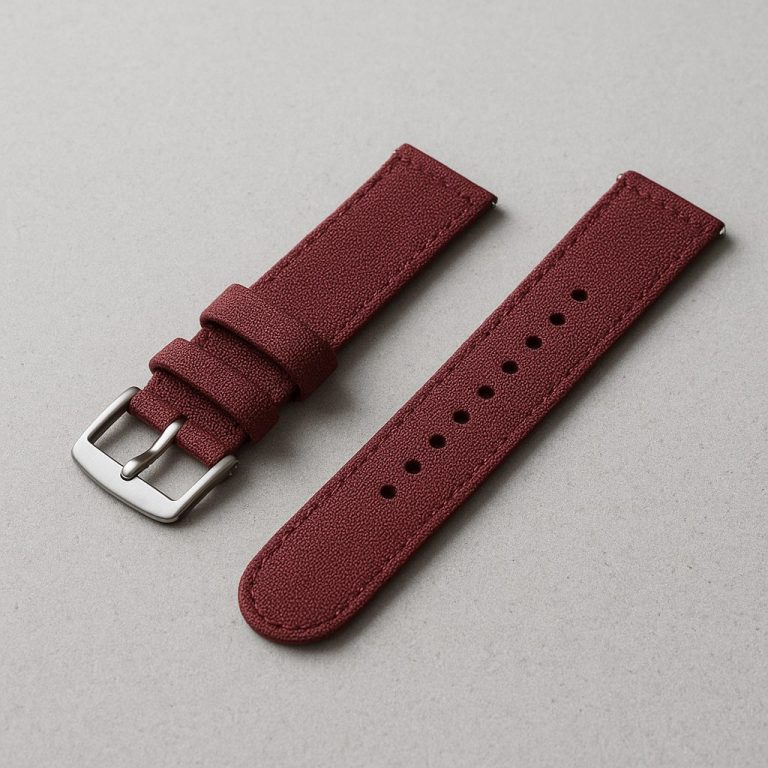
| Leather | Generally sits flat against the skin, compressing hair without trapping it. Edges or stitching may rub if the band is stiff. | Chafing possible if sweat accumulates, but less likely to pull hair. |
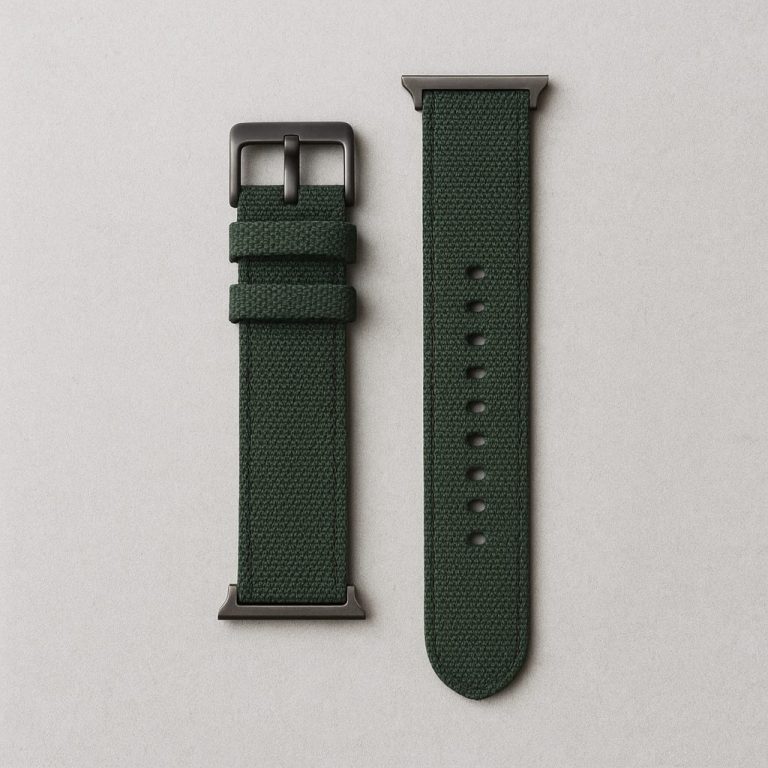
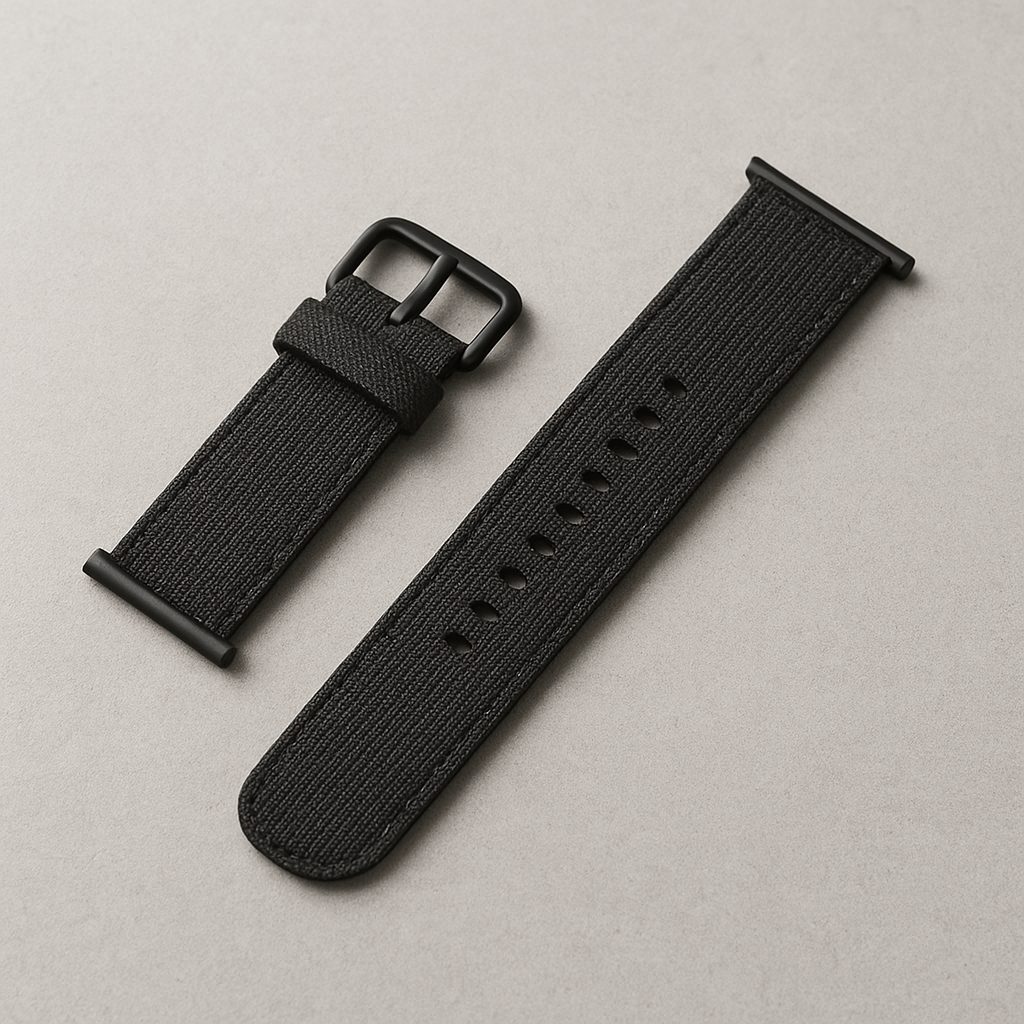
| Fabric (mainly nylon blends) | Flexibility and weave density make a difference. Tightly woven, smooth nylon bands tend to slide over hair, while thicker or rougher textures may catch or compress hair more. | Some friction or chafing if the fabric is thick or has a coarse surface, but hair pulling is rare. |
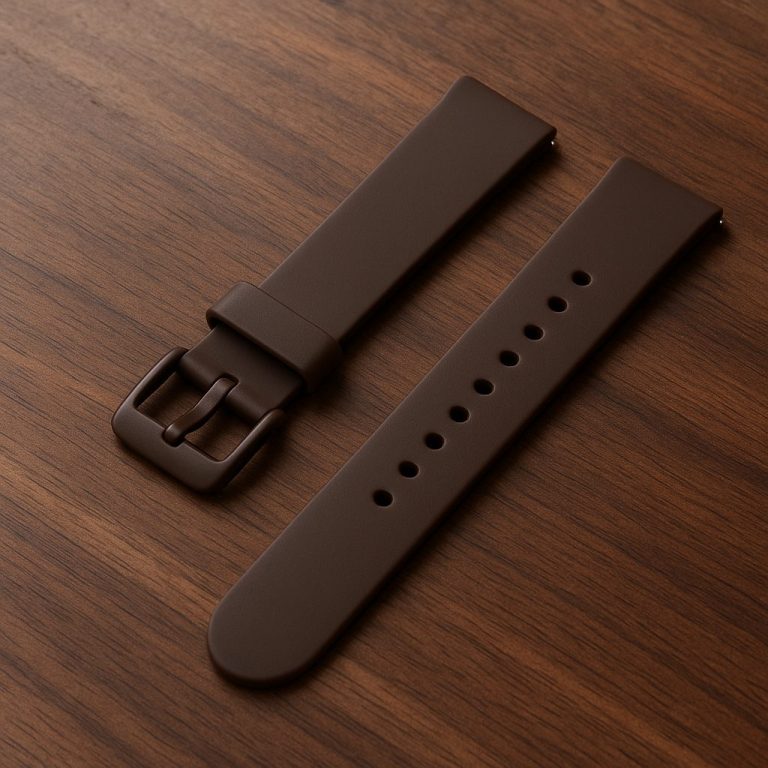
| Silicone | Soft and flexible, silicone bands usually press hair flat against the skin. However, stickiness can cause hair to tug, especially if the wrist sweats. | Stick-slip sensation during movement; not as likely to pinch, but can pull hairs when adjusting the band. |
Metal Bands and Hair: Why Pinching Happens
Stainless steel is the most common metal used for watch bands due to its durability and corrosion resistance. On wrists with more hair, metal bracelets—especially those with many small links or gaps—can trap hair between the links. Expansion bracelets, which stretch to fit over the hand, are particularly prone to pulling hair as they contract and expand. Even solid-link bracelets can occasionally catch a stray hair in the gap between links or near the clasp. Adjusting the bracelet’s tightness can sometimes help; a snug fit reduces shifting, but too tight can lead to discomfort or skin irritation.
Leather and Fabric Bands with Wrist Hair
Leather bands, whether smooth or textured, typically lay flat against the skin and compress hair underneath. This minimizes pulling, but stiffer leather can sometimes rub against the skin and hair at the edges. Fabric bands, which are often made from nylon or nylon blends, vary in how they interact with hair. For example, a thick, densely woven nylon band slides more smoothly over hair and is less likely to catch, while a loose or rough weave may be more abrasive as the band moves. Certain stretchy fabric bands can compress hair tightly, but this rarely results in pulling.
Silicone Bands and Hair Stickiness
Silicone bands are valued for their softness and flexibility, but their surface can sometimes cling to hair, especially if the skin is damp. This “stick-slip” effect means the band may resist minor movements, then suddenly slide and tug hairs. Wearing a silicone band slightly looser than usual or occasionally moving it to a different position on the wrist can reduce discomfort during long periods of wear.
Impact of Watch Movement on Hair Comfort
The way a watch moves during daily activities also affects how it interacts with wrist hair. A watch that shifts up and down the arm, or rotates side to side, increases the chance of hair being pulled or pinched. Sudden wrist movements, such as flexing or twisting, may pull trapped hairs if the band or clasp is in contact with them. This is particularly noticeable when wearing a watch loosely, or when the band material is prone to sticking or shifting (as with certain metal or silicone bands).
Adjusting Band Fit for Hair Comfort
Finding the right balance between snugness and comfort can help. A band that is too tight may press hair uncomfortably against the skin, increasing chafing and sweat buildup, while a loose band allows more movement and greater risk of pulling. For those with thicker wrist hair, opting for a band with a flatter profile and smooth underside—whether leather, tightly woven nylon, or certain types of silicone—can minimize discomfort. Sometimes, slightly rotating the watch so the clasp or buckle sits where hair is less dense can also help.
Practical Considerations for Daily Wear
Choosing the best band for comfort with wrist hair often requires a bit of trial and error. For instance, someone who experiences frequent pinching with a metal bracelet might switch to a leather strap for office wear, then use a silicone band for exercise. Others might find that trimming wrist hair under the band area reduces discomfort, especially if hair is long or coarse. It can also help to clean both the watch and the band regularly, as sweat and skin oils may increase stickiness or chafing.
What to Expect When Wearing a Watch Over Wrist Hair
Wrist hair can noticeably affect how comfortable a watch feels and how much it shifts during wear. The choice of band material, its construction, and how it fits on the wrist all play a role in whether hair is compressed, pulled, or pinched. Those with thicker or longer wrist hair may need to pay closer attention to these factors to ensure that their watch remains comfortable throughout the day. Adjusting the band fit or switching materials based on daily activities can help reduce discomfort and keep the watch sitting securely without unnecessary irritation.