Why some watches feel more comfortable after a break-in period
Why a New Watch May Feel Stiff or Uncomfortable at First
After putting on a new watch, some people notice that the band feels stiff, awkward, or even causes mild discomfort during daily activities. The watch might shift on the wrist, press into the skin, or require frequent adjustment, especially during the first few days of wear. Over time, however, that same watch often becomes noticeably more comfortable, seeming to “mold” to the wrist and sit more naturally. The reason for this change lies in how both the materials and the structure of watch bands adapt with use.
How Watch Band Materials Respond to Wear
Not all watch bands break in the same way. The sensation of increased comfort after a break-in period is influenced by the specific material of the band, its construction, and how it interacts with the wearer’s wrist. Here’s a closer look at what happens with the most common types of watch bands:
Leather Bands
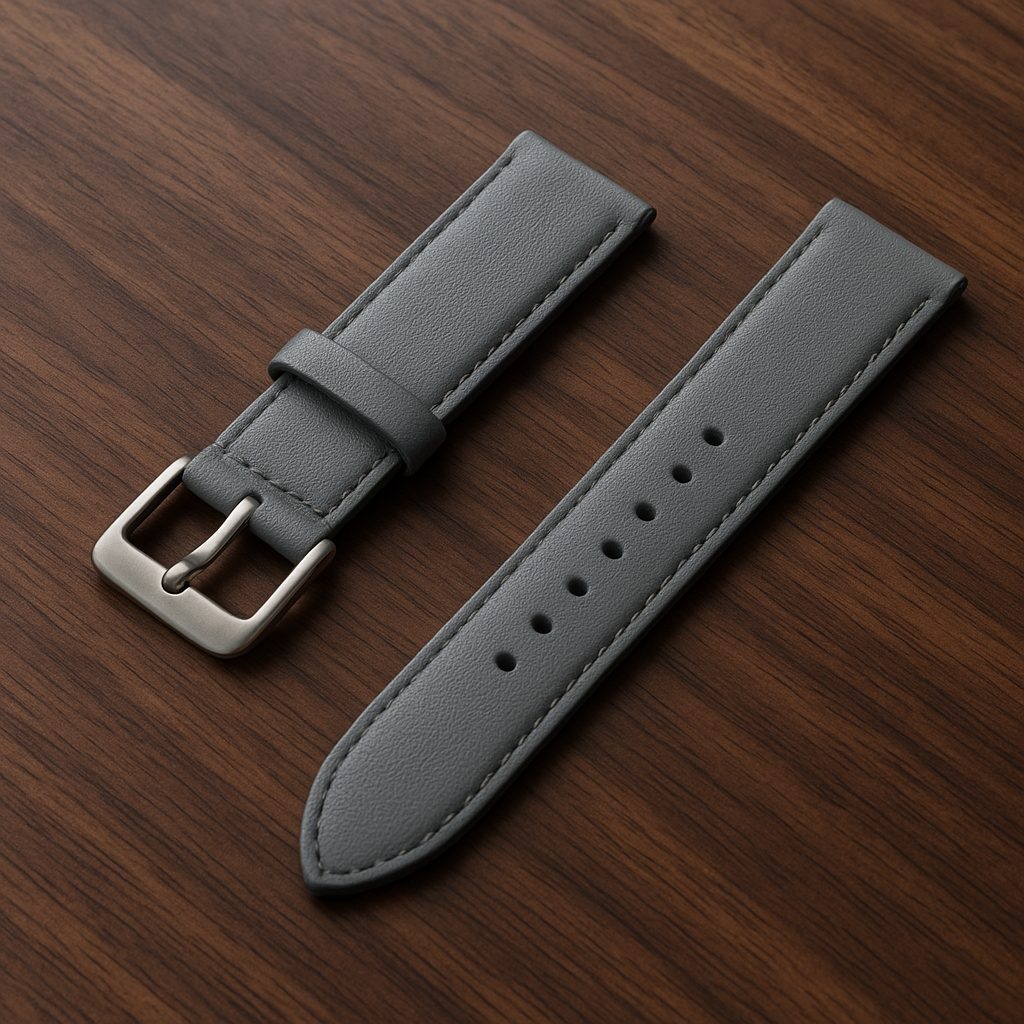
Leather is known for its ability to soften and conform over time. When new, leather bands often feel rigid and may not sit flush against the wrist. This is because the leather fibers are tightly packed and have not yet stretched or flexed to match the shape of the individual wearer’s wrist. As the band is worn, the warmth and moisture from the skin, combined with repeated bending and movement, gradually relax the fibers. The leather becomes more supple and develops a natural curve that fits the wrist comfortably. This process can take several days to a few weeks, depending on the thickness and type of leather used. For people who find a new leather band stiff, wearing it regularly—even around the house—can help accelerate this break-in process.
Metal Bracelets
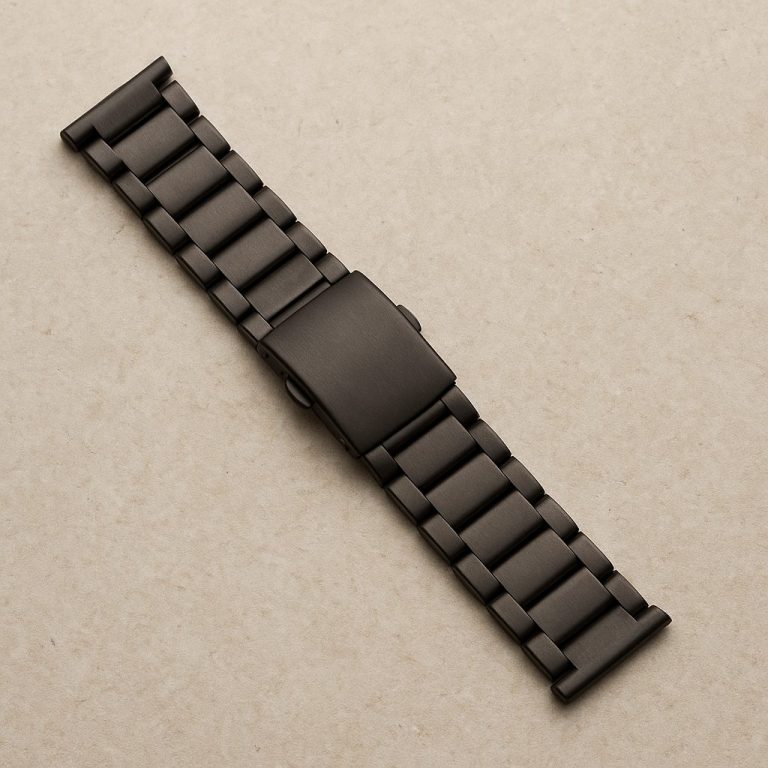
Metal watch bands, most commonly made from stainless steel for its durability and resistance to corrosion, usually do not “break in” in the same way as leather. However, metal bracelets can feel awkward at first, especially if the links are tight or if the fit isn’t adjusted properly. As the bracelet moves and flexes with wrist motion, the links may loosen slightly, resulting in smoother articulation and a less restrictive feel. The skin and hair on the wrist can also “get used to” the presence of a metal band, reducing any initial minor irritation. Regular wear can also help spot areas where micro-adjustments are needed, such as adding or removing links for a better fit.
Fabric Bands (Nylon and Nylon Blends)
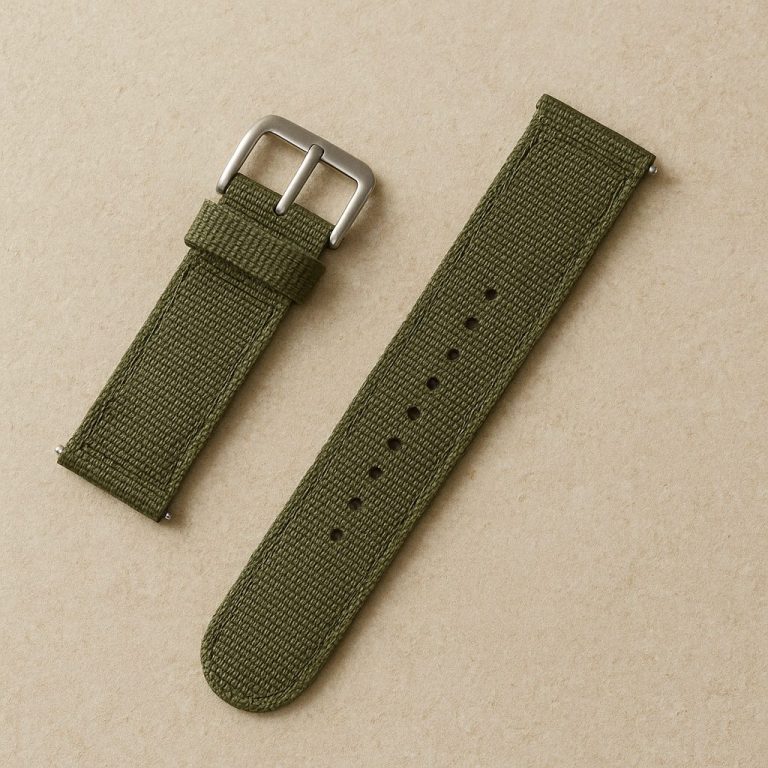
Most fabric watch bands are made from nylon or blends that include nylon for strength and flexibility. The comfort of a new fabric band depends on factors such as weave density, thickness, and texture. Tightly woven or thicker bands may initially have a stiffer feel, while looser, more elastic weaves can feel comfortable right away. Over time, fabric bands tend to soften and drape more naturally around the wrist, especially in areas where the band bends (such as near the clasp or buckle). The break-in period for fabric bands is often shorter than leather, though some denser or more structured designs may need a few days to become fully pliable.
Silicone Bands
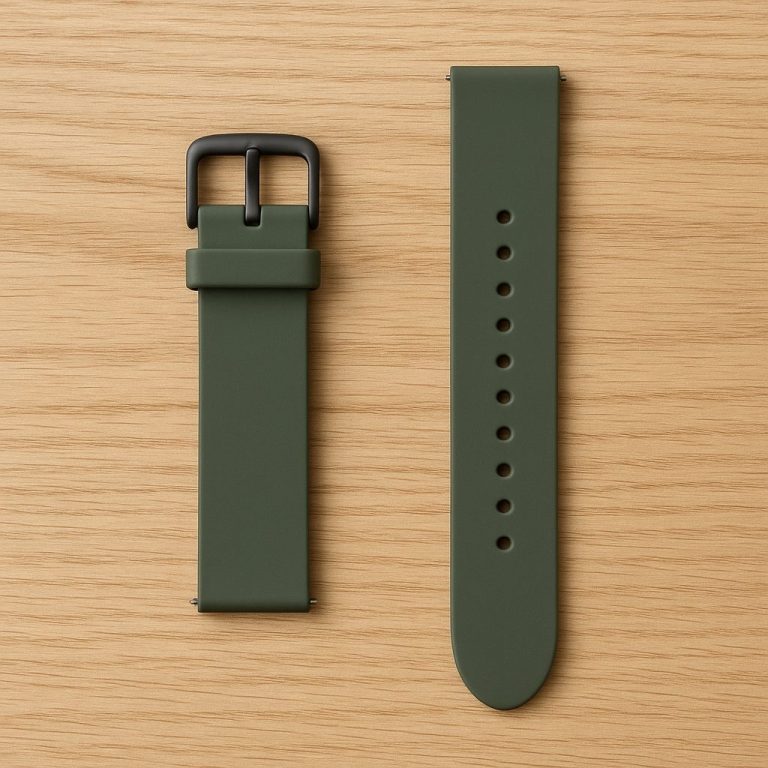
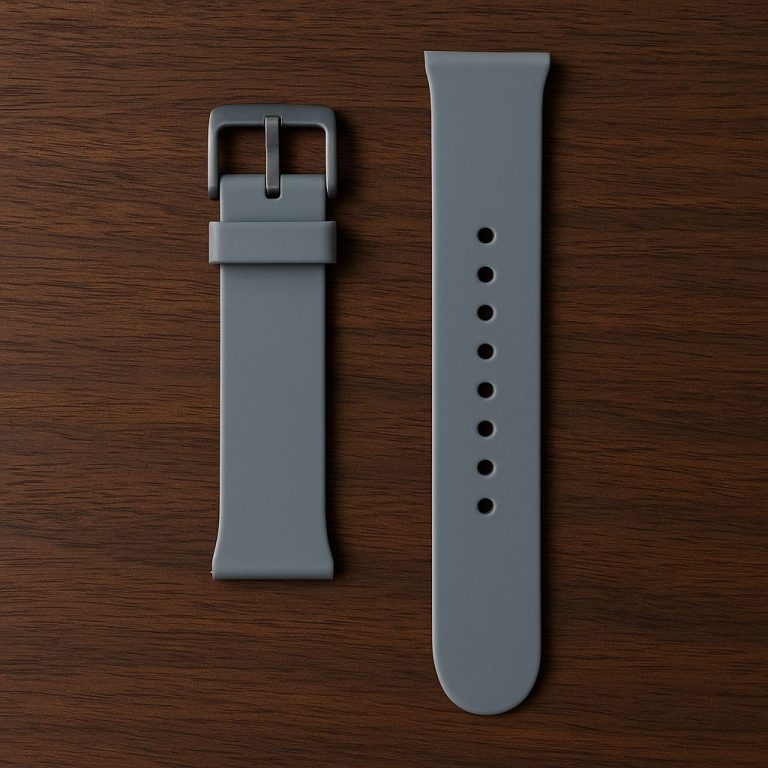
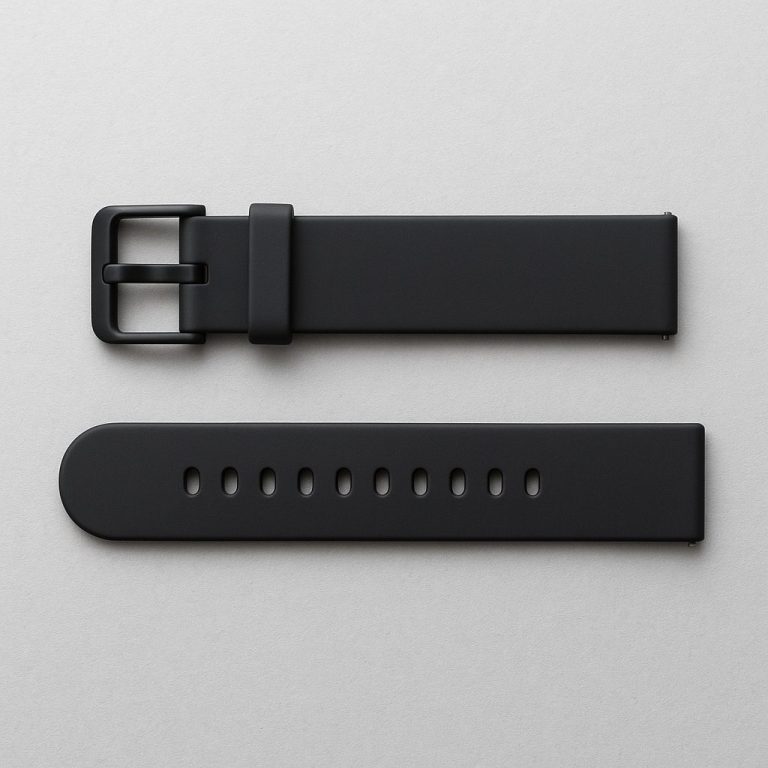
Silicone bands are popular for their flexibility and water resistance, but even these can feel snug or slightly tacky on the skin when new. The initial stiffness is usually minimal, but body heat, movement, and regular wear help the silicone relax and contour more closely to the wrist. Over time, the sensation of the band against the skin becomes less noticeable, and any minor discomfort from tightness or friction tends to fade. If a silicone band feels too snug at first, loosening it by one adjustment hole or periodically removing it can allow the material to relax more gently.
Role of Fit and Adaptation Over Time
The way a watch band interacts with skin, hair, and the underlying shape of the wrist also changes as it adapts to regular use. New bands—especially those made from stiffer leather or fabric—may not perfectly match the wrist’s contours. As the material softens, it more readily follows the natural curves of the wrist, reducing pressure points and minimizing shifting during movement. Even metal bracelets, though not as flexible as leather or fabric, may become more comfortable as the links settle and the clasp position is fine-tuned.
Additionally, the skin itself can become accustomed to a watch band’s presence. Any initial redness, pressure marks, or mild irritation often subside after a few wears, as both the band and the skin adapt to each other.
Factors That Affect the Break-In Process
Several factors influence how quickly and effectively a watch band becomes more comfortable:
- Material type: Leather generally takes the longest to break in, while silicone and some flexible fabrics adapt more quickly.
- Band thickness and construction: Thicker, denser bands (in any material) may remain stiff longer before softening.
- Frequency and duration of wear: Wearing the watch daily will speed up the break-in process compared to occasional use.
- Environmental conditions: Warmth and moisture from skin can accelerate the softening of leather and fabric bands, though excessive moisture can damage certain materials if not cared for properly.
Comparing the Break-In Experience by Material
| Band Material | Typical Break-In Time | Comfort Improvement |
|---|---|---|
| Leather | Several days to weeks | Significant, becomes supple and forms to wrist |
| Metal (stainless steel) | Minimal (may loosen slightly over days) | Mild, as links articulate more smoothly |
| Fabric (nylon/nylon blend) | Several wears to a week | Moderate, as material softens and drapes better |
| Silicone | Few wears | Mild to moderate, as material relaxes |
What to Expect and How to Encourage Comfort
It’s normal for a new watch to feel less comfortable at first, especially if the band is made from materials that benefit from a break-in period. Allowing time for the band to adapt—by wearing it regularly but not too tightly—usually leads to improved comfort. For those who want to avoid discomfort, choosing a band made from materials that soften quickly, such as certain fabric weaves or silicone, can reduce the adjustment period. If a leather band feels too stiff, gently flexing it by hand (without over-bending) or wearing it over a sleeve for short periods can help it soften more quickly. For metal bracelets, ensuring a proper fit by adjusting the links can minimize early discomfort while the bracelet settles.
How Break-In Can Affect Your Watch Experience
Understanding why some watches feel more comfortable after a break-in period helps set realistic expectations when wearing a new timepiece. The change in comfort isn’t just subjective—it’s a result of real, physical adaptation in the materials and the way the band fits your individual wrist. With regular use and a little patience, most watch bands become much more comfortable, making daily wear an effortless part of your routine.