When to switch watch bands for different activities during the day
Matching Watch Bands to Your Daily Routine
After a morning workout, sweat often lingers on a silicone band, while a leather strap might feel damp and uncomfortable if worn during exercise. Later, as work meetings call for a more classic look, a metal bracelet or a dark leather band can seem more appropriate, yet these may not feel right for an evening walk or a trip to the gym. The need to switch watch bands throughout the day is often driven by how the material responds to different activities, environments, and styles.
How Activity Influences Band Choice
Daily routines often involve a mix of movement, environmental changes, and social contexts. The watch band that feels right in one setting can become impractical in another. Knowing when and why to switch bands can help maintain comfort, preserve your watch, and coordinate with your attire.
Physical Activity and Exercise
During physical activities—whether it’s a gym session, a run, or gardening—your watch band is exposed to sweat, moisture, and repeated movement. Silicone bands are a practical choice here because they are water-resistant, easy to clean, and flexible. Metal bracelets, typically made from stainless steel for durability and corrosion resistance, can feel heavy or slip with sweat, while leather bands are prone to absorbing moisture and may develop odors or stains over time. Fabric bands, often made from nylon or nylon blends, can work for exercise if they are tightly woven and quick-drying, but softer or thicker weaves may hold sweat and become uncomfortable.
Office or Professional Settings
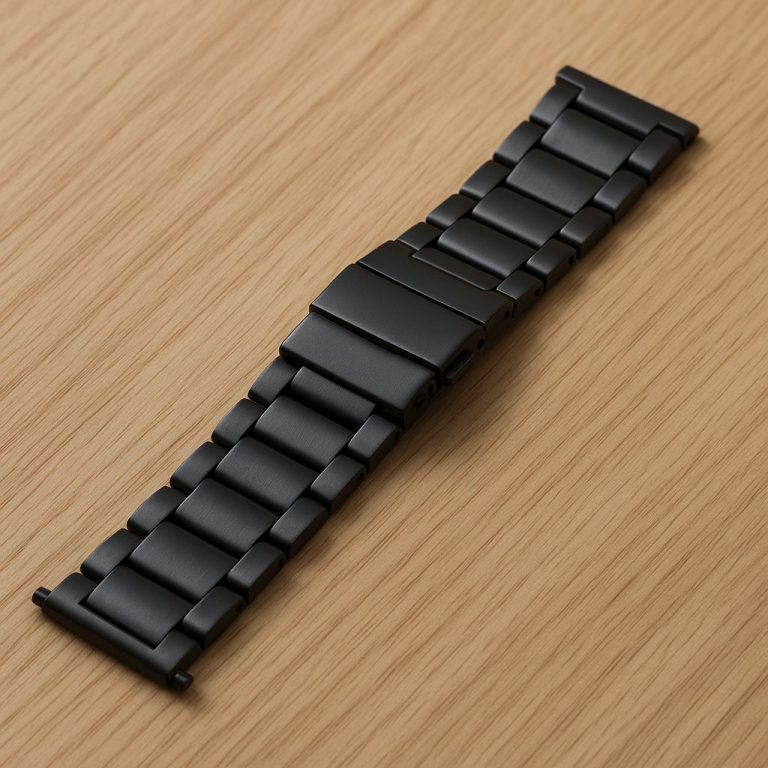
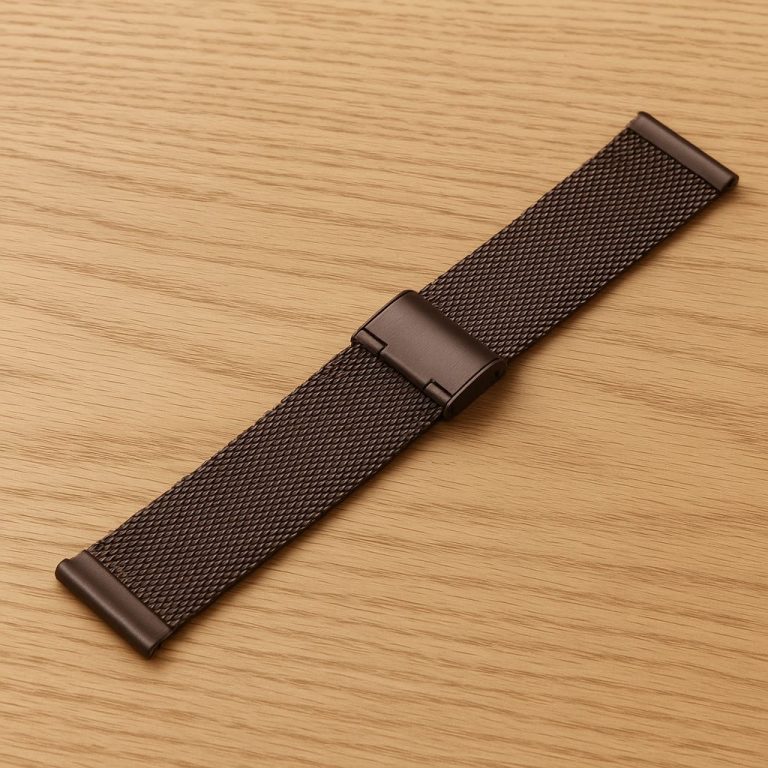
After exercise, switching to a more formal band can be appropriate for a professional environment. Leather straps, especially those with a fine finish, add a touch of classic style and pair well with business attire. Metal bracelets also fit most workplaces, offering a polished, versatile appearance. Fabric bands with a smooth, dense weave can look refined, especially in darker colors, but may not suit strictly formal dress codes as well as leather or metal.
Outdoor and Casual Activities
For errands, casual gatherings, or outdoor relaxation, comfort and practicality often take priority. Silicone bands remain a good choice for humid or unpredictable weather, as they resist water and are simple to wipe clean. Nylon fabric bands, particularly those with a medium weave and some elasticity, provide breathability and a relaxed appearance. Metal bracelets can be worn, but may get hot or cold depending on the weather, and leather may show wear if exposed to sunlight or moisture for extended periods.
Evening Events and Special Occasions
Social dinners, dates, or special occasions often call for a more coordinated look. Leather bands in neutral or rich tones and polished metal bracelets help dress up a watch. For those who prefer fabric, select a band with a fine weave and minimal texture in a subtle color. Silicone bands are typically less suited for formal wear, but some slim, matte-finish options can blend in with modern, minimalist outfits.
Key Times to Switch Bands
The need to change a watch band is usually prompted by shifts in activity, environment, or dress code. Below is a simple table outlining when a switch might be advisable:
| Situation | Switch Recommended? | Suggested Band Types |
|---|---|---|
| After exercise | Yes | Leather, metal, dense-weave fabric |
| Before physical activity | Yes | Silicone, quick-drying nylon fabric |
| Transition to office | Often | Leather, metal |
| Casual weekend outing | Optional | Fabric, silicone, metal |
| Formal event | Yes | Leather, polished metal, subtle fabric |
Practical Factors for Switching Bands
Several practical cues can indicate when it’s time to switch your watch band:
- Moisture: If your band is damp from sweat or water, consider switching to a dry band to prevent skin irritation or band damage.
- Odor or residue: Leather and fabric can absorb sweat and oils. If you notice a smell or buildup, it’s time for a change and a clean.
- Visible wear: Fraying, discoloration, or cracking are signs the band should be swapped out, especially before a more formal occasion.
- Comfort: If a band feels too tight during activity or too loose at rest, a different material or style may fit better for the task.
- Weather changes: Metal can become hot or cold with the environment. Silicone and nylon are less affected and may be more comfortable outdoors.
Fabric Bands: Key Differences
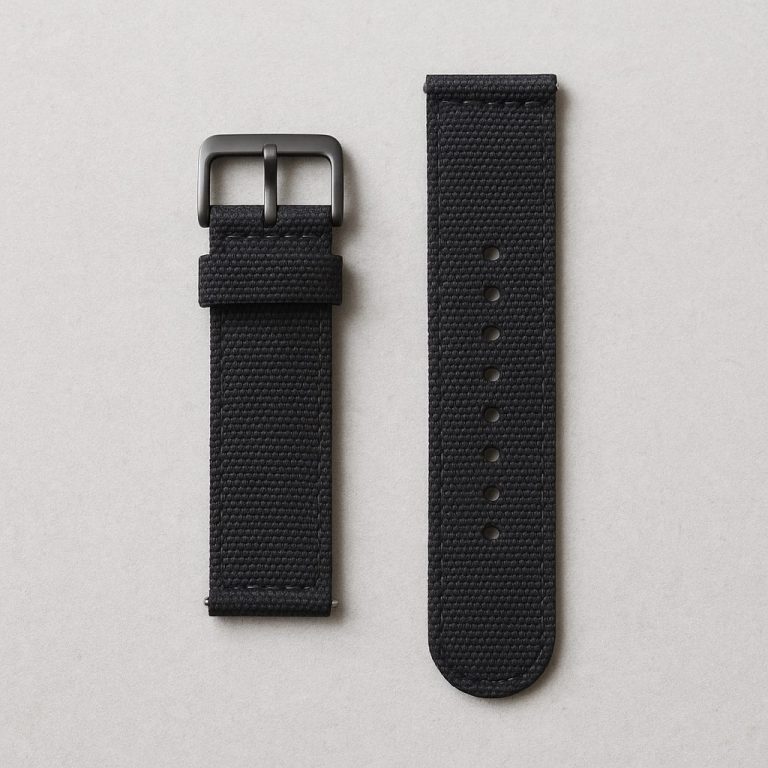
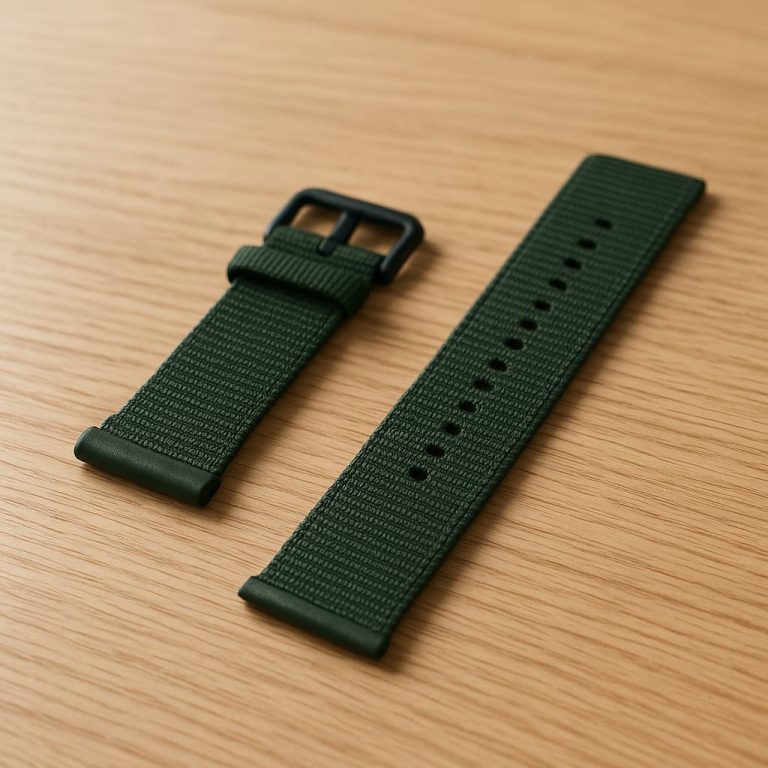
Most fabric watch bands are made from nylon or blends that include nylon. The weave density, thickness, and elasticity can vary widely. A tightly woven nylon strap dries quickly and resists snagging, while a more elastic or thicker weave can feel softer but may hold more moisture. Textured or loosely woven bands provide extra breathability but may be less suitable for formal wear.
Making Quick Changes: Practical Tips
Some watches use quick-release pins that make swapping bands simple and tool-free, while others rely on spring bars that may require a small tool for removal. If you plan to change bands several times a day, choosing bands with an easy attachment mechanism can save time and reduce wear on the watch case lugs. Keep replacement bands in a dedicated case or drawer to prevent scratches or tangling, and clean bands regularly to maintain comfort and appearance.
Adapting Your Watch for Each Part of the Day
Switching watch bands as you move through different activities helps maintain comfort, extends the life of your bands, and ensures your watch always fits the occasion. By matching the band material to your planned tasks—whether it’s a workout, a day in the office, or an evening out—you can make the most of both function and style throughout the day.