How watch band thickness affects the overall look and feel of a watch
The Visual Impact of Watch Band Thickness
When someone tries on a watch, the thickness of the band is often one of the first details that shapes their impression. Imagine a slim, dress-style watch paired with a chunky, thick band or a robust diver’s watch with a thin, delicate strap. These mismatches can make the watch look awkward or out of place, highlighting how band thickness plays a crucial role in the overall look and feel of a timepiece.
How Band Thickness Shapes Watch Appearance
The thickness of a watch band directly affects how the watch is perceived on the wrist. Thicker bands generally create a bolder, more substantial look, while thinner bands tend to appear more refined and understated. The visual balance between the watch case and the band is essential for an appealing look.
Proportion and Case Size
Band thickness should be considered alongside the size of the watch case. For large, heavy cases, a thin band may look out of proportion and can even affect comfort and stability. Conversely, a small, slim watch case paired with a thick band can visually overwhelm the design. Many watch enthusiasts match band thickness to the visual weight of the watch case for a harmonious appearance.
| Case Size | Recommended Band Thickness | Visual Effect |
|---|---|---|
| Small (30-36mm) | Thin (1.5-2.5mm) | Refined, elegant |
| Medium (37-41mm) | Medium (2.5-3.5mm) | Balanced, versatile |
| Large (42mm+) | Thick (3.5mm+) | Bold, sporty |
Band Thickness and Comfort
Comfort on the wrist is influenced by the thickness of the watch band, regardless of the material. Thick bands can provide extra support for heavy watches, helping them sit securely. However, if a band is too thick, especially on a smaller wrist, it may feel stiff or restrict movement. A thinner band tends to be more flexible and lightweight, which can be preferable for smaller wrists or for those who prioritize comfort over durability.
Material Matters
Different materials interact with thickness in unique ways, affecting both comfort and appearance:
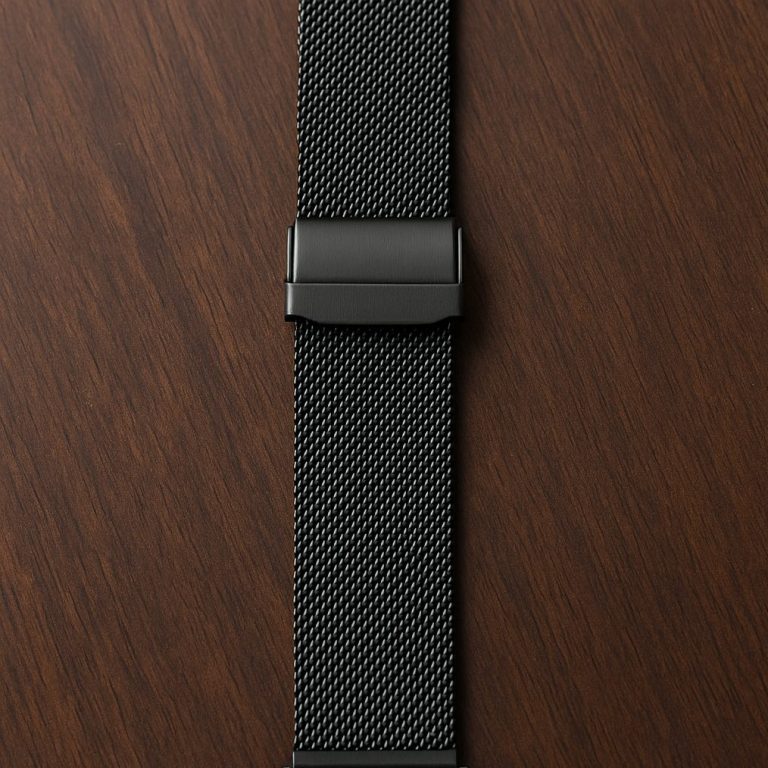
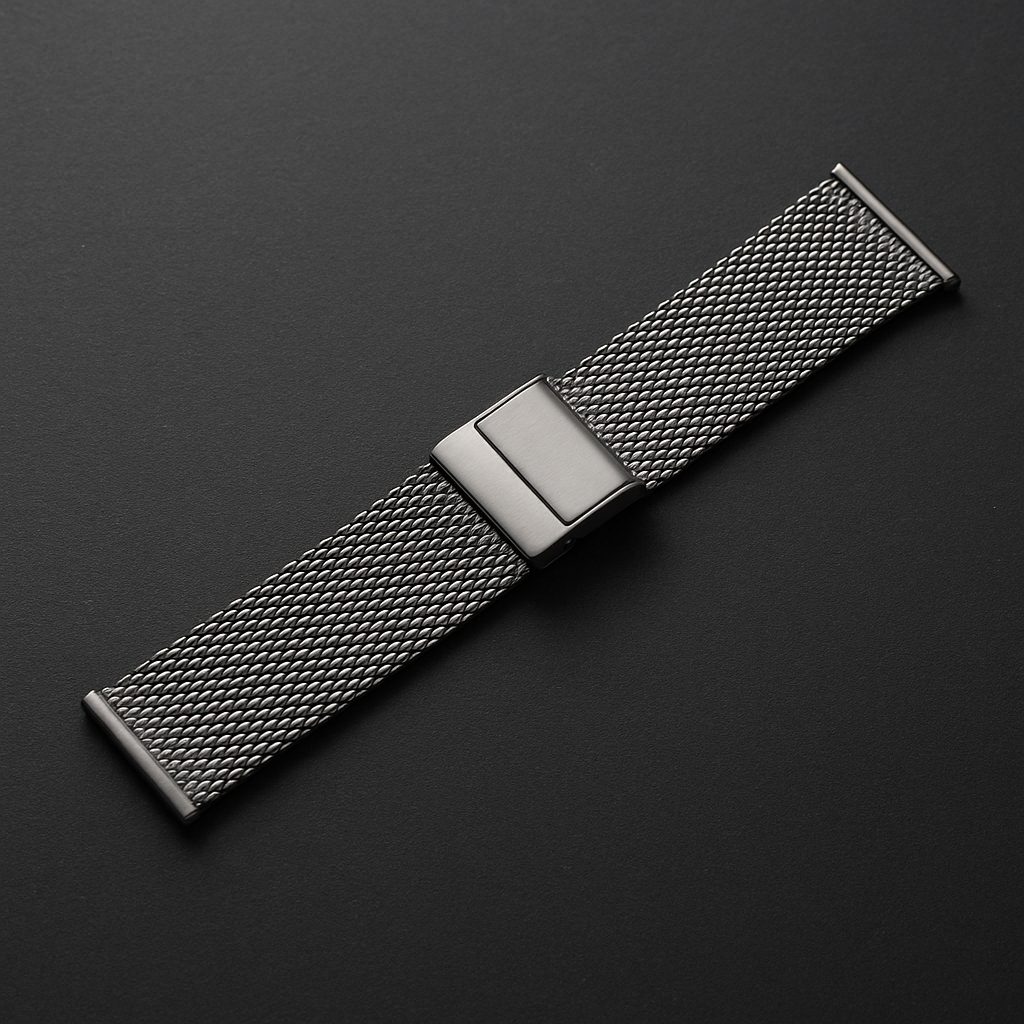
- Metal bands: Most metal bands are made from stainless steel because it is durable and resists corrosion. Thicker metal bracelets usually have a more substantial presence and are well-suited to larger watches. However, excessive thickness can make the bracelet feel heavy and less breathable. Thinner metal bands, often found on elegant or vintage-inspired watches, enhance a refined look but may not offer as much support for heavy cases.
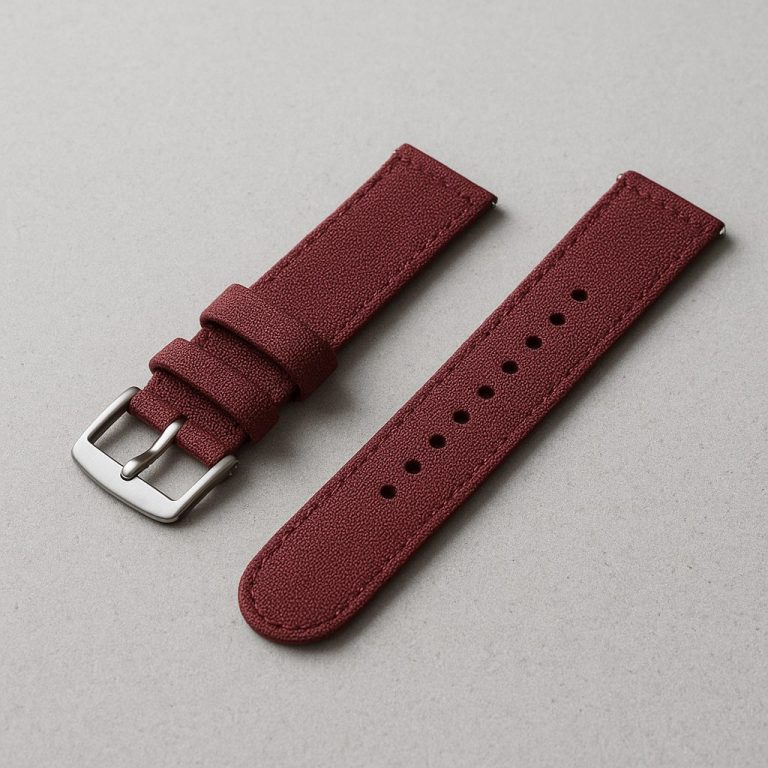
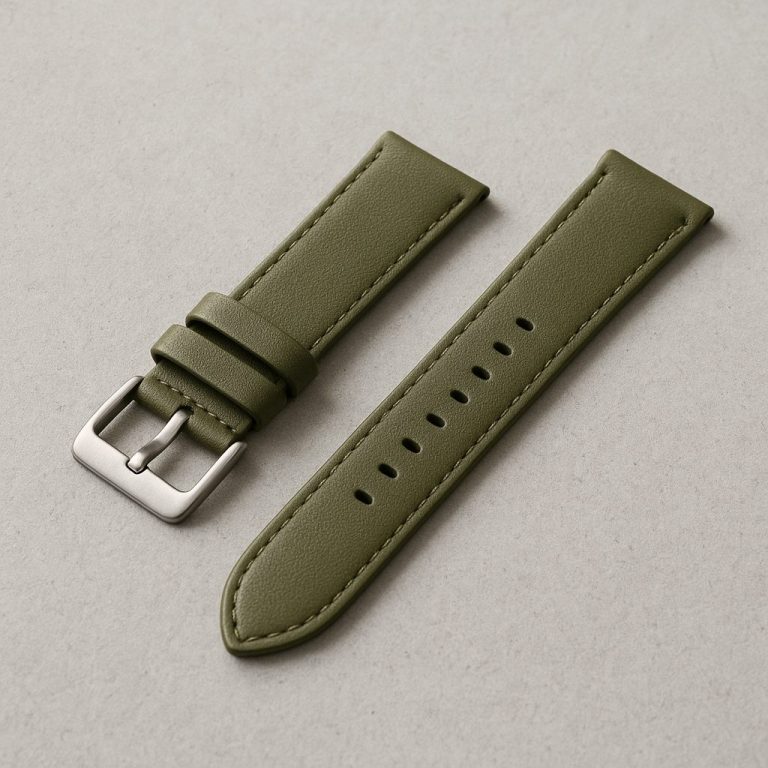
- Leather bands: Thick leather bands often have reinforced stitching and are designed for durability, making them suitable for larger or sportier watches. A thinner leather strap creates a dressier, lighter appearance and molds more quickly to the wrist. The thickness also influences how the leather ages and develops character over time.
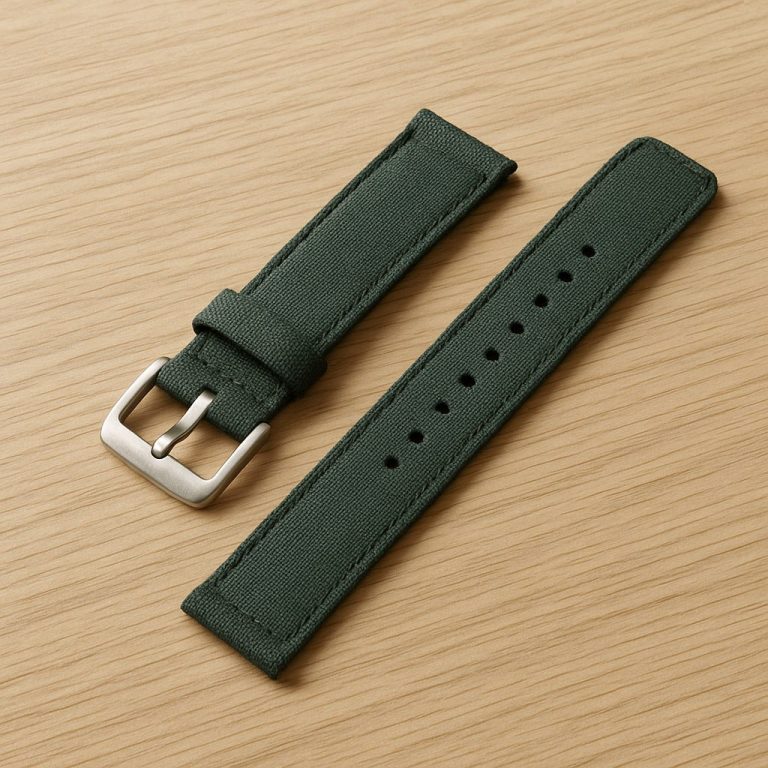
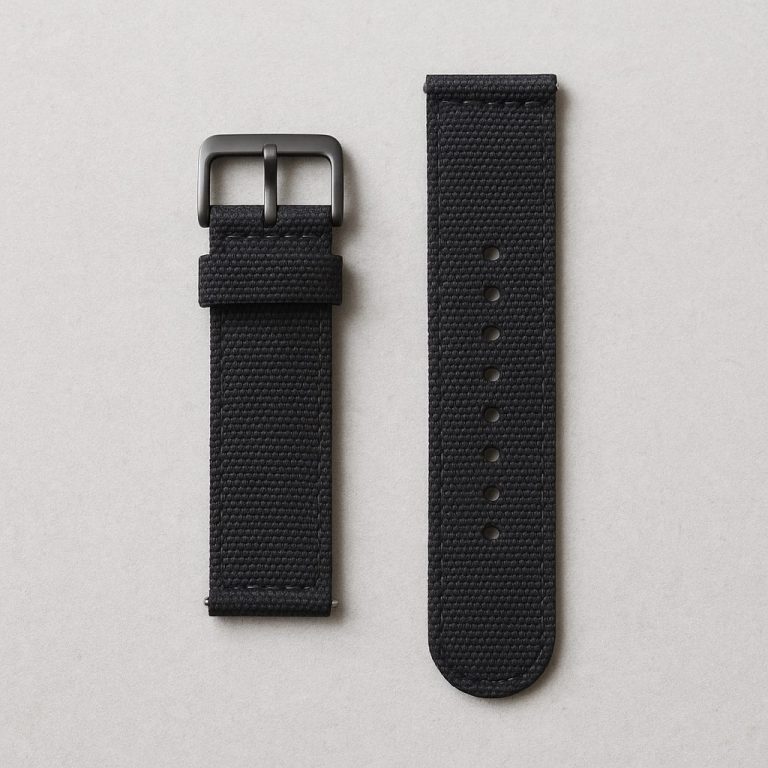
- Fabric bands: Most fabric watch bands are made from nylon or nylon blends. Weave density, elasticity, and thickness can vary significantly. A densely woven, thicker nylon band can provide stability for heavier watches and a rugged look, while a thinner, more elastic nylon band feels lighter and adapts easily to wrist movement. Texture and weave style also impact how the band looks and feels.
- Silicone bands: Silicone bands are popular for sports and casual watches. Thicker silicone bands offer durability and shock absorption, which is helpful during physical activity. However, a thick silicone band might trap more heat and moisture. Thinner silicone bands are less obtrusive and can be more comfortable for all-day wear, especially in warmer environments.
Perceived Quality and Style
Band thickness can also shape perceptions of quality and intended use. Thicker bands often align with sport or tool watches, projecting durability and robustness. They’re commonly associated with watches designed for active or outdoor use. Thin bands, on the other hand, are usually found on dress or fashion watches, where sleekness and subtlety are priorities. The band thickness can instantly communicate whether a watch is meant to be rugged and functional or elegant and understated.
Real-World Example
For instance, someone might swap a thick, rugged nylon strap for a thin leather band when wearing the same watch to a formal event. This small change alters both the comfort and the impression the watch gives, demonstrating how band thickness can be adapted to suit different occasions.
Compatibility with Watch Attachments
It’s important to consider how band thickness interacts with the watch’s attachment components. Watch cases feature lugs, which are the projections where the band is fitted. The attachment mechanism, such as spring bars or quick-release pins, must accommodate the band’s thickness. A band that’s too thick may not fit properly between the lugs or may put stress on the spring bars, while a very thin band could result in a loose or unstable fit. Ensuring that the thickness of the band is compatible with the watch’s attachment system helps maintain both security and appearance.
Practical Takeaway
Choosing the right watch band thickness enhances both the style and comfort of a watch. Matching the band’s thickness to the case size and intended use leads to a more cohesive and comfortable result. Whether the goal is to create a bold statement with a thick band or to achieve a subtle, refined look with a thinner one, understanding how thickness affects the overall experience will help in making informed decisions for any watch-wearing situation.