How different watch band shapes affect wrist pressure distribution
How Watch Band Shapes Influence Wrist Discomfort During Daily Activities
After wearing a watch for several hours at a desk, some people notice red marks or soreness on the inside or outside of their wrist. Others find that their watch shifts position as they move, creating uneven pressure that leads to discomfort. These experiences are often linked not just to the material or tightness of the band, but to the actual shape and structure of the watch band itself.
What Does “Watch Band Shape” Mean?
The shape of a watch band refers to its cross-sectional profile, contour against the wrist, and overall flexibility. While some bands lay completely flat and flexible, others are curved, segmented, or feature pronounced edges. These physical characteristics determine how the band distributes pressure across the wrist when fastened.
Common Watch Band Shapes and Their Effects on Pressure Distribution
Different watch band shapes interact with the wrist’s anatomy in distinct ways. Here is a practical comparison of typical shapes and their influence on pressure distribution:
| Band Shape | Description | Pressure Distribution | Typical Materials |
|---|---|---|---|
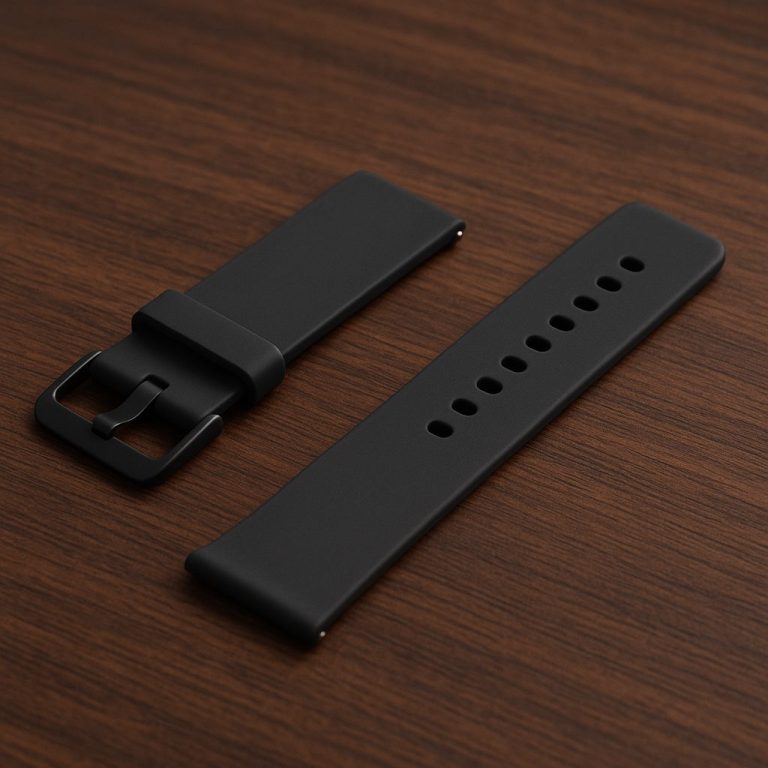
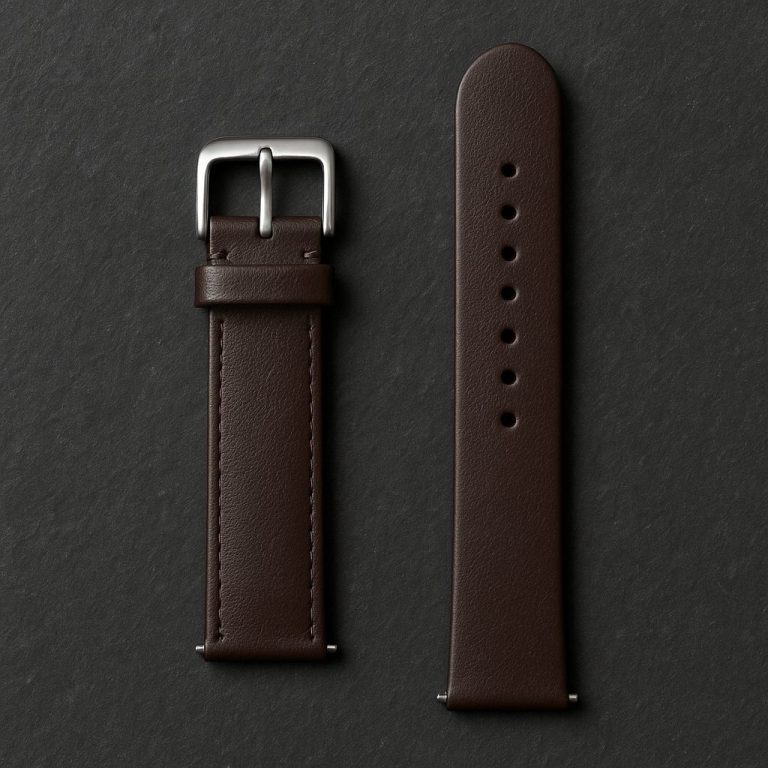
| Flat, Flexible | Lays flat, easily contours to wrist | Even, broad surface contact | Leather, most fabric bands, silicone bands |
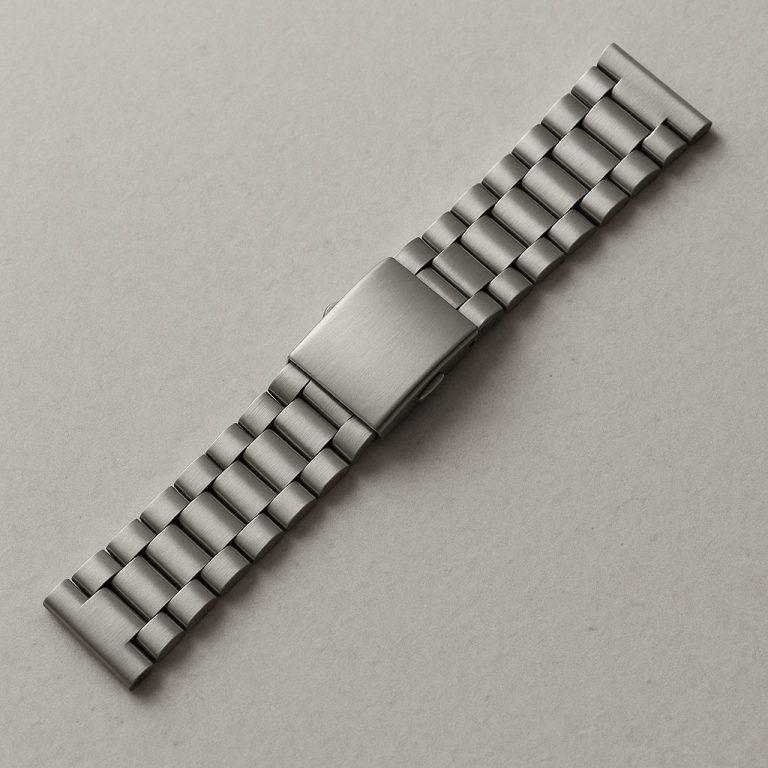
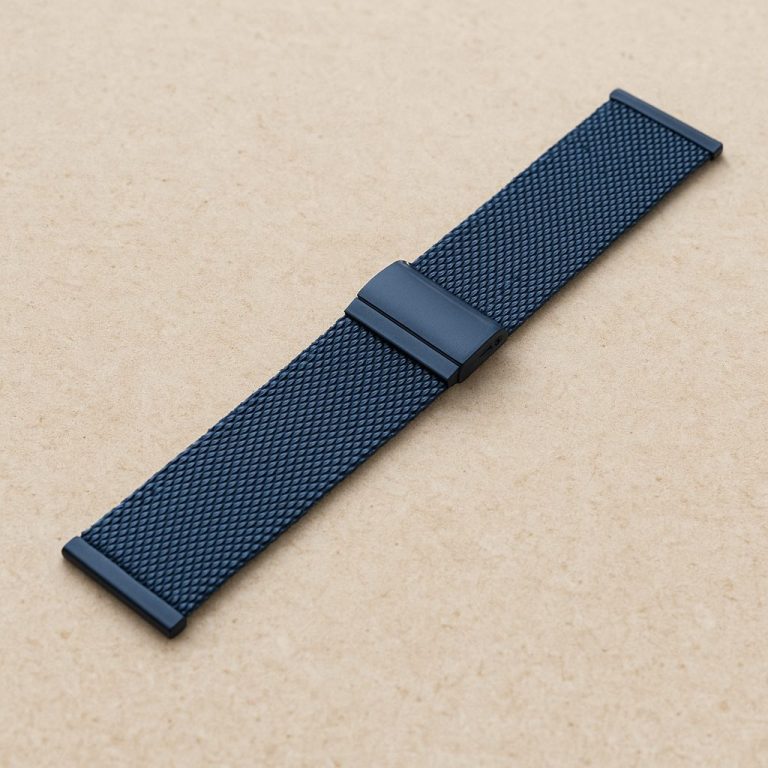
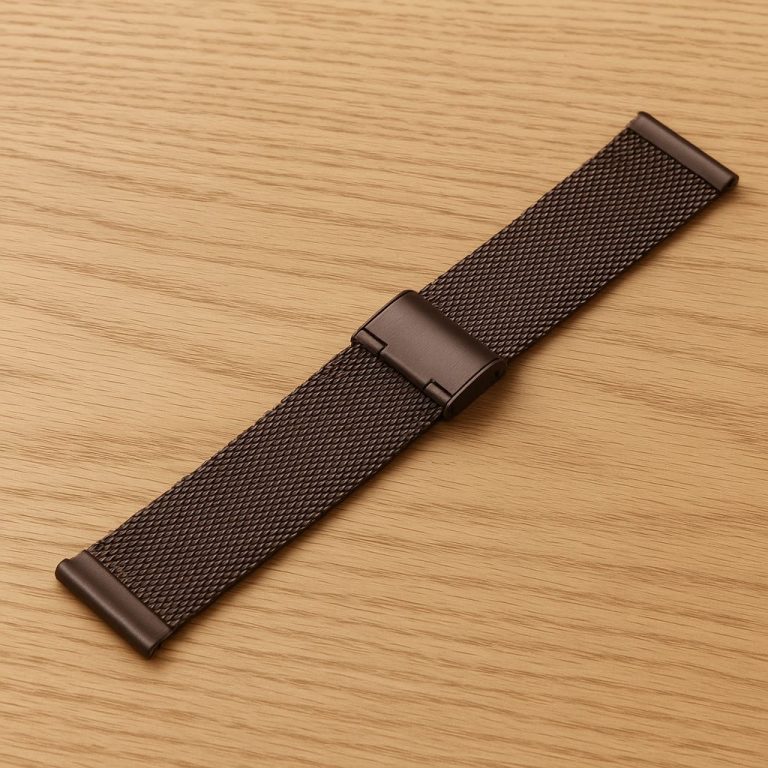
| Segmented/Linked | Made of articulated links, slightly rigid | Discrete points of pressure at each link | Metal (usually stainless steel) |
| Curved (Pre-Formed) | Pre-shaped curve matches wrist arc | Follows wrist shape, but may create edge pressure | Some silicone, leather, and metal bands |
| Wide Tapered | Wider at lugs, narrows toward clasp | Broader upper pressure, lighter underside | Leather, silicone, some fabric bands |
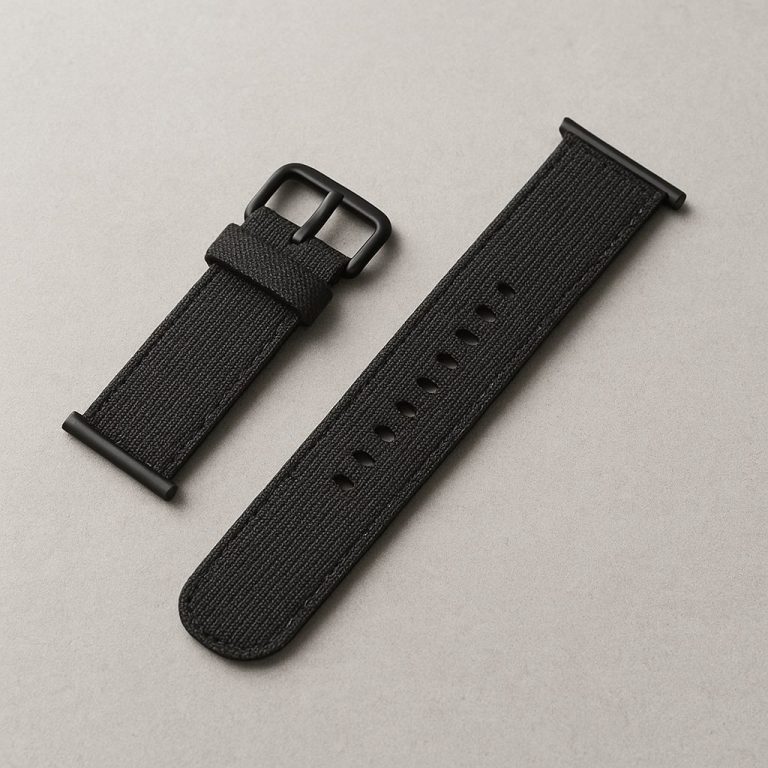
| Single-Piece Pass-Through | Slides under watch case, single continuous piece | Stacked thickness under case, flat elsewhere | Fabric (usually nylon), some silicone bands |
Flat and Flexible Bands
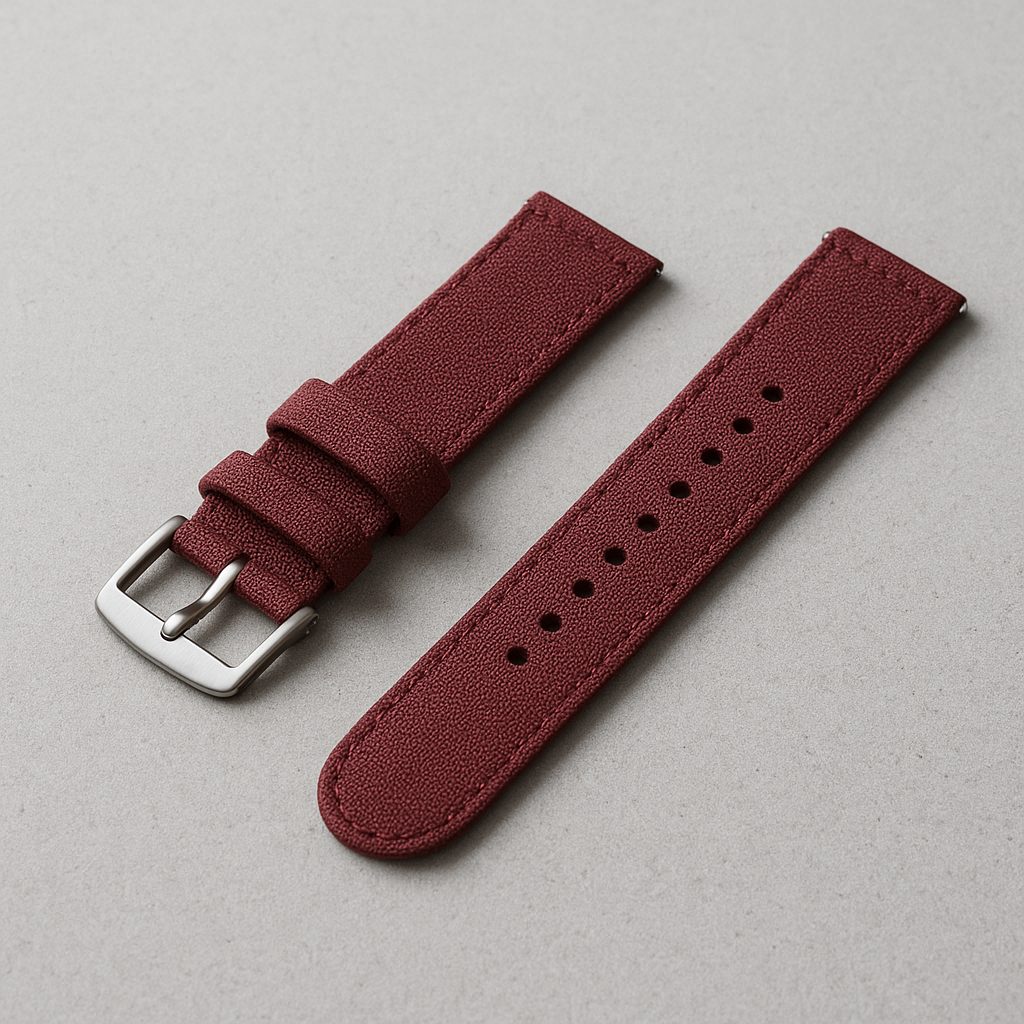
Flat, flexible bands—such as traditional leather straps, most fabric bands, and silicone bands—tend to conform closely to the wrist’s shape. Because their profile stays flush against the skin, pressure from the fastening is spread over a wide area. This reduces localized discomfort and prevents red marks, particularly when worn for long periods or during repetitive movement. For fabric bands, most are made from nylon or nylon blends, varying in weave density, thickness, and elasticity. Denser, thicker weaves may feel stiffer and distribute pressure differently than lighter, stretchier options.
Segmented and Linked Metal Bands
Segmented or linked bands, commonly made from metal (with stainless steel being the most prevalent for its durability and corrosion resistance), consist of interlocking pieces. While these bands offer adjustability and strength, each link acts as a small pressure point. As the wrist bends or swells during the day, these pressure points may become noticeable, particularly on the underside of the wrist or near the clasp. Gaps between links can also pinch the skin or catch hair, adding to discomfort if not properly fitted.
Curved or Pre-Formed Bands
Certain bands are molded or stitched with a natural curve to better match the wrist’s arc. Silicone bands often use this design, as do some leather and metal varieties. The curved shape helps maintain consistent contact, especially for larger or more rigid watches. However, if the curve does not match the wearer’s wrist, it can concentrate pressure along the edges, causing soreness or indentations. Adjusting the fit or choosing a band with a more flexible curve can help reduce these effects.
Wide and Tapered Bands
Bands that are wide at the point where they attach to the watch and taper toward the clasp can change how pressure is distributed. The wider section near the lugs spreads the weight of the watch head, which can help prevent the case from digging into the wrist bone. The taper allows for flexibility and freedom of movement on the underside. This shape is commonly seen in leather and silicone designs, as well as some fabric bands with reinforced ends. For example, someone who experiences discomfort from the watch case pressing against the wrist might benefit from a wider, tapered band that offsets the pressure.
Single-Piece Pass-Through Bands
Single-piece bands, often made from woven nylon, slide under the watch case and form a continuous loop. The area directly under the watch case has double the material thickness, which can concentrate pressure in that spot. However, the rest of the band remains flat and distributes pressure evenly. The flexibility and softness of most nylon weaves help reduce the risk of chafing, especially if the band is not fastened too tightly. Lighter, stretchier weaves offer more give, while denser, thicker options provide added support but can feel bulkier.
Interaction with Wrist Anatomy
The wrist contains bones, tendons, and blood vessels close to the surface. Bands with sharp edges, rigid profiles, or uneven surfaces can create high-pressure zones over these sensitive areas. Conversely, shapes that maximize surface contact and flexibility reduce the risk of pressure points. For example, someone who types frequently may notice discomfort where the wrist meets the desk; a flatter, more flexible band may help by spreading pressure more evenly, while a segmented metal band might accentuate the problem.
Adjustability and Micro-Adjustment Features
Some band shapes, particularly segmented metal designs, offer micro-adjustment features that allow for small changes in fit. These adjustments can have a noticeable effect on pressure distribution, especially as wrist size changes with temperature or activity. A band that can be fine-tuned helps maintain even pressure throughout the day, reducing the likelihood of discomfort.
Choosing the Right Shape for Your Wrist and Activities
The ideal watch band shape depends on wrist size, daily activities, and personal comfort preferences. For those who experience pressure points or skin irritation, a flat, flexible band made from leather, silicone, or a soft nylon weave typically offers a more even distribution. If a watch feels unstable or shifts during movement, a curved or tapered band that conforms to the wrist’s shape may provide a more secure fit. In cases where style or durability requires a metal band, ensuring a proper fit and using micro-adjustments can help alleviate localized pressure.
Applying Band Shape Knowledge to Everyday Comfort
Understanding how band shape alters pressure distribution can guide adjustments for improved comfort. For instance, after noticing soreness from a linked metal band, switching to a flat silicone band during long office hours may lead to less irritation. Similarly, a fabric band with a lighter, stretchier weave can offer relief when wrist swelling occurs during exercise or in hot weather. By observing how different band shapes feel during typical activities, it becomes easier to select or adjust a band for daily comfort.