Why some watch bands feel harder to remove than others
What Makes Some Watch Bands Difficult to Remove?
Trying to swap out a watch band and finding it unexpectedly stubborn is a familiar frustration. Sometimes, a metal bracelet seems fused to the watch, or a silicone band feels glued in place. Even among watches with similar attachment mechanisms, the effort required to remove a band can vary noticeably. Understanding these differences helps prevent accidental damage and makes changing bands a smoother process.
How Attachment Mechanisms Affect Removal
The way a watch band connects to the watch case plays a major role in how easily it can be removed. Most commonly, watches use spring bars (small spring-loaded pins) that fit between the lugs of the watch case. Some newer designs use quick-release pins with small levers that allow for tool-free removal.
Several factors related to these mechanisms can make removal harder:
- Tight tolerances: If the fit between the spring bar, band, and lugs is very precise, there may be little room to maneuver the bar out. This can make removal require more force or finesse.
- Spring bar condition: Old or bent spring bars may stick or refuse to compress smoothly, increasing the effort needed to remove the band.
- Quick-release design: While intended to simplify removal, very small or stiff quick-release levers can be difficult to operate, especially with larger fingers or limited dexterity.
Comparison of Common Attachment Methods
| Attachment Method | Typical Ease of Removal | Potential Challenges |
|---|---|---|
| Standard Spring Bar | Moderate to difficult | Tight fit, tool required, risk of scratching |
| Quick-Release Pin | Easy | Small lever, stiff mechanism |
| Screw Bar | Varies | Requires screwdriver, risk of stripping screw |
| Single-Piece Fabric (Nylon) Band | Easy | May stick if thick or tightly woven |
The Role of Watch Band Materials
The material of the band can significantly affect how hard it is to remove. Each type presents distinct challenges during the removal process.
Metal Bands
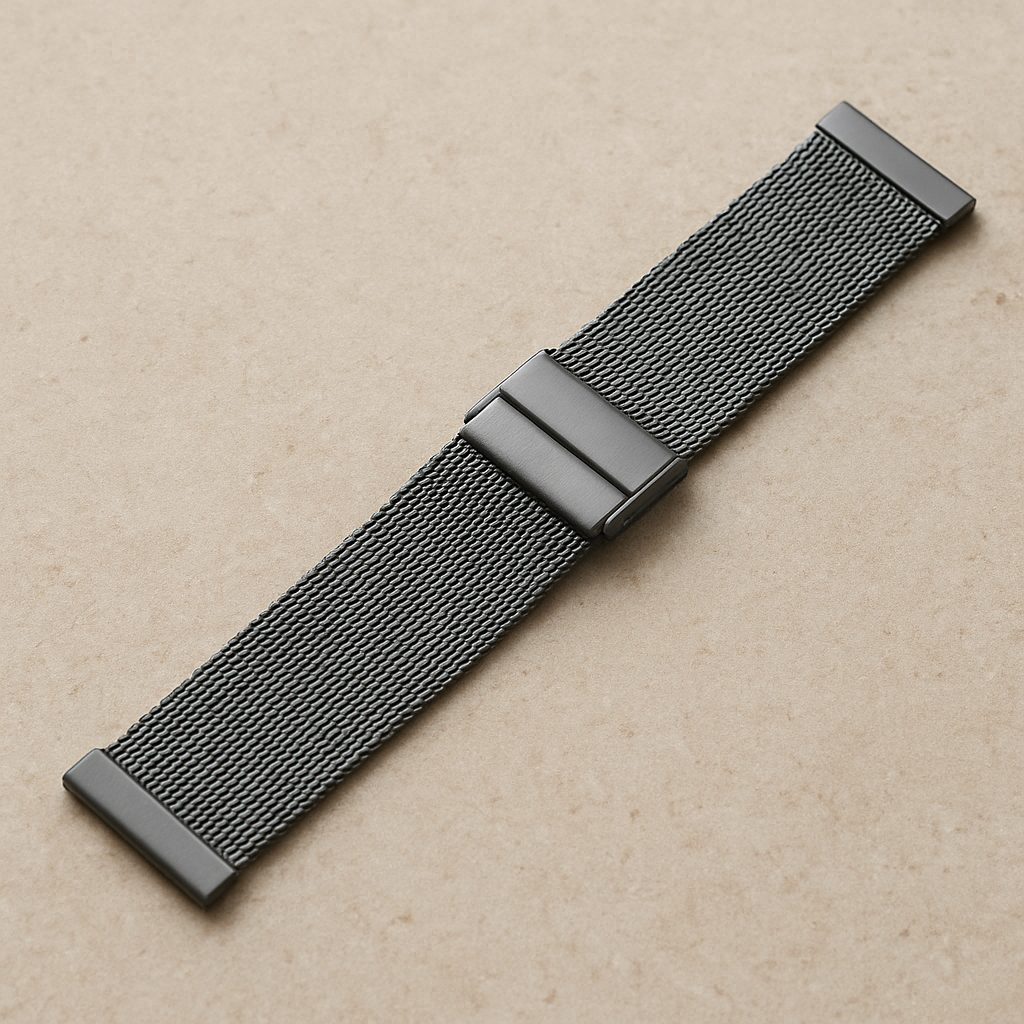
Most metal watch bands use stainless steel due to its durability and resistance to rust. Metal bands typically attach to the watch case with end links and spring bars, but the rigidity and weight of metal can make them harder to handle during removal. In some cases, the end links fit so tightly between the lugs that it’s difficult to access the spring bar or compress it enough to release the band.
Some metal bracelets use screw bars instead of spring bars, requiring a small screwdriver for removal. If the screw is overtightened or slightly corroded, this process can become challenging.
Tip: When removing a metal bracelet, work on a soft surface and use a spring bar tool with a fine tip to avoid scratching the case or band.
Leather Bands
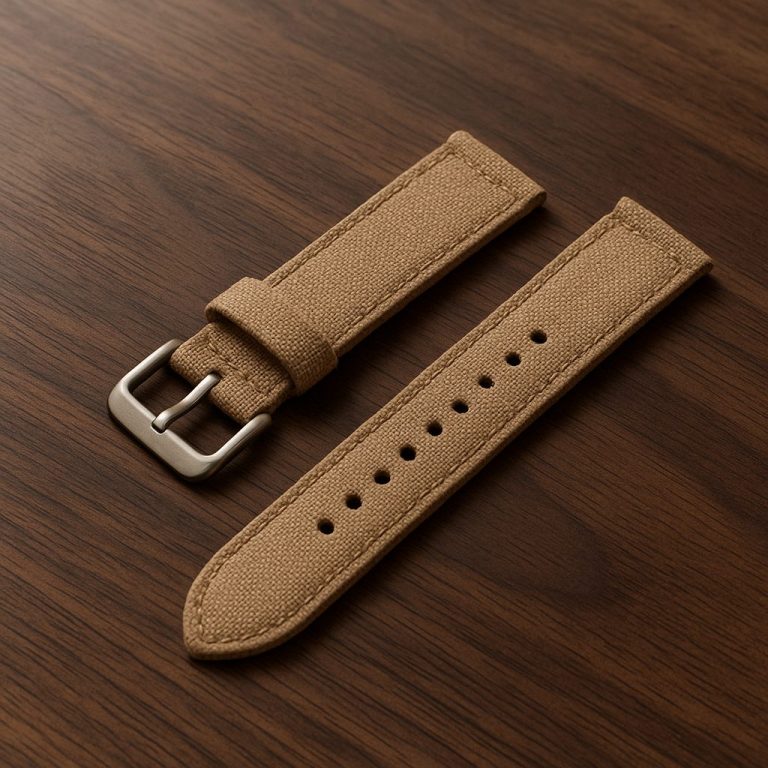
Leather bands are usually flexible, but their fit can change over time. If a leather band has become stiff with age, it may not flex enough to release the spring bar easily. Some leather bands with thick padding or reinforced ends can also make it harder to reach or compress the spring bar. On the other hand, quick-release versions often remove with little effort unless the lever is small or stiff.
Silicone Bands
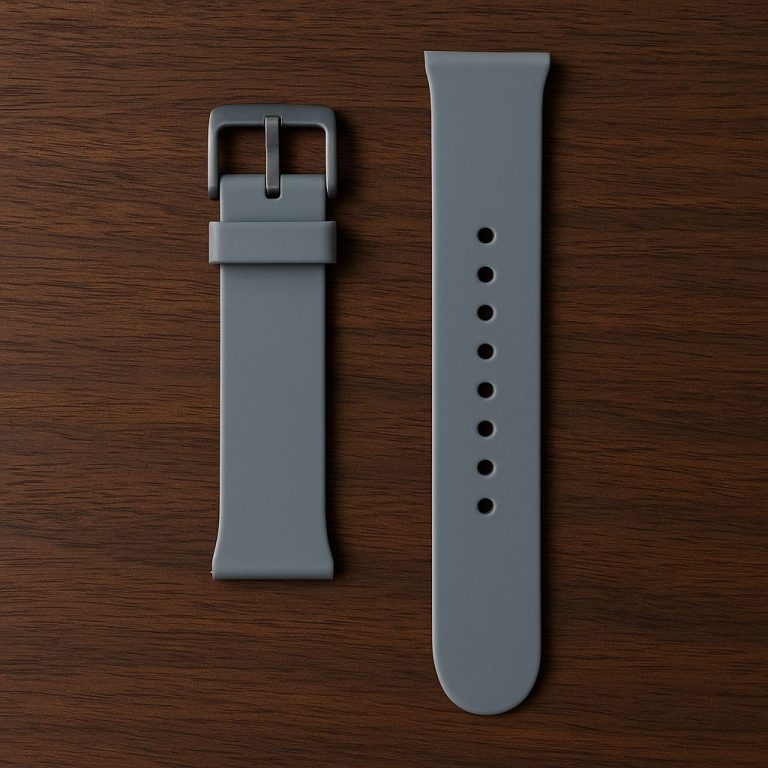
Silicone bands are popular for their comfort and flexibility, but their grippy texture can create friction against the watch case or lugs. This friction can make sliding the band out more difficult, especially if the silicone has become tacky with age or exposure to sweat and oils. If the silicone band is thick or tightly molded around the spring bar, compressing the bar can require extra effort.
Fabric Bands
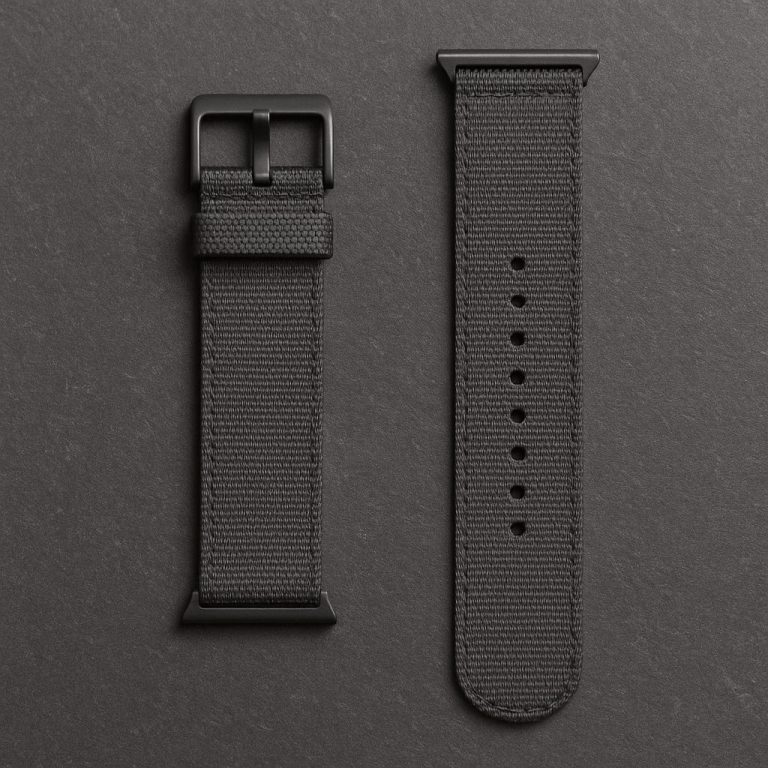
Most fabric bands are made from nylon or blends that vary in weave density, thickness, and texture. A dense, thick nylon weave may wedge tightly between the lugs, especially if the spring bar holes are shallow. Stretchy or very tightly woven bands can also create more friction, making removal less smooth. Single-piece fabric bands, which thread through the spring bars, are generally easier to remove unless the material has swollen due to moisture or dirt.
Other Factors That Make Watch Bands Harder to Remove
Aside from materials and attachment methods, several other details can influence the difficulty of removing a watch band:
- Wear and residue: Dirt, sweat, and skin oils can accumulate in and around the band’s attachment points, causing stickiness or even mild corrosion. This is especially common with silicone and metal bands.
- Band thickness: Thicker bands—whether leather, silicone, or fabric—can limit access to the spring bar, making the process more awkward or requiring special tools.
- Watch case design: Some cases have lugs that are unusually close together or angled, reducing the space available to maneuver the band free.
Using the correct tool, such as a specialized spring bar remover with a narrow tip, can make a significant difference. For older watches, gently cleaning around the lugs and band ends before attempting removal can help loosen stuck bands.
Why Some Bands Seem to “Stick”
Sometimes, a band that was once easy to remove becomes stubborn over time. This can be the result of physical changes in the band material, such as swelling from moisture in fabric bands or hardening in leather. Silicone bands can become tacky, and metal bands can accumulate grime or slight corrosion where the end links meet the case. Even a small amount of buildup can increase friction and make the band feel stuck.
For metal bands, end links that are even slightly bent or misaligned can jam between the lugs. Similarly, spring bars that are bent or have worn tips may not compress or release smoothly. For these cases, replacing the spring bars or cleaning the area can restore easy removal.
What to Do When a Band Won’t Budge
If a watch band feels stuck, avoid forcing it, as this can damage the band, spring bars, or the watch case itself. Instead, try these steps:
- Inspect for visible grime or corrosion and clean gently with a soft brush and a little soapy water (keep water away from non-water-resistant cases).
- Use a proper spring bar tool rather than improvised items like knives or paperclips.
- If the quick-release lever is stiff, gently wiggle it back and forth to loosen it before pulling the band free.
- For fabric bands swollen with moisture, let them dry fully before attempting removal.
If the band remains stuck or if the watch is valuable, seeking help from a watch repair specialist is a safer option than risking damage.
Recognizing and Managing Band Removal Difficulties
The effort involved in removing a watch band depends on attachment design, band material, and the condition of both the band and the watch case. By understanding the reasons some bands are harder to remove, it becomes easier to avoid damaging the watch or band and to choose the right approach for a smoother process. Being attentive to the specifics of each watch and band combination helps prevent frustration and keeps both the timepiece and its bands in better condition for longer use.