How wrist swelling affects watch band fit during the day
Why Watch Bands Feel Tighter or Looser as the Day Progresses
After wearing a watch for several hours, some people notice that their watch band feels tighter than it did in the morning, occasionally leaving marks on the skin or causing discomfort. Others find themselves adjusting their band at different times of day, especially after physical activity or long periods at a desk. These changes in fit are often due to fluctuations in wrist size caused by swelling, which is a normal bodily response influenced by various factors.
What Causes the Wrist to Swell During the Day?
Wrist swelling, also known as edema, occurs when fluid builds up in the tissues. This process can be subtle, sometimes only increasing wrist circumference by a few millimeters, but even small changes can affect how a watch band fits. Several factors can cause or contribute to swelling in the wrist area:
- Heat and humidity: Warm weather can cause blood vessels to expand, leading to mild swelling in the extremities.
- Physical activity: Exercise, repetitive hand motion, or carrying heavy items can temporarily increase blood flow and fluid accumulation in the hands and wrists.
- Prolonged inactivity: Sitting at a desk or standing for long periods may also result in fluid pooling in the lower arms and hands.
- Dietary salt intake: Higher salt consumption can cause the body to retain more water, increasing the likelihood of swelling.
- Underlying health conditions: While outside the scope of daily variation, chronic swelling can be related to health issues. For most people, however, minor daily changes are harmless and temporary.
These fluctuations typically peak in the afternoon or evening, and may subside overnight as the body rebalances fluids.
How Swelling Affects Different Watch Band Materials
The material and design of a watch band play a significant role in how noticeable and comfortable these wrist changes feel. The table below summarizes how swelling may affect the fit of common watch band types:
| Band Material | Typical Response to Swelling | Adjustment Options |
|---|---|---|
| Metal (usually stainless steel) | Rigid, little to no stretch; can feel tight or leave marks | Micro-adjustments or removable links; some deployant clasps have small adjustment increments |
| Leather | Minimal stretch over short periods; can feel snug in high humidity or with swelling | Multiple buckle holes; quick to adjust, but large increments |
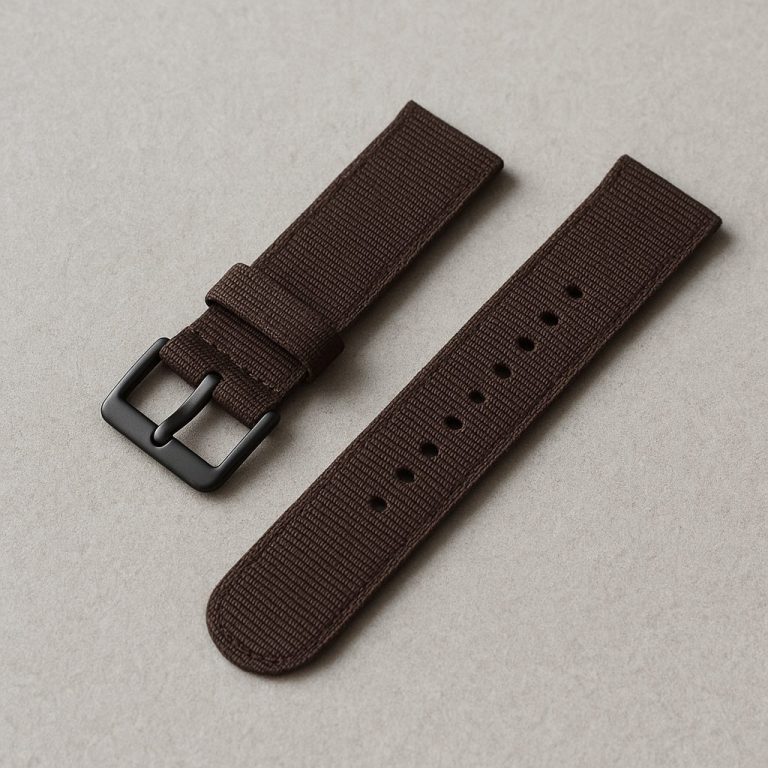
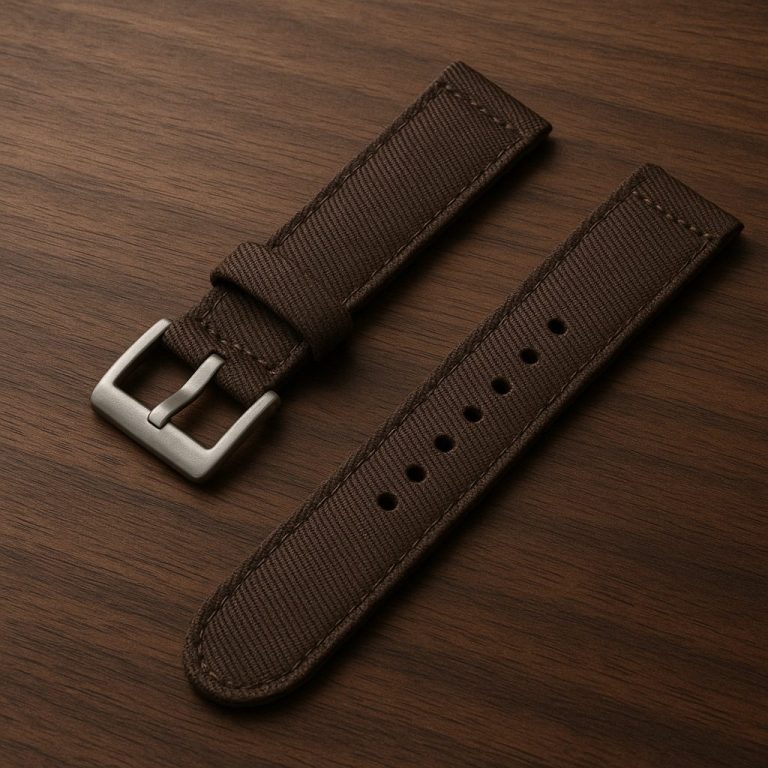
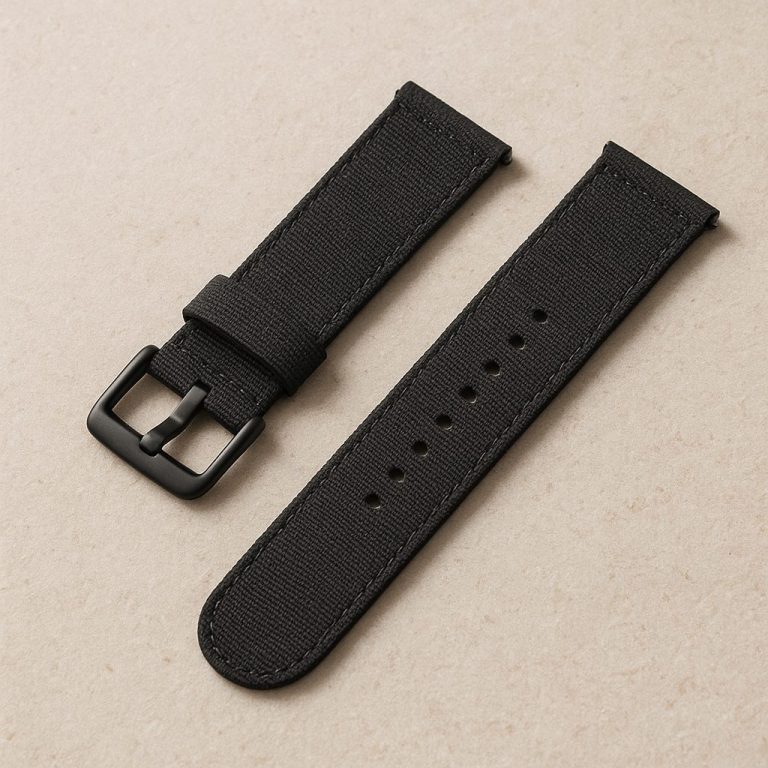
| Fabric (mainly nylon blends) | Varies; some nylon weaves have light stretch or flexibility, others are more rigid | Buckle holes or hook-and-loop closures allow frequent adjustment |
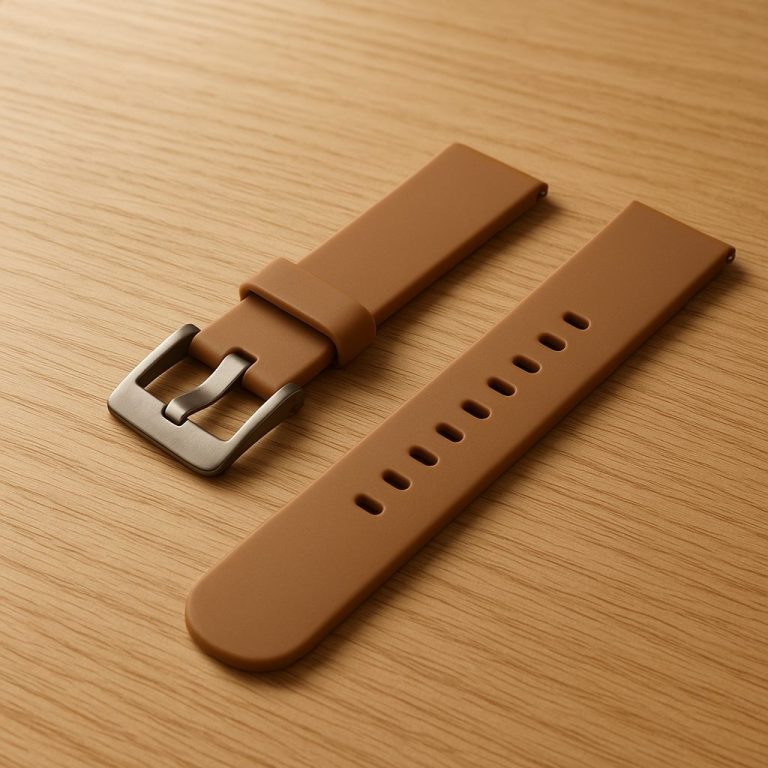
| Silicone | Flexible and soft; moderate stretch accommodates some swelling | Buckle holes or pin-and-tuck closures; easy to loosen or tighten |
Metal Watch Bands
Most metal bands are made from stainless steel, chosen for its durability and resistance to corrosion. These bands do not stretch and usually rely on links or clasp micro-adjustments for fit. When the wrist swells, a metal band may feel noticeably tighter, as it cannot adapt to the changing size. Some deployant clasps offer fine adjustments, but these are limited compared to other materials. If a metal bracelet feels tight late in the day, removing a link or adjusting the clasp may provide some relief, though this is not as convenient as other closure types.
Leather Watch Bands
Leather bands offer a classic look and a moderate level of flexibility. Over time, leather can soften and form to the wearer’s wrist, but it does not stretch much in the short term. During periods of swelling or on humid days, leather bands may feel snug. Most leather straps use pre-punched buckle holes, which can make small adjustments imprecise—sometimes, one hole is too loose, while the next is too tight. It’s common to switch between two holes as wrist size changes throughout the day.
Fabric Watch Bands
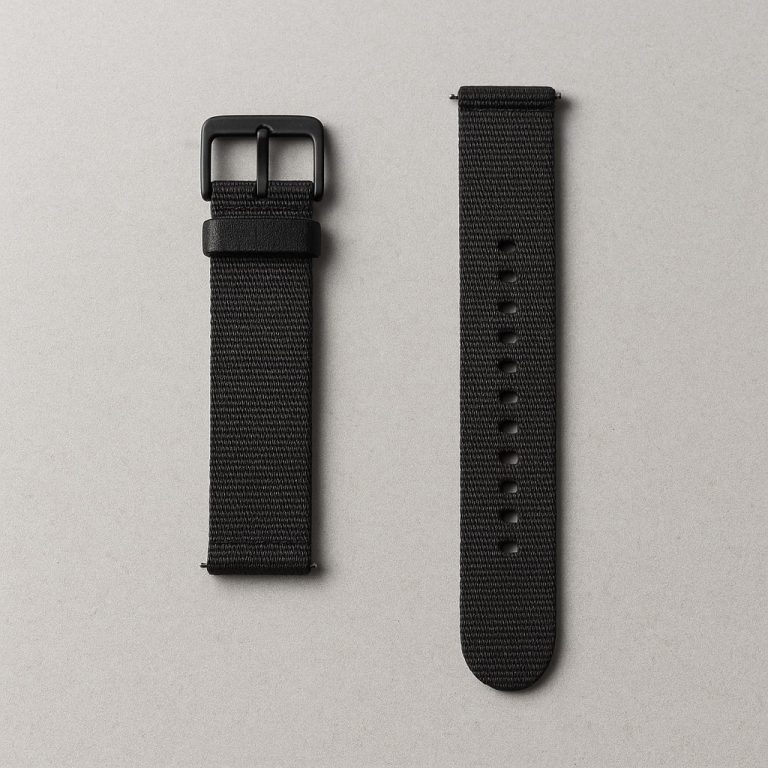
Fabric watch bands are often made from nylon or nylon-blend materials. The flexibility and stretch depend on the weave density and thickness. Some weaves feel quite rigid, while others have a slight give or elasticity, which helps accommodate minor swelling. Texture and softness vary as well, influencing comfort during wrist changes. Many fabric bands use either buckle holes or hook-and-loop closures, making it easy to make quick adjustments as needed.
Silicone Bands
Silicone bands are valued for their softness and flexibility. They offer moderate stretch, which helps absorb some of the changes in wrist size without causing discomfort. Closure types like pin-and-tuck or standard buckles make these bands easy to adjust—loosening or tightening as needed throughout the day. This makes silicone bands a practical choice for people who experience noticeable wrist swelling, especially during exercise or in hot conditions.
Practical Strategies for Managing Watch Fit Throughout the Day
Understanding how and when wrist swelling happens can help prevent discomfort or skin irritation from a too-tight band. Here are some ways to adapt:
- Choose adaptive materials: If swelling is frequent, consider a fabric or silicone band with a closure that allows easy, incremental adjustment.
- Take breaks: Removing your watch for a few minutes can relieve pressure and reduce marks, especially during peak swelling times like after exercise or in hot weather.
- Monitor fit during the day: If a band feels tight after lunch or in the evening, try loosening it by a single hole or notch. Some people keep their band slightly looser than usual to account for expected swelling.
- Adjustable clasps: For metal bands, using a clasp with a built-in micro-adjustment can help fine-tune the fit without needing tools.
For those using fabric bands, the variation in weave and thickness means some will handle swelling better than others. Bands with a slightly elastic weave or a hook-and-loop closure can be more forgiving and easier to adjust during the day.
Recognizing and Responding to Changes in Wrist Size
Swelling that affects watch band fit is a normal part of daily life for many people. By understanding how different band materials respond and how daily routines, weather, and activity levels play a role, it becomes easier to maintain comfort throughout the day. Making small adjustments or choosing a band style that fits your lifestyle can prevent irritation and ensure your watch remains comfortable no matter how your wrist changes over time.