How watch band flexibility changes with long-term daily use
Noticing Changes in Watch Band Flexibility Over Months of Wear
After several months of daily wear, a watch band that once felt snug and supportive can start to feel looser or more pliable. Some bands may gradually curve to fit the wrist more closely, while others may sag, twist, or develop areas of unexpected flexibility. These subtle shifts can affect how securely the watch stays in place, and may even influence comfort, especially during activities like typing or exercising. Understanding why these changes occur can help in anticipating how a watch band will perform over time.
How Daily Use Affects Common Watch Band Materials
Watch bands are made from a range of materials, each responding differently to the stress and movement of everyday wear. Flexibility is a key property: it determines how easily a band bends, stretches, or returns to its original shape. Over time, repeated bending, exposure to sweat, water, sunlight, and skin oils all interact with the material, leading to gradual changes in flexibility. These effects are more pronounced with some materials than others.
Leather Bands: Softening and Stretching
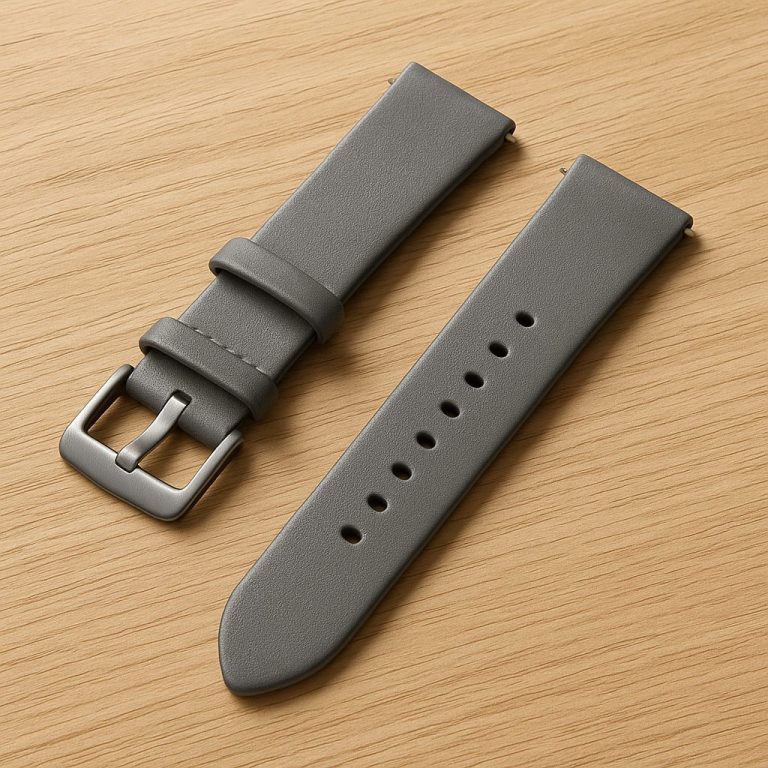
Leather bands often start out somewhat stiff, but daily use quickly breaks them in. With prolonged exposure to moisture and movement, leather fibers soften and the band becomes noticeably more flexible. This softening improves comfort and allows the band to mold to the wearer’s wrist, but it can also lead to stretching, especially near holes or buckle tangs. As the leather stretches, the band may feel looser or develop a permanent curve. Sweat and skin oils accelerate these changes, and if a leather band is repeatedly flexed in the same spot, a noticeable crease or thinning can form. Periodic wiping and occasional conditioning can slow down excessive softening, but some flexibility change is inevitable with regular wear.
Metal Bands: Link Loosening and Hinge Wear
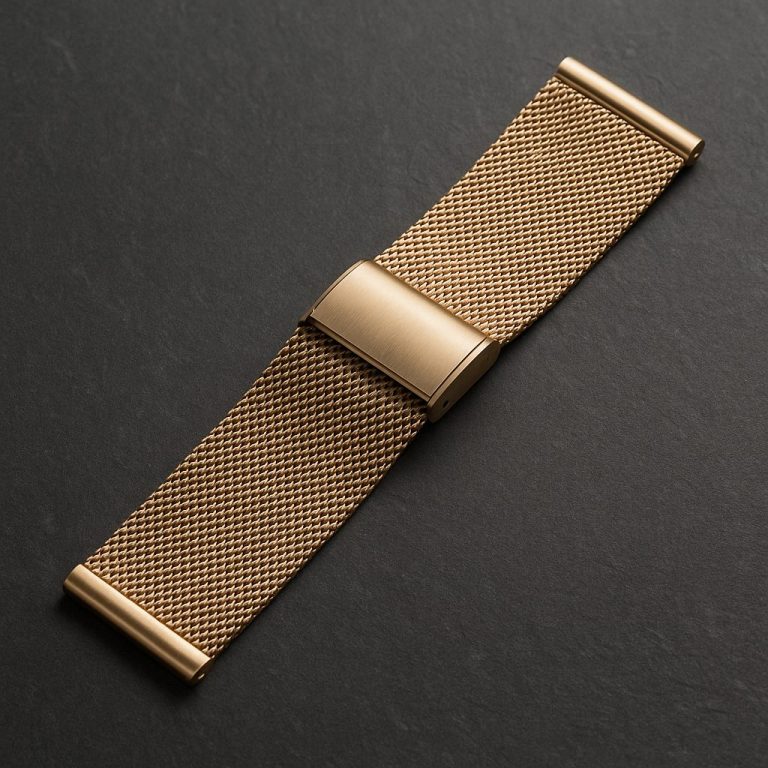
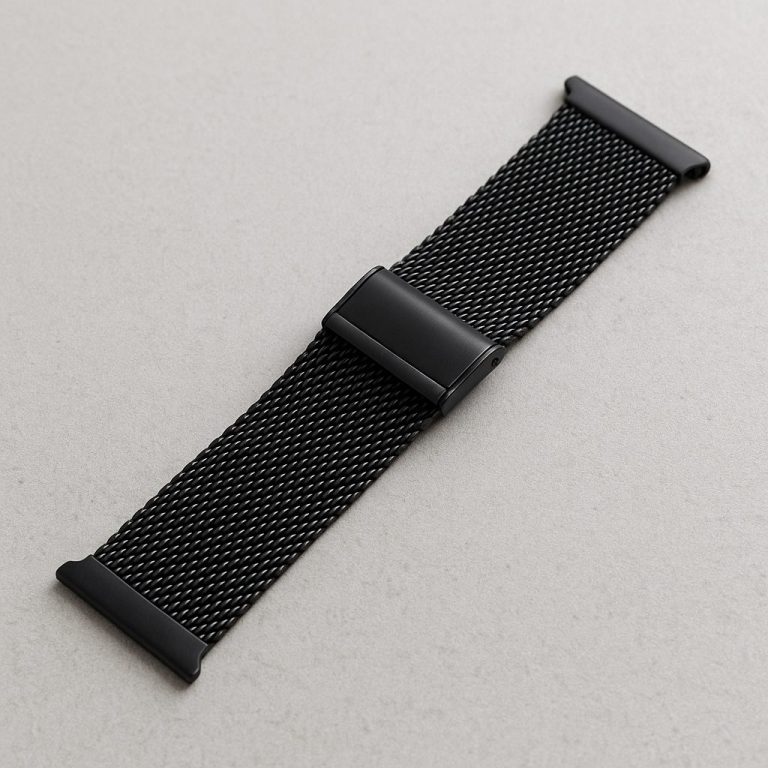
Metal bands—most commonly made from stainless steel for its durability and corrosion resistance—generally maintain their overall shape. However, the small pins and hinges connecting each link can wear down over time. Daily wrist movements gradually loosen these connections, leading to increased side-to-side flex or slight rattling. This flexibility often starts as a subtle “play” between links and can progress to the point where the band feels less solid. While the metal itself does not stretch, the overall structure can become more flexible as components wear. This is especially noticeable on bands with many small links or complex folding clasps. Occasional cleaning to remove grit and regular checks for excessive movement can help extend the band’s lifespan.
Fabric Bands: Changes in Elasticity and Texture
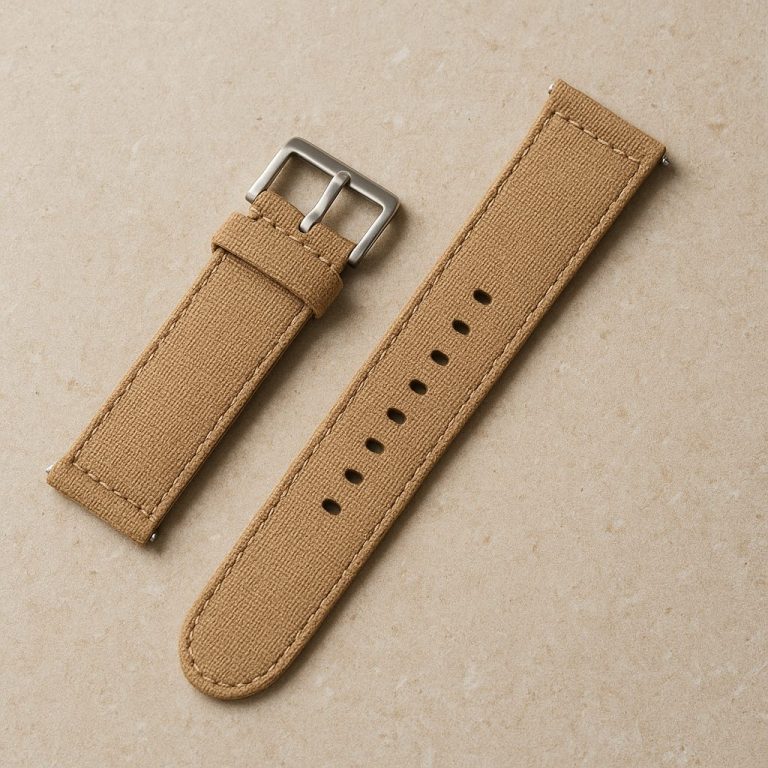
Most fabric watch bands are made from nylon or nylon blends, which offer a balance of strength and flexibility. The way these bands are woven—tight or loose, flat or tubular—affects both their initial feel and how they age. With daily use, fabric bands can become softer and more pliable, following the shape of the wrist more closely. Repeated bending and exposure to moisture can cause some bands to lose their original stiffness, while loosely woven or stretchy designs may become even more elastic over time. In some cases, the weave can loosen, making the band feel thinner or less supportive, especially at the holes or fasteners. Quick drying after exposure to water and gentle cleaning can help maintain the original feel, but a gradual increase in flexibility is normal as the fibers relax.
Silicone Bands: Surface Softening and Permanent Stretch
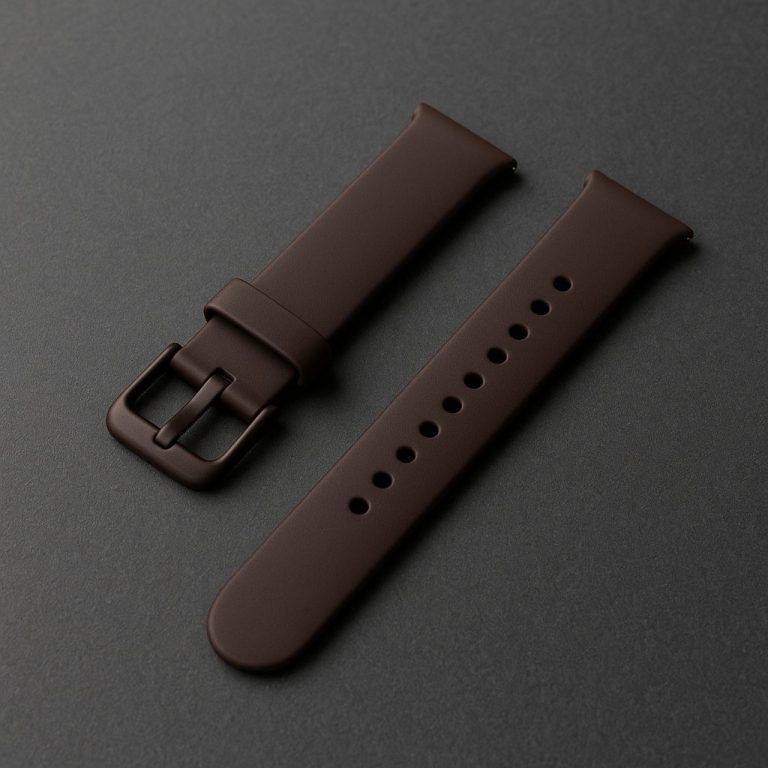
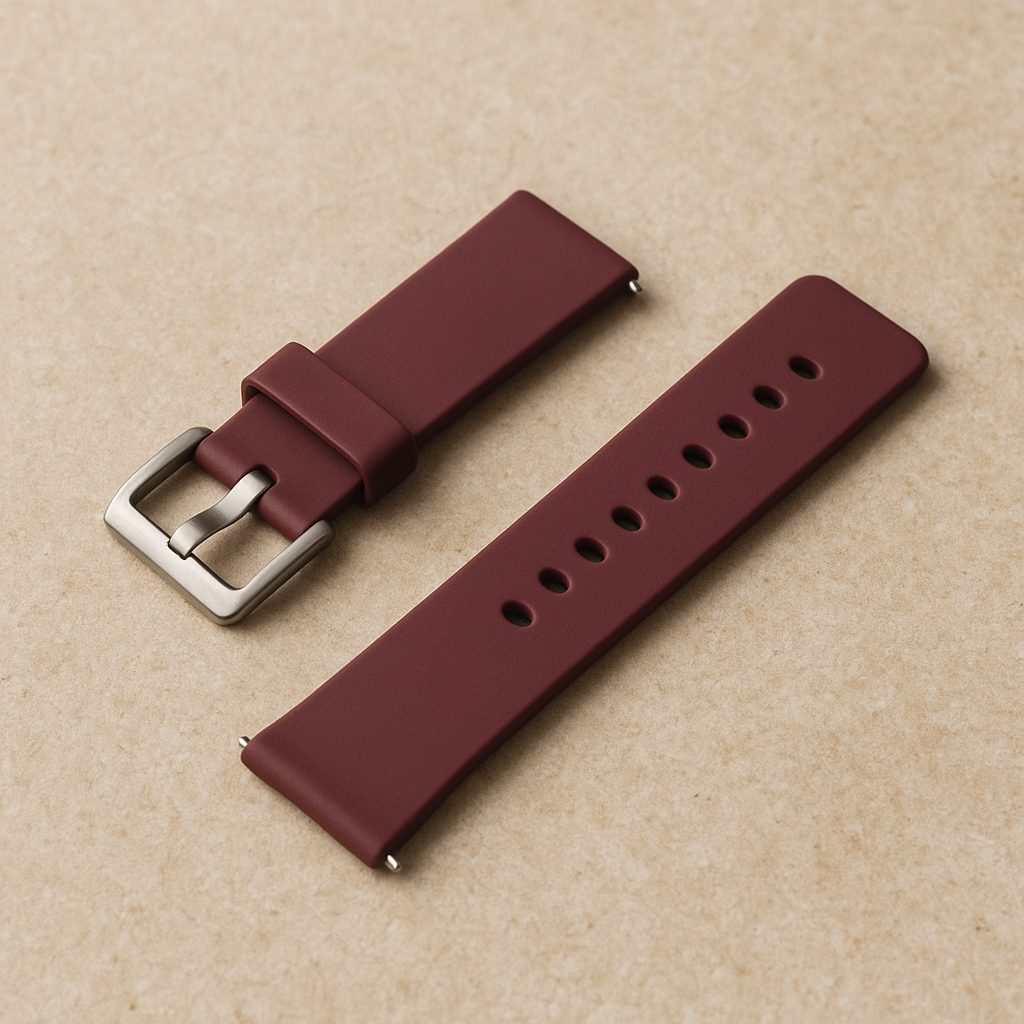
Silicone bands are valued for their flexibility and resistance to sweat and water. Over time, continuous stretching and bending can cause these bands to become even softer and more pliable. In some cases, the material may develop a permanent stretch, especially near holes, clasps, or adjustment points. If a silicone band is worn tightly or repeatedly pulled to put on and take off, the material can “remember” the stretched shape, making the band feel slightly looser. While silicone is generally resistant to cracking, prolonged exposure to sunlight can cause gradual changes in texture, leading to additional softening or a slight tacky feel. Regular rinsing and allowing the band to fully dry can minimize these effects, but changes in flexibility are to be expected with extended daily use.
Comparing Flexibility Changes Across Watch Band Materials
Different watch band materials change in flexibility at varying rates and in different ways. The table below summarizes the main patterns observed with long-term daily use:
| Material | Initial Flexibility | Flexibility Over Time | Typical Signs of Change |
|---|---|---|---|
| Leather | Stiff to moderately flexible | Softens, becomes more pliable, may stretch | Curved shape, stretched holes, creases |
| Metal | Rigid, minimal flex | Links may loosen, slight increase in play | Rattling, side-to-side movement, worn hinges |
| Fabric (Nylon) | Flexible, some elasticity | Becomes softer, may lose stiffness | Looser weave, fraying, increased stretch |
| Silicone | Highly flexible, stretchy | Softens further, may develop permanent stretch | Looser fit, surface changes, tackiness |
What to Expect From Your Watch Band With Daily Wear
With consistent daily use, every watch band will gradually adapt to your wrist and movement habits. Leather bands typically become more supple but may stretch or crease, especially if exposed to moisture. Metal bands usually remain structurally sound, but individual links can develop looseness over time. Nylon-based fabric bands soften and may become slightly more elastic as the fibers relax, while silicone bands can grow even more flexible and may eventually lose some of their original tightness in key areas. Being aware of these changes can help you spot early signs of wear and decide whether to adjust, clean, or eventually replace a band. If a watch starts shifting more during the day or a buckle hole seems stretched out, these small shifts in flexibility are often the cause.