Why some watch bands feel more noticeable with short sleeves
Short Sleeves and the Changing Feel of Your Watch Band
Wearing a watch with a short-sleeved shirt or T-shirt often brings unexpected attention to the way the band feels on your wrist. You might notice the band shifting more, feeling cooler or warmer, or simply being more “present” on your skin. This shift can surprise those who are used to wearing long sleeves, where the cuff covers or cushions the band, making it less noticeable during daily activities.
How Clothing Affects Watch Band Sensation
Long sleeves act as a buffer between your wrist and the outside world. When fabric covers the watch band, sensation is dampened, and the skin is protected from direct contact with the band’s material, edges, or hardware. Short sleeves remove this barrier, exposing the band to air, your skin, and even sunlight. This direct contact can intensify any sensation—whether it’s the coolness of metal, the grip of silicone, or the texture of a woven fabric band.
The Impact of Band Material
The main reason a watch band feels more noticeable with short sleeves is the nature of its direct contact with your skin. Here’s how different common materials respond:
| Band Material | Why It Feels Noticeable with Short Sleeves |
|---|---|
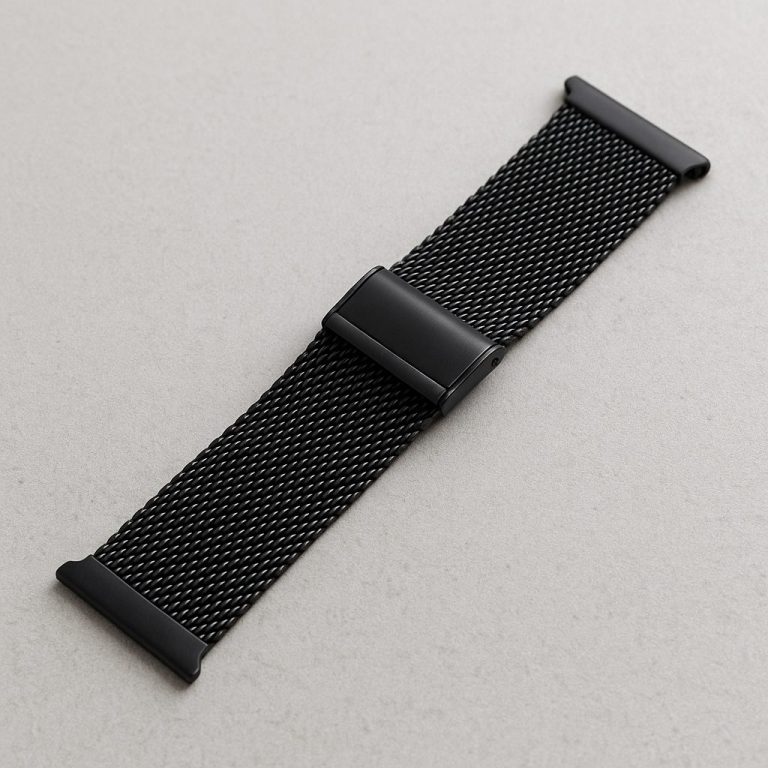
| Metal (usually stainless steel) | Feels cool to the touch, can heat up in sunlight, and may pull arm hair or pinch skin |
| Leather | Can stick to skin when humid, may feel stiff or soft depending on age and quality |
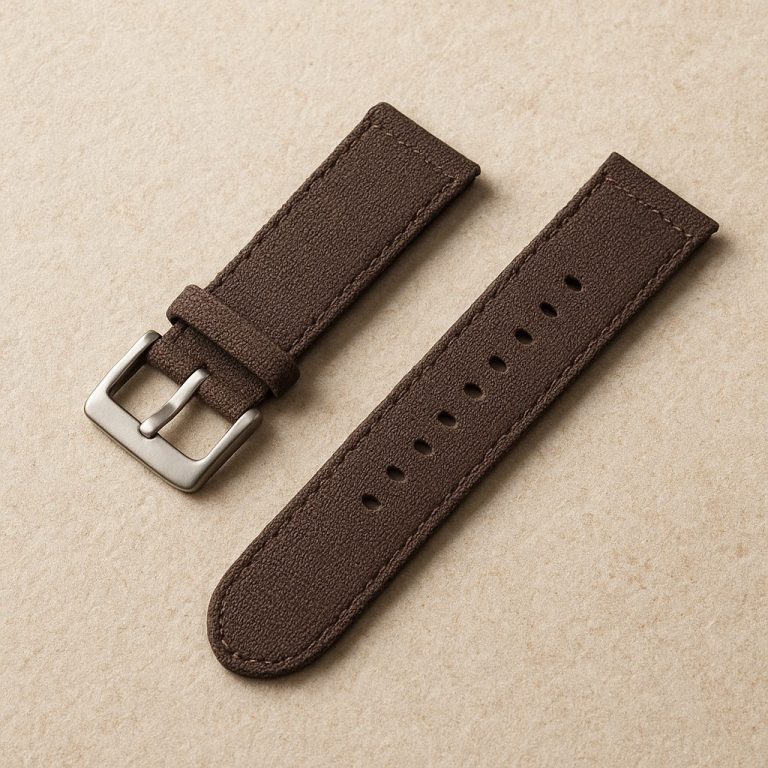
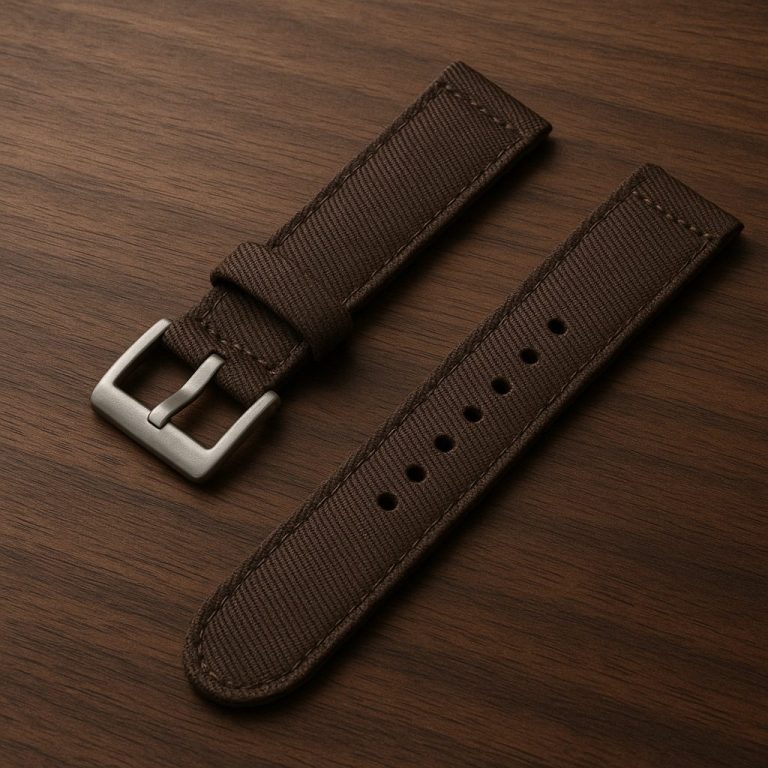
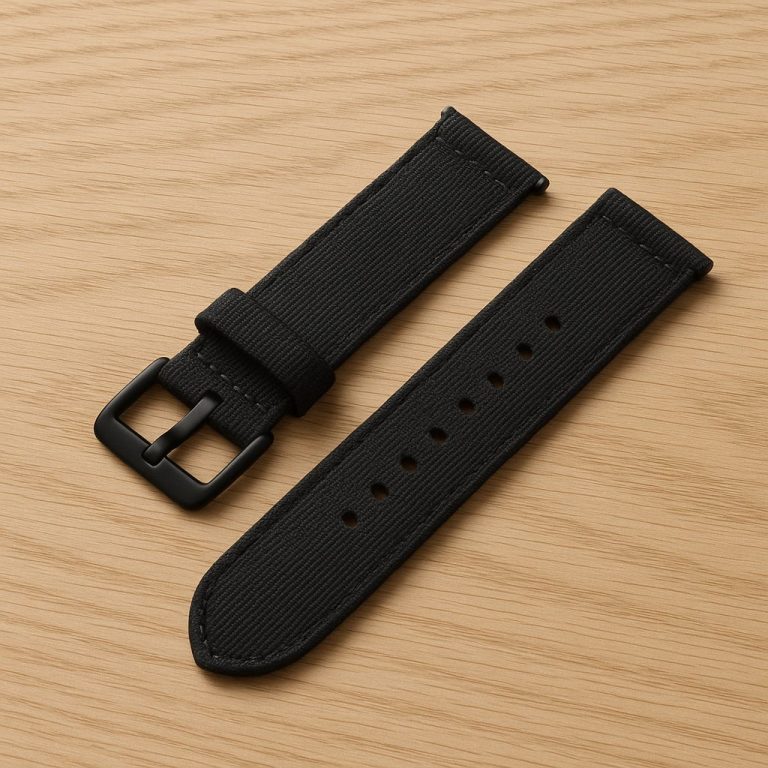
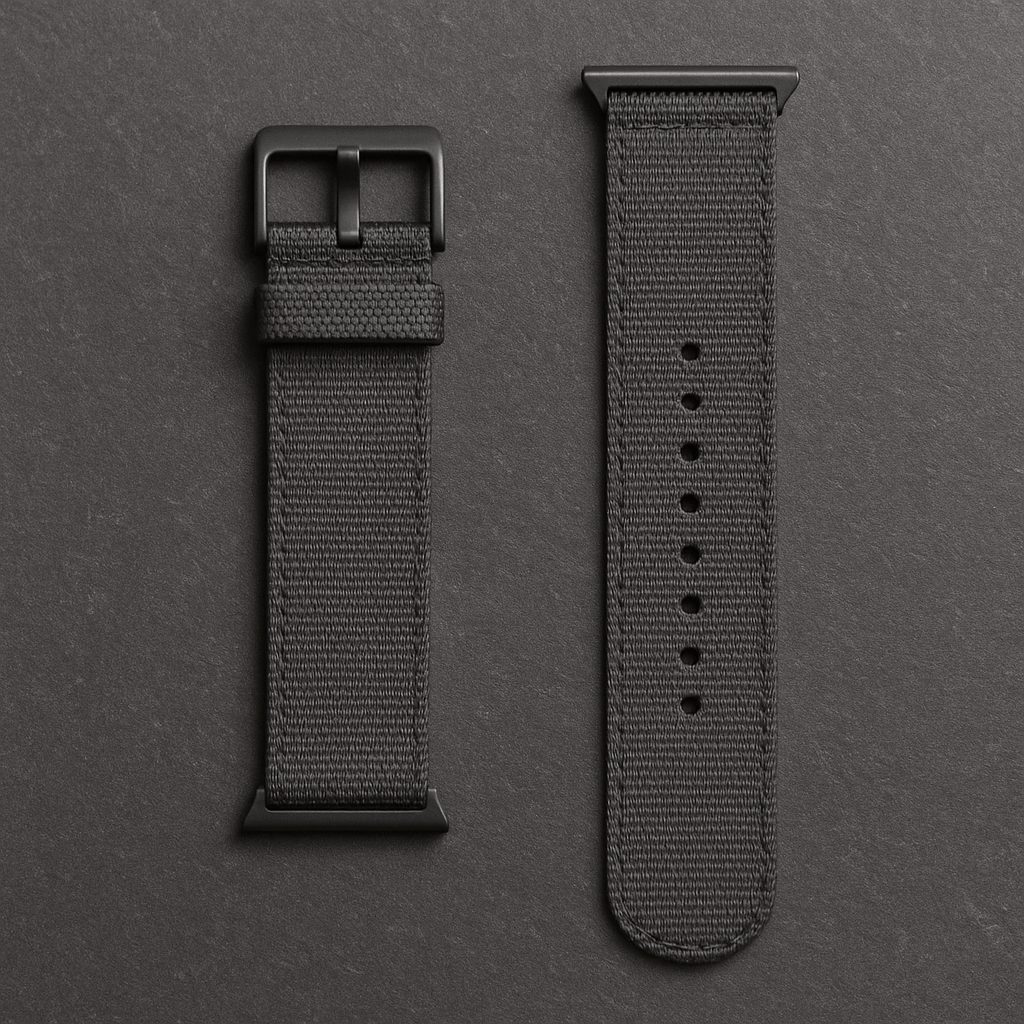
| Fabric (most often nylon blends) | Texture and weave density can create friction; absorb sweat; may feel rough or soft |
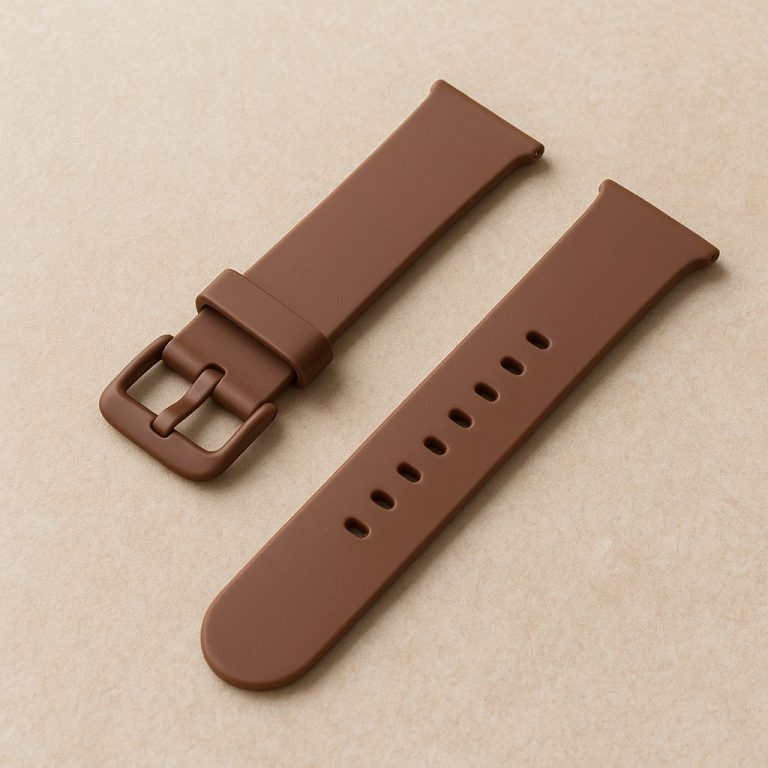
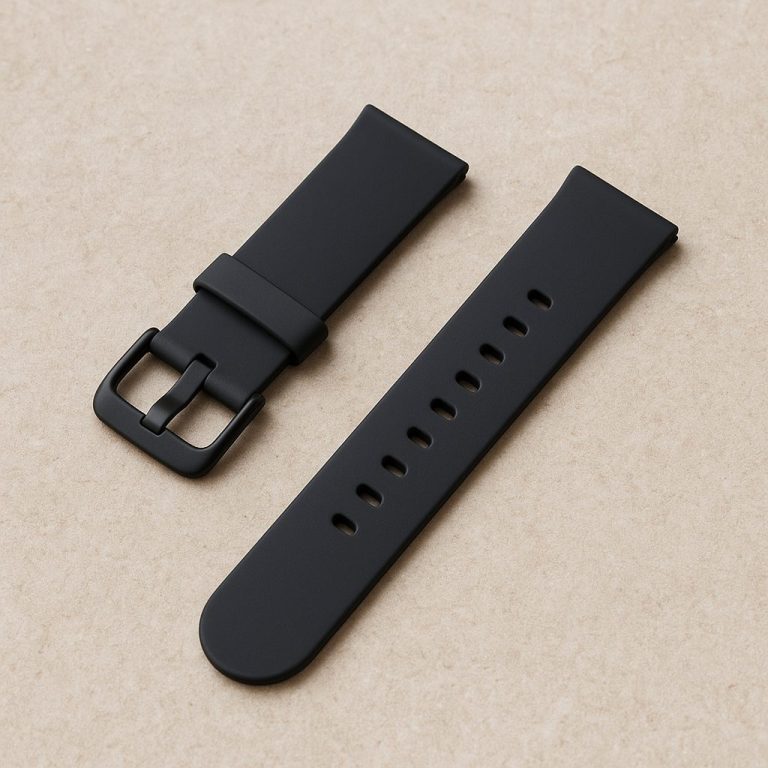
| Silicone | Grips skin more, especially when sweating; can feel snug or sticky in warm weather |
Direct Contact and Sensory Feedback
With no sleeve acting as a cushion, every movement of your wrist is transferred directly to the skin. For example, metal bracelets, which are usually made of stainless steel due to its durability, may shift and slide more, creating a clicking or cool sensation. Leather bands might feel warmer or absorb sweat, becoming more pliable but also more noticeable. Silicone bands tend to grip the skin, especially in humid or active conditions, which can make them feel tighter or more pronounced during movement. Fabric bands, most often made from nylon or similar blends, can vary: a loosely woven, soft band may be barely noticeable, while a dense, stiffer weave can rub against bare skin and create a more persistent sensation.
Movement and Band Fit in Warm Weather
Short sleeves are common in warmer weather, when sweating increases and skin becomes more sensitive. As a result, watch bands are more likely to stick, slide, or cause irritation. Metal bands may feel colder when you first put them on but quickly heat up, especially if exposed to sunlight. This temperature shift is more obvious when there’s no fabric between the band and your skin. Silicone bands can become sticky or cause chafing, especially if worn tightly. Leather may absorb sweat and feel slick or even cause minor skin reactions in some cases. Fabric bands made from nylon or similar materials can absorb moisture and take longer to dry, resulting in a damp feeling that’s more apparent without a sleeve to absorb excess moisture.
Band Edges and Hardware Exposure
With sleeves rolled up or absent, the edges of the band and its hardware (such as buckles or clasps) are directly exposed. Some metal bracelets have sharp or unfinished edges that catch on skin or hair. Leather bands with thick, unfinished edges may dig into the wrist. Silicone bands often have smooth edges but can still create pressure points if worn snugly. Fabric bands, depending on their thickness and elasticity, may bunch up or press more firmly against the wrist, especially at the points where the band passes under buckles or loops. These sensations are dampened or spread out by long sleeves but are concentrated and more noticeable when the band sits directly on bare skin.
Visual and Sensory Attention
Short sleeves also make your watch band more visible—not just to others, but to you. The increased visibility can make you more aware of your watch and how it feels, especially when moving your arms or resting your wrist on a desk. A band that felt unobtrusive under a sweater may suddenly catch your eye or feel out of place against bare skin. This can sometimes lead to increased self-consciousness or fidgeting, especially if the band moves or twists during activity.
Skin Sensitivity and Hair
Direct contact with the band can affect those with sensitive skin or more arm hair. Metal links may pull or pinch hair more easily when uncovered. Leather can cause sweat-related irritation, while silicone’s grip may tug at fine hairs. Nylon-based fabric bands may catch or rub, depending on how tightly they are woven and how much movement occurs during the day. Adjusting the fit—slightly loosening a tight band or repositioning it—can reduce discomfort. For those prone to irritation, fabric bands with a softer weave or smoother backing may feel less abrasive.
Practical Observations for Daily Wear
The transition to short sleeves is a good time to re-evaluate how your watch band interacts with your skin. If a certain material or fit feels uncomfortable or distracting, small adjustments—such as loosening the band by one notch, cleaning it more often, or swapping to a different material—can help. For example, in hot weather, a fabric band with a looser weave may breathe better, while a metal bracelet worn slightly looser may pinch less. If a silicone band feels sticky, taking it off briefly or wiping your wrist can restore comfort. The increased awareness of your watch band with short sleeves isn’t necessarily a flaw; it’s a result of changing conditions and direct contact with your skin.
Why the Change in Sensation Matters
Understanding why your watch band feels more noticeable with short sleeves helps you anticipate and address minor discomforts as seasons or clothing choices change. Not every band will feel the same on bare skin as it does under a shirt cuff. Paying attention to how different materials and fits interact with your skin can make your watch-wearing experience more comfortable and less distracting throughout the year.