Why some watch bands become harder to keep clean over time
Why Watch Bands Become Tougher to Keep Clean with Time
After months of daily wear, a once-pristine watch band can develop stubborn stains, dark patches, or lingering odors that are difficult to remove with regular cleaning. Even careful owners may notice that their watch band holds onto dirt more than it did when new. This gradual shift can make routine cleaning less effective, prompting frustration and uncertainty about how to restore the original look or feel.
Material Differences and Their Impact on Cleanliness
The ease of cleaning a watch band—and the tendency for it to become harder to clean over time—depends heavily on its material. Each type interacts with sweat, oils, dust, and environmental contaminants in distinct ways. Here’s how the most common materials behave as they age:
| Material | Why Cleaning Gets Harder |
|---|---|
| Metal (Stainless Steel) | Micro-scratches and crevices trap dirt; corrosion or tarnish may appear |
| Leather | Absorbs sweat and oils, causing discoloration and odor; surface pores clog over time |
| Fabric (Nylon/Nylon Blends) | Fibers absorb dirt and moisture; weave loosens or frays, trapping more grime |
| Silicone | Surface becomes sticky, attracting dust; fine cracks allow debris to settle in |
Metal Bands: Gradual Buildup in Hidden Spaces
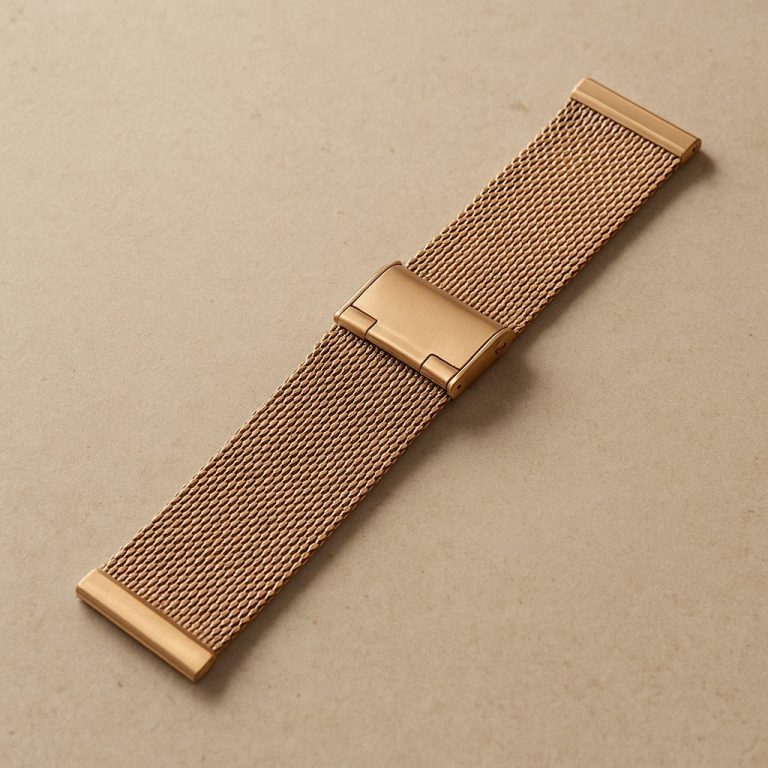
Most metal watch bands are made from stainless steel, chosen for its resistance to corrosion and daily wear. However, even stainless steel is not immune to the challenges of long-term use. Over time, tiny scratches form on the surface, and the links or joints of metal bracelets provide small gaps where sweat, skin oils, and dust collect. Regular rinsing may remove surface grime, but debris lodged in the tight spaces between links or around the clasp becomes harder to dislodge as it compacts or reacts with moisture.
Wearing a metal band during exercise or in hot weather can speed up this process. A simple rinse might once have been enough, but after months of accumulation, only deep cleaning with brushes or ultrasonic cleaners can fully remove the buildup.
Leather Bands: Absorption and Staining
Leather is naturally porous, allowing it to absorb moisture and oils from the skin. This absorption helps the band mold to the wearer’s wrist, but it also means sweat and dirt seep into the surface. With repeated exposure, the leather’s pores become clogged and darkened, leading to visible stains and sometimes a persistent odor. Cleaning methods that work on new leather—such as gentle wiping—often become less effective as the material ages and these substances penetrate deeper.
Over time, attempts to clean with water or soaps can dry out or damage the leather further, making it even more prone to discoloration and cracking. This cycle explains why older leather bands are so difficult to restore to their original appearance.
Fabric Bands: Trapped Grime and Fiber Changes
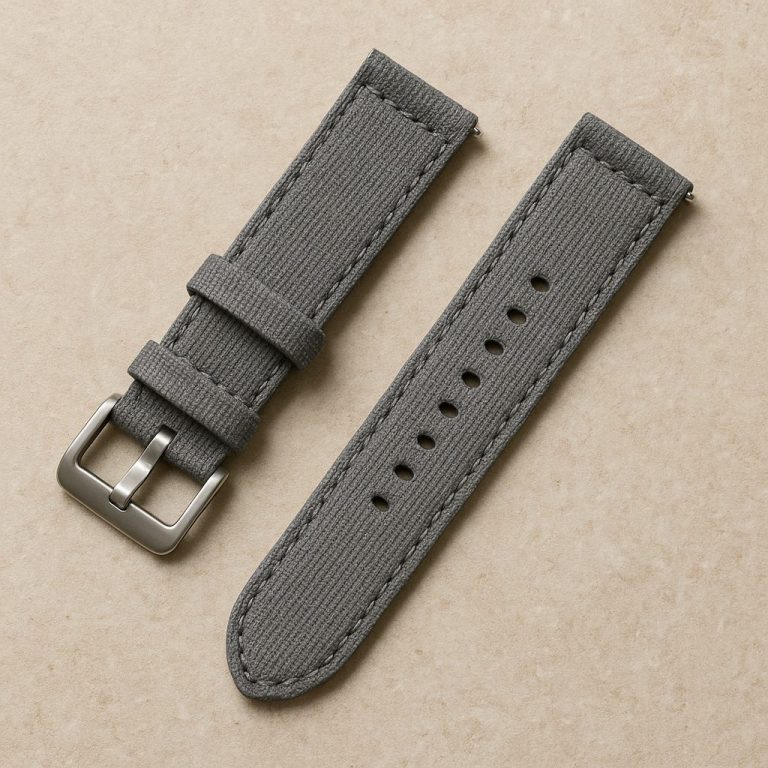
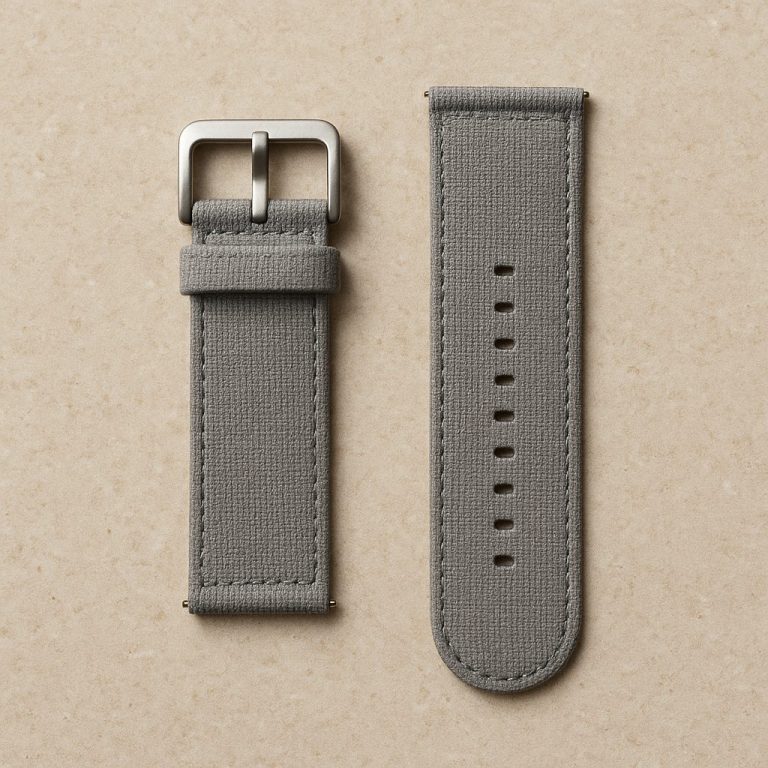
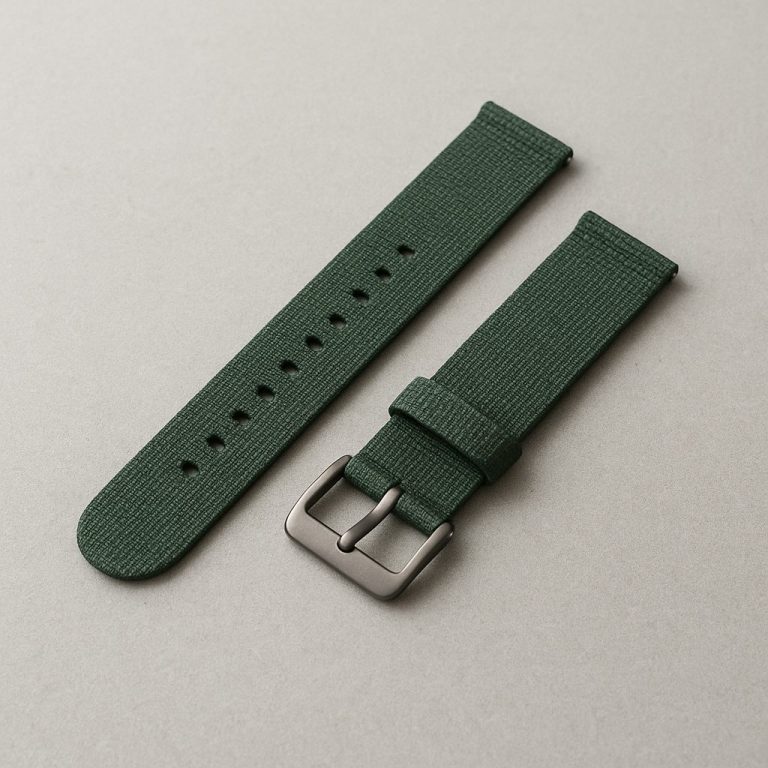
Most fabric watch bands are made from nylon or nylon blends, valued for their comfort and lightweight feel. These bands vary in weave density, thickness, and how tightly the fibers are packed. When new, the fibers are smooth and tightly woven, making it easier to rinse away dirt. As the band ages, the weave may loosen, or the surface may develop a rougher texture, allowing particles to get trapped deep inside.
Sweat and moisture can also cause a slight stretching or fraying of the fibers, especially in bands with a looser or more textured weave. Washing may remove surface dirt, but stains and odors can persist as they become embedded within the fibers. This is especially noticeable with lighter-colored bands, where darkening or patchy discoloration becomes hard to reverse.
Silicone Bands: Surface Changes and Stubborn Residue
Silicone bands are popular for their flexibility and water resistance, making them a common choice for sports and casual wear. Despite their smooth, non-porous appearance, silicone can change subtly with prolonged use. Skin oils, lotions, and sweat may cause the surface to become slightly sticky, attracting lint, dust, and dirt more readily than when new.
Repeated exposure to sunlight or chemicals (such as sunscreen or insect repellent) may cause fine surface cracks or slight discoloration. Once grime settles into these micro-cracks or adheres to the sticky surface, simple soap and water may not be enough for a full clean. The result is a band that looks and feels less fresh, even with regular washing.
Other Factors Contributing to Cleaning Challenges
Apart from material characteristics, several practical factors can make watch bands harder to clean as they age:
- Frequency of Cleaning: Infrequent cleaning allows grime to build up, making it more difficult to remove later.
- Exposure to Sweat and Moisture: Daily wear during exercise or in hot weather increases the amount of absorbed sweat and dirt.
- Environmental Contaminants: Exposure to dust, oils, lotions, or chemicals can accelerate surface changes in all materials.
- Cleaning Methods Used: Overly aggressive cleaning can damage the surface or structure of the band, worsening the problem.
For example, using harsh cleaning agents on leather or fabric can strip natural oils, causing the material to dry out or fray. On metal bands, submerging in water may not reach debris deep within the links.
When Routine Cleaning Isn’t Enough
There comes a point when everyday cleaning routines—such as wiping with a damp cloth or rinsing under water—simply aren’t effective. At this stage, more involved methods may be needed, like using a soft brush for metal links or a specialized cleaner for stubborn stains on leather. For fabric bands, soaking in mild soap may help, but deeply ingrained odors or discoloration may never fully disappear.
A practical tip: removing the band from the watch (using the spring bars or quick-release pins, if present) and cleaning it separately can often yield better results, especially for metal or fabric bands. Allowing the band to dry completely before reattaching it helps prevent further buildup of moisture and contaminants.
Recognizing When to Replace a Watch Band
Repeated difficulty in cleaning, persistent odors, or visible damage such as cracking, severe fraying, or rust may signal that a band has reached the end of its useful life. While deep cleaning can extend the lifespan of many bands, some changes—like deeply absorbed stains in leather or fabric, or surface cracking in silicone—are usually irreversible.
Understanding these material changes helps set realistic expectations about maintenance and when it’s time to consider a replacement for hygiene or appearance reasons.
Practical Insight: Why Cleaning Gets Tougher Over Time
Watch bands become harder to keep clean over time because of gradual material changes, buildup of sweat and grime, and the effects of daily wear. Each material presents unique challenges as it ages, and cleaning methods that worked when the band was new may no longer be effective as residues settle deeper or surfaces change. Recognizing these shifts makes it easier to adapt cleaning routines and decide when a band needs more intensive care or replacement.