Why some watch bands crease more easily than others
Visible Creasing on Watch Bands: What Causes It?
A wristwatch that looked smooth and new at first can start to show noticeable creases or bends along the band after being worn for a few weeks. These marks may appear near the holes of a leather strap, across the width of a silicone band, or at flex points on certain fabric straps. While some wear is expected with regular use, some watch bands seem to crease much more quickly and obviously than others.
Main Factors Affecting Crease Formation
The tendency of a watch band to crease depends largely on the material, as well as how the band is constructed and used. The following sections examine why certain types of bands are more likely to develop creases, and what features influence this behavior.
Material Type and Its Role
Each major band material—leather, metal, fabric, and silicone—responds differently to repeated bending and wear. The table below offers a quick overview of how common materials behave:
| Material | Crease Tendency | Why Creasing Happens |
|---|---|---|
| Leather | High | Natural fibers compress and stretch |
| Fabric (mainly nylon blends) | Moderate to Low | Depends on weave and thickness |
| Metal (stainless steel most common) | Very Low | Rigid links resist bending |
| Silicone | Low to Moderate | Flexible, but can form set bends over time |
Leather Straps: Why Creasing Is Common
Leather straps are especially prone to creasing. This is because leather is made of tightly packed natural fibers, which compress, stretch, and eventually form permanent bends after repeated flexing. A crease usually appears where the band is most often bent—such as the spot that fits through the buckle or the holes that receive the pin.
Thin leather straps, or those with very soft padding, tend to crease more quickly. Humidity and sweat can soften leather, making it more likely to develop permanent marks. Frequent tightening or bending the strap at the same point increases the effect. For example, someone who wears a watch daily and fastens it on the same hole will usually see a crease develop there within a few weeks.
Fabric Bands: Weave, Density, and Stretch
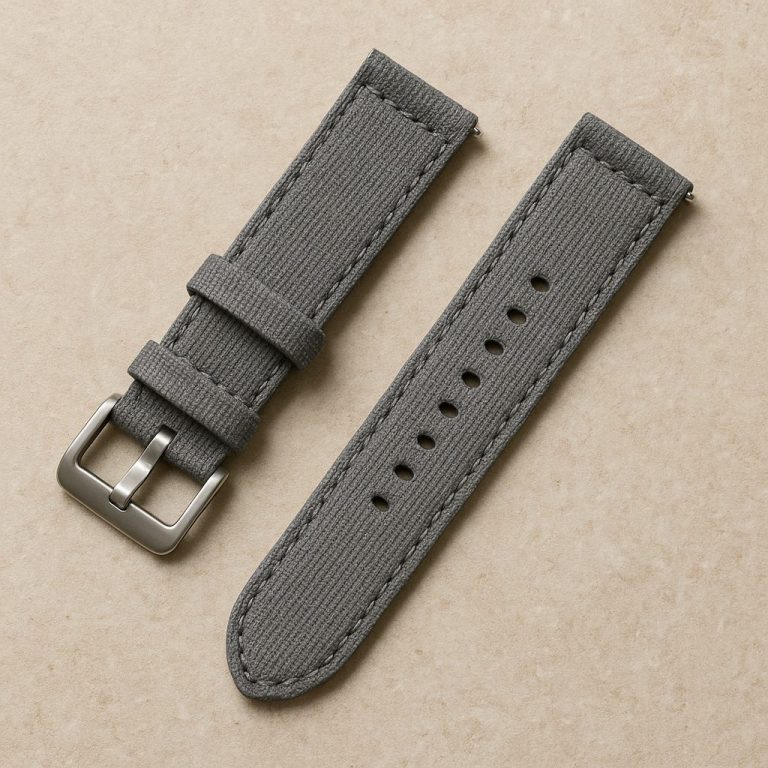
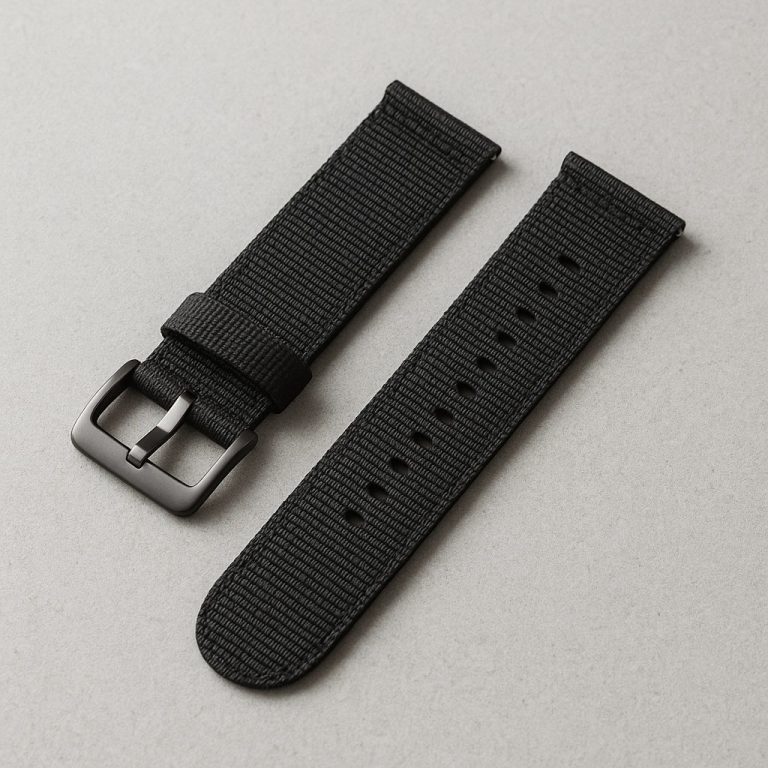
Most fabric watch bands are made from nylon or nylon blends, which vary in weave density, thickness, and elasticity. Dense, tightly woven straps (such as those used for some field watches) are more resistant to creasing, as the structure holds its shape better under tension. In contrast, softer or looser weaves can form bends or creases where the strap is repeatedly pulled through a loop or fastened.
Thicker nylon bands tend to resist visible bending, while thin, more elastic bands might develop mild creases at common flex points. The effect is usually less obvious than with leather, but can become noticeable in high-wear spots, such as near the holes or where a hook-and-loop fastener folds over itself.
Silicone Bands: Flexibility and Memory
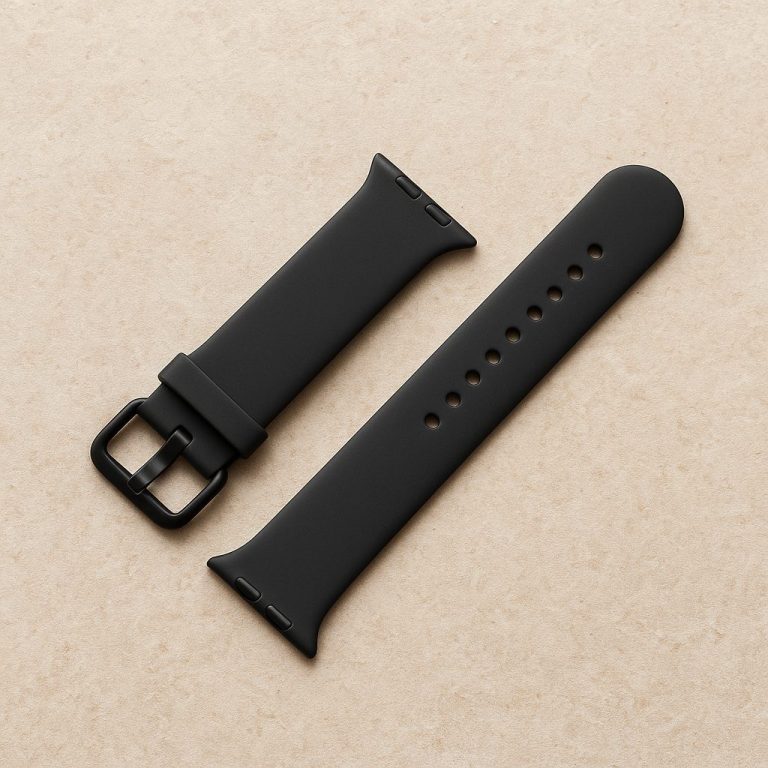
Silicone bands resist most forms of creasing because of their flexibility and ability to return to their original shape. However, over time, especially if the band is always bent or buckled in the same place, a set bend or faint crease may appear. This is more likely in thinner silicone bands or those that are left tightly wrapped around objects (like a charging stand or small wrist) for long periods.
Repeated stretching or bending in the same direction can eventually train the silicone to form a slight permanent curve. Still, compared to leather or some fabric bands, silicone remains much less prone to visible creasing, and minor bends often disappear with use.
Metal Bracelets: Why They Rarely Crease
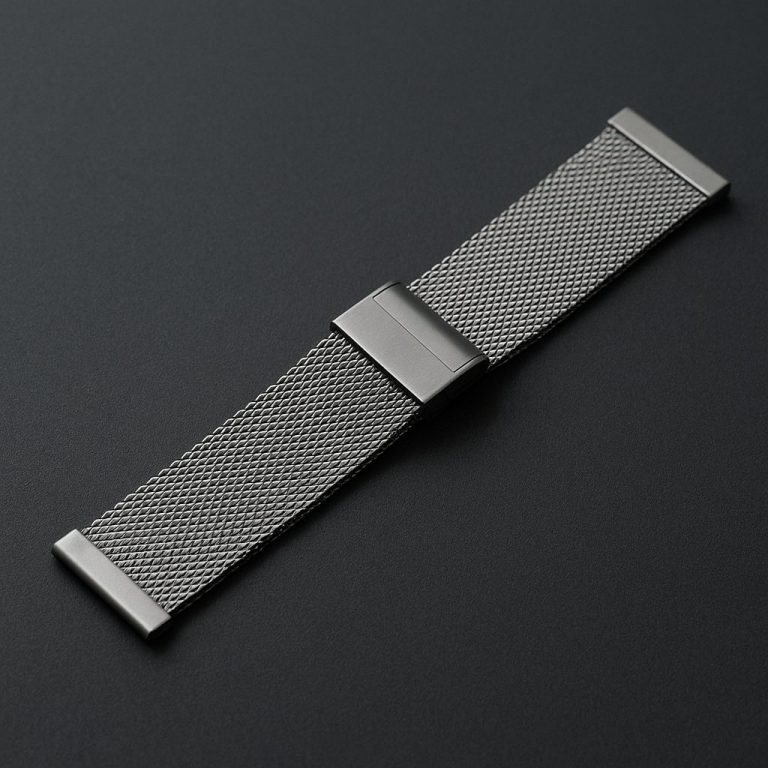
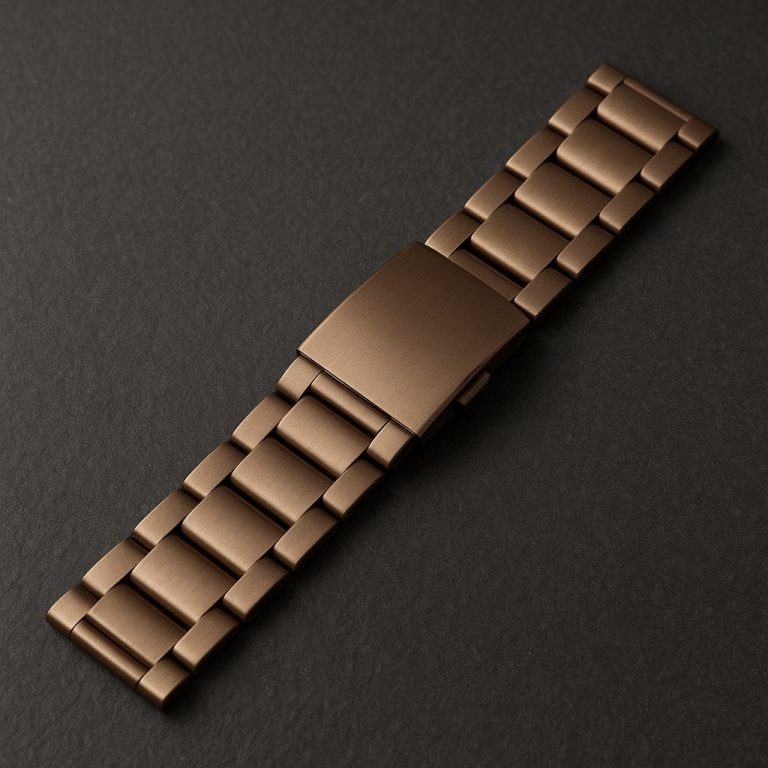
Metal watch bands, typically made from stainless steel for its durability and corrosion resistance, are constructed from interlocking links. These links are designed to flex at specific points, allowing the bracelet to curve smoothly around the wrist without bending or creasing the material itself. Since metal does not compress or stretch like fabric or leather, permanent creases do not form. Instead, any visible changes over time are more likely due to scratches or dents rather than creasing.
Other Influencing Factors
Band Thickness and Layering
Thicker bands, whether leather, fabric, or silicone, distribute bending forces over a larger area and are less likely to form sharp creases. Bands with multiple layers or reinforced cores maintain their shape better than thin, single-layer designs. For instance, a padded leather strap will resist deep creasing longer than a thin, unlined one.
Usage Patterns and Wear Habits
Fastening the band at the same hole or position each day focuses repeated stress on a small area, making a crease more likely. Removing and putting on a watch carelessly—such as pulling the band sharply—can accelerate the effect. Moisture from sweat or rain can also soften materials, especially leather, speeding up visible creasing.
Environmental Conditions
High humidity, exposure to water, or direct sunlight can impact band materials. Leather, in particular, absorbs moisture and then dries out, leading to more prominent creases. Silicone is more resistant to environmental effects, but extreme cold can temporarily stiffen the material, making it more susceptible to forming a set bend if kept in that shape for long periods.
Comparing How Bands Hold Up Over Time
Users who prefer a watch band that maintains a crisp, uncreased appearance should consider how each material reacts to daily wear. For example, someone who wears a watch every day and values a pristine look might find that a metal bracelet or a dense nylon band stays smoother over time compared to a soft leather strap. On the other hand, those who enjoy the character that comes with a worn leather band may not mind a bit of creasing, which often develops into a patina unique to each wearer.
Simple habits can help reduce creasing, such as alternating which hole is used when fastening a strap, storing the watch flat when not in use, and cleaning the band regularly to remove sweat and oils. For fabric bands, rotating between two straps allows each to recover its shape between uses. With silicone bands, avoiding prolonged bending or stretching in one spot helps prevent set bends from forming.
Understanding Creasing for Better Band Longevity
The ease with which a watch band creases comes down to the interplay between material, construction, and daily habits. Leather straps show creases most readily, especially when thin or frequently moistened. Fabric bands made from nylon blends vary—dense weaves hold their shape, while softer weaves may bend. Silicone bands are flexible and generally resist creasing, but can develop faint bends if always worn in the same position. Metal bracelets, with their rigid links, almost never crease in the same way. Recognizing how and why these changes occur can help users choose the right band for their lifestyle and maintain its appearance for as long as possible.