Why some watch bands become harder to slide through loops or keepers
Why Bands Stiffen or Stick in Watch Loops
After months or years of daily wear, a watch band that once glided easily through its loops or keepers can begin to feel tight, stiff, or sticky. Sometimes, it becomes a struggle to tuck the end of the band in place, or to adjust the fit quickly. This situation can be frustrating and may even cause premature wear on the band or the loops themselves. Several factors contribute to this problem, and understanding them can help prevent damage and make everyday use smoother.
Factors That Make Bands Harder to Slide
Watch bands are designed to move easily through loops, but changes in material properties, buildup of debris, or shifts in band shape can interfere with this motion. The underlying reasons vary depending on the type of band and how it is used.
Material Swelling, Stiffening, and Wear
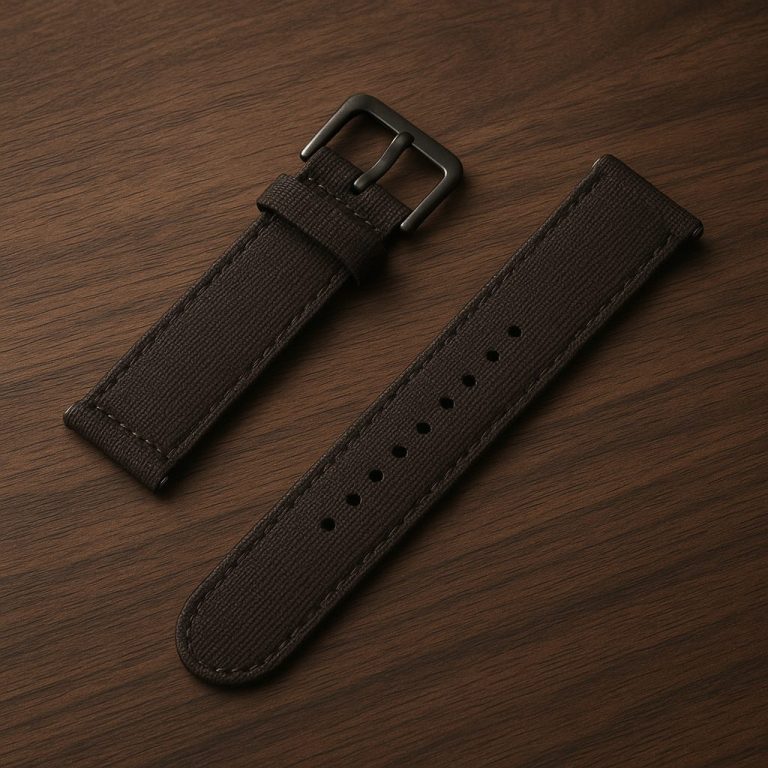
Leather Bands: Leather is naturally porous and absorbs moisture from sweat, rain, or washing hands. Over time, this moisture causes swelling or warping. As the leather dries, it may stiffen, making the band less flexible. Repeated cycles of dampness and drying can also lead to minor surface cracking or hardening, which makes the band more difficult to slide through tight loops.
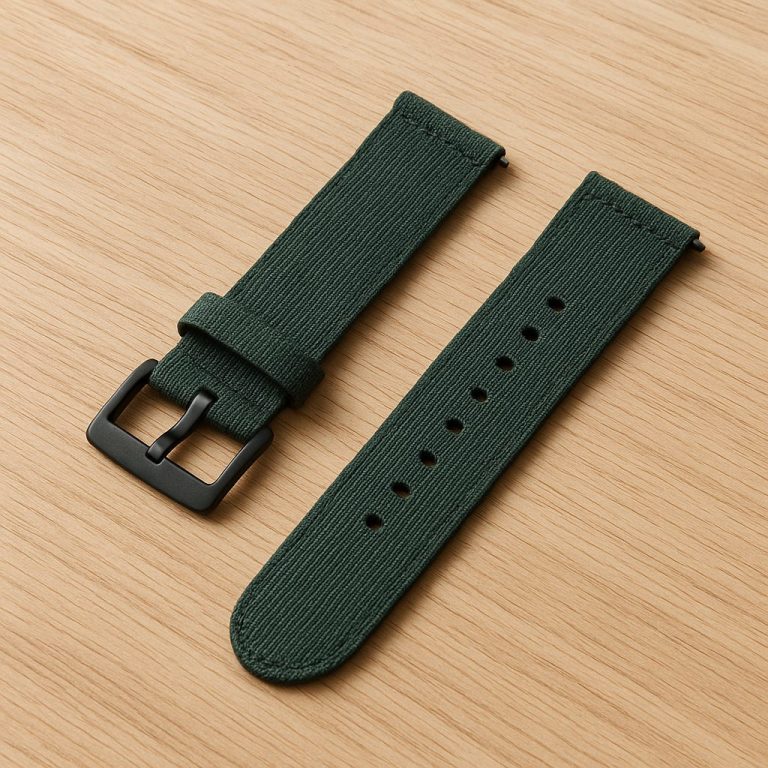
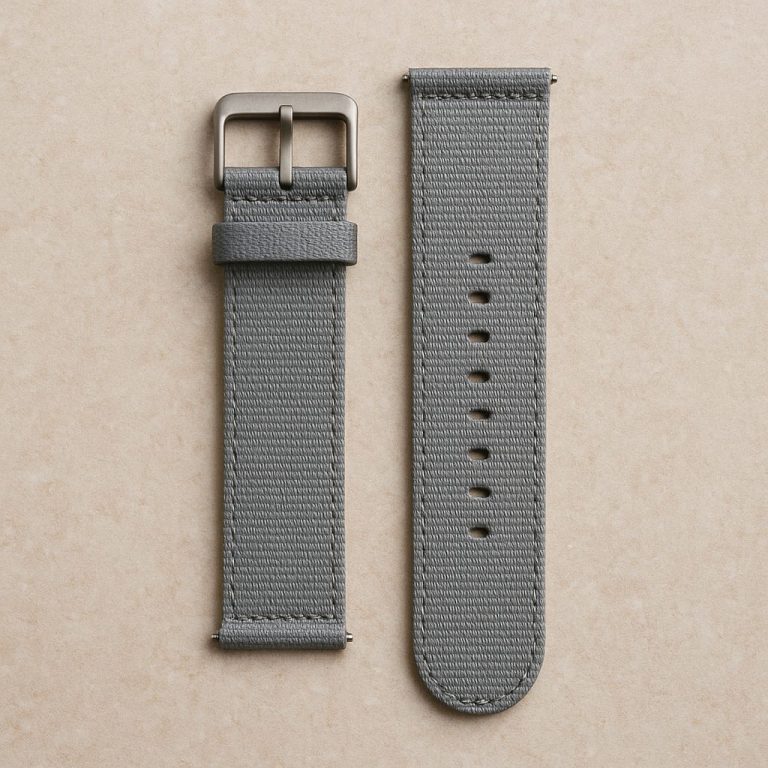
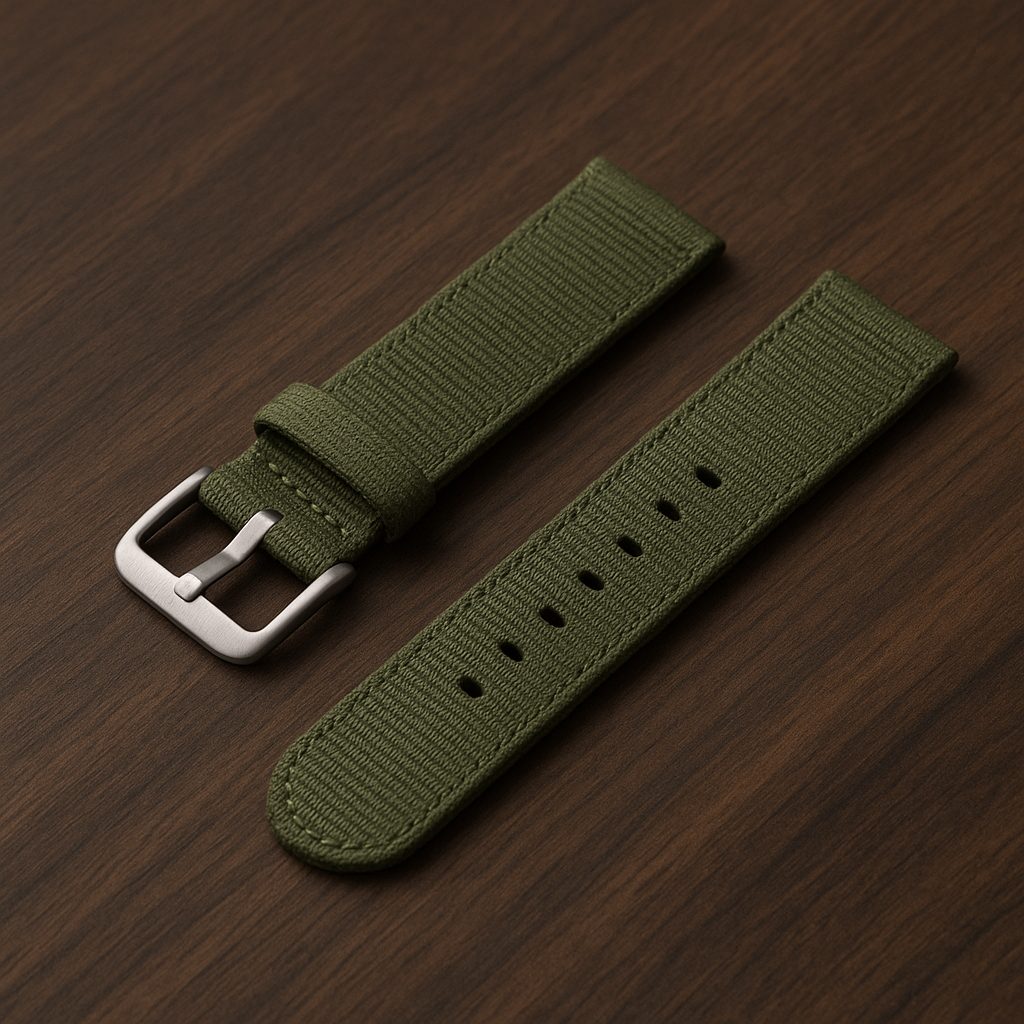
Fabric Bands: Most fabric bands are made from nylon or nylon blends. The weave density, thickness, and elasticity can vary widely. If the fabric absorbs water or sweat, it may swell or become stiffer, especially in dense weaves. Over time, the edges can fray or thicken, creating extra friction with the loops. Dirt and grime also accumulate in the weave, making the surface rougher and more difficult to slide.
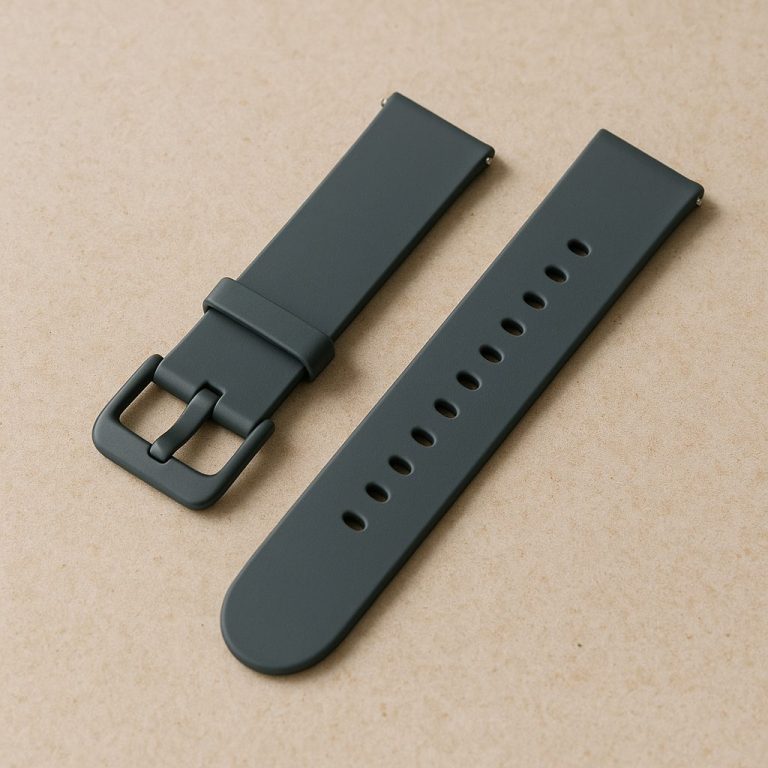
Silicone Bands: Silicone bands are flexible but can attract dust, lint, and skin oils. This buildup creates a tacky surface that drags against the loops or keepers. With extended use, the surface of silicone may also develop a slightly sticky texture, especially if cleaned infrequently.
Metal Bands: Metal bracelets, most commonly made of stainless steel for durability and corrosion resistance, are less prone to swelling. However, if the links become bent or misaligned, or if debris collects between the links, movement through loops (such as a deployant clasp keeper) can become restricted.
Loop and Keeper Condition
The loops or keepers that secure the end of the watch band also play a role. If these components are made from rigid metal or thick leather, any deformation—such as bending or stretching—can change the clearance between the band and the loop. Dirt and residue inside the loops can also increase friction, making it harder for the band to pass through smoothly.
Environmental and Usage Factors
Exposure to sweat, lotions, or environmental dirt accelerates the buildup of residue on both the band and the loops. Daily activities in hot, humid, or dusty environments can cause more rapid accumulation. In some cases, repeated tugging or pulling on the band—especially if done forcefully—can deform the end of the band or the loop, making the problem worse.
How Band and Loop Changes Affect Sliding
| Band Material | Common Change Over Time | Impact on Sliding |
|---|---|---|
| Leather | Stiffening, swelling, minor cracking | Increased friction, harder to pass through loops |
| Fabric (nylon or blends) | Edge fraying, thickening, dirt buildup | Edges catch or snag, rougher movement |
| Silicone | Surface tackiness, dust or lint buildup | Band drags or sticks in loops |
| Metal (stainless steel) | Link misalignment, trapped debris | Band may jam in clasp keepers |
Recognizing and Addressing the Problem
Signs that a band is becoming harder to slide include an obvious increase in resistance when tucking the end into a keeper, visible fraying or swelling at the band edge, or a noticeable sticky or gritty feel. In some cases, the loop itself may appear misshapen, or the band may leave visible residue inside the loop.
One practical tip for fabric or leather bands is to periodically wipe the band and loops with a slightly damp cloth and allow them to dry thoroughly. For silicone bands, a gentle cleaning with mild soap and water can remove built-up oils and lint, restoring a smoother surface. Metal bands benefit from periodic brushing between links and around the clasp area to remove trapped debris. Avoid soaking leather bands, as excessive moisture can make the problem worse.
When to Seek Repair or Replacement
If the band or loop shows severe damage—such as deep cracks, permanent swelling, or broken keepers—it may be necessary to replace the affected part. Trying to force a stiff or swollen band through a keeper can cause further damage, so addressing the issue early helps extend the life of both the band and the loops. In some cases, a professional can reshape or clean the loops, or trim and finish the end of a fabric band to restore smooth motion.
Practical Outcome: Smoother Adjustment and Longer Band Life
Watch bands become harder to slide through loops or keepers mainly due to material changes, buildup of residue, and deformation with regular use. Recognizing early signs of friction or stiffness and performing simple cleaning can help keep bands moving smoothly and prevent unnecessary wear. Paying attention to the condition of both the band and the loops ensures easier daily adjustments and helps maximize the lifespan of your watch band.