Why does a watch feel awkward after changing to a different band material
Noticing a Change: When a Different Watch Band Material Feels Unfamiliar
After swapping a metal bracelet for a silicone band or trading a leather strap for a nylon fabric one, the watch can suddenly feel unfamiliar on your wrist. Sometimes the watch seems to shift more during daily activities, or the new band feels tighter or looser even though it’s adjusted to the same length. These subtle but noticeable differences can make wearing the same watch feel awkward, especially in the first few days after the change.
How Material Properties Affect Sensation and Fit
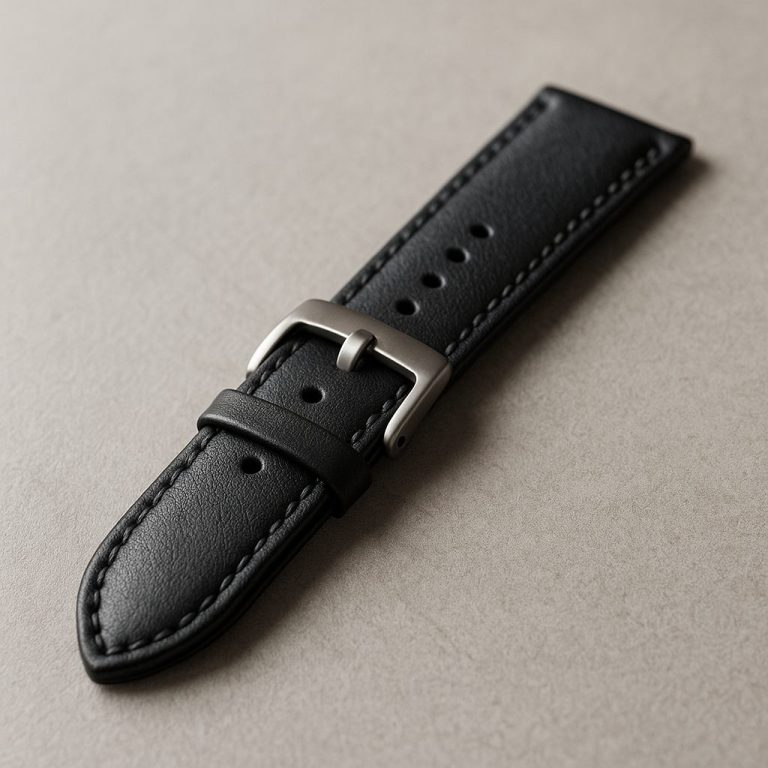
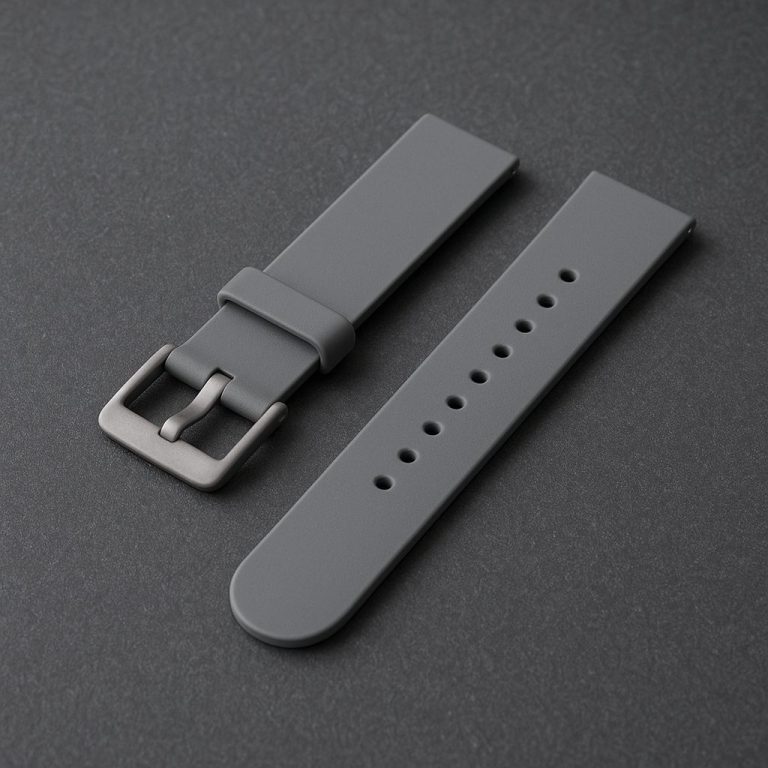
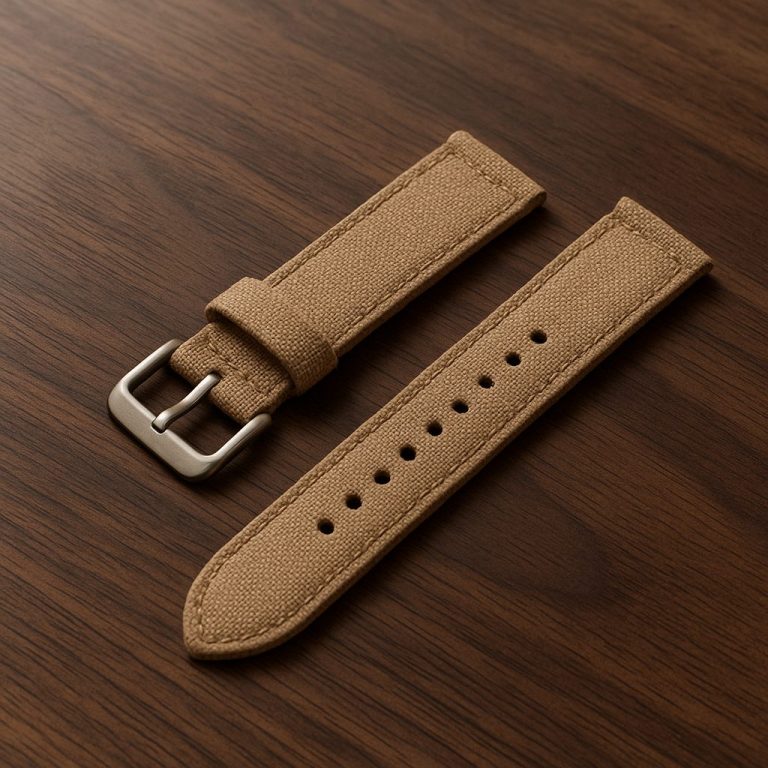
Each watch band material—metal, leather, fabric (usually nylon or blends), and silicone—has distinct characteristics that influence how a watch sits, moves, and feels. The primary factors that cause awkwardness after switching include rigidity, weight, surface texture, and flexibility. Even if the band looks similar in width or thickness, the underlying material properties can make a big difference in comfort and perception.
Rigidity and Movement
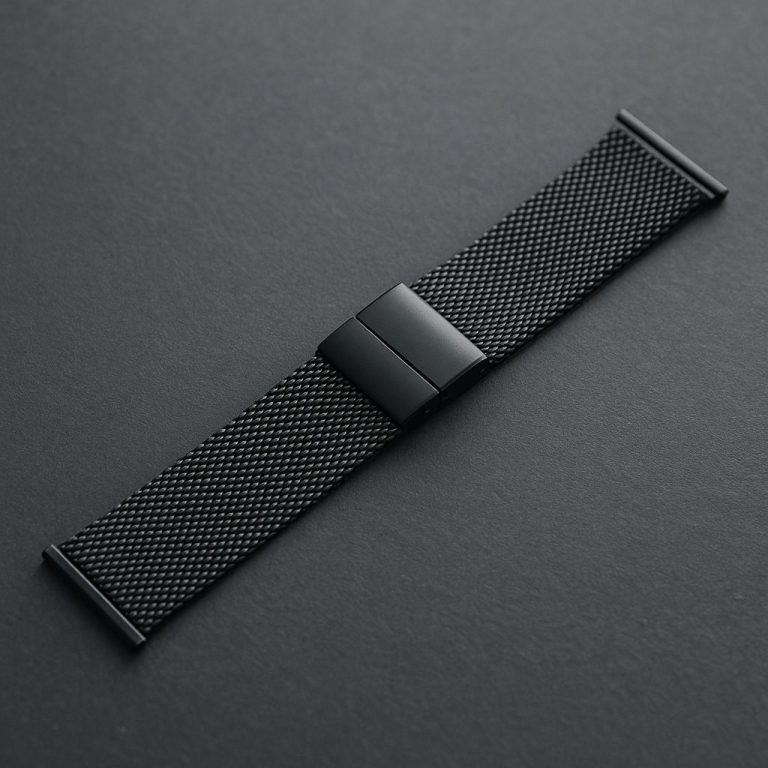
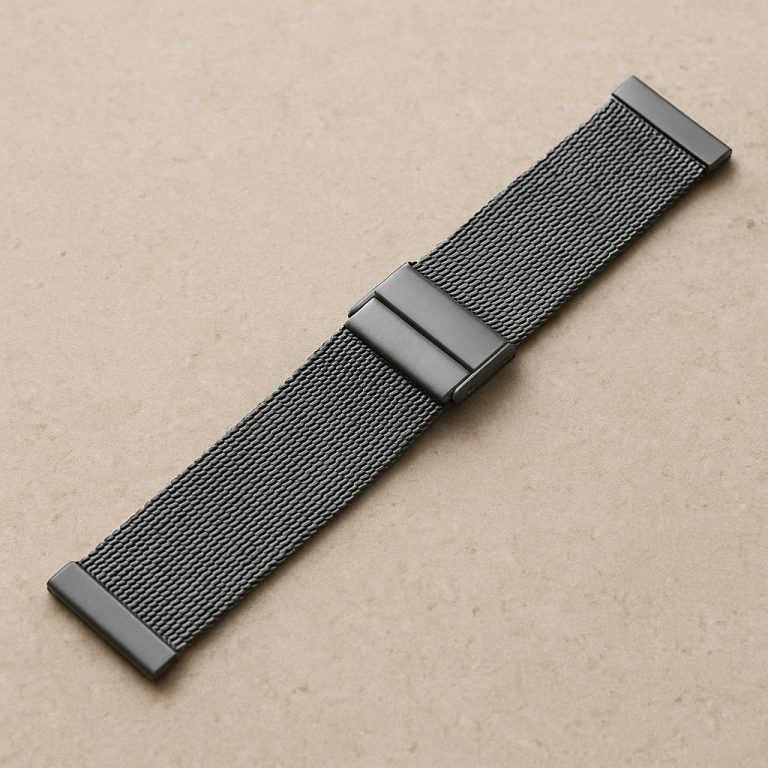
Metal bracelets, typically made from stainless steel for its durability and corrosion resistance, are less flexible than most other band types. They hold their shape and distribute the weight of the watch more evenly across the wrist. When you switch from metal to a softer material like silicone or leather, you may notice the watch head shifting more during hand movement. This is because softer bands flex with your wrist, while rigid metal links hold the watch in place.
Weight Differences
The combined weight of the watch and its band affects how the watch feels. Metal bracelets are generally heavier, providing a solid, anchored sensation. Leather, fabric, and silicone bands are lighter, often making the watch feel less substantial. Some people find that their watch feels “too light” or less secure after switching from metal to a lighter material. Conversely, changing from a lightweight band to metal can make the watch feel bulkier or more prominent on the wrist.
| Band Material | Rigidity | Typical Weight | Surface Texture | Flexibility |
|---|---|---|---|---|
| Metal (Stainless Steel) | High | Heavy | Smooth/Polished | Low |
| Leather | Medium | Moderate | Soft/Textured | Medium |
| Fabric (Nylon/Blend) | Low–Medium | Light | Varies (woven, smooth, coarse) | High |
| Silicone | Low | Light | Soft/Grippy | High |
Surface Texture and Skin Contact
The contact between the band and your skin changes with the material. Leather bands can feel warm and mold to your wrist over time, but may be stiff at first. Metal bracelets are usually smooth, but can feel cool or even pinch if the links catch hair. Fabric bands, most often made from nylon or blended fibers, vary widely in weave and thickness—some are soft and flexible, others stiffer or more textured. Silicone bands are soft and slightly elastic, often with a tackier feel that can grip the skin more than other materials, especially in warm weather or if you sweat. This difference can make the watch feel either more secure or more restrictive, depending on your activity and personal preference.
The Role of Band Thickness and Elasticity
Even when a new band is adjusted to the same length as the old one, its thickness and elasticity can change how tight or loose the watch feels. For example, silicone bands stretch slightly as you move, while metal and thick leather bands do not. Fabric bands vary: a dense weave may be stiffer, while a thin, flexible one might allow for more movement. This means that during daily wear, your watch might suddenly feel tighter when your wrist flexes or looser when your arm is at rest, depending on the band’s material.
Attachment Mechanisms and Stability
The way a watch band attaches to the case also influences stability. Most watch cases use lugs—small projections where the band meets the case. Bands connect to these lugs using mechanisms like spring bars or quick-release pins. If the new band is thinner or more flexible than your previous one, it can allow for more side-to-side movement, especially if the spring bar channel is wider than the band itself. This can make the watch head twist or rotate more than usual, contributing to a feeling of awkwardness.
Adjustment and Sizing Challenges
Each material requires a slightly different approach to getting the right fit. Metal bracelets are typically adjusted by adding or removing links for a precise fit. Leather, fabric, and silicone bands use holes and buckles or other closure systems, which can leave you between two sizes. A leather strap might feel snug at one hole but too loose at the next, while a silicone band’s flexibility means it can feel comfortable at rest but tight during activity. Fabric bands, especially those made from thinner or stretchier nylon blends, can shift and compress differently depending on wrist movement and temperature.
Personal Habits and Activity Level
The way you use your hands and arms can amplify how a new band material feels. Typing at a desk, carrying bags, or exercising can highlight differences in how the band presses into your skin or holds the watch head in place. For example, a silicone band may grip more during active movement, while a metal bracelet may slide up and down the wrist more easily. If you wear your watch loosely, a fabric or silicone band may feel less stable until you adjust to its movement characteristics.
Adapting to the New Feel
It’s natural for the sensation of your watch to change after fitting a different band material. Most people notice the difference most in the first few days, especially if the new band is a dramatic shift from what they’re used to. Skin contact, movement, and even temperature can influence how the new material feels. If your watch feels awkward after a change, try wearing it for a few days to allow both your skin and your habits to adjust. Small adjustments in band tension or position on the wrist can also help minimize discomfort during the transition.
Why the Transition Feels Noticeable
The physical properties of each band material—weight, flexibility, surface feel, and attachment method—directly affect the way your watch interacts with your wrist. Switching from metal to silicone, leather to fabric, or any other combination introduces new sensations and movement patterns. This is not a flaw in the band or the watch, but a natural result of changing materials with different tactile and structural qualities. Over time, most people adapt to the new feel, but understanding why these shifts happen can make the transition smoother and help you select band materials that better match your preferences and daily routines.