Why a watch band does not need to be perfect to become a favorite
How Personal Preferences Shape Watch Band Favorites
Someone may notice that despite owning several watch bands with flawless stitching or immaculate finishes, the one they reach for most often has a tiny scratch, a stretched hole, or faded coloring. Even when a band isn’t in perfect shape—maybe it’s slightly discolored or the clasp doesn’t snap as crisply as before—it can still become the default choice for daily wear. This raises a question: why do imperfect watch bands often become favorites, even when more pristine options are available?
Comfort and Familiarity Over Perfection
Wearing a watch band for hours each day quickly reveals what matters most: how it feels on the wrist. Small flaws, such as a minor frayed edge on a fabric strap or a faint scuff on a metal bracelet, seldom affect the overall comfort. Over time, a band that molds to the wrist or softens at key points can provide a sense of familiarity that outweighs cosmetic concerns.
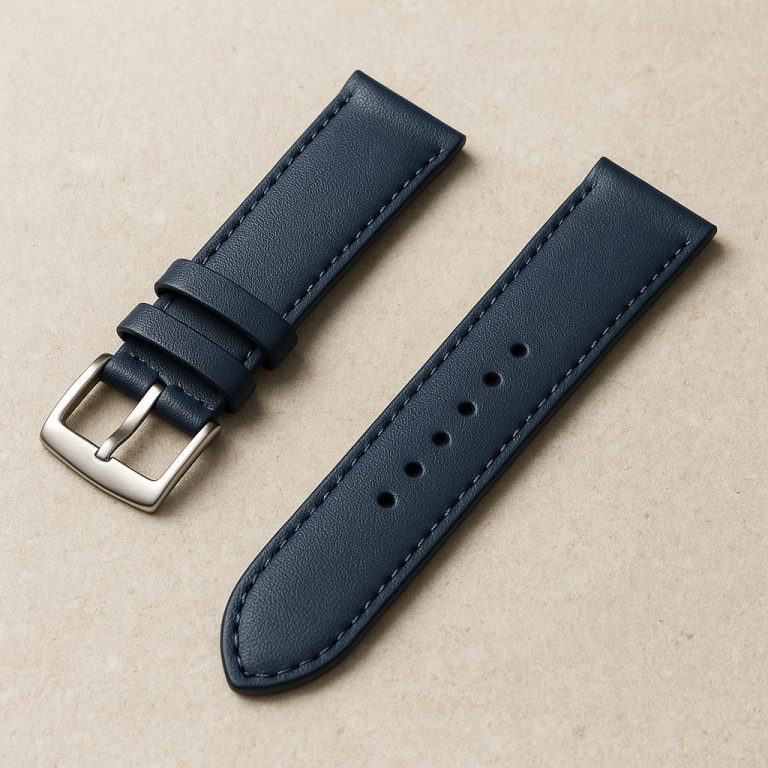
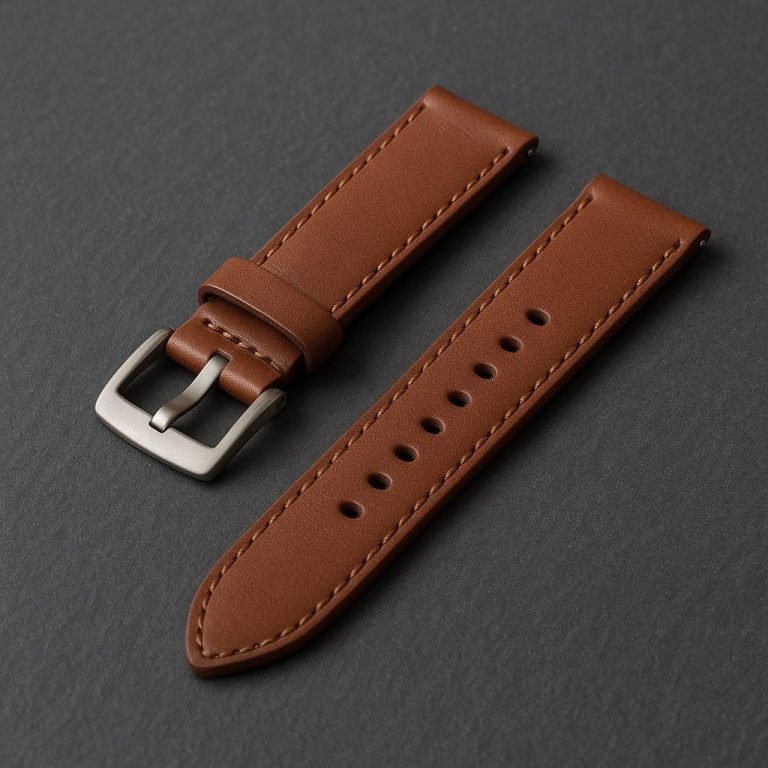
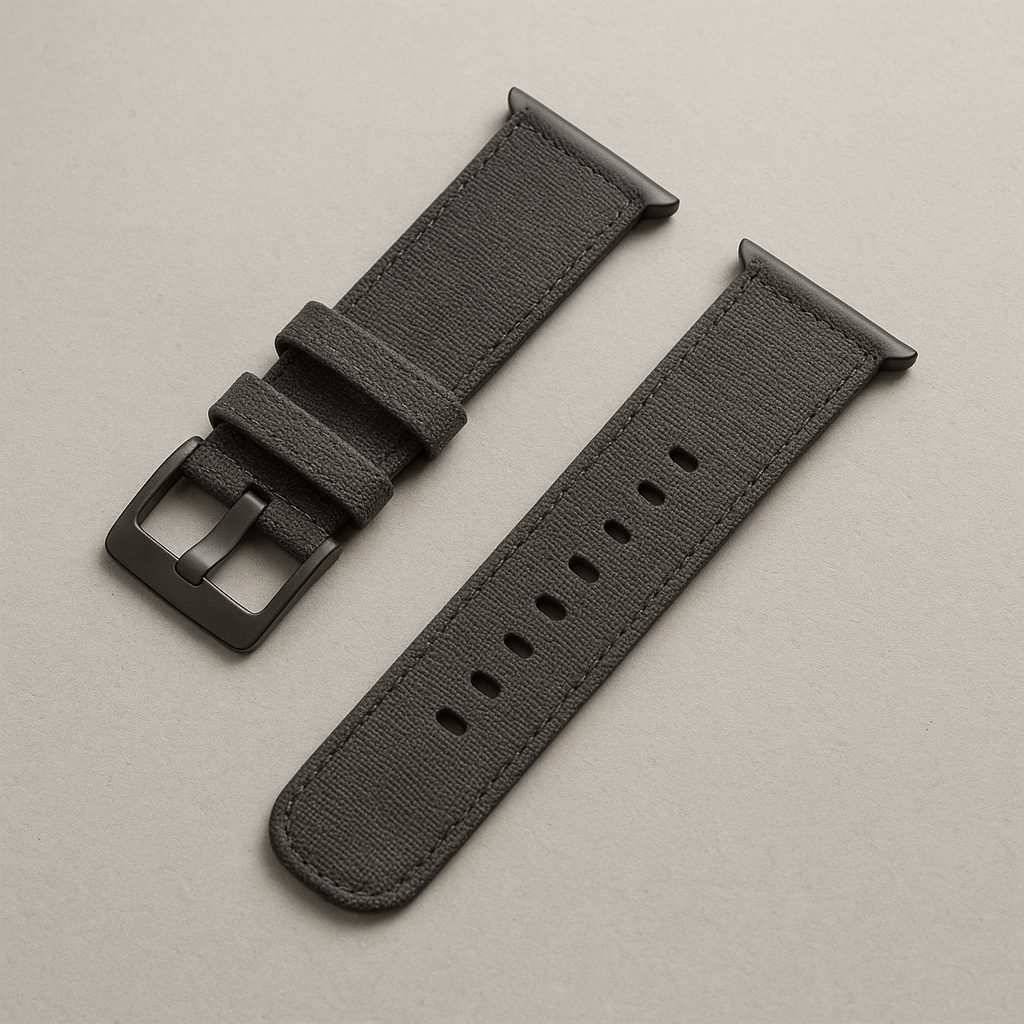
The sensation of a well-worn leather strap, for example, often becomes more appealing as it breaks in and conforms to the wearer’s wrist shape. Similarly, fabric bands—typically made from nylon or nylon blends—may show slight stretching or subtle fading, but these changes can make them feel more flexible and personal. The elastic qualities and weave density of different fabric straps also influence how they adapt to daily use, sometimes making them even more comfortable over time despite visible imperfections.
Small Imperfections Can Add Character
A watch band’s story often includes visible marks—creases, scratches, or gentle fading—that remind the wearer of trips, workdays, or adventures. These imperfections do not necessarily detract from the overall experience; instead, they can make the band feel unique and irreplaceable. For some, a flawless, unused band may feel impersonal, while a slightly worn one carries the subtle history of its use.
Leather bands, for instance, tend to develop a patina and may show creasing where the buckle sits. Rather than being seen as damage, these changes are often appreciated for the character they add. Likewise, metal bracelets—most commonly made from stainless steel for its durability and corrosion resistance—may pick up fine scratches, especially on the clasp or links. These marks are evidence of regular wear and rarely affect function.
Functionality and Adaptation to Daily Needs
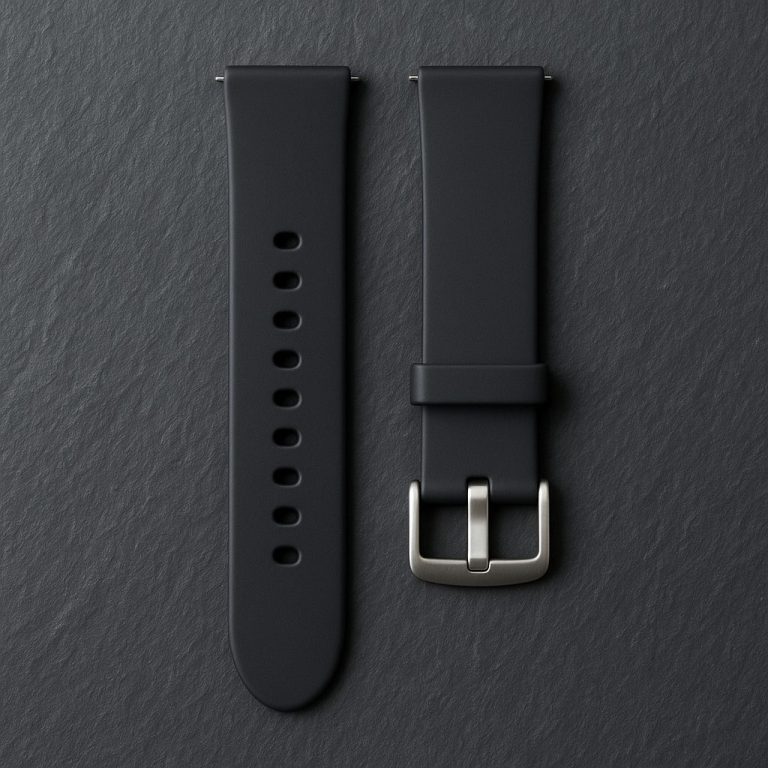
Not all imperfections impact how a watch band works. A slightly loose pin or a clasp that takes an extra second to close is often tolerated if the band fits well and stays secure during daily tasks. Over time, some bands adapt to the user’s habits. For example, a silicone band might become softer and slightly more flexible after repeated stretching, making it easier to put on and remove, especially during activities like exercise or swimming.
Even fabric bands that have developed a bit of fraying at the edges or uneven fading can remain reliable for daily use. Their weave density and thickness might shift after washing or exposure to water, but these changes often enhance comfort or flexibility rather than cause problems. When a band remains functional and doesn’t hinder the watch’s attachment to the wrist, small cosmetic issues are easily overlooked.
Practical Considerations: Why Imperfect Bands Stay in Rotation
Several factors explain why an imperfect watch band keeps getting chosen over newer or “better” options:
- Ease of Use: A worn-in band is often easier to fasten or adjust, especially if the holes on a leather strap have softened or a metal bracelet’s clasp moves more freely.
- Reliability: If a band has held up through various activities without breaking or slipping, minor blemishes become unimportant compared to trust in its performance.
- Emotional Connection: Bands associated with memorable events or gifts often hold sentimental value, making their imperfections meaningful rather than problematic.
- Reduced Worry: A band with existing marks is less likely to cause concern about new scratches or stains, making it a practical choice for active or messy situations.
How Different Materials Respond to Wear
| Material | Common Imperfections | Impact on Favorite Status |
|---|---|---|
| Leather | Creasing, patina, stretched holes | Often increases comfort and character |
| Metal (mainly stainless steel) | Fine scratches, scuffs, minor dings | Rarely affects function; marks add personal story |
| Fabric (usually nylon blends) | Fraying edges, fading, softening | Can improve flexibility and fit |
| Silicone | Surface marks, slight stretching | Often becomes softer and more comfortable |
When Imperfection Becomes a Practical Advantage
In some cases, a watch band’s imperfection is not just tolerated—it can make the band more useful. For example, a slightly stretched hole in a leather band might make it easier to fasten in a hurry, or a faded fabric strap might draw less attention in professional settings. A silicone band with minor scratches may feel less slippery after a few months, providing a more secure grip during workouts or outdoor activities.
For those who work in environments where scratches or stains are common, choosing a band that already shows a bit of wear can reduce worry about keeping it pristine. This practical mindset often leads to the same imperfect band becoming the go-to choice, regardless of other options available.
Choosing What Works: The Value of Personal Experience
Becoming attached to a less-than-perfect watch band isn’t about settling for less; it’s a result of daily experience and individual needs. The marks, creases, or softened edges that develop over time are proof that the band works for the person wearing it. When a watch band fits well into daily life, its imperfections often become part of its appeal, not a drawback.