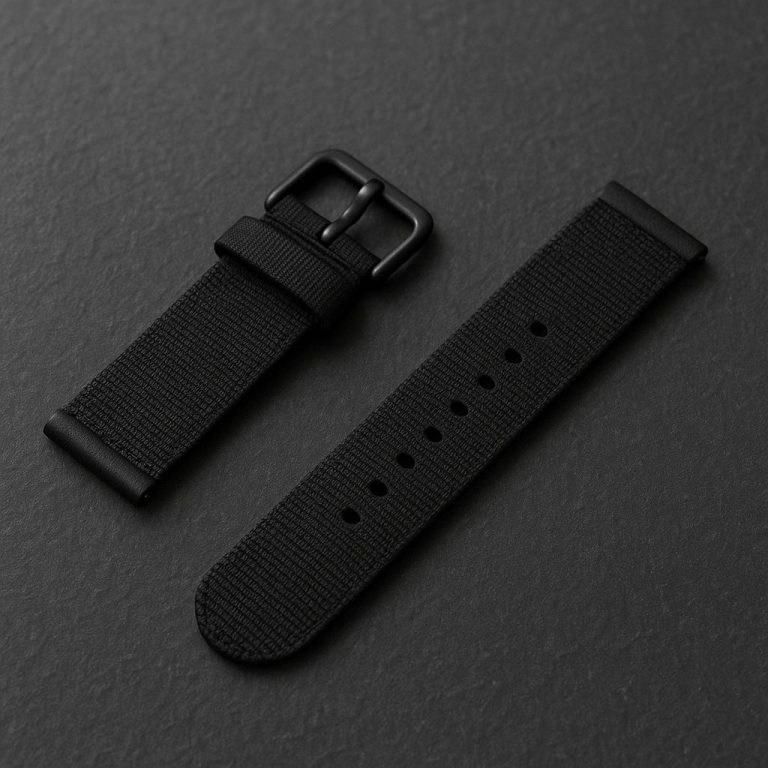
How different strap hole spacing affects fit precision
Small Adjustments, Big Difference: Why Strap Hole Spacing Matters
After tightening a leather watch strap to the third hole, a gap remains between the wrist and the band, causing the watch to slide out of place throughout the day. Moving to the next hole, the fit becomes uncomfortably snug, leaving a red mark after a few hours. This situation highlights a common and sometimes frustrating aspect of watch straps: the spacing between adjustment holes and how it affects finding a comfortable, secure fit.
How Hole Spacing Influences Strap Fit
Strap hole spacing refers to the distance between each adjustment hole on a watch band. This detail—often overlooked—determines how precisely the band can be sized to the wrist. The closer the holes are to each other, the more incremental the adjustments become, allowing for a better chance of achieving an ideal fit. Wider spacing, on the other hand, can force a wearer to choose between a strap that is slightly too loose or slightly too tight.
This issue is most noticeable on bands that use a traditional pin buckle, such as leather, silicone, and many fabric bands. Metal bands, which often use removable links, and some fabric bands with hook-and-loop closures, address adjustability differently.
Common Strap Materials and Their Adjustment Systems
Understanding how hole spacing interacts with different materials and closure systems can help when selecting or modifying a strap:
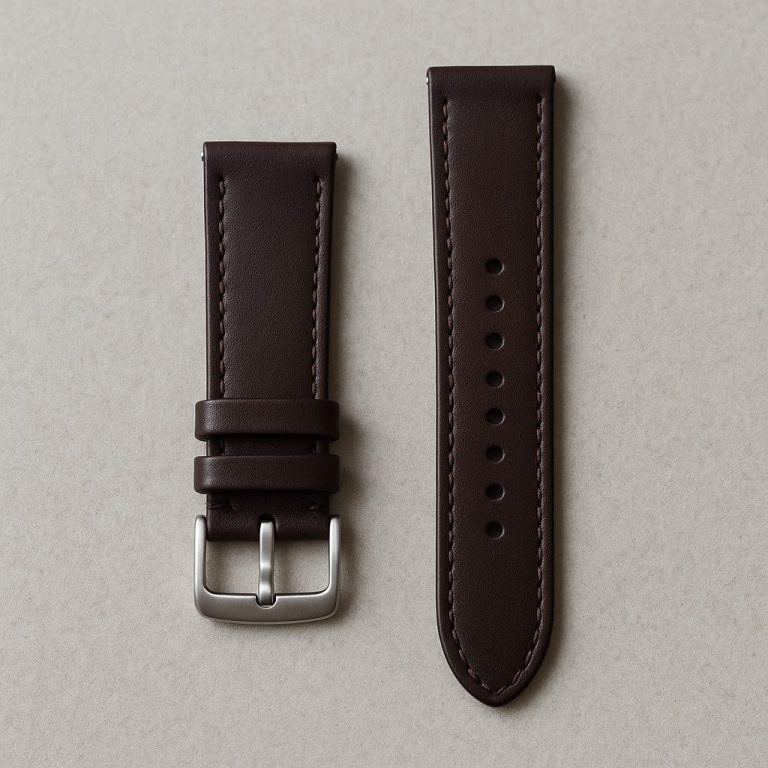
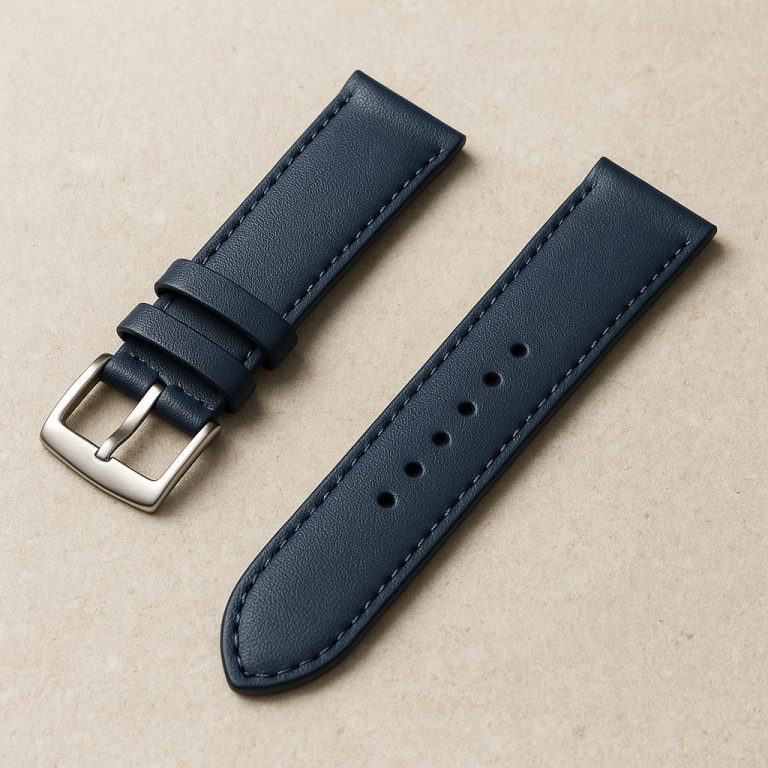
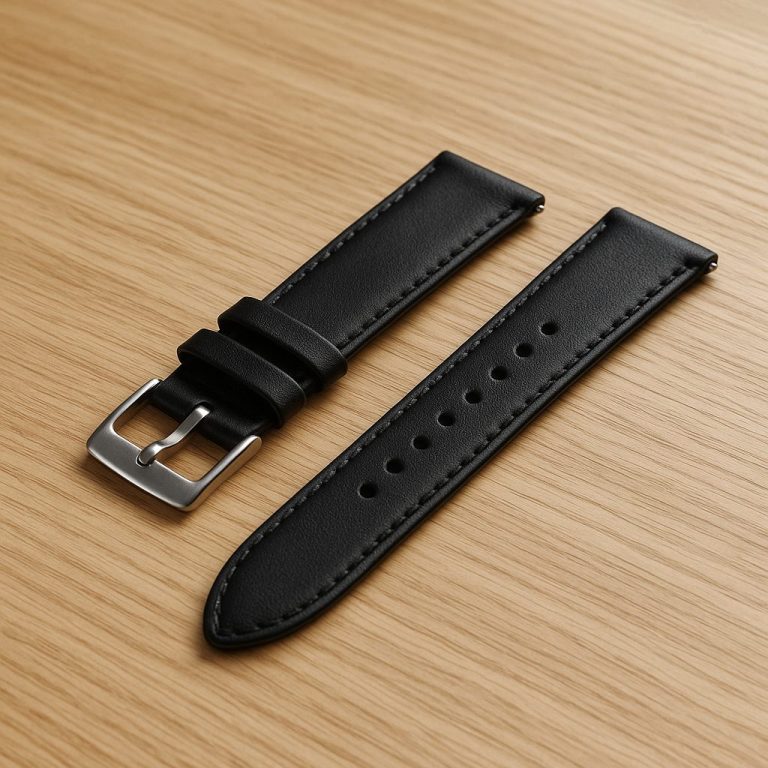
- Leather Bands: Usually feature pre-punched holes spaced at regular intervals, typically between 5 mm and 8 mm apart. Stiffness and thickness of the leather can make the difference between holes feel more significant.
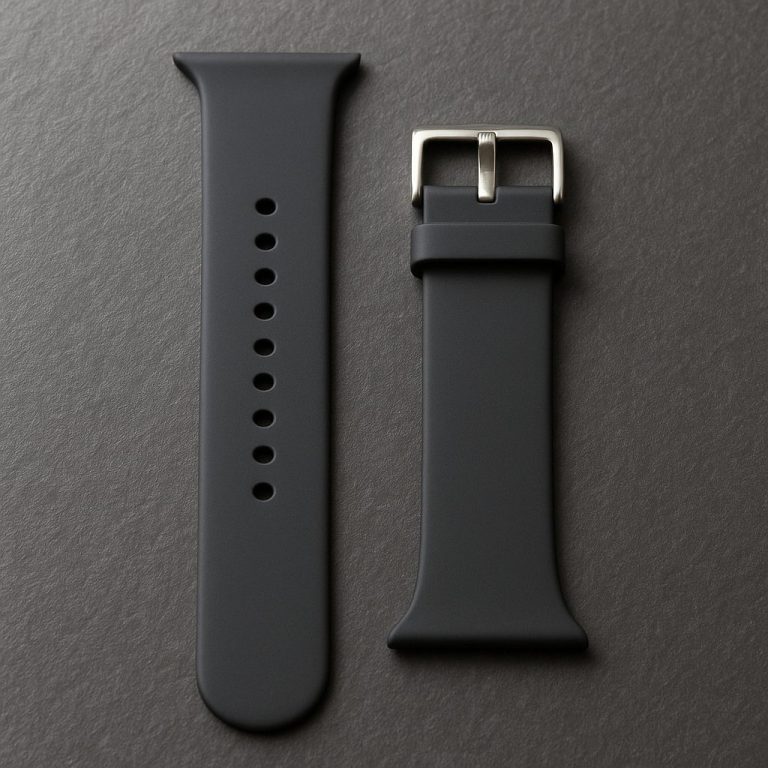
- Silicone Bands: Often use similar hole-and-pin closures, but the inherent flexibility of silicone can sometimes compensate for coarser hole spacing. However, if the holes are too far apart, the band may still feel either too loose or too tight.
- Metal Bands: Most are adjusted with removable links rather than holes. Micro-adjustment features near the clasp can offer small, precise changes, but not all metal bands include this option. Stainless steel is the most common material due to its balance of strength and resistance to corrosion.
- Fabric Bands: Many fabric bands are made from nylon or nylon blends, with weaves that can vary in density and flexibility. Some have fixed holes, while others use sliding or hook-and-loop closures, which allow for continuous adjustment without holes at all.
Fit Precision: How Small Adjustments Make a Big Impact
Fit precision is the ability to adjust a strap so it sits securely on the wrist without being uncomfortable. For bands that rely on holes, the spacing sets the minimum possible adjustment step. If the difference between holes is large, the wearer may not be able to achieve a perfect fit.
Consider a strap with holes 8 mm apart. If the ideal fit for someone’s wrist falls somewhere between two holes, the wearer must decide whether to accept a slightly tight or slightly loose fit. In contrast, a strap with holes just 4 mm apart halves the difference between possible settings, making it easier to find a comfortable adjustment.
| Hole Spacing | Adjustment Precision | Typical Materials |
|---|---|---|
| 2–4 mm | High (fine-tuned fit) | Leather, silicone, some nylon |
| 5–8 mm | Moderate | Leather, silicone, fabric |
| 9 mm or more | Low (coarse adjustment) | Some vintage or decorative straps |
| Continuous (no holes) | Maximum (fully adjustable) | Hook-and-loop, sliding fabric |
Factors Affecting Perceived Fit
Even with the same hole spacing, the experience of fit can differ based on other factors:
- Material Flexibility: Silicone bands stretch more than leather, so a slightly tighter hole may still feel comfortable. Stiffer leather or thick nylon bands can make small differences feel more pronounced.
- Wrist Shape and Swelling: Some wrists change size throughout the day due to heat, activity, or hydration. Fine hole spacing allows for easier adjustment to these changes.
- Hole Reinforcement: With leather and fabric bands, closely spaced holes can weaken the material if not properly reinforced. This is why some straps use metal grommets or double layers at the adjustment end.
- Closure Type: Some bands use special closures, like deployant clasps or sliding buckles, that allow for finer adjustment without relying on holes.
Choosing or Modifying Strap Hole Spacing
For those who find their strap never quite fits right, understanding hole spacing offers practical options:
- Look for Finer Spacing: If comfort is a frequent issue, select straps with holes closer together. For example, a leather band with 4 mm between holes allows more precise adjustments than one with 7 mm spacing.
- Consider Band Material: Flexible materials like silicone can be more forgiving if the hole spacing is not ideal. Stiffer bands may demand finer spacing for comfort.
- Custom Modification: Some people carefully add a new hole using a leather punch or similar tool, especially on leather or silicone bands. Care should be taken to avoid tearing or weakening the strap, especially if the material is thin or the holes are already close together.
- Switch to Continuous Adjustment: Fabric bands made from nylon blends, especially those with sliding or hook-and-loop closures, eliminate the issue entirely by offering infinite adjustment along the length of the strap.
For example, someone who finds a standard strap always feels too tight or too loose might switch to a nylon band with a sliding buckle, or carefully add a new hole midway between two existing ones. This can make daily wear more comfortable and reduce the risk of the watch shifting or pinching during activity.
Practical Outcomes of Different Hole Spacing
The spacing between strap holes is a small design detail that significantly shapes the wearing experience. Fine spacing—typically 2 to 4 mm—gives the best chance of a secure, comfortable fit on leather and silicone bands. Wider spacing reduces the ability to fine-tune, which can lead to either a loose, shifting watch or an overly tight band. For those seeking the most precise fit, continuous adjustment systems found on some nylon or hook-and-loop fabric bands provide the greatest flexibility. Paying attention to both material and hole spacing can help achieve lasting comfort and security in daily wear.