Why Some Watch Bands Cause Skin Irritation and How to Prevent It
Understanding Watch Band Irritation
Wearing a watch is a common practice, but some individuals experience skin irritation as a result. This discomfort can stem from various factors, including the materials used in watch bands and individual skin sensitivities. Understanding why certain watch bands may lead to irritation can help users make informed choices about their accessories and enhance their overall comfort.
Common Causes of Skin Irritation
Skin irritation from watch bands can arise from several factors, including material composition, fit, and personal skin sensitivities. Here are some of the main causes:
Material Sensitivity
Different materials used in watch bands can trigger allergic reactions or irritate the skin. Common materials include:
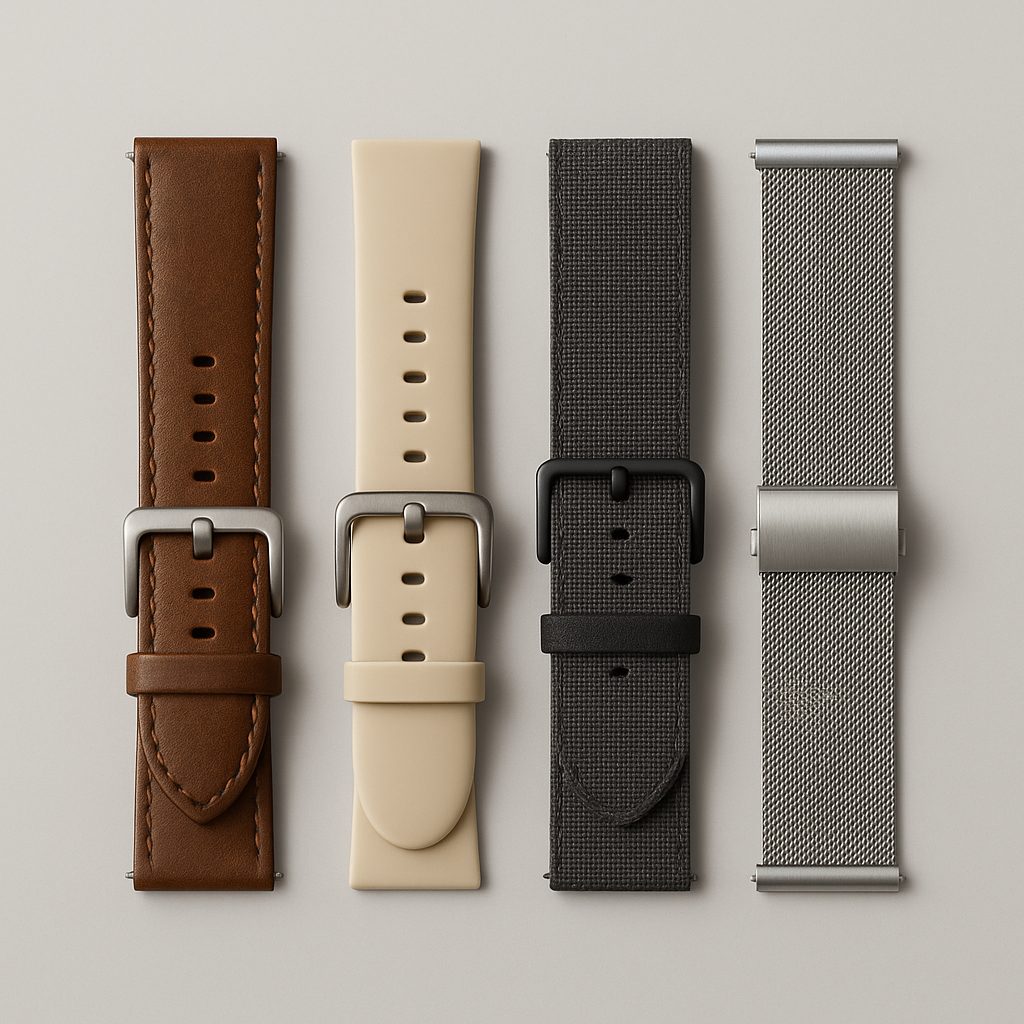
- Metal: Stainless steel is widely used for its durability. However, some individuals may react to nickel or other metals present in the alloy.
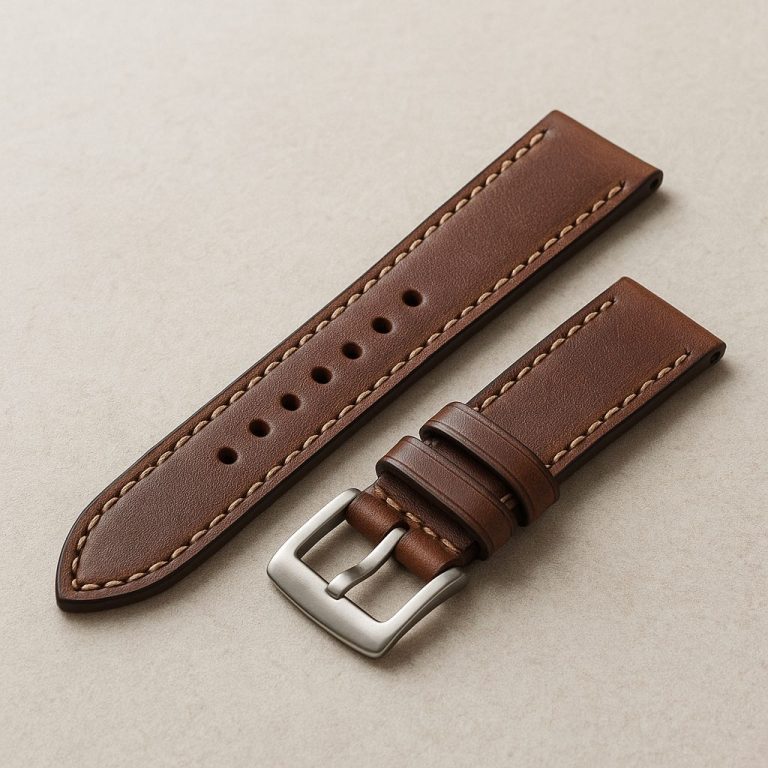
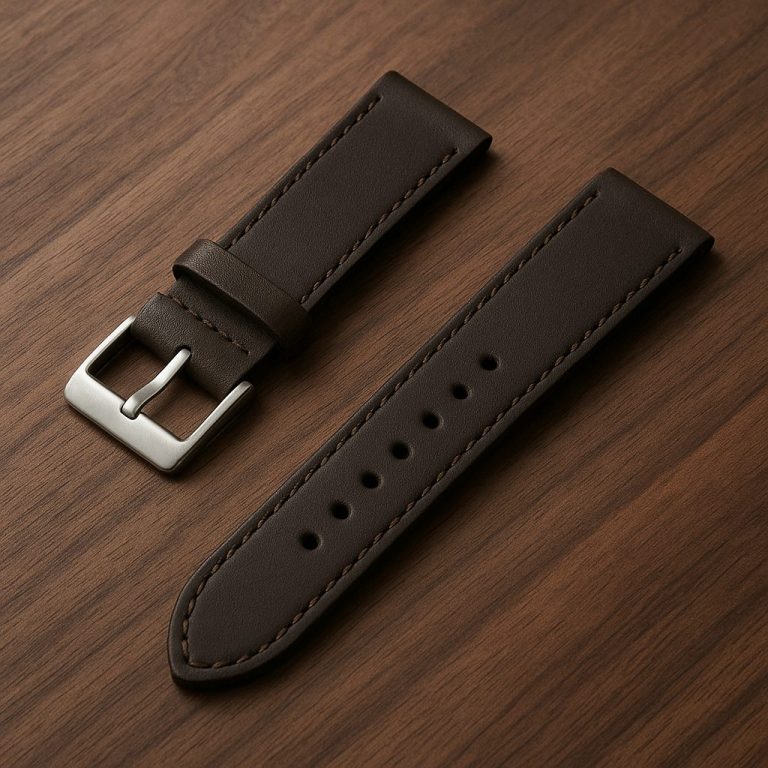
- Leather: Natural and synthetic leathers may cause irritation due to dyes, preservatives, or animal proteins.
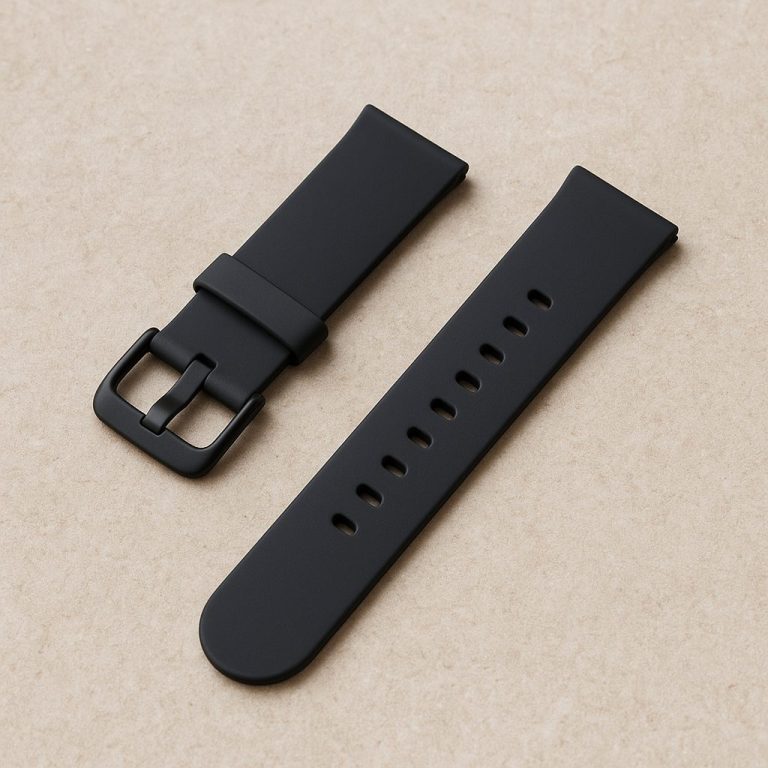
- Plastic and Silicone: While generally hypoallergenic, some plastics can cause reactions, especially if they contain allergens.
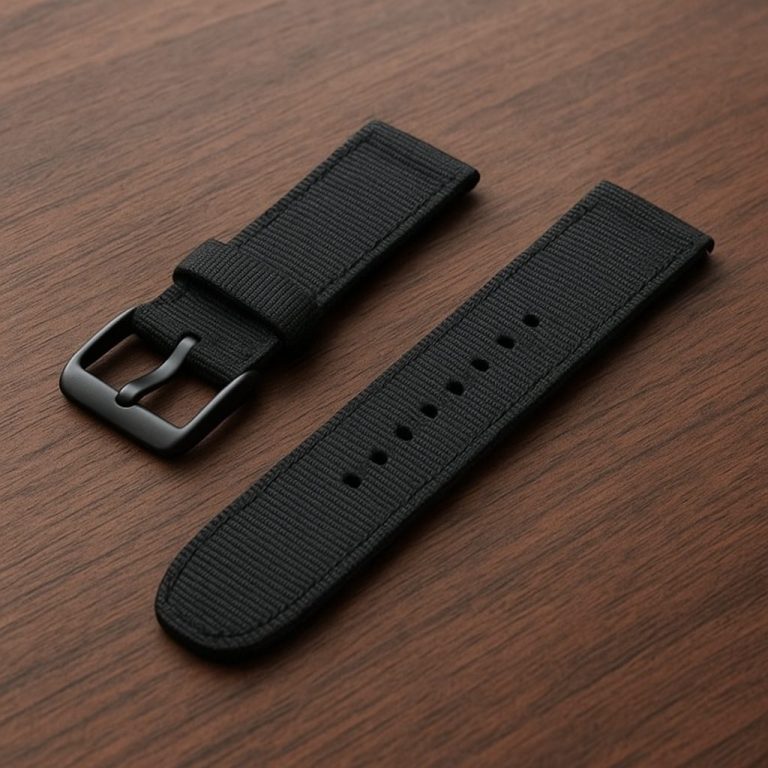
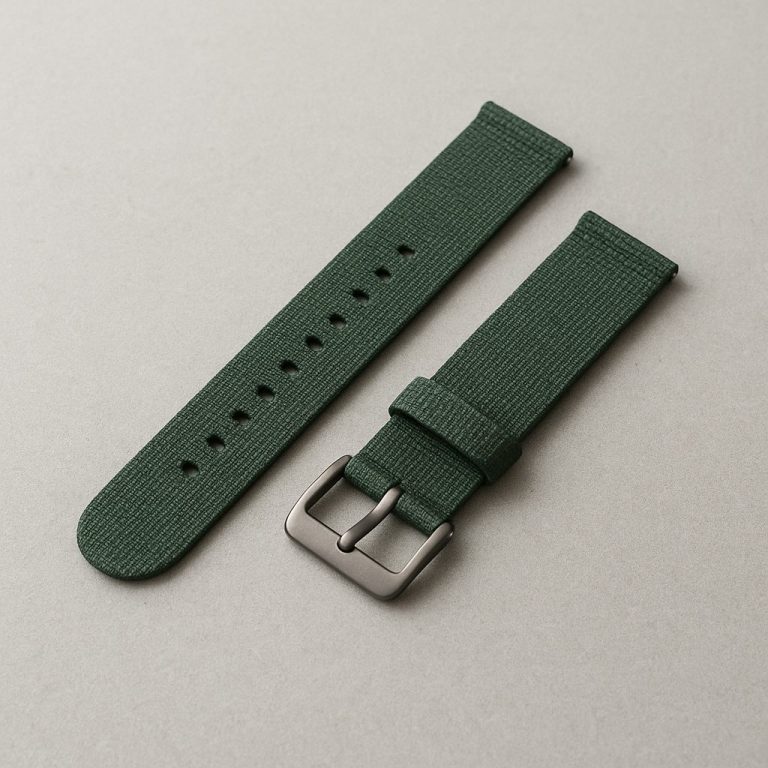
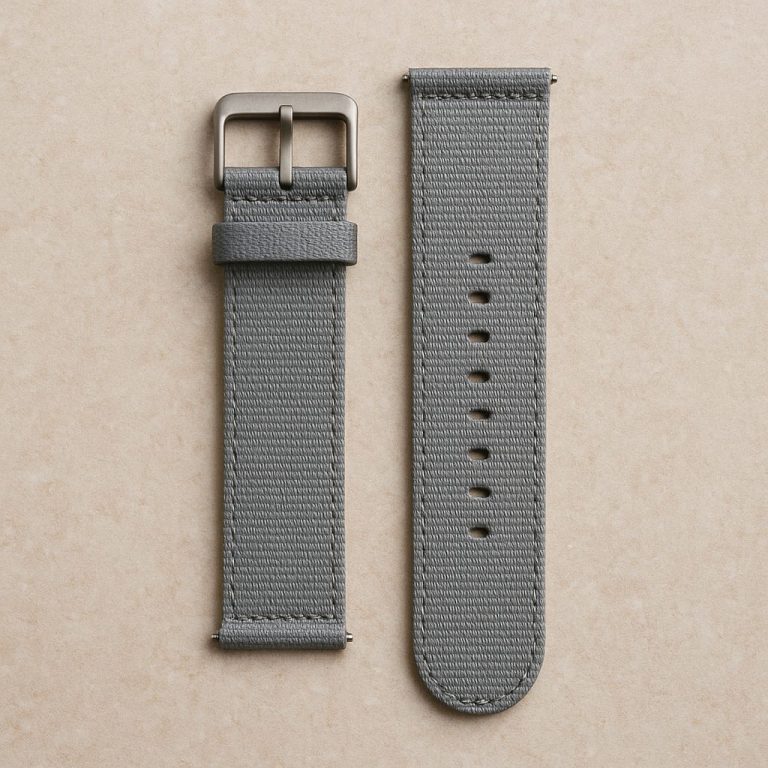
- Fabric: Most fabric watch bands are made from nylon. Styles such as canvas, braided, stretchy, or woven bands differ in weave, thickness, and texture, which affects how they look and feel on the wrist. The dyes and finishes used can also contribute to skin sensitivities.
Poor Fit
A watch band that is too tight can lead to friction and sweating, which may irritate the skin. Conversely, a band that is too loose may shift and rub against the skin, causing discomfort.
Moisture and Sweat
Wearing a watch during physical activities or in hot weather can trap moisture under the band, leading to skin irritation or rashes. This is particularly relevant for materials that do not allow for breathability.
Identifying Symptoms of Irritation
Recognizing the symptoms of skin irritation is essential for addressing the issue promptly. Common signs include:
- Redness or rash
- Itching or burning sensation
- Swelling or blisters
- Dry or flaky skin
Preventing Skin Irritation
To minimize the risk of skin irritation from watch bands, consider the following strategies:
Choose the Right Material
Selecting a watch band made from hypoallergenic materials can significantly reduce the risk of irritation. Look for bands specifically labeled as hypoallergenic or made from natural materials.
Ensure Proper Fit
Adjust the watch band to ensure it fits comfortably. It should be snug enough to stay in place but not so tight that it restricts circulation. Regularly check the fit, especially if the temperature changes or if engaging in physical activities.
Maintain Cleanliness
Regular cleaning of the watch band can prevent the buildup of dirt, sweat, and oils that may contribute to irritation. Follow these tips:
- For metal bands, use a soft cloth to wipe down the surface regularly.
- Fabric bands can often be washed according to the manufacturer’s instructions.
- Leather bands should be cleaned with appropriate leather care products to maintain their condition and prevent irritation.
Take Breaks
If you notice signs of irritation, consider taking breaks from wearing the watch. Allowing your skin to breathe can help alleviate symptoms.
Consult a Dermatologist
If irritation persists despite taking preventive measures, it may be wise to consult a dermatologist. They can provide personalized advice and recommend suitable watch bands based on individual skin types and sensitivities.
Choosing the Right Watch Band
When selecting a watch band, consider your lifestyle and any known skin sensitivities. For example:
- If you sweat frequently or wear your watch during workouts, look for breathable materials that wick moisture away.
- For individuals with sensitive skin, soft fabric or silicone bands may provide comfort without causing irritation.
- Metal bands can be suitable for some, but ensure they are nickel-free to avoid allergic reactions.
Conclusion
Skin irritation from watch bands can be uncomfortable, but understanding the underlying causes helps in making informed choices. By selecting the right materials, ensuring proper fit, maintaining cleanliness, and taking breaks when necessary, one can significantly reduce the risk of irritation. If issues persist, consulting a healthcare professional can provide additional guidance.