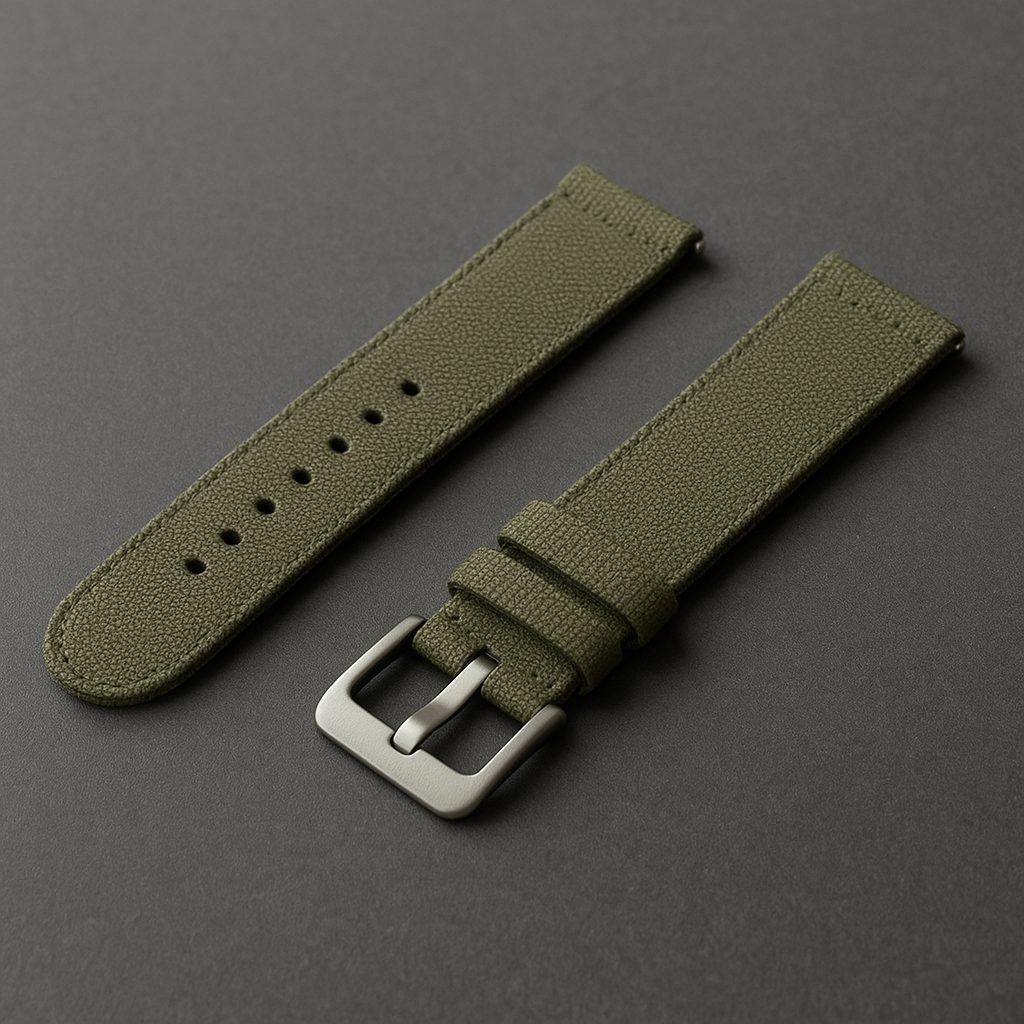
Why some watch bands are easier to appreciate than to commit to
When a Watch Band Catches the Eye but Not the Wrist
Someone might admire the bold look of a thick metal bracelet or the vintage charm of a distressed leather strap on display, but hesitate to keep it on their own wrist for more than a day. This situation—when a watch band draws appreciation but not long-term use—happens for reasons that go beyond simple preference. The gap between what appeals visually and what feels right for daily use can be surprising, especially with the wide variety of band styles and materials available.
The Appeal of Watch Band Styles Versus Real-World Commitment
Watch bands can instantly change the look and mood of a watch, making them a focal point for self-expression. However, the qualities that make a band easy to admire aren’t always those that make it easy to wear long-term. Several factors contribute to this disconnect, from the physical characteristics of materials to how a band fits into someone’s lifestyle or daily routine.
Materials That Draw Attention—But Not Always Loyalty
Each major material used for watch bands—metal, leather, fabric, and silicone—offers unique visual and tactile qualities. These differences play a big role in why someone might enjoy looking at a band but feel hesitant to make it a permanent choice.
| Material | Why It’s Easy to Appreciate | Why It’s Harder to Commit To |
|---|---|---|
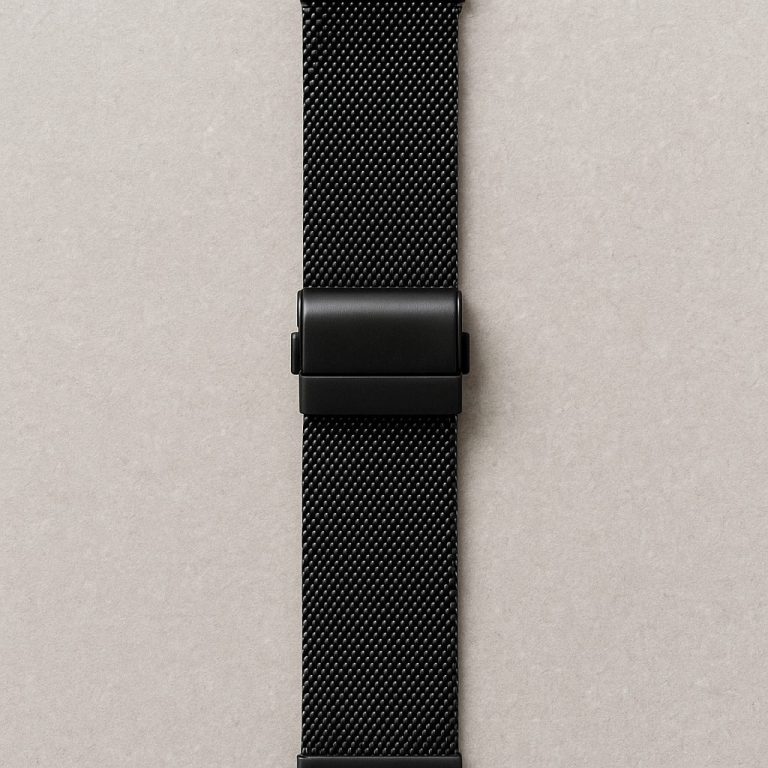
| Metal | Striking appearance, polished or brushed surfaces, classic and versatile with most outfits | Can feel heavy, sometimes pinches or pulls hair, less comfortable in hot or cold weather |
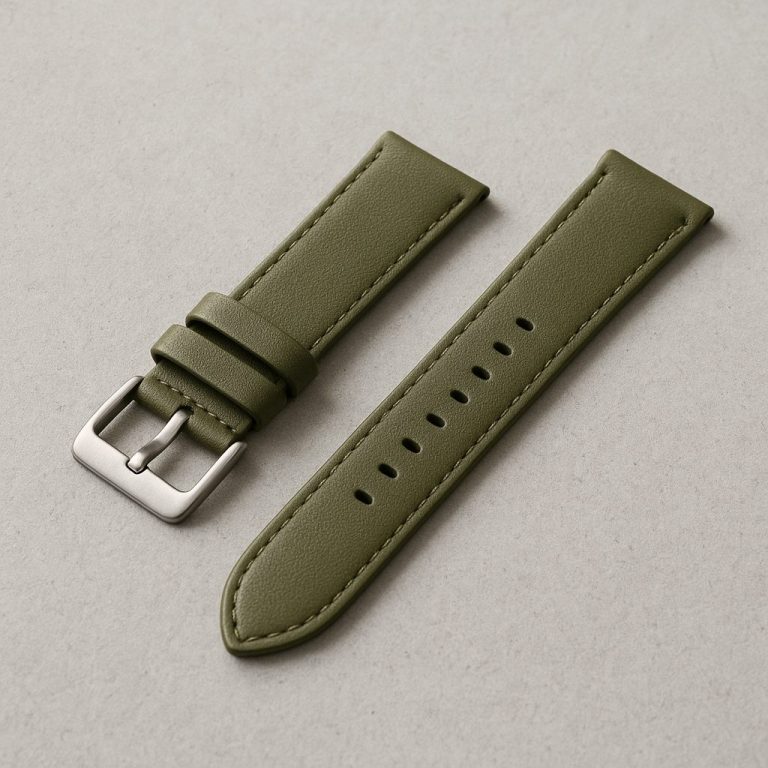
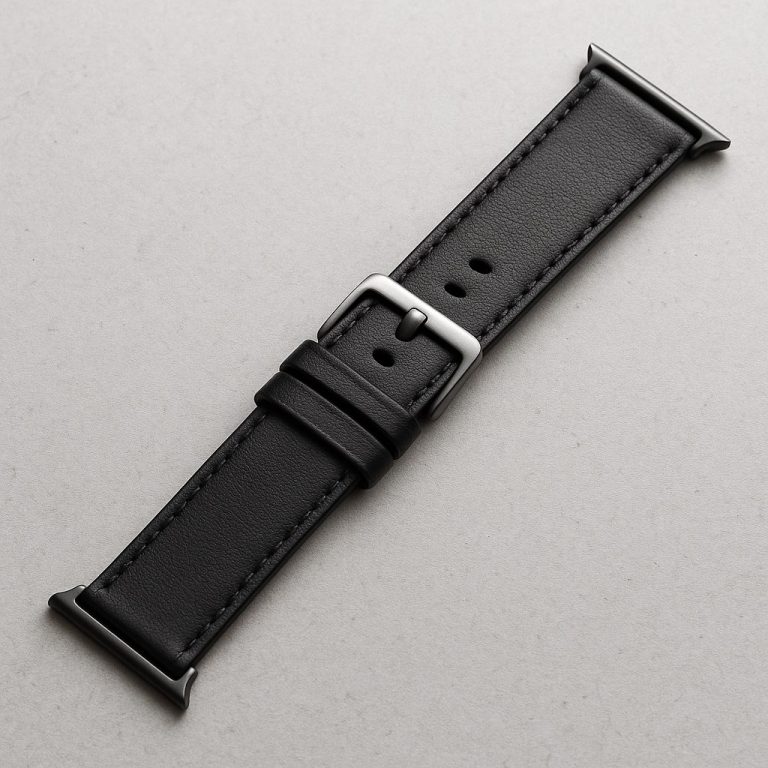
| Leather | Rich color, natural texture, ages uniquely, traditional or vintage appeal | Sensitive to water and sweat, can become stiff or discolored, less suited for active lifestyles |
| Fabric (mostly nylon blends) | Vivid colors and patterns, lightweight, variety of weave densities, casual or sporty style | May fray or get dirty easily, some weaves can trap moisture, can feel scratchy or too stretchy depending on construction |
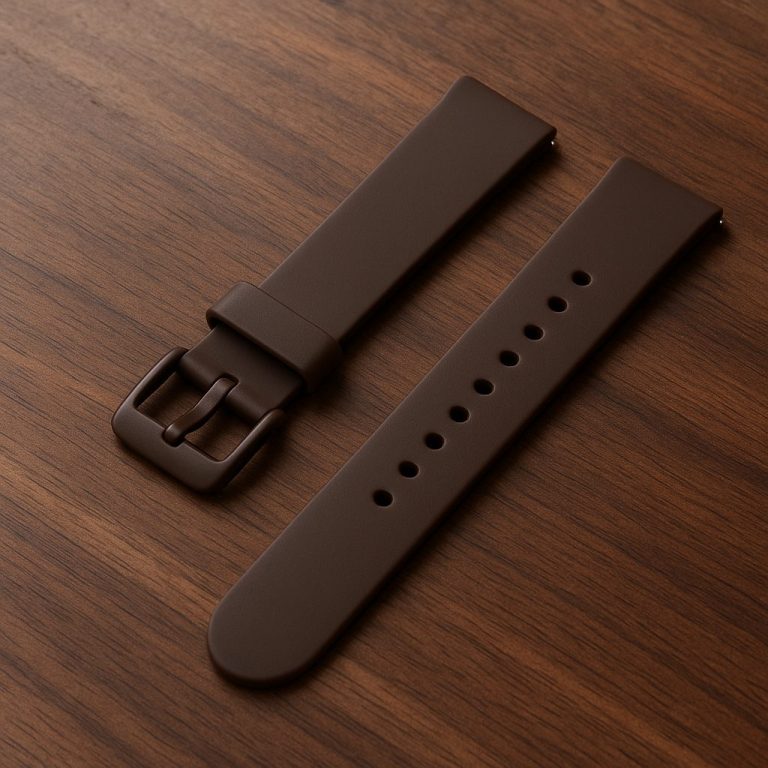
| Silicone | Bold, modern look, smooth surface, wide color range | Can attract dust or lint, sometimes causes skin irritation, flexible but may feel less refined for formal settings |
Visual Interest Versus Practical Use
Some watch bands stand out in a collection or on display because of their color, texture, or design. For example, a brightly colored silicone band might be visually appealing and suggest a sense of fun or energy. Likewise, a thick, heavily brushed metal bracelet offers a substantial, luxurious feel that attracts attention. Yet, when worn throughout daily activities, these same qualities can present challenges.
A metal bracelet, most commonly made from stainless steel for its durability and corrosion resistance, might feel too heavy or slide awkwardly during typing or exercise. A silicone band, while eye-catching and comfortable for many, might not feel right in a business setting or could cause discomfort if worn too tightly. Leather bands, admired for their natural aging and texture, often lose their charm when exposed to water or sweat, making them less practical for those in humid climates or with active routines.
The Role of Fit and Adjustment
How a band fits can shape whether it remains a short-lived novelty or a daily companion. Metal bracelets, for example, often require resizing by adding or removing links, which can be inconvenient or imprecise for some wrists. Fabric bands made from nylon or blends may stretch over time or feel rough if the weave is dense and lacking in flexibility. Silicone bands can be easy to adjust, but their softness sometimes leads to the band catching on objects or twisting on the wrist during movement.
Even a visually striking band can be set aside after a few hours if it pinches, slides, or causes discomfort—especially in situations like long meetings, typing at a desk, or physical activity. Over time, this leads to a preference for more neutral or forgiving options, even if they seem less exciting at first glance.
Changing Needs and Occasions
The context in which a watch is worn influences whether a particular band becomes a lasting favorite. A rugged, thick fabric strap with a dense weave might be admired for its toughness and appearance, but it could feel out of place at a formal event. Similarly, a glossy leather band may look elegant but may not hold up well during outdoor activities or in wet conditions.
Some people find themselves rotating between bands—using a silicone band for exercise or travel, but switching to metal or leather for work or social events. This rotation itself is a response to the realization that no single band satisfies both the urge for novelty and the demands of comfort and appropriateness in every setting.
Maintenance and Aging
The long-term upkeep required by some bands can dampen initial enthusiasm. Leather, for instance, needs to be kept dry and conditioned to prevent cracking. Fabric bands, especially those with open weaves, may collect dust or develop odors if not washed regularly. Metal bracelets can scratch and show fingerprints, requiring periodic cleaning. Silicone bands attract lint and sometimes discolor with extended exposure to sunlight or certain lotions. These maintenance requirements can make a band less appealing as a daily driver, even if it remains a favorite in the watch box.
Style Attraction Versus Personal Identity
Sometimes, a watch band is easy to admire because it represents a style or mood that feels aspirational or novel. A rugged, military-inspired nylon strap might look adventurous, while a slim, polished metal bracelet feels refined and classic. However, over time, someone may find that these styles don’t fully match their daily identity or comfort preferences. The initial attraction fades as practical needs and personal habits take priority.
A practical tip: Before committing to a visually striking band, try wearing it for a full day in your usual routine. Notice if it stays comfortable during work, errands, or relaxation. This approach helps reveal whether a band’s appeal holds up in practice or is better appreciated from a distance.
Recognizing the Difference Between Admiration and Adoption
Some watch bands stand out for their appearance, materials, or craftsmanship, but these same qualities can make them less suitable for everyday use. The decision to commit to a band often comes down to how well it balances style with real-world comfort, maintenance, and lifestyle fit. Appreciating a band’s design does not require making it a daily companion—sometimes, the pleasure is in admiring what works beautifully for the right moment, even if it’s not the right fit all the time.