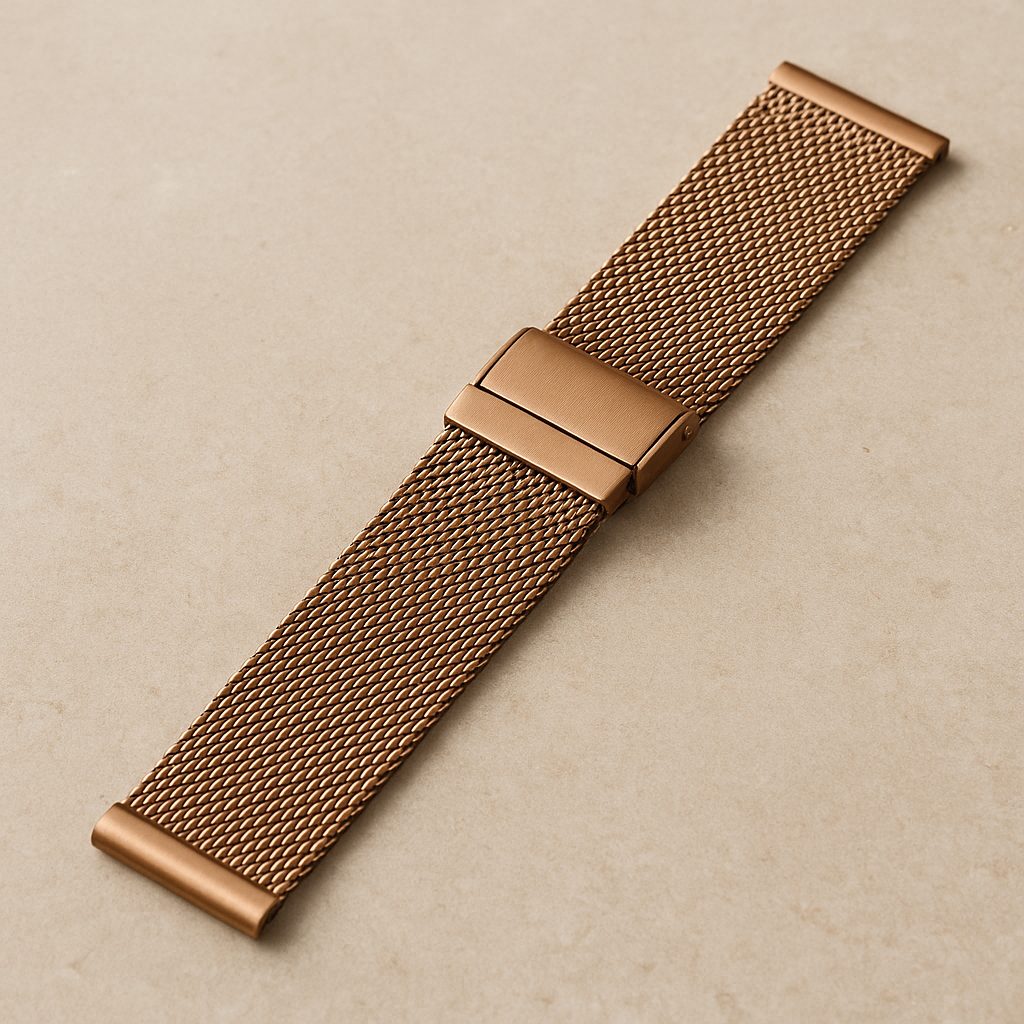
Fold-over clasp vs sliding clasp: which maintains position better
How Clasp Type Affects Watch Band Stability
A watch band that shifts out of place during daily activities—such as typing on a keyboard, moving your wrist while driving, or reaching for objects—can be distracting or uncomfortable. Two common closure mechanisms are the fold-over clasp and the sliding clasp. The ability of each to maintain the watch’s position on your wrist affects not only comfort but also the security of the watch itself.
Fold-Over Clasp: Mechanism and Position Retention
A fold-over clasp, often found on metal bracelets and some silicone bands, uses a hinged metal mechanism that snaps or locks shut over a bar or pin. This type of clasp typically features a security element, such as a secondary locking flap or push-button release, to reduce the chance of accidental opening.
Stainless steel is the most common material for these clasps and bracelets, valued for its durability and resistance to corrosion. The band is usually sized to the wearer’s wrist by adding or removing links, resulting in a close, consistent fit. This sizing method means the band remains at a fixed circumference, and the clasp creates a rigid, non-slip closure point.
Because of this secure construction, fold-over clasps tend to keep the watch anchored in one spot. The continuous loop formed by the closed clasp and fitted links minimizes the possibility of the band loosening or sliding along the wrist. For those who engage in frequent wrist movements or prefer a watch to remain precisely positioned, this mechanism provides dependable stability.
Considerations for Metal, Leather, and Silicone Bands with Fold-Over Clasps
While fold-over clasps are most frequently used with metal bands, some silicone bands and a few leather designs also incorporate them. With any material, the clasp’s effectiveness at holding position depends on a close fit. If the band is too loose, even a secure clasp will not prevent shifting. For silicone bands made with fold-over clasps, a snug fit is essential, as the material’s flexibility can otherwise allow for movement.
Sliding Clasp: How It Works and Position Changes
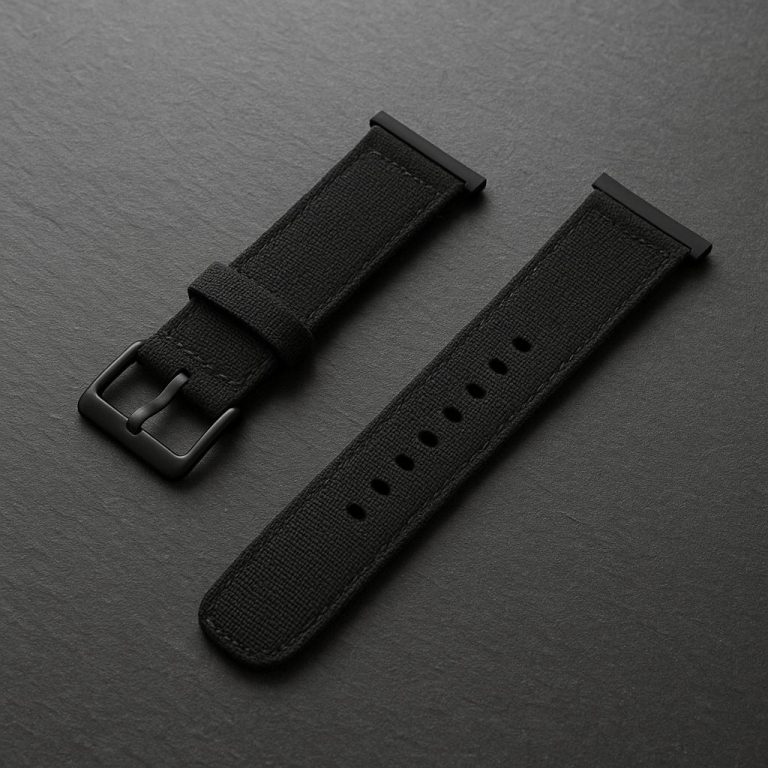
A sliding clasp, sometimes called a slider or adjustable clasp, is commonly used with mesh metal bracelets, some nylon or nylon-blend fabric bands, and silicone straps designed for easy adjustment. This clasp consists of a sliding mechanism that moves along the band, locking into place at the desired position using friction, a click-in catch, or a small pin.
Sliding clasps offer a high degree of adjustability, allowing the wearer to micro-adjust the band for comfort or to accommodate wrist swelling throughout the day. However, the ease of adjustment can also make this clasp more susceptible to unintentional loosening, especially if the mechanism wears over time or if the band material is particularly smooth.
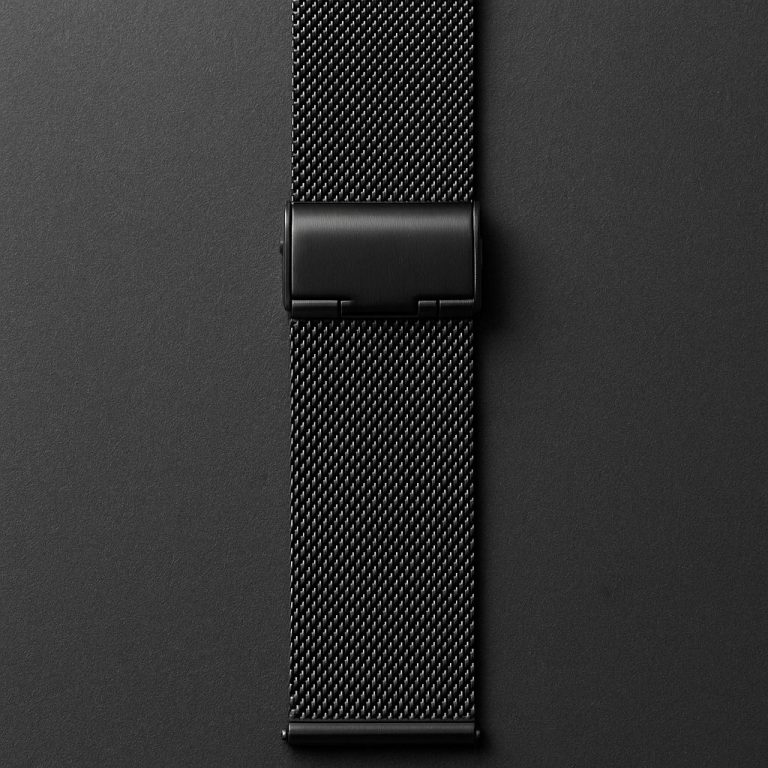
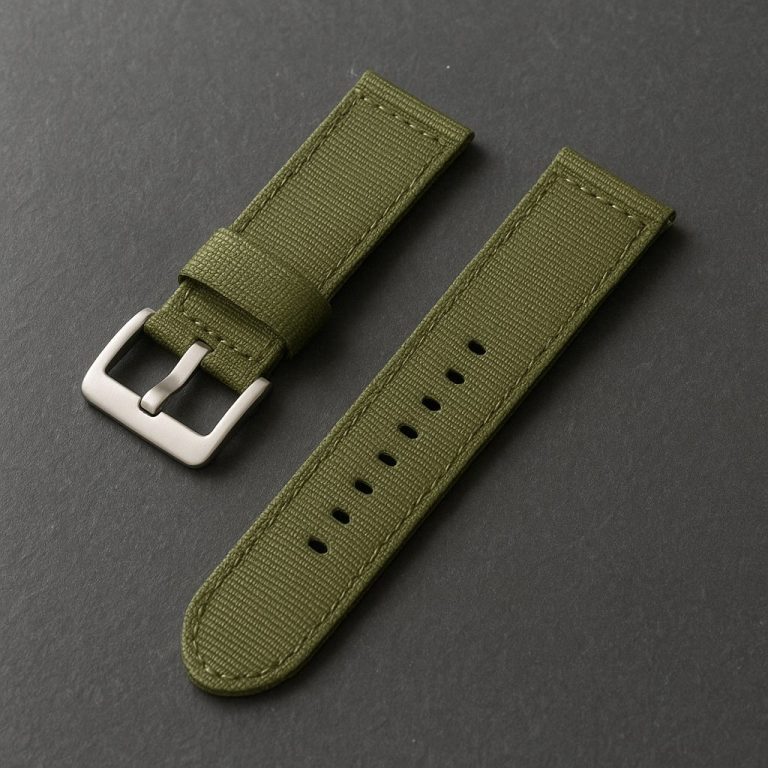
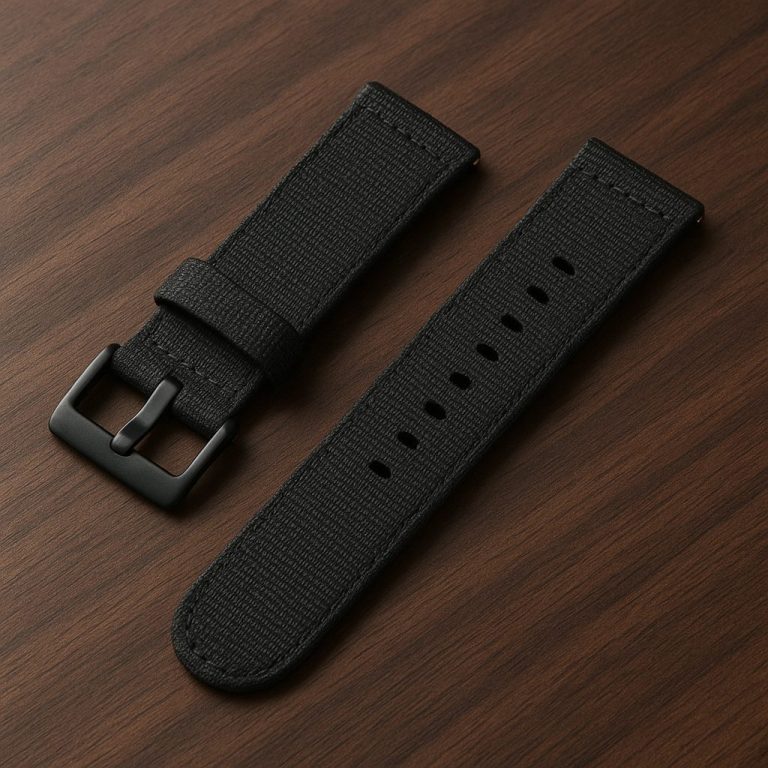
On mesh metal bands, the sliding clasp relies on the fine mesh’s structure to grip and maintain its set position. With fabric bands—most often made from nylon or nylon blends, which vary in weave density and elasticity—the clasp’s effectiveness depends on the band’s thickness and texture. Thicker or tightly woven fabric provides a more secure hold than thinner, smoother materials. Silicone bands with sliding clasps can also experience slight slipping, especially during active use or when the wrist is wet.
Factors Influencing Sliding Clasp Stability
- Band Material: Mesh metal, nylon, and silicone each interact differently with the sliding mechanism. Mesh and tightly woven fabric tend to hold better than thin, slick materials.
- Clasp Design: Some sliding clasps use internal teeth or ridges for added grip, while others rely solely on friction. Designs with a mechanical catch or lock usually maintain position better.
- Fit and Adjustment: Although easy to customize, an imprecise fit can allow gradual slipping. Regularly checking and re-tightening may be needed, especially for very active wearers.
Direct Comparison: Position-Holding Performance
The ability of a clasp to maintain the watch’s position depends on both its mechanism and the band material. Below is a table summarizing common outcomes:
| Clasp Type | Common Band Materials | Position Retention | Notes |
|---|---|---|---|
| Fold-Over Clasp | Metal (stainless steel), some silicone, occasional leather | Very Good | Requires proper sizing; minimal slippage when fitted correctly |
| Sliding Clasp | Mesh metal, nylon/nylon-blend fabric, some silicone | Moderate to Good | Holds well if clasp is secure and band is not too smooth; may require occasional readjustment |
Fold-over clasps, when used with a closely fitted band, generally maintain the watch’s position better than sliding clasps. Sliding clasps, while highly adjustable, can allow for minor shifts or gradual loosening—particularly on smoother bands or if the clasp mechanism loses tension. For instance, a mesh metal band with a well-designed sliding clasp can provide reliable hold, but a thin nylon strap with a simple friction-based slider may shift during vigorous activity.
Real-World Example: Daily Wear and Activity
Someone who wears a stainless steel bracelet with a fold-over clasp during daily activities like office work or commuting will likely notice that the watch remains consistently placed on the wrist. The rigid fit prevents movement, even when the wrist flexes or rotates. In contrast, a fabric band made from a soft, stretchy nylon blend with a sliding clasp may need occasional tightening, particularly after exercise or frequent wrist motion.
For silicone bands, the choice of clasp can make a significant difference. A fold-over clasp will generally keep the band steady, while a sliding clasp may shift slightly if not properly secured—especially during activities that flex the wrist or apply pressure to the band.
Choosing Based on Your Priorities
When stability and consistent positioning are the top priorities, a fold-over clasp paired with a well-sized band—most often stainless steel, but also available in some silicone or leather options—offers the most reliable performance. Sliding clasps provide flexibility and easy adjustment, which is useful for those who value quick changes in fit or prefer lighter, more breathable materials like mesh metal or certain nylon fabrics. However, they may require more attention to maintain their set position, especially if the band material is thin or the clasp relies solely on friction.