What causes a watch band to twist or shift position during wear?
Why a Watch Band Won’t Stay in Place
Many people notice their watch band twisting, shifting, or not sitting flat on their wrist after some time wearing it. This can be especially frustrating if the watch face constantly slides to the side or the clasp ends up on top of the wrist. Several factors contribute to this common issue, ranging from the materials used to the way the band is attached to the watch case and even the wearer’s daily movements.
Fit and Sizing Issues
The most common cause of a twisting or shifting watch band is an improper fit. If a band is too loose, it can rotate around the wrist with normal movement. On the other hand, a band that is too tight may not sit evenly, causing it to twist or angle as you move. For example, if you find that your watch face consistently ends up on the side of your wrist, the band may be loose enough to rotate or too stiff to conform to your wrist shape.
Wrist shape also plays a role. Some people have wrists that are more oval or flat, while others are rounder. A band that is designed for a perfectly round wrist may not sit well on a flatter wrist, causing twisting or shifting as the band tries to adjust to the wrist’s contours.
Band Materials and Their Effects
The material of the watch band directly affects how it behaves during wear. Each type of band—metal, leather, fabric, or silicone—responds differently to movement, moisture, and temperature.
Metal Bands
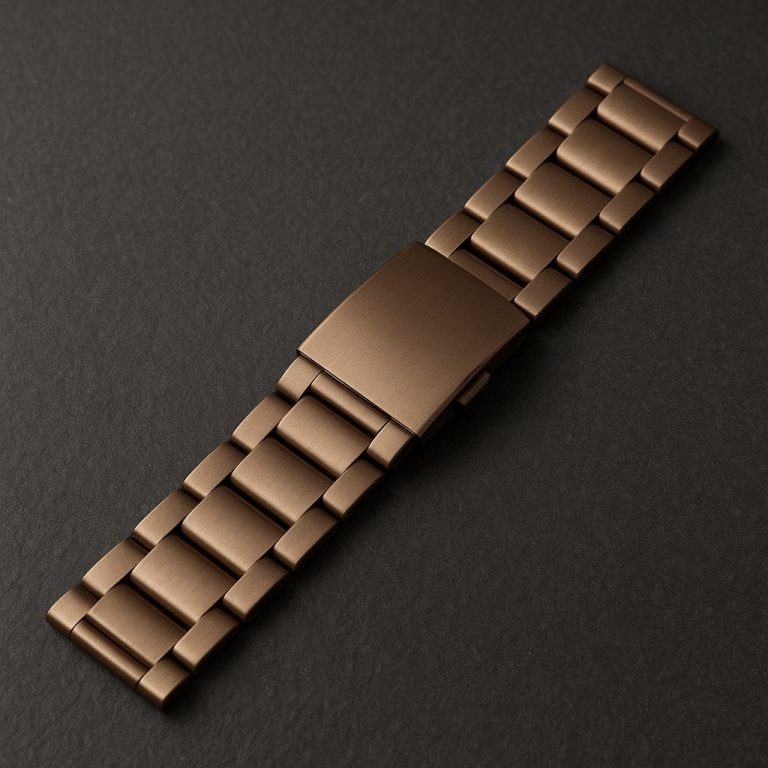
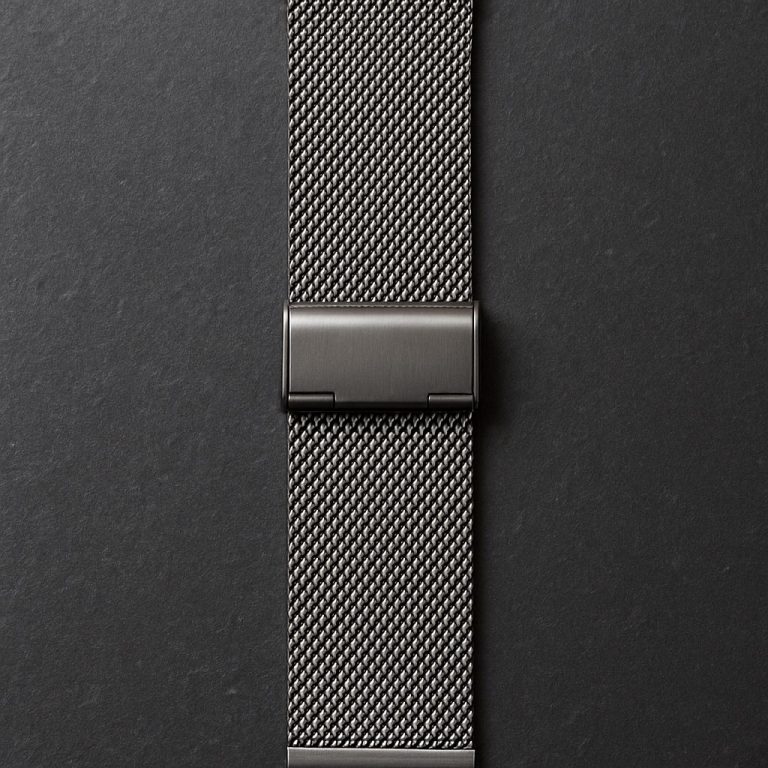
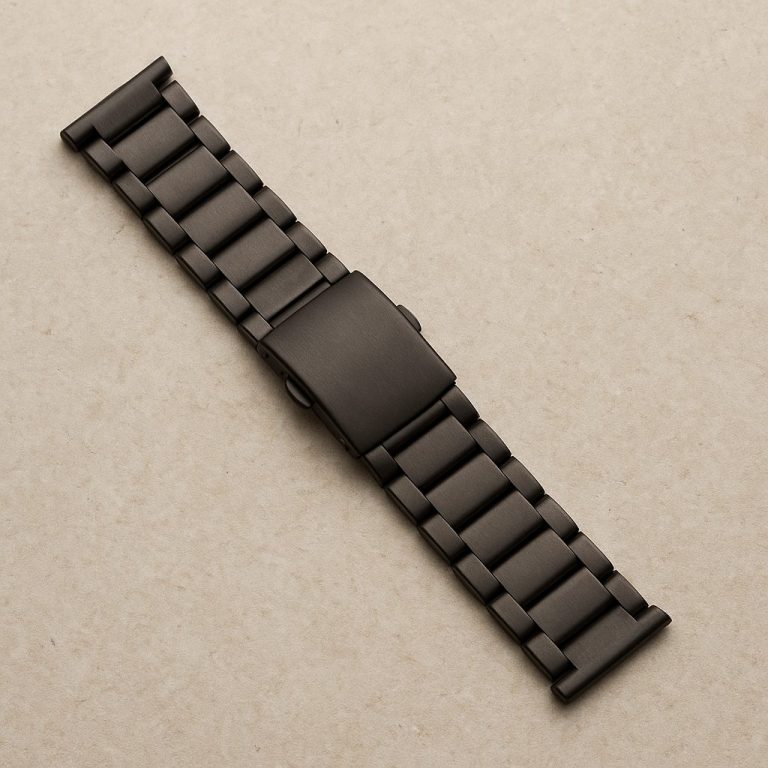
Most metal watch bands are made of stainless steel, valued for its durability and resistance to corrosion. Metal bands are generally constructed from interlocking links or mesh. If the links are not sized correctly, or if the bracelet is not properly adjusted to the wrist, extra movement can cause the band to rotate. Metal bands also tend to be heavier, so gravity can pull the watch face downward, especially if the fit is not snug. Over time, the pins connecting the links can loosen, increasing side-to-side movement.
Leather Bands
Leather bands are flexible and conform to the wrist over time. However, if the leather is new and still stiff, it may resist bending, causing the band to twist or push the watch case off-center. As leather ages, it can stretch, making the band looser and more prone to shifting. Sweat and moisture can cause further stretching or warping, which can change the way the band sits.
Fabric Bands
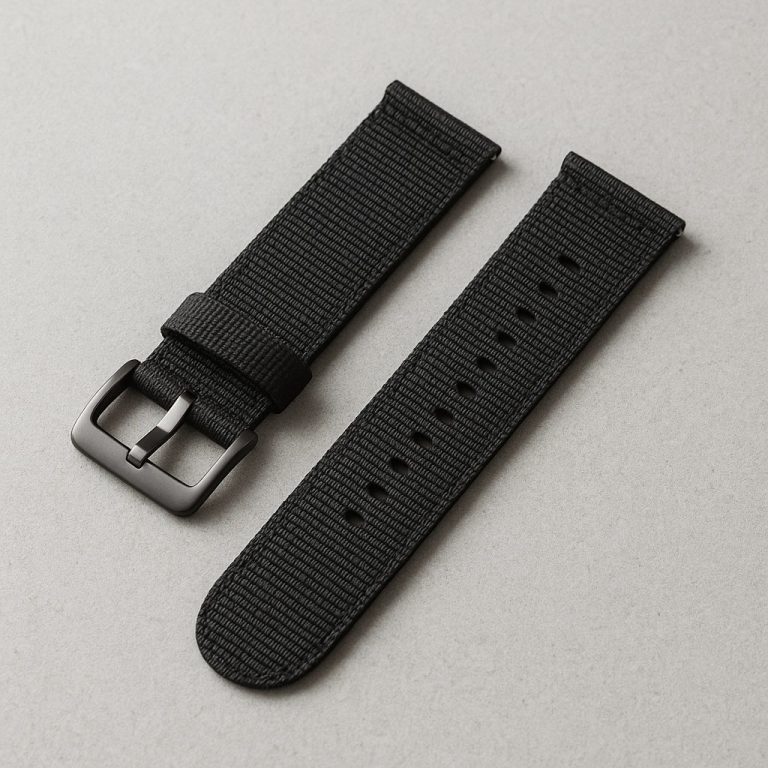
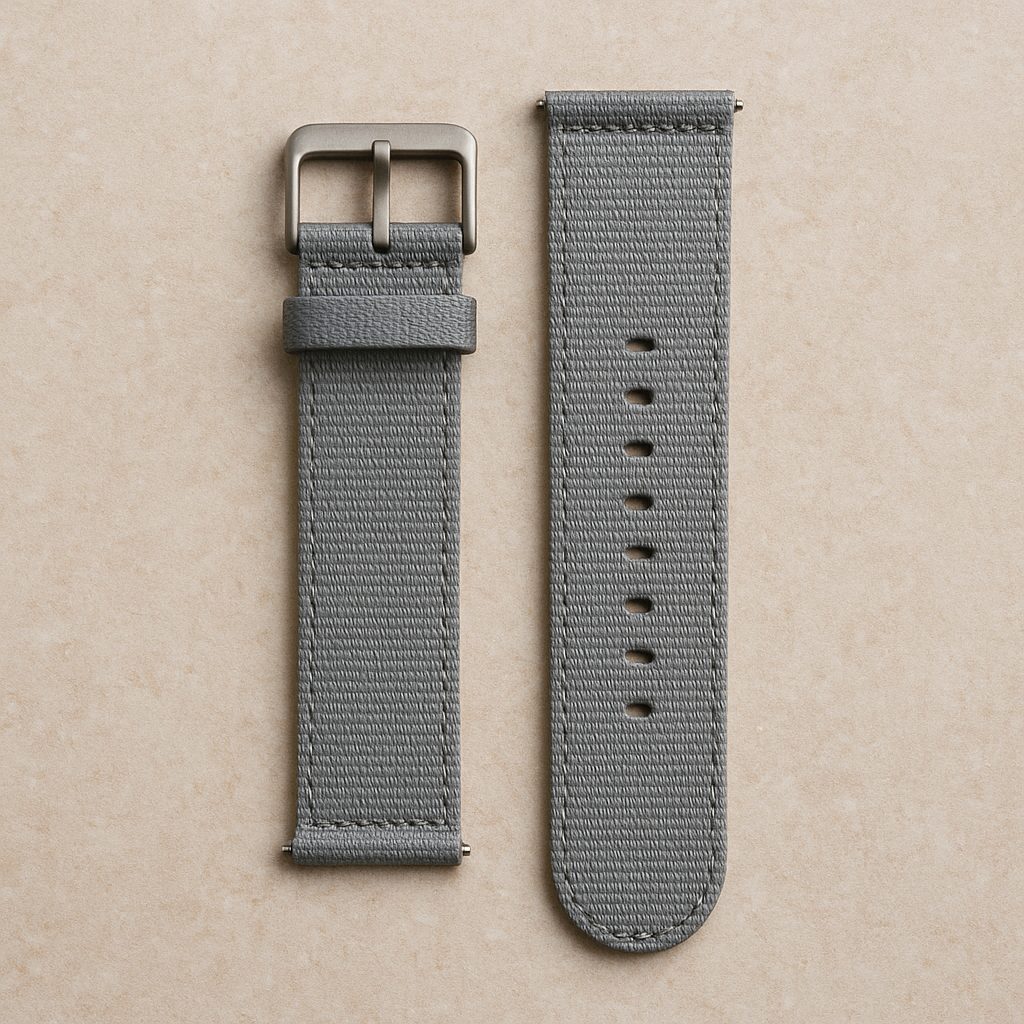
Fabric bands, usually made from nylon or nylon blends, vary widely in weave density, thickness, and elasticity. Some have a tighter, less flexible weave, while others are softer or have some stretch. A fabric band that is too thin, stretchy, or loosely woven may slip more easily on the wrist. Conversely, a thick or stiff nylon strap might not curve around the wrist smoothly, leading to twisting or bunching at certain points. The texture can also affect grip—smoother surfaces are more likely to slide, while rougher textures may stay in place better.
Silicone Bands
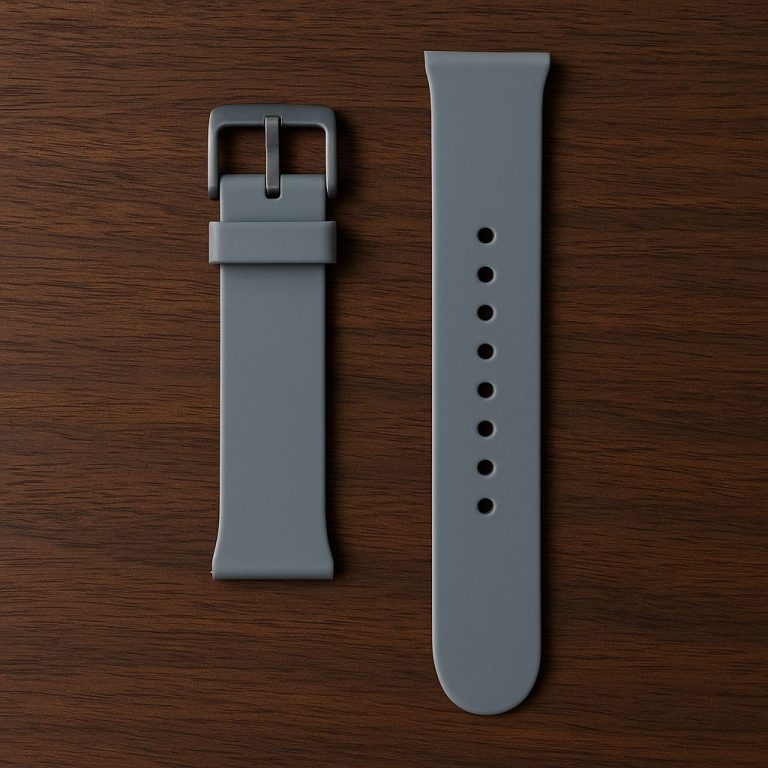
Silicone bands are popular for their flexibility and comfort. However, they can be especially prone to shifting if not fitted snugly. Silicone is smooth and somewhat elastic, which means it can stretch slightly during wear but may not grip the skin firmly unless adjusted correctly. Sweat or water can increase slippage, making the band more likely to rotate or move out of position during physical activity.
| Band Material | Common Issues Leading to Twisting/Shifting |
|---|---|
| Metal (Stainless Steel) | Loose links, heavy weight, poor sizing, worn pins |
| Leather | Stiffness (new), stretching (with age), moisture effects |
| Fabric (Nylon/Nylon Blends) | Elasticity, weave thickness, texture, improper adjustment |
| Silicone | Smoothness, flexibility, sweat-induced slippage, loose fit |
Attachment Mechanisms and Watch Case Design
The way a band attaches to the watch case also affects stability. Most bands are connected to the case via lugs (the protrusions on the watch case) and use spring bars or quick-release pins to secure the band. If these components are worn, bent, or improperly installed, they can allow the band more side-to-side movement than intended.
Some watches have curved lugs or cases designed to hug the wrist, which can help keep the band in place. Others have straight lugs or a flat profile, which may not conform as closely to the wrist’s natural shape, making twisting more likely, especially with stiffer bands.
If the spring bar is too short or not fully seated in the lug holes, the band can have extra play, allowing the entire watch to shift. Quick-release pins should be checked to ensure they are fully locked in place. A small misalignment here can create enough movement for the band to twist during normal daily use.
Movement and Daily Activity
Regular activities like typing, walking, or even putting on a jacket can cause a watch band to move. Repeated wrist flexion and extension can push the band up or down the arm, particularly if the fit is not tight. Physical activity, such as exercise or manual work, can increase sweating and friction, which may make silicone or fabric bands shift more easily. Some people notice that their watch always ends up sliding to the same side; this can be caused by dominant hand movement or the way the wrist flexes during certain tasks.
Other Contributing Factors
- Clasp or Buckle Position: If the clasp or buckle is not centered under the wrist, it can act as a counterweight, pulling the watch band to one side and causing twisting.
- Band Tapering: Bands that taper significantly from the lugs to the clasp may distribute weight unevenly, encouraging the watch to shift position.
- Wearing Over Clothing: Wearing a watch over a sleeve or with thick clothing underneath can compress the band unevenly and increase twisting or shifting.
Practical Tips for Reducing Twisting and Shifting
To minimize unwanted movement, start by adjusting the band for a snug but comfortable fit. For metal bands, remove or add links as needed; for leather, fabric, or silicone bands, use the sizing holes or adjustment system to achieve the right tension. If a band continues to shift, inspect the attachment at the lugs to ensure the spring bars or quick-release pins are secure.
Choosing a band material that matches your activity level can also help. For example, if you sweat often or are very active, a silicone band with a textured underside may grip the skin better. If a fabric band twists, try a style with a thicker weave or less elasticity. For metal bracelets, regular maintenance—such as tightening pins or cleaning between links—can prevent excess play and shifting.
In some cases, especially with unusual wrist shapes, experimenting with different band styles and materials may be necessary to find the best fit and comfort. If your watch continues to move regardless of adjustments, it may be worth consulting a professional for a more tailored solution.
Key Takeaway
A twisting or shifting watch band is usually caused by a combination of fit, material properties, attachment security, and the wearer’s daily movement. Understanding how each of these factors affects your specific watch band can help you make simple adjustments for a more secure and comfortable fit.