Common Watch Band Mistakes That Reduce Comfort and Lifespan
Key Considerations for Comfort and Longevity of Watch Bands
Wearing a watch can be a daily source of style and functionality, but the comfort and lifespan of a watch band can significantly impact the overall experience. Common mistakes in selecting and maintaining watch bands can lead to discomfort, wear and tear, and even damage to the watch itself. Understanding how to choose and care for your watch band is essential for maximizing both its comfort and durability.
Choosing the Right Material
The material of a watch band plays a crucial role in comfort and longevity. Here are some common materials used in watch bands and their characteristics:
Fabric Bands
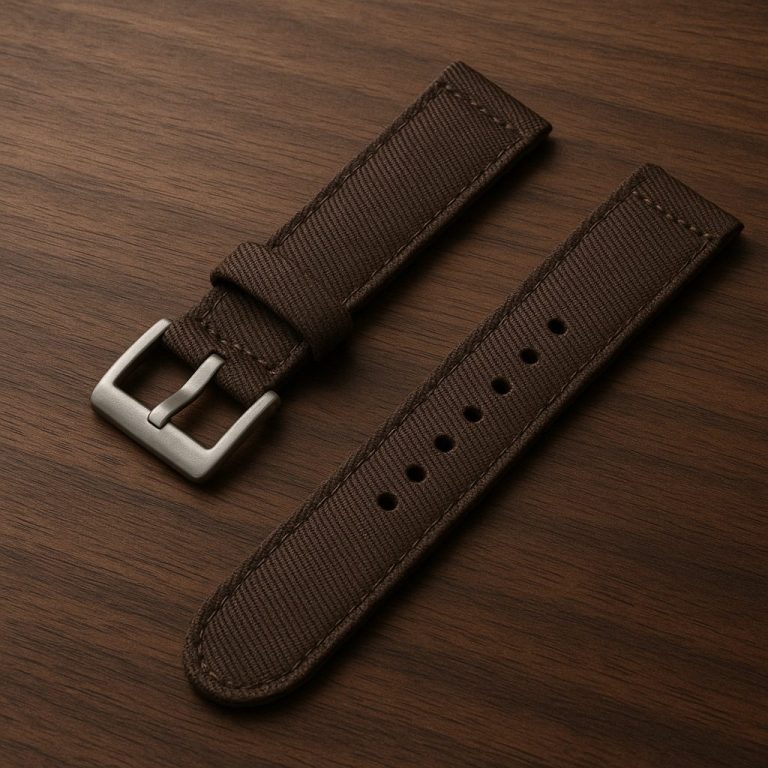
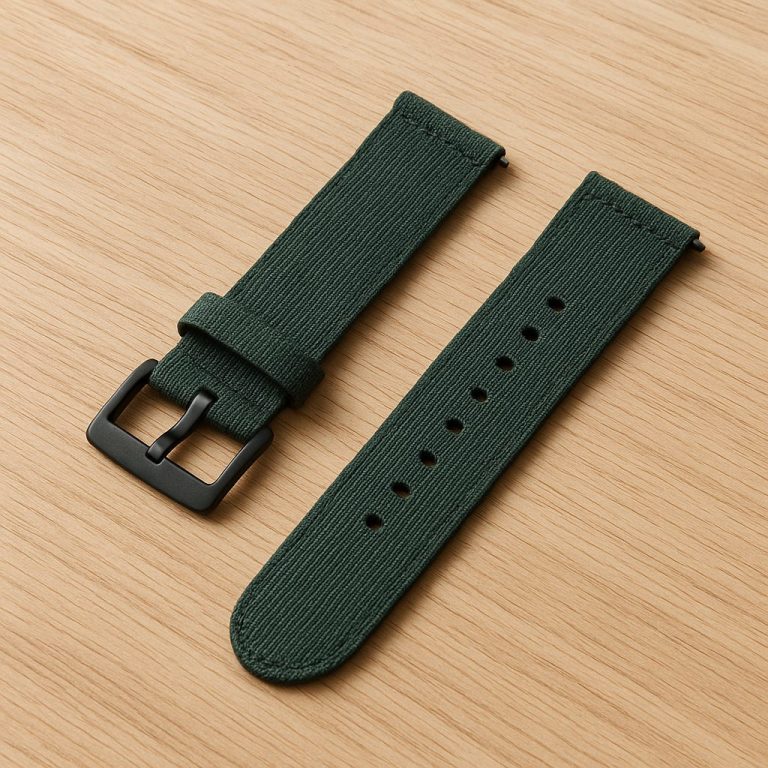
Most fabric watch bands are made from nylon, which is lightweight and breathable. Various styles, such as canvas, braided, stretchy, or woven bands, differ in weave, thickness, and texture, impacting their appearance and feel on the wrist. When selecting a fabric band, consider the following:
- Fit: Ensure the band is snug but not too tight to avoid irritation.
- Breathability: Opt for a design that allows air circulation, especially in warm weather.
- Durability: Check the stitching and overall construction to ensure it can withstand daily use.
Leather Bands
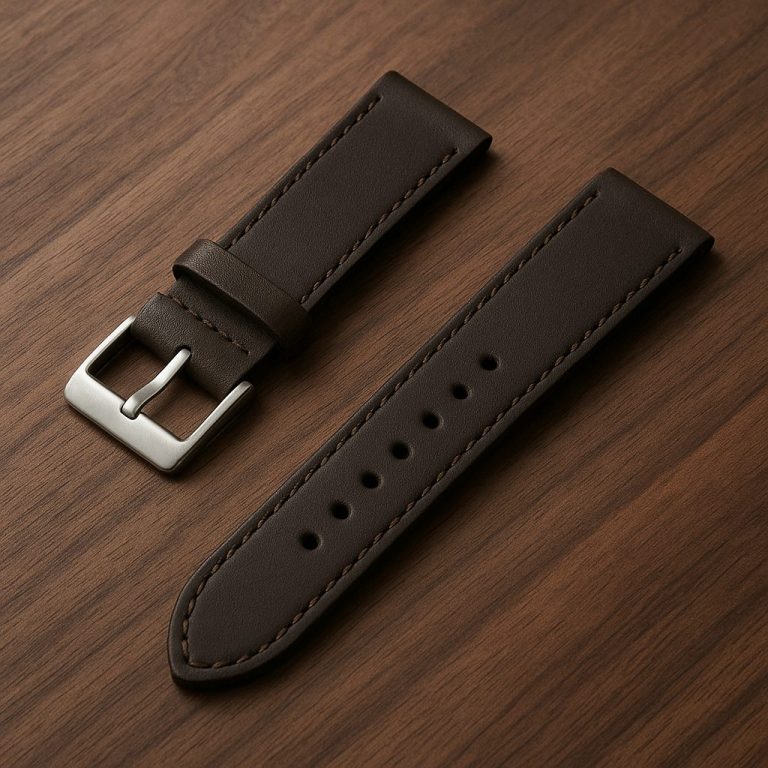
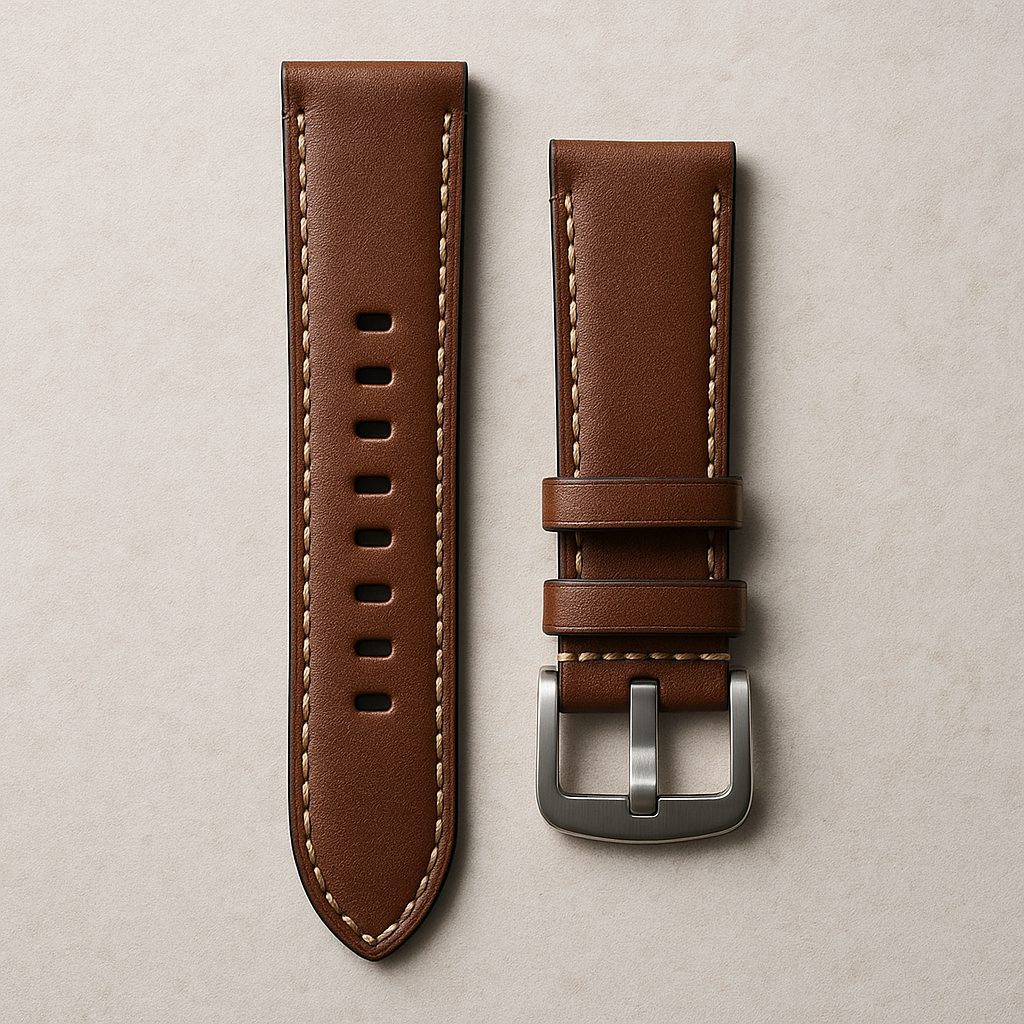
Leather bands offer a classic look but can be less forgiving in terms of comfort. Key points to consider include:
- Break-in Period: Leather often requires time to soften and conform to the wrist.
- Moisture Sensitivity: Exposure to water can damage leather, so it’s important to keep it dry.
- Thickness: Thicker bands may provide durability but can be less comfortable initially.
Metal Bands
Metal watch bands are generally made from stainless steel due to its durability and corrosion resistance. When considering a metal band, keep these factors in mind:
- Weight: Heavier bands can be uncomfortable for extended wear.
- Adjustment: Ensure the band fits well; links may need to be added or removed for a proper fit.
- Skin Sensitivity: Some individuals may experience irritation from metal, so consider hypoallergenic options if necessary.
Improper Sizing and Fit
One of the most significant factors in watch band comfort is proper sizing. A band that is too loose can slide around, causing irritation, while a band that is too tight can restrict circulation. To achieve the right fit:
- Measure Your Wrist: Use a soft measuring tape to determine your wrist size, and choose a band that accommodates it.
- Adjustability: Look for bands that offer adjustable lengths to cater to your comfort needs.
- Test Before Committing: If possible, try the band on before making a decision, checking for both comfort and security.
Lack of Maintenance
Many watch band materials require specific care to maintain their appearance and functionality. Neglecting maintenance can lead to premature wear. Here are some maintenance tips for different types of bands:
Fabric Bands
- Regular Cleaning: Wash fabric bands periodically to remove dirt and sweat, which can cause odors and degradation.
- Avoid Excess Moisture: While nylon is relatively durable, excessive exposure to water can weaken the fibers over time.
Leather Bands
- Conditioning: Use leather conditioner to keep the material supple and prevent cracking.
- Avoid Water: Keep leather bands away from moisture to extend their lifespan.
Metal Bands
- Regular Polishing: Use a soft cloth to remove fingerprints and smudges, maintaining the shine.
- Check for Loose Links: Periodically inspect the band for any loose links or clasps to prevent loss.
Ignoring Skin Compatibility
Skin compatibility is an often-overlooked aspect of choosing a watch band. Some materials can cause irritation or allergic reactions. To ensure comfort:
- Know Your Skin Type: If you have sensitive skin, consider hypoallergenic materials or softer alternatives.
- Observe Reactions: Pay attention to any irritation or discomfort, and be ready to switch bands if necessary.
Neglecting Personal Style and Activity Level
Your lifestyle and personal style should influence your choice of watch band. A band that suits one activity may not be appropriate for another. Consider the following:
- Activity Level: If you lead an active lifestyle, opt for durable materials that withstand sweat and movement.
- Style Preferences: Choose a band that complements your wardrobe and personal aesthetic, ensuring you enjoy wearing your watch.
Conclusion
Choosing the right watch band involves considering material, fit, maintenance, skin compatibility, and lifestyle. By avoiding common mistakes, such as improper sizing and neglecting care, you can enhance both the comfort and longevity of your watch band. This not only improves your wearing experience but also protects your investment in your timepiece.