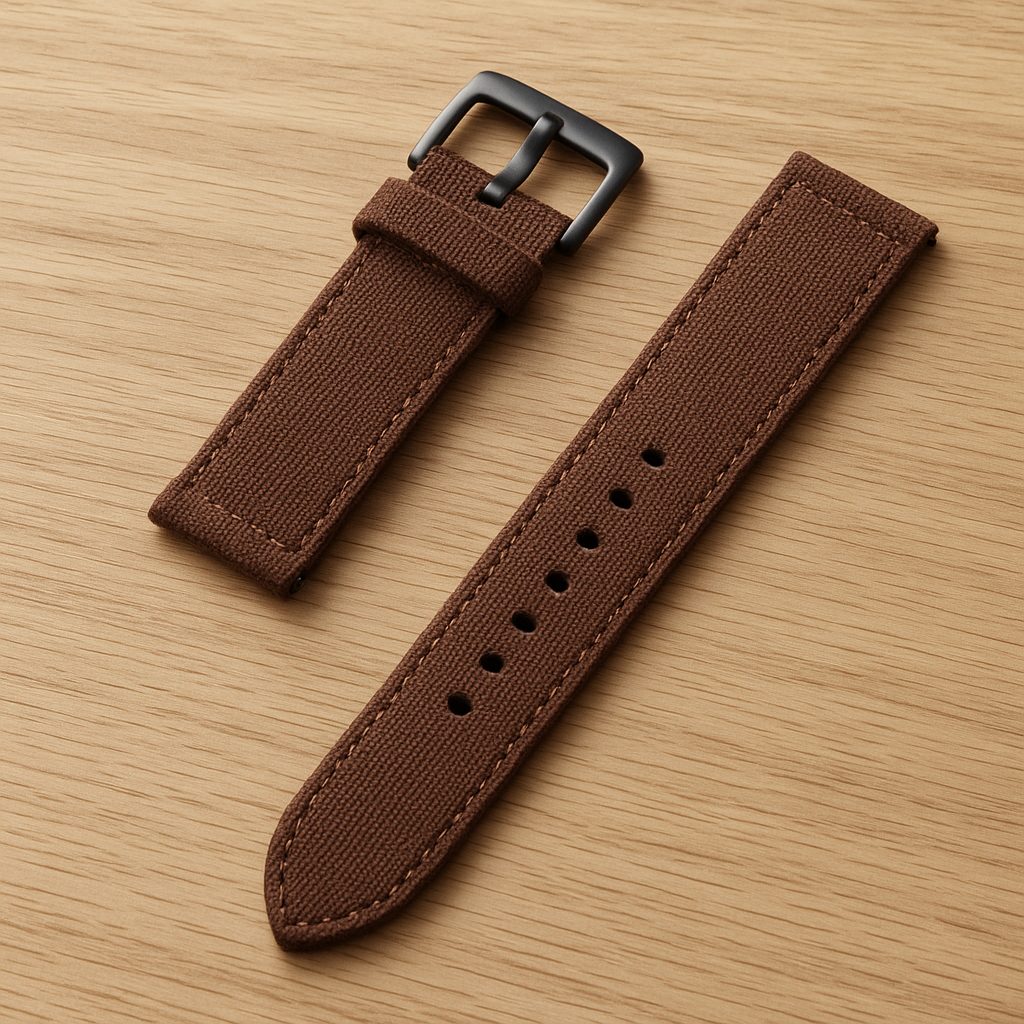
What to consider when wearing a watch band in dusty or dry environments
Challenges of Wearing a Watch Band in Dusty or Dry Conditions
Dust gathers quickly on surfaces in arid regions or during outdoor work in dry, dusty environments. Wearing a watch in these conditions often leads to visible grime collecting around the band, inside the links or weave, and at the connection points with the watch case. Over time, this can cause discomfort, affect the appearance of the watch, or even impact durability and function if not managed carefully.
Material Performance: How Dust and Dryness Affect Different Watch Bands
The type of band material significantly influences how a watch performs in dusty or dry settings. Each material responds differently to airborne particles, low humidity, and repeated cleaning. Understanding these differences can help reduce irritation, avoid premature wear, and make cleaning more effective.
| Band Material | Dust Resistance | Dryness Effects | Cleaning Ease |
|---|---|---|---|
| Metal (e.g., stainless steel) | Moderate | Generally unaffected; can feel hot or cold | Easy (but dust can get trapped in links) |
| Leather | Low | Prone to drying, cracking | More difficult; sensitive to moisture |
| Fabric (usually nylon blends) | Low to moderate (varies by weave) | Can stiffen or become abrasive | Needs regular washing; dust clings to fibers |
| Silicone | High (dust sticks but easy to wipe) | Unaffected | Very easy |
Metal Bands
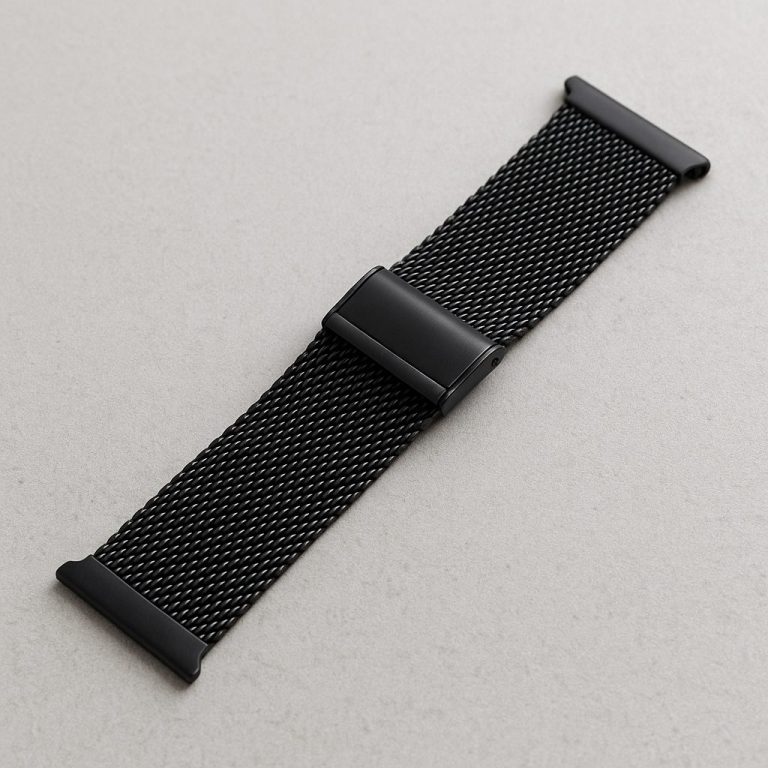
Stainless steel is the most common material for metal watch bands because it resists corrosion and wear. In dusty locations, fine particles often collect between the links or beneath the clasp. These particles can scratch the surface over time or cause the bracelet to feel gritty. Metal is unaffected by dry air, but the accumulation of dust may require more frequent attention. Rinsing and brushing between the links with a soft brush can help maintain smooth movement and reduce skin irritation, especially if the watch is worn daily in harsh conditions.
Leather Bands
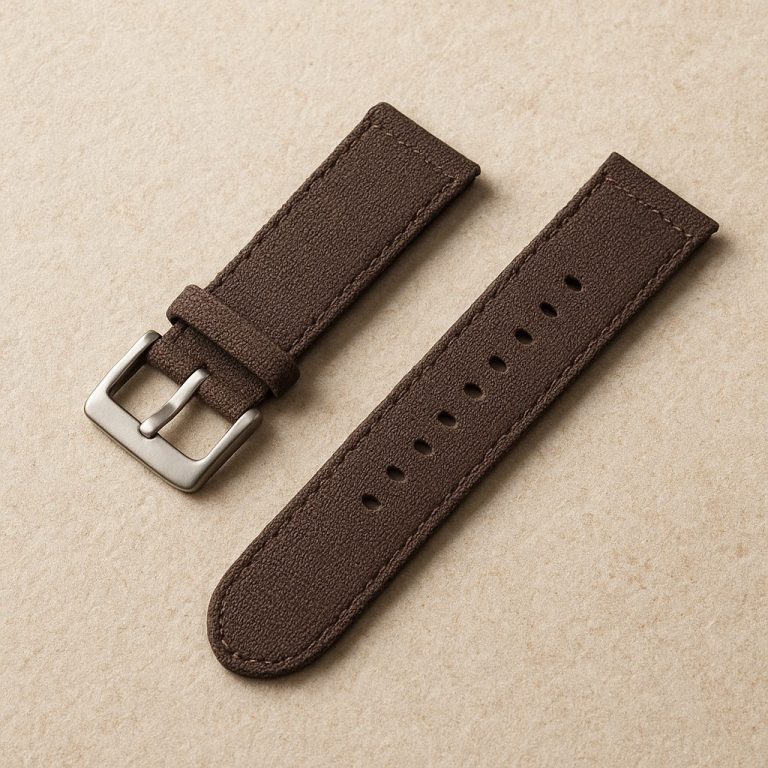
Dry air and dust are particularly harsh on leather. The porous surface traps dust and sweat, leading to a buildup that can discolor the band or cause odors. Constant exposure to low humidity dries out leather, resulting in cracks or stiffness. Leather conditioners help, but these products can also attract more dust if not fully absorbed. If exposed to dust often, leather bands require gentle, regular cleaning with a soft cloth and occasional conditioning. However, heavy exposure to dust and dryness may eventually shorten the lifespan of the leather, even with careful care.
Fabric Bands
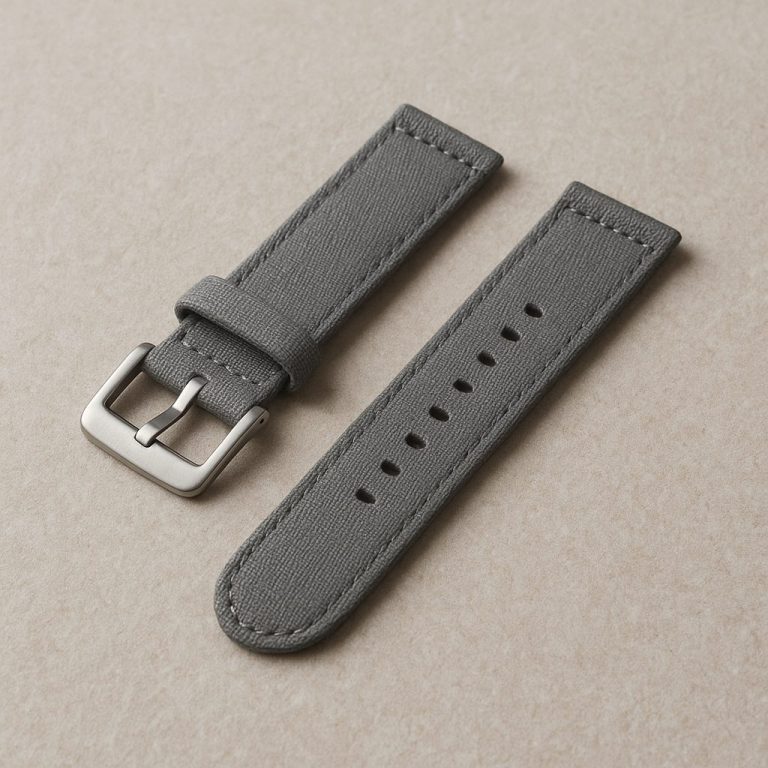
Most fabric watch bands use nylon or a nylon blend. The weave density, thickness, and surface texture influence how much dust gets trapped. Tightly woven or smooth bands resist dust better, while open or textured weaves collect more particles. In very dry conditions, fabric bands can stiffen or feel rough against the skin. Washing fabric bands with gentle soap and water helps remove dust, but repeated washing may eventually lead to fading or fraying. Quick-drying properties are an advantage in dry climates, as moisture evaporates rapidly, but this can also make the band feel stiff if not handled properly.
Silicone Bands
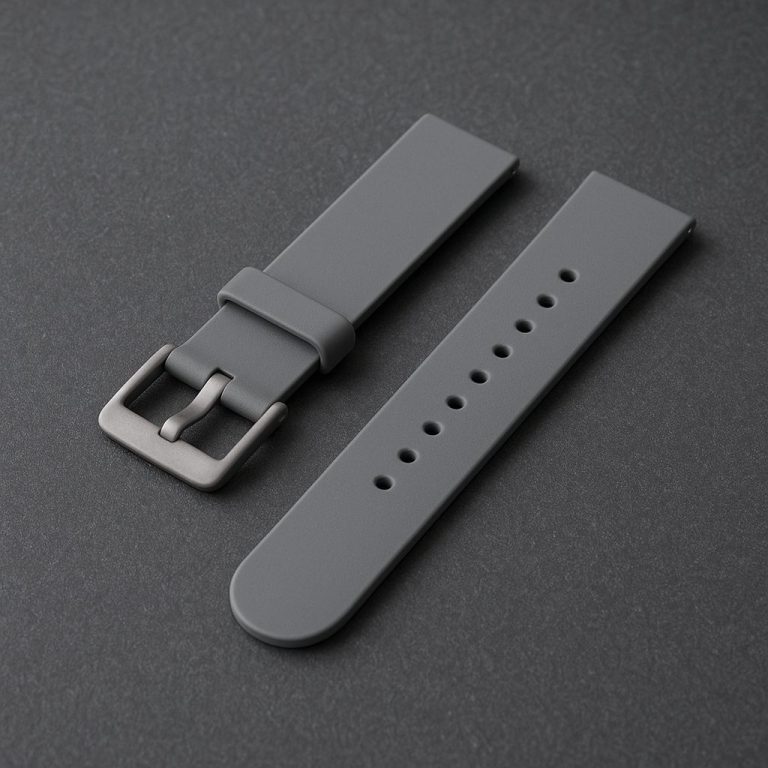
Silicone bands attract dust because of their slightly tacky surface, but they are not affected by dry air. The key advantage is that dust does not penetrate the material and is easily wiped away with a damp cloth or rinsed under water. Silicone remains flexible and comfortable regardless of humidity, making it a practical choice if exposure to dust is frequent. After cleaning, allowing the band to air dry fully can prevent dust from sticking to any residual moisture.
Attachment Points and Mechanisms in Dusty Environments
The way a band attaches to the watch case—using lugs and mechanisms such as spring bars or quick-release pins—can create spaces where dust collects. Fine debris often accumulates at these points, sometimes making it difficult to remove the band or causing the mechanism to stick. When cleaning, pay special attention to these areas. Detaching the band periodically allows for a more thorough cleaning of the lugs and the mechanism. If the watch is exposed to heavy dust daily, consider checking the attachment points more often to ensure reliable operation.
Practical Steps for Care and Maintenance
Regular maintenance can make a significant difference in both comfort and longevity when wearing a watch in dry, dusty places. Here are several practical steps to consider:
- Wipe the band down at the end of each day with a clean, damp cloth to remove surface dust before it builds up.
- For metal and silicone bands, periodic rinsing in water followed by drying with a soft towel helps prevent accumulation within crevices.
- Fabric bands benefit from gentle hand-washing and thorough drying. If the band has a loose or open weave, shake it out gently before washing to dislodge trapped dust.
- Leather requires a dry wipe and, when needed, a small amount of conditioner. Avoid soaking leather, as this may worsen cracking in dry climates.
- Check the attachment mechanism and lugs regularly for grit or movement issues. Use a soft brush to remove any buildup if necessary.
- If wearing a watch during especially dusty work, consider removing it when possible or choosing a band material that is easy to clean quickly, such as silicone or tightly linked metal.
What to Expect: Appearance, Comfort, and Durability
In dry, dusty environments, watch bands are subject to more rapid accumulation of grime and may feel less comfortable, especially after several hours. Fabric and leather bands tend to show visible dust sooner and may feel stiffer, while metal and silicone bands may feel gritty but are easier to restore with a quick cleaning. Over time, fine particles can wear down moving parts or surfaces, so attentive care is especially important if you plan to wear the same watch frequently in these conditions.
Choosing a band with minimal surface texture, fewer moving parts, or materials that resist both static and abrasion can make maintenance simpler. Ultimately, the best outcome is achieved by matching the band material and cleaning routine to the specific environment and frequency of exposure. This approach helps reduce discomfort, keeps the watch looking its best, and preserves its function over time.