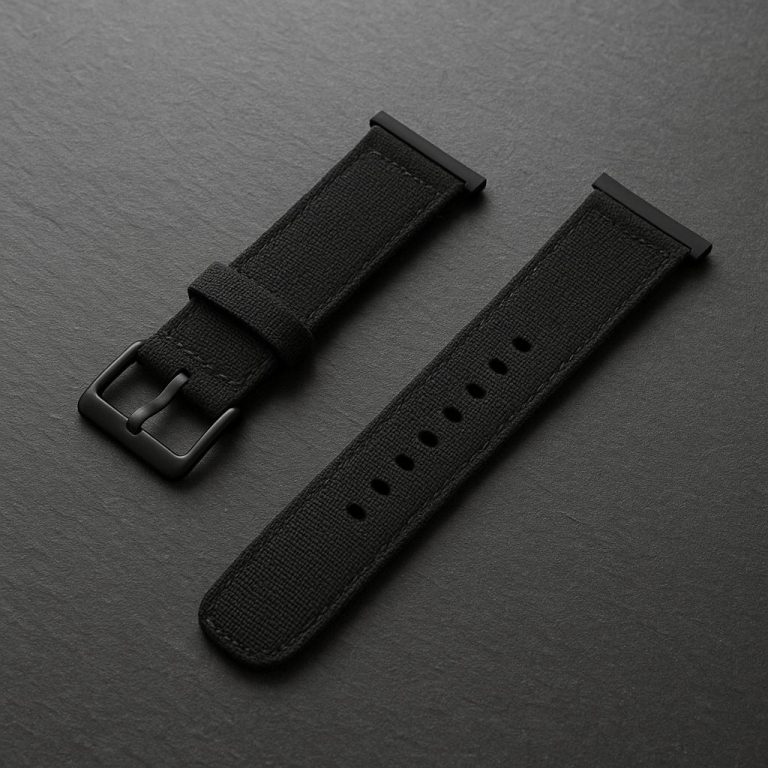
Why switching back to an old watch band can feel refreshing or disappointing
Returning to a Familiar Watch Band: Why Expectations Clash with Reality
After wearing a silicone band for several months, switching back to a leather strap can bring a surprising mix of reactions. The band that once felt just right may now seem stiff, heavy, or even unfashionable. Sometimes, the old band feels like a welcome return to comfort and style; other times, it leaves you wondering why you ever liked it in the first place. This shift in perception highlights how our expectations, shaped by memory and recent experience, can differ sharply from reality when we revisit something familiar.
The Role of Memory and Expectation
When you put aside an old watch band—whether leather, metal, fabric, or silicone—your mind tends to preserve an idealized version of how it felt and looked. Over time, this memory can become distorted. You may remember your leather strap as luxuriously soft, or your metal bracelet as perfectly fitted. However, after adapting to another material, such as the lightweight flexibility of a silicone band or the airy weave of a nylon strap, returning to your previous choice can be jarring.
Expectations develop not just from memory but from longing for the qualities you think you miss. If your current fabric band starts to fray or feels too casual, memories of a more substantial metal band might seem appealing. Yet, when you switch back, the reality of its weight, temperature, or rigidity becomes immediately apparent—sometimes positively, sometimes not.
Material Differences and Perception Shifts
Each watch band material has unique physical properties that affect comfort and appearance. These differences become more noticeable when you switch between them after a period of adaptation. For example:
- Metal bands (most often made from stainless steel for its durability) tend to feel cool and substantial. After months with a soft silicone band, a metal bracelet may seem heavy and inflexible, or conversely, reassuringly solid and secure.
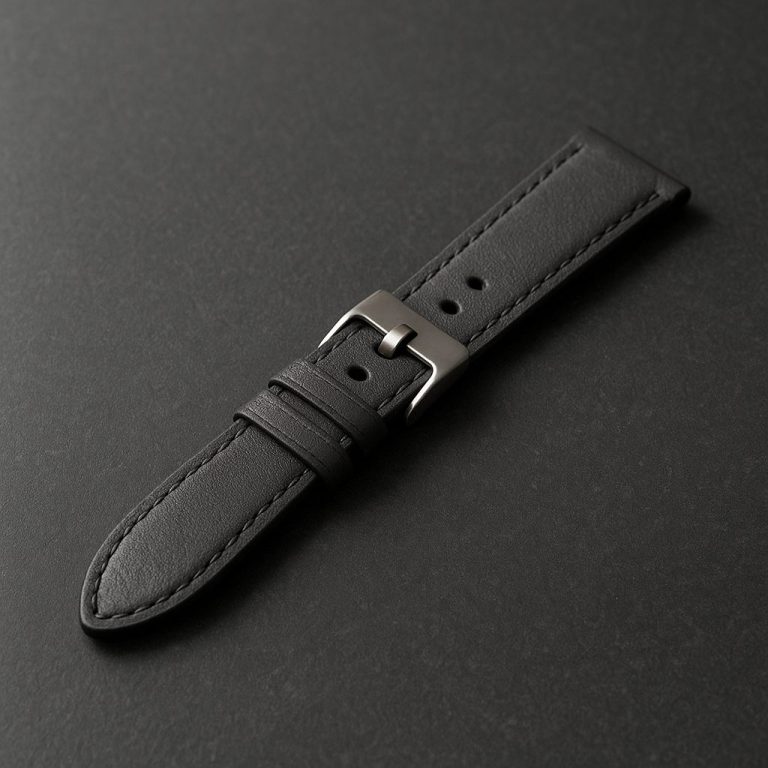
- Leather straps can mold to the wrist over time but may feel stiff if not worn regularly. The scent and texture of leather might spark nostalgia, but if you’ve grown used to a breathable fabric band, leather might suddenly feel warm or sticky.
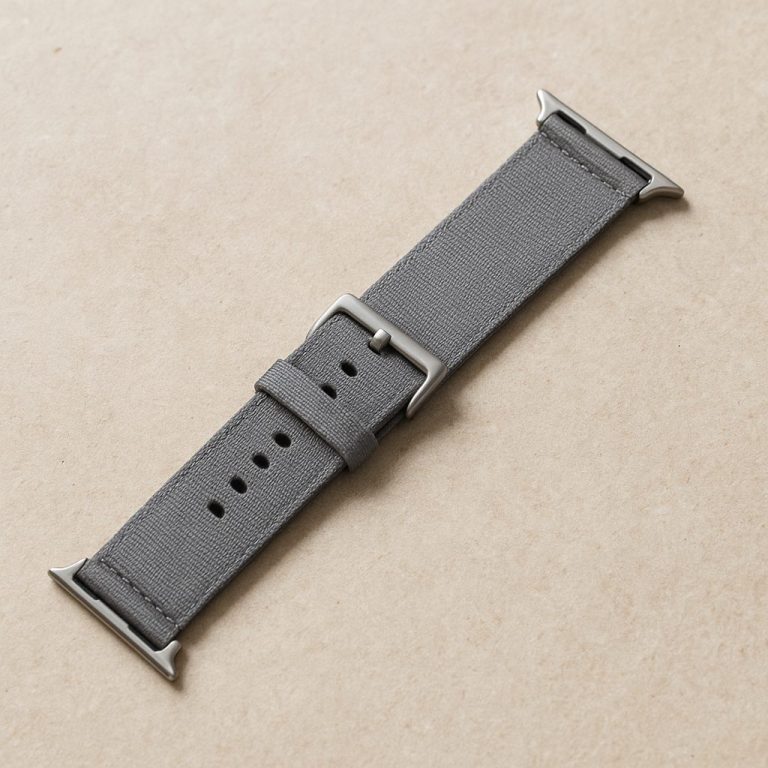
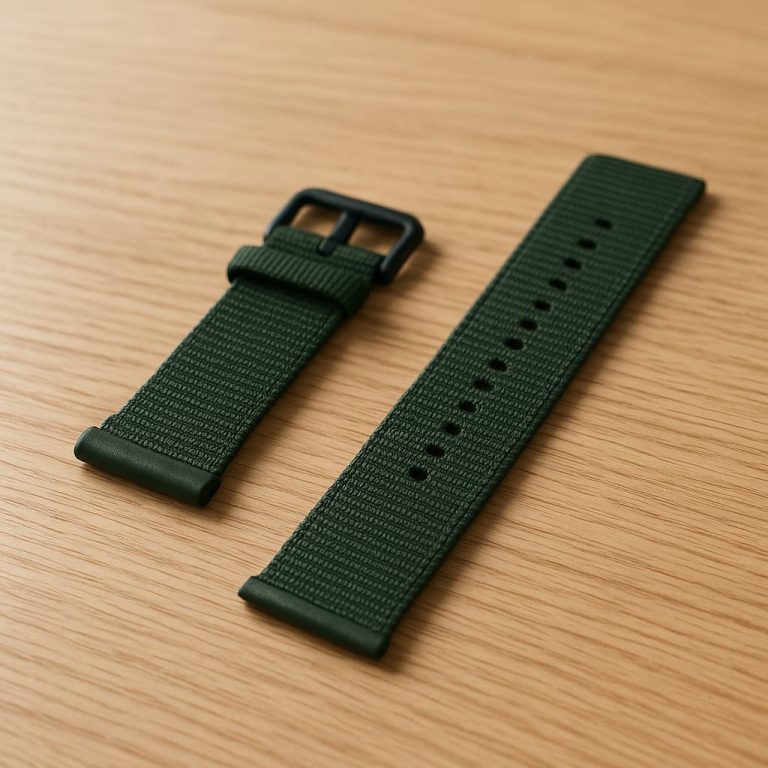
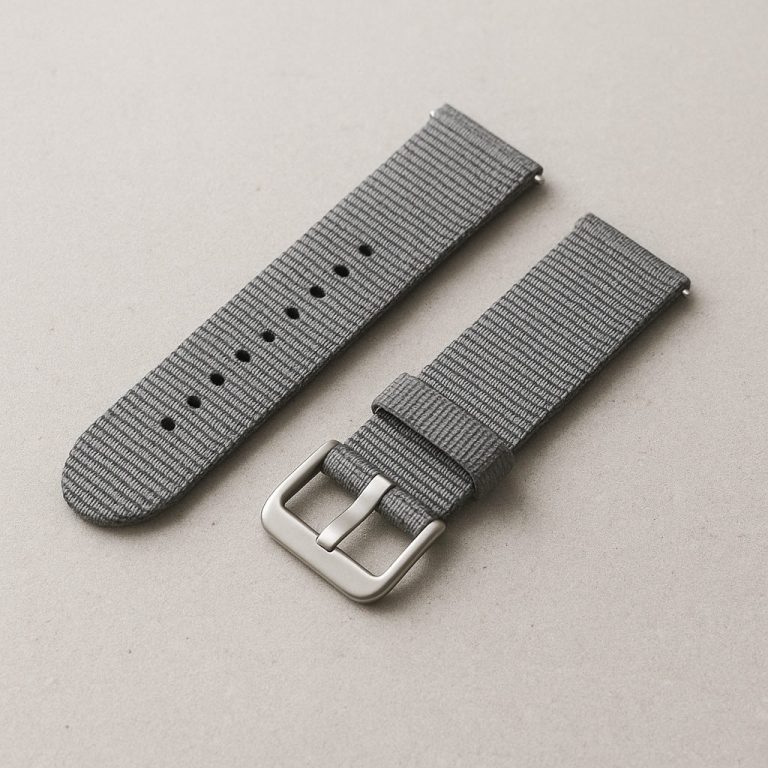
- Fabric bands, usually made from nylon or nylon blends, vary in weave density, thickness, and flexibility. A densely woven, thicker band can seem less comfortable after using a thin, elastic nylon strap. Switching back may highlight differences in texture or the way the band conforms to your wrist.
- Silicone bands are prized for their flexibility and water resistance. After weeks with a structured metal or leather band, returning to silicone can feel liberating or, alternatively, too casual and lacking in structure.
These contrasts are not always negative or positive—they simply reveal how recent experience recalibrates your senses and preferences.
The Influence of Adaptation and Sensory Habituation
Wearing a single type of watch band for an extended period leads to sensory habituation. Your skin, muscles, and even your visual expectations adapt to the band’s specific feel and appearance. When you switch back to an old band, your body notices the differences that were previously taken for granted.
For example, if you’ve worn a lightweight nylon strap for months, a return to a stainless steel bracelet may cause you to notice its weight and coolness during the first few hours. Alternatively, going back to a thick leather strap after a summer with a silicone band might highlight how much more heat the leather retains. These reactions stem from the contrast between your current habitual experience and the older, now unfamiliar sensation.
Emotional Responses: Nostalgia, Surprise, and Disappointment
Emotional reactions play a significant role in how you perceive an old watch band. A band associated with special memories—a gift, a milestone purchase, or a favorite style—may evoke positive emotions when revisited. However, reality sometimes fails to match the emotional expectation. The leather may have stiffened, the fabric may look faded, or the metal clasp may pinch more than you recall.
On the other hand, some people find great satisfaction in returning to a familiar band. The break from routine can refresh appreciation for qualities that were overlooked: the patina of aged leather, the reassuring weight of metal, or the distinctive texture of a favorite fabric weave.
Practical Example: Rediscovering the Old Band
Consider someone who alternates between a silicone band for exercise and a leather strap for daily wear. After a long period of prioritizing the silicone band, the leather option may initially feel less comfortable. However, after a few days, the leather might soften again and their wrist could readapt. This period of adjustment often reveals which qualities matter most to the wearer, whether it’s breathability, ease of cleaning, or the look and feel of the material.
Matching Bands to Current Needs and Preferences
Personal taste and daily needs also influence how refreshing or disappointing it feels to return to an old watch band. A metal bracelet might feel perfect in colder months but uncomfortable in summer heat. A fabric band may seem ideal for sports but too casual for formal settings. The act of switching back can expose how your lifestyle or preferences have changed, or how well the old band still fits your current routine.
Quick Reference: How Experience Shapes Band Perception
| Previous Band | Current Band | Common Reaction When Switching Back |
|---|---|---|
| Leather | Silicone | Leather feels stiff, warmer, or surprisingly stylish |
| Metal | Fabric (nylon blend) | Metal feels heavier, cooler, or more secure |
| Fabric (dense nylon) | Leather | Fabric seems lighter, more breathable, but less formal |
| Silicone | Metal | Silicone feels flexible, casual, or less substantial |
What This Means for Everyday Wear
Switching back to an old watch band reveals how your expectations are shaped by both memory and recent experience. The gap between what you remember and what you actually feel can be surprising, sometimes leading to disappointment, other times to renewed appreciation. Recognizing this effect can help you set realistic expectations when rotating bands and make more satisfying choices about which band to wear for a given occasion. If an old favorite doesn’t feel quite right at first, a short period of readjustment might be all that’s needed for it to feel familiar again.