Leather vs fabric watch bands for long-term durability
Why Some Watch Bands Outlast Others: Everyday Wear and Environmental Factors
A wristwatch worn daily through commutes, changing weather, and routine activities can begin to show signs of wear on its strap long before the watch itself falters. Visible cracks on a leather band, frayed edges on a woven nylon strap, or discoloration after exposure to water highlight how different materials respond to real-world use. For anyone relying on a watch as an everyday companion, the durability of the band becomes a practical concern—especially when deciding between leather and fabric options.
Core Differences Between Leather and Fabric Watch Bands
Leather and fabric watch bands offer distinct characteristics, both in appearance and in how they withstand long-term use. While both types attach to the watch case using mechanisms such as spring bars or quick-release pins, the material itself plays a significant role in how well the band stands up to daily life.
| Feature | Leather Bands | Fabric Bands (e.g., nylon, blends) |
|---|---|---|
| Wear Resistance | Prone to creasing, cracking, and stretching over time | More resistant to stretching and cracking; may fray at the edges |
| Water Exposure | Can degrade, stain, or lose suppleness when repeatedly exposed | Tolerates water better; some may absorb moisture, others dry quickly |
| Cleaning | Requires careful cleaning; sensitive to chemicals and moisture | Often machine washable or easily cleaned by hand |
| Reaction to Sweat | May absorb sweat, leading to odor and staining | Generally less prone to odor buildup; dries more quickly |
| Typical Lifespan (with regular use) | 1–3 years, sometimes longer with careful maintenance | 2–5 years, depending on weave, thickness, and exposure |
Leather Bands: How They Handle Long-Term Use
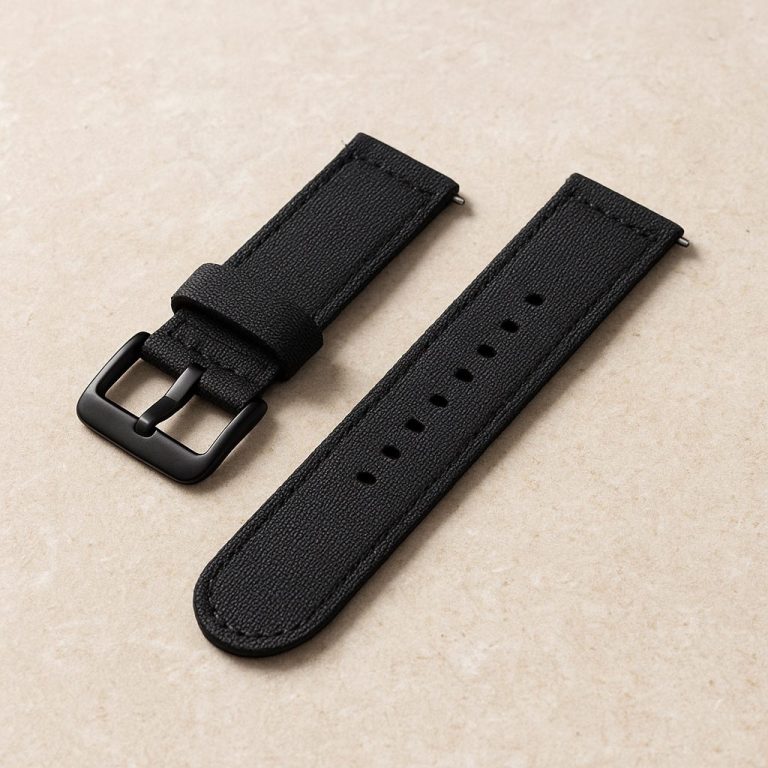
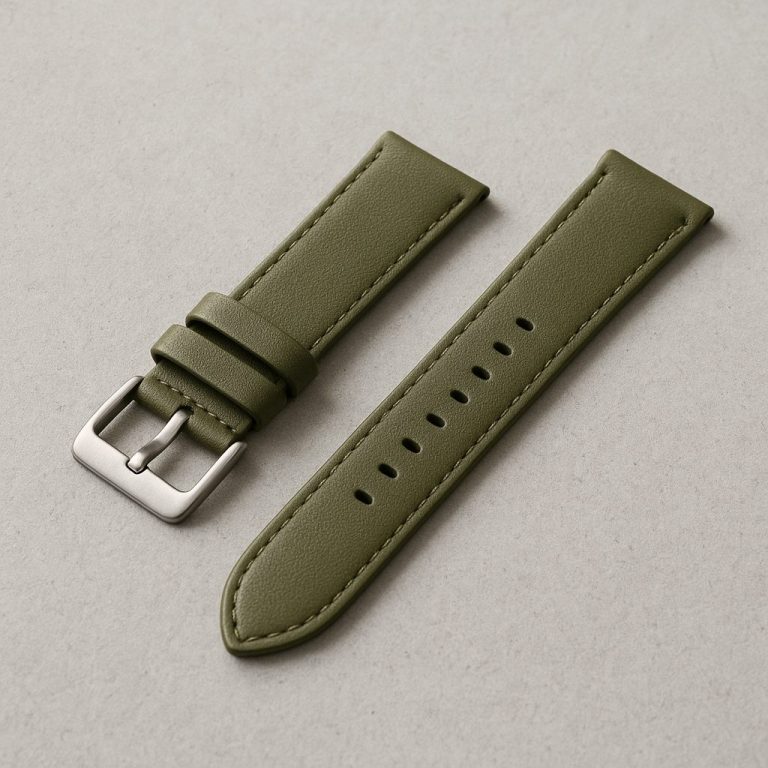
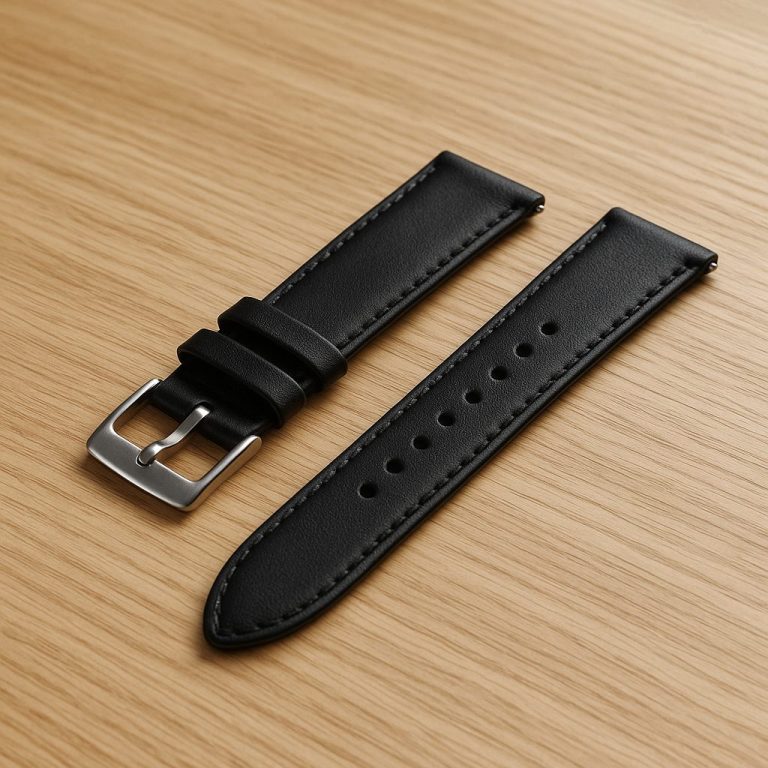
Leather watch bands, made from animal hides, are valued for their supple feel and classic look. Over months and years of use, leather can develop a unique patina, but this aging process is closely tied to how the band is treated and the conditions it encounters.
Common Durability Issues with Leather
- Creasing and Cracking: Flexing at the buckle holes or where the band curves around the wrist can create permanent creases. Over time, these may turn into cracks, especially if the leather dries out or is exposed to temperature swings.
- Moisture Damage: Leather is naturally porous and can absorb sweat, rain, or repeated hand-washing splashes. This moisture weakens leather fibers, leading to softening, stretching, or even rot.
- Staining and Discoloration: Water, oils, and even sunlight can stain leather or cause fading. Light-colored bands are especially prone to visible discoloration after extended use.
Proper care can extend the lifespan—such as wiping the band dry after exposure, conditioning with specialized products, and storing away from direct sunlight. However, even with diligent maintenance, leather bands eventually show wear at stress points like buckle holes and the area where the band attaches to the case lugs.
Fabric Bands: Nylon and Its Durability Profile
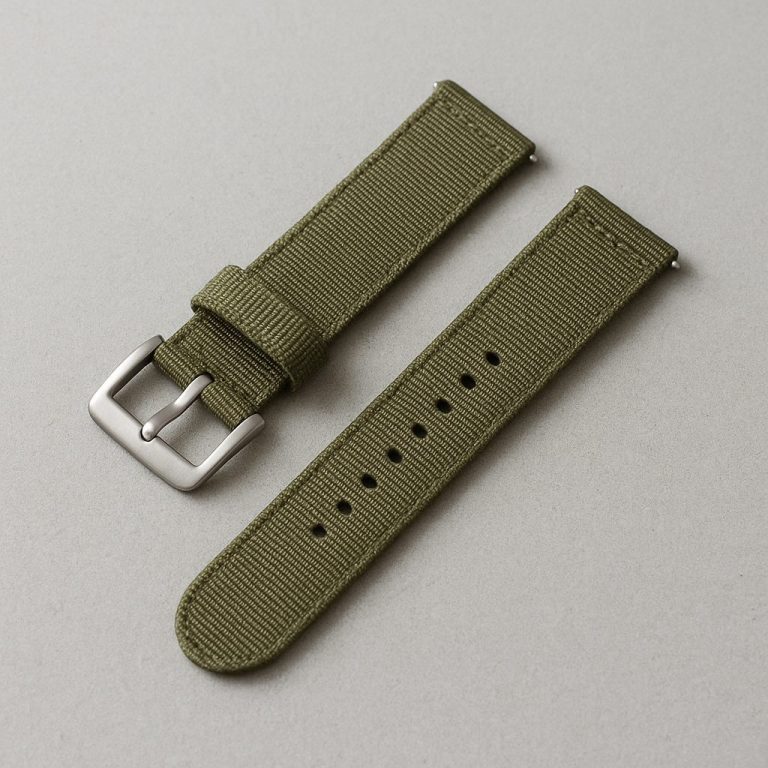
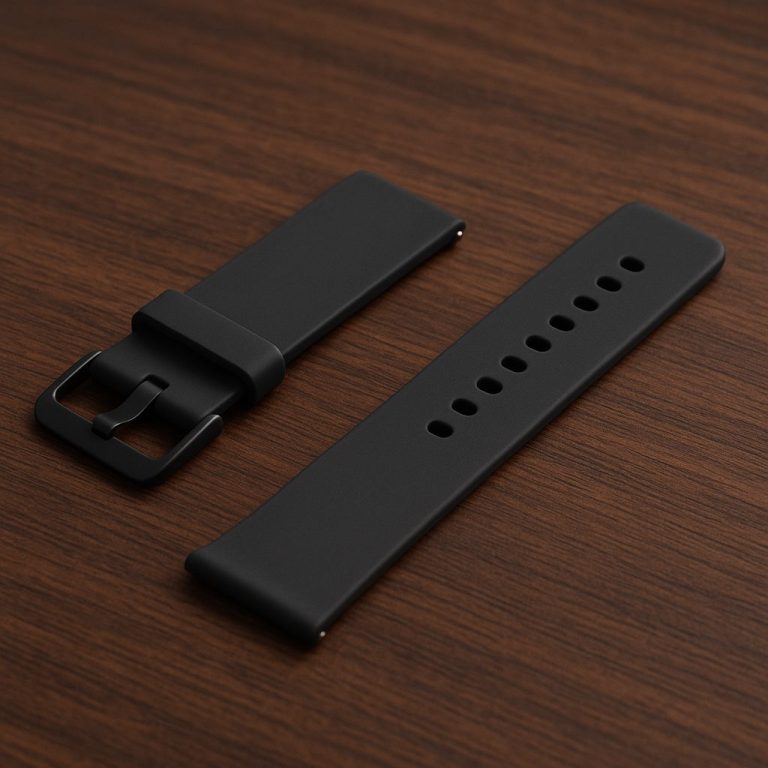
Most fabric watch bands are made from nylon or nylon blends, chosen for their resistance to abrasion and their ability to handle moisture. These materials can be woven in various densities and patterns, resulting in bands that range from thin and flexible to thick and rigid.
Strengths and Weaknesses of Fabric Bands
- Fraying: The edges of some woven nylon bands may start to fray after regular rubbing against clothing or rough surfaces. Higher weave density and heat-sealed edges help minimize this issue.
- Moisture Handling: Unlike leather, nylon bands can be rinsed or washed without harm. Some dry quickly, while thicker or padded options may hold moisture longer.
- Stretch and Deformation: Most nylon bands maintain their shape, but those with more elasticity can stretch out or lose their original snugness after repeated adjustments.
- Color Retention: Nylon is generally colorfast, but long-term exposure to sunlight can cause fading, particularly for brighter or lighter shades.
Regular cleaning is simple—many users rinse fabric bands under running water or use mild soap when needed. For those exposed to saltwater or heavy sweat, rinsing helps prevent buildup and odor. A practical example: after a summer hike, quickly rinsing a nylon strap can remove dirt and sweat, helping maintain both appearance and longevity.
Environmental Impact on Durability
The environment in which a watch is worn plays a significant role in how long its band lasts. Humid climates, frequent outdoor activity, or office work each present different challenges.
- Humidity and Sweat: Leather bands tend to absorb moisture, which can accelerate breakdown and cause odors. Nylon bands, especially those with a dense weave, typically handle sweat better and dry faster.
- Water Exposure: Even brief exposure to rain or accidental splashes can cause leather to become stiff or spotted, while fabric bands usually tolerate such exposure with little immediate effect.
- Temperature Shifts: Leather is more sensitive to rapid changes in temperature, which can dry it out and lead to cracking. Nylon is less affected, maintaining flexibility across a range of conditions.
For anyone who often finds their watch exposed to water, or who regularly exercises while wearing it, fabric bands generally offer greater longevity with minimal maintenance.
Repair and Replacement Considerations
When a watch band shows signs of damage, repair options vary by material. Leather bands with minor cracks may be treated with conditioners, but once deep cracks or tears appear, replacement is usually the only option. Stitching at the ends or near the buckle can sometimes be reinforced, but this is rarely a permanent solution.
Fabric bands, particularly those made from nylon, can sometimes be trimmed and heat-sealed if fraying occurs at the edge. Some styles allow the user to adjust length or re-burnish ends themselves. However, significant wear, such as stretched-out holes or excessive fading, usually means the band needs replacement.
Signs That It’s Time to Replace a Watch Band
Regardless of material, certain indicators suggest a watch band is no longer reliable for everyday use:
- Visible cracks or tears that could lead to breakage
- Fraying that exposes threads or undermines the structure
- Persistent odor that cleaning does not resolve
- Significant stretching or deformed holes, making it difficult to secure the band
Routine inspection, especially at the points where the band meets the lugs and at the buckle holes, can help prevent unexpected failures. If a band feels noticeably weaker or shows clear signs of wear, replacing it helps avoid the risk of the watch falling off.
Comparing Long-Term Durability: Practical Takeaways for Daily Wear
In daily life, fabric watch bands—especially those constructed from high-quality nylon—tend to outlast leather bands under conditions involving frequent moisture, sweat, or physical activity. Leather bands, while attractive, require more care to maintain their appearance and integrity, and are more susceptible to environmental damage over time. Fabric options, by design, are more forgiving when it comes to cleaning and exposure, though they can show wear in the form of fraying or fading after extended use.
For anyone prioritizing long-term durability in unpredictable or active settings, fabric bands are typically the more resilient choice, while leather bands may be preferred where appearance and traditional style matter most, provided they are cared for appropriately.