Why a watch band that suits the watch may not suit the way you use it
When Style Conflicts With Routine: The Watch Band Dilemma
Someone might select a sleek metal bracelet for a classic watch, appreciating how the band completes the overall look. However, after a long day at a computer or during a session at the gym, the same person may notice discomfort, skin irritation, or inconvenience caused by the once-perfect choice. This situation raises an important question: why does a watch band that suits the watch sometimes fail to suit the person wearing it?
Matching the Watch Isn’t the Same as Matching Your Life
Watch bands are often chosen for their appearance, especially when trying to complement the watch’s case, dial, or overall style. A polished metal bracelet or a finely stitched leather strap can make a watch look refined or formal. However, the way a band looks on the watch doesn’t always align with how it feels or functions during everyday activities.
Consider the subtle but significant differences between how a watch looks in a display case versus how it feels after hours of movement, exposure to sweat, or repeated contact with clothing, water, or equipment. The daily realities of wearing a watch may reveal limitations or discomforts that are easy to overlook when focusing on appearance alone.
How Lifestyle and Activities Affect Band Suitability
Different routines and environments place unique demands on watch bands. The activity, climate, and even work setting can make a stylish band impractical or uncomfortable. Here are some specific scenarios:
- Office or Computer Work: A thick metal bracelet may catch on desk edges, feel cold against the skin, or create pressure spots during long typing sessions. Leather bands might soften and deform in this setting, especially if worn tightly.
- Sports and Exercise: Leather bands can absorb sweat, leading to odor and deterioration. Metal bracelets may feel heavy and shift during movement, while fabric bands made from certain weaves can stretch or chafe. Silicone bands, however, generally resist moisture but may trap heat.
- Outdoor Activities: Exposure to water, dirt, or rough surfaces can quickly age a leather band or cause fabric bands to stain. Metal bands, typically made from stainless steel for durability and corrosion resistance, may perform better but can become uncomfortable in hot or cold conditions.
- Travel and Variable Conditions: Swapping between climates or changing activities throughout the day can highlight the limitations of a single, style-matched watch band. A dressy band might not adapt well to sudden rain or a spontaneous hike.
Material Realities: When Looks and Use Don’t Align
The core materials used for watch bands all have characteristics that make them better suited for certain uses and less ideal for others. When a band is chosen solely for its visual harmony with the watch, it may not perform as expected in real-world use.
| Band Material | Best Suited For | Potential Issues in Daily Use |
|---|---|---|
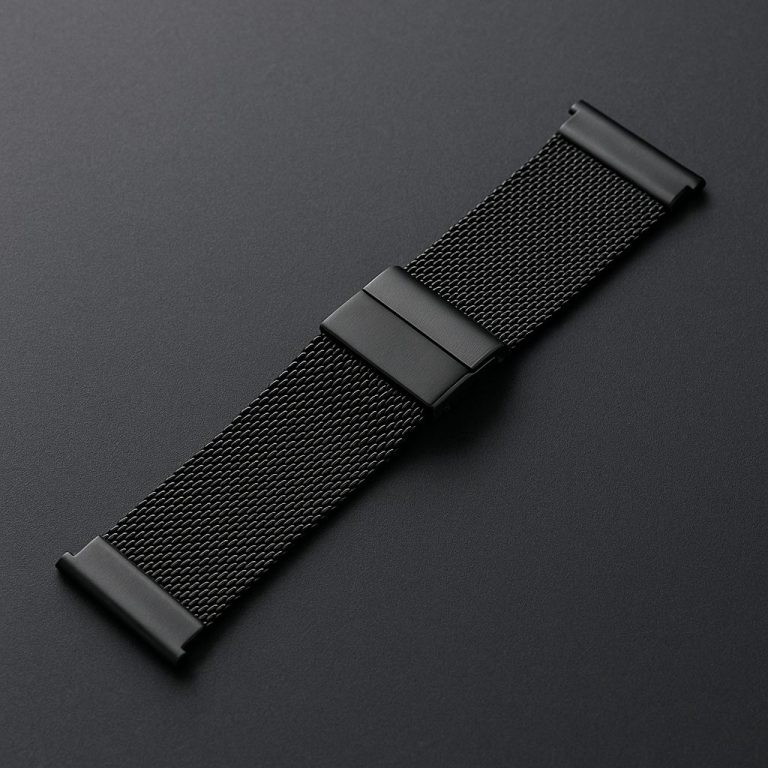
| Metal (usually stainless steel) | Formal wear, water resistance, durability | Heavy, can pinch or pull hair, uncomfortable in temperature extremes |
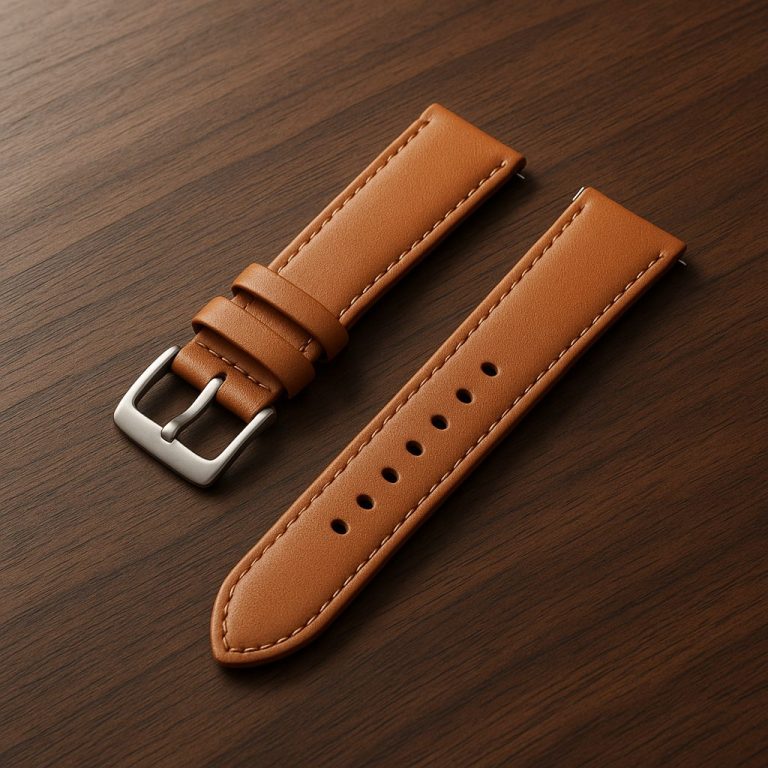
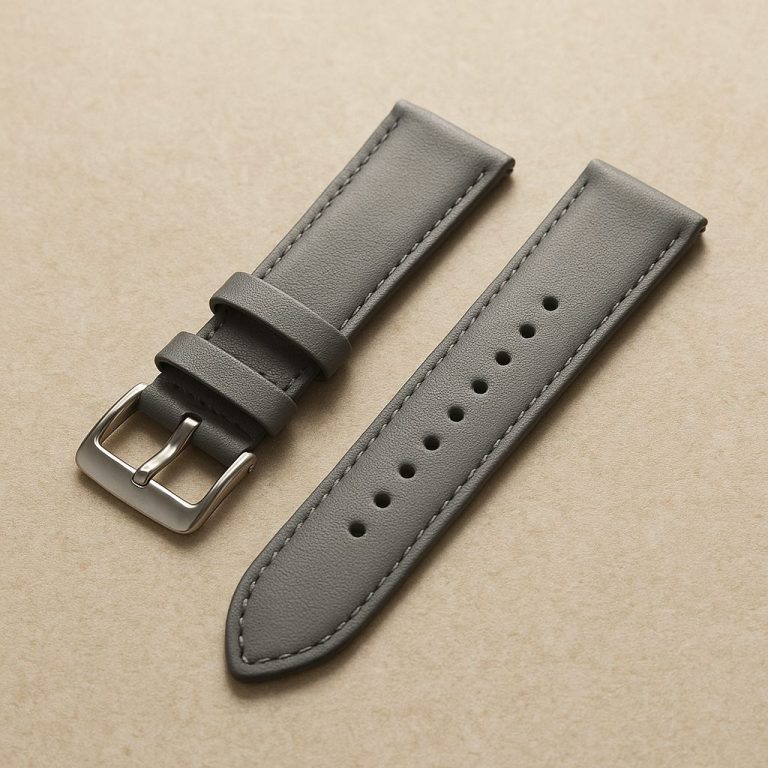
| Leather | Formal or business settings, classic style | Absorbs sweat, deforms with moisture, not ideal for sports or humid climates |
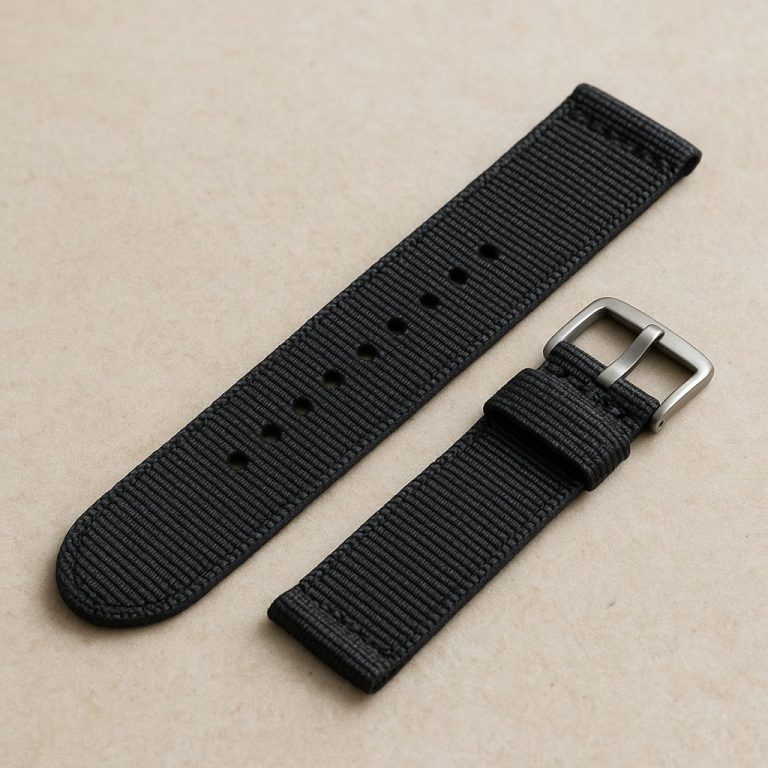
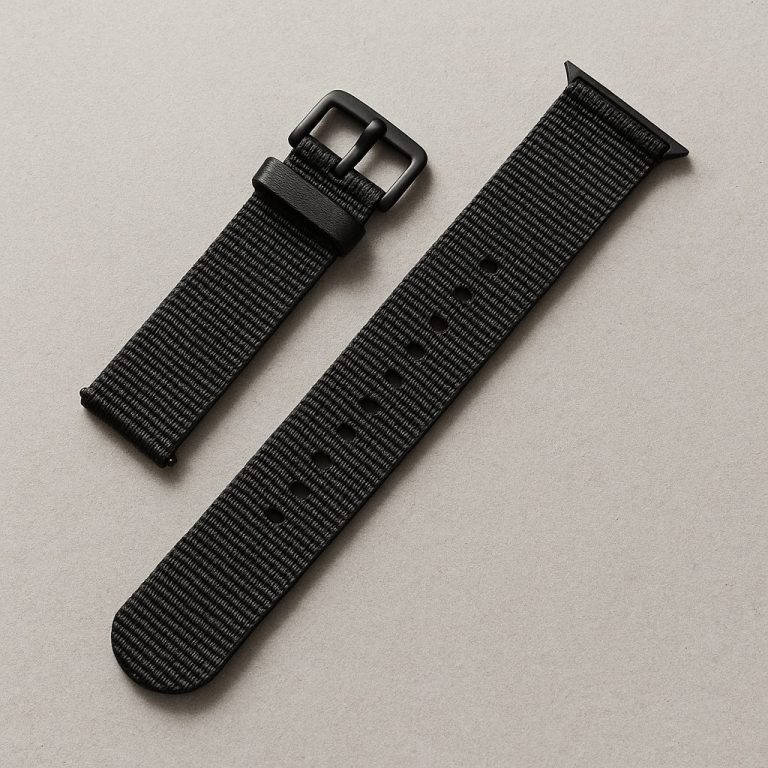
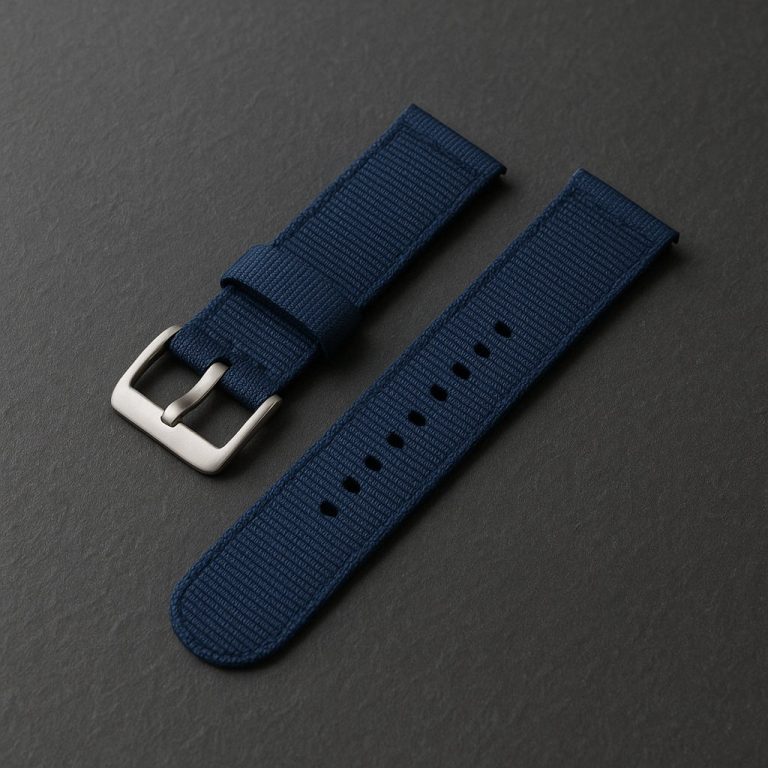
| Fabric (mostly nylon blends) | Casual wear, lightweight comfort, adjustable fit | Can stain, stretch, or fray; certain weaves may chafe or absorb odors |
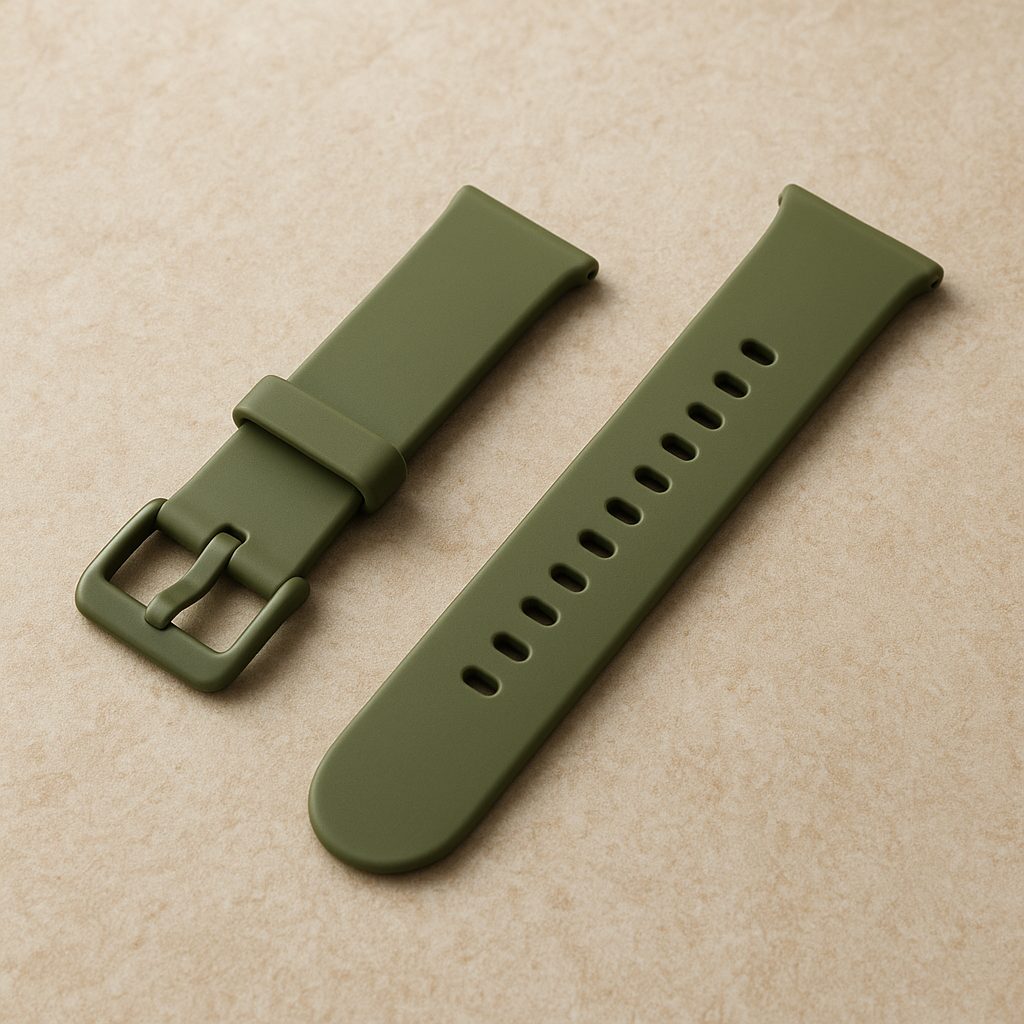
| Silicone | Sports, water activities, easy cleaning | Traps heat, may feel sticky in warm conditions, less formal appearance |
Fabric watch bands, most commonly made from nylon or nylon blends, can vary widely in weave density, thickness, and elasticity. Some are smooth and flexible, while others are thicker or more rigid, affecting how they feel during different activities.
Case Examples: When the Perfect Match Isn’t Practical
An elegant leather strap may perfectly complement a vintage-inspired watch, but if worn during a hot summer commute or daily errands, repeated sweating and exposure to moisture can lead to rapid wear and odor. Similarly, a heavy stainless steel band may look right for a dress watch but become distracting during activities that require wrist flexibility or involve significant hand movement, such as playing an instrument or carrying groceries.
Silicone bands are often favored for their water resistance and easy maintenance, making them a practical choice for exercise or swimming. However, their appearance may clash with formal attire, and the material can sometimes feel warm or sticky against the skin after prolonged wear.
With fabric bands, the variation in weave and thickness means that some are soft and breathable, making them comfortable for extended use, while others may be stiff or rough, leading to irritation during repetitive motions or physical activity.
Prioritizing Function Over Form—Or Finding a Balance
The disconnect between a watch band’s appearance and its functional suitability is often most noticeable when routines change. For someone who alternates between office work and outdoor exercise, a single, style-matched band may never feel quite right in all situations. Quick-release pins or other attachment mechanisms can make switching bands easier, but the fundamental challenge remains: no single band is universally ideal.
A practical approach is to consider the most demanding or frequent activities in your daily life. If your routine includes significant physical activity or exposure to moisture, a band that prioritizes comfort and resilience—such as silicone or a well-chosen fabric band—may serve you better, even if it doesn’t match the watch’s design as closely as a metal or leather option. Alternatively, having more than one band and swapping as necessary allows you to adapt to changing needs without sacrificing style or comfort entirely.
Aligning Your Watch Band With How You Actually Use Your Watch
Choosing a watch band that suits the watch visually is only part of the equation. The way you use your watch—your work, hobbies, environment, and comfort preferences—should guide your choice just as much as appearance. By recognizing the differences between what looks best on the wrist and what feels or functions best in daily life, you can make more informed decisions and avoid the frustration of a band that doesn’t fit your lifestyle.