Why some watch band compromises are easier to live with than others
Everyday Frustrations from Watch Band Choices
After switching to a new metal bracelet, some people notice their watch feels heavier but quickly stop noticing the weight as they go about their day. In contrast, changing to a silicone band might make a watch more comfortable for exercise, but it can sometimes cause sweat to build up underneath, leading to mild irritation that lingers throughout daily activities. Both are compromises, yet one is often easier to accept over time than the other. Understanding why certain watch band tradeoffs fade into the background while others remain bothersome helps in making practical choices that actually work for your lifestyle.
How Different Tradeoffs Affect Daily Use
Every watch band comes with its own set of strengths and drawbacks. Some compromises, like a slightly heavier band, become less noticeable with regular wear. Others, such as a clasp that pinches or a fabric band that doesn’t dry quickly, can continually disrupt comfort or convenience. The difference lies in how these tradeoffs interact with your daily habits and the frequency or intensity of their impact.
Physical Sensations: Which Ones Are Forgotten?
The body adapts to certain changes faster than others. For example, when switching from a lightweight nylon strap to a stainless steel bracelet, the initial feeling of extra weight on the wrist may seem significant. Over time, most wearers adjust, and the sensation becomes part of the background—much like getting used to a new pair of shoes. By contrast, a band that traps moisture against the skin or a clasp that presses into the wrist every time you rest your arm on a desk remains a constant reminder of the tradeoff.
Adjustment Frequency: Set It and Forget It?
How often you need to interact with a compromise plays a major role in how livable it feels. For instance, metal bracelets typically use a clasp that is adjusted once for size and then rarely needs further attention. Any initial inconvenience during sizing is soon forgotten. On the other hand, a fabric band made from a dense nylon weave might require frequent re-tightening if it stretches throughout the day, creating a persistent interruption.
Context-Specific Tradeoffs
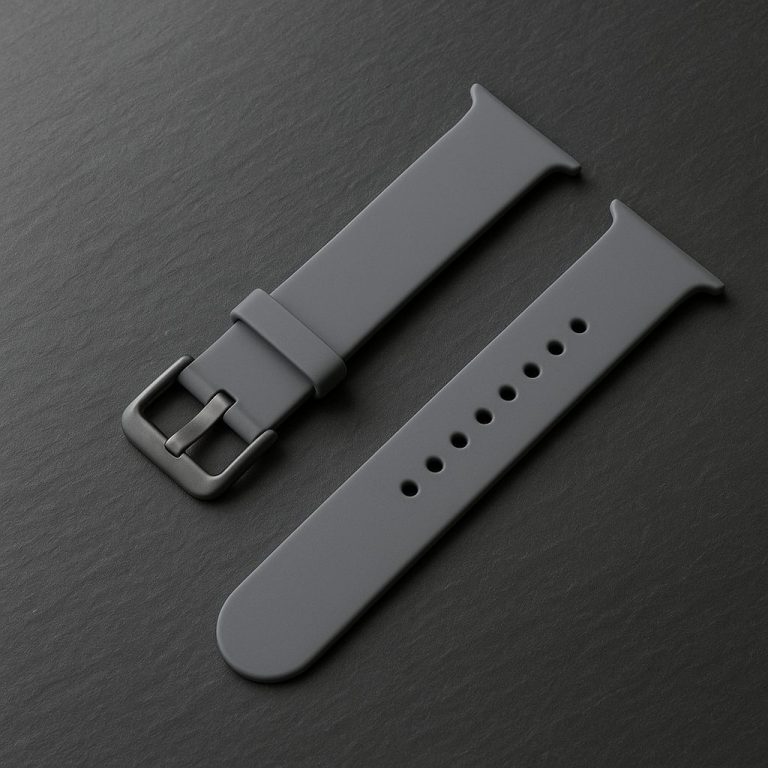
Some compromises are only noticeable in specific situations. A silicone band might be perfect for workouts due to its flexibility and water resistance, but may feel sticky during long hours in a warm office. A thick, tightly woven nylon band is often comfortable and dries quickly, but if it lacks breathability, it can cause sweat buildup during summer months. These context-dependent issues can be easier to accept if they only arise during short or infrequent activities, but harder to ignore if they disrupt regular, daily routines.
Material Tradeoffs and Their Impact
Each material used for watch bands brings its own compromises, but not all are equally intrusive in daily life. How noticeable these are depends on both the material properties and the wearer’s routine.
| Material | Common Compromise | Impact on Daily Use |
|---|---|---|
| Stainless Steel (metal) | Weight, occasional pinching | Weight usually fades into background; pinching only if fit is poor |
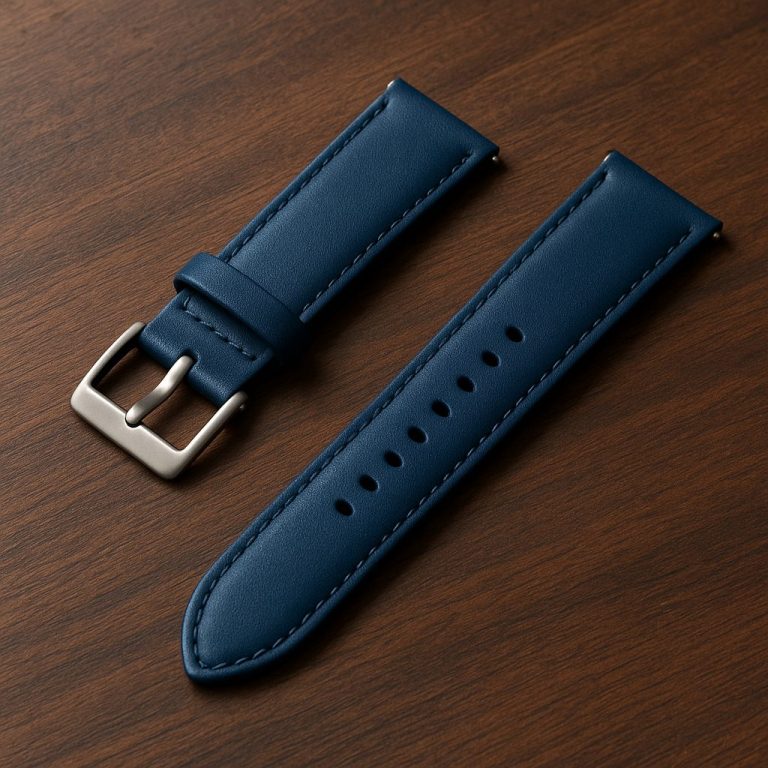
| Leather | Sensitivity to water and sweat | Requires removal for swimming, but otherwise rarely intrusive |
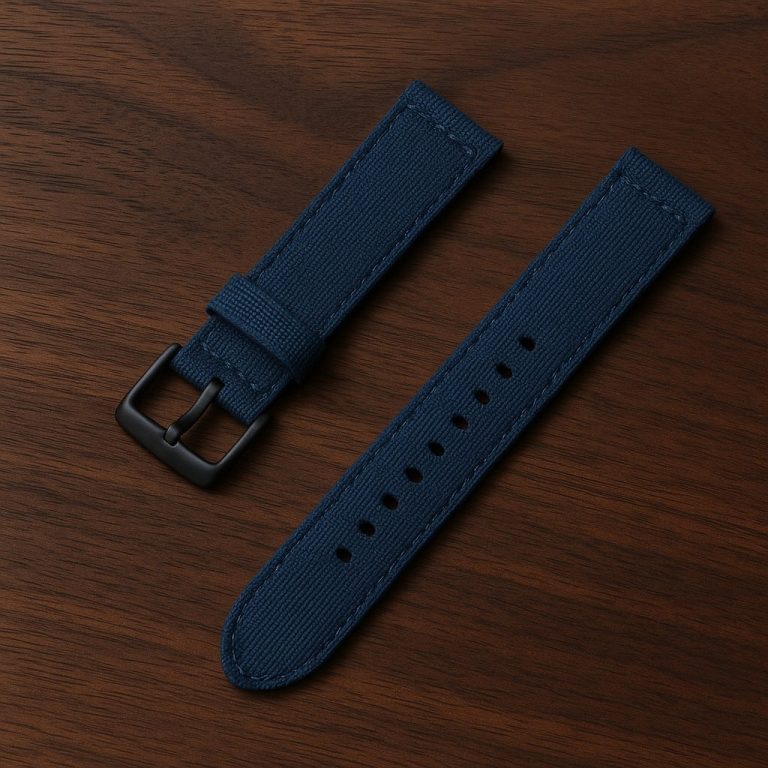
| Fabric (nylon blends) | Absorbs sweat, potential stretching | May need drying or retightening, especially after exercise |
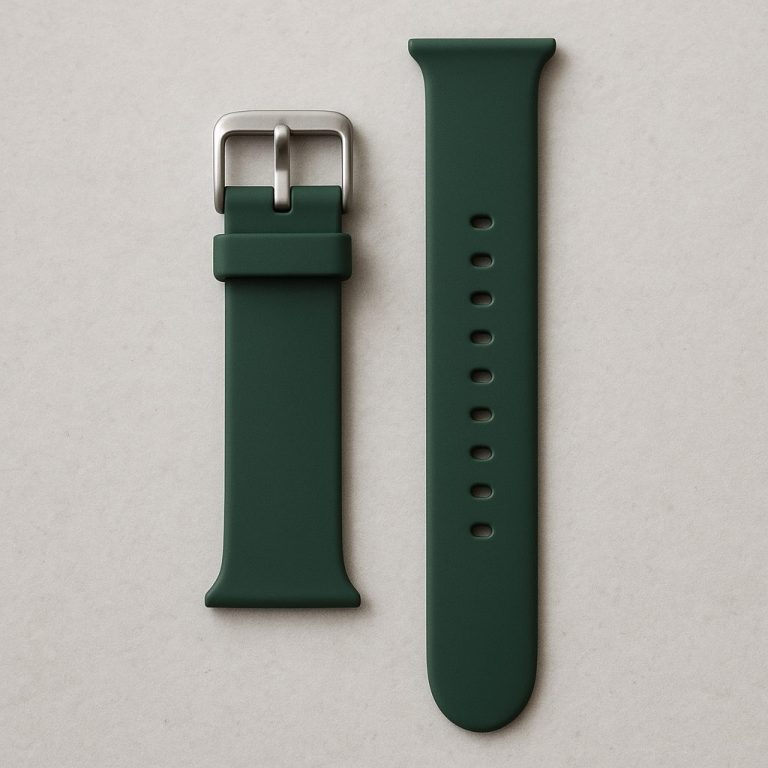
| Silicone | Traps moisture, can feel sticky | Comfortable for short periods, but may cause irritation over long wear |
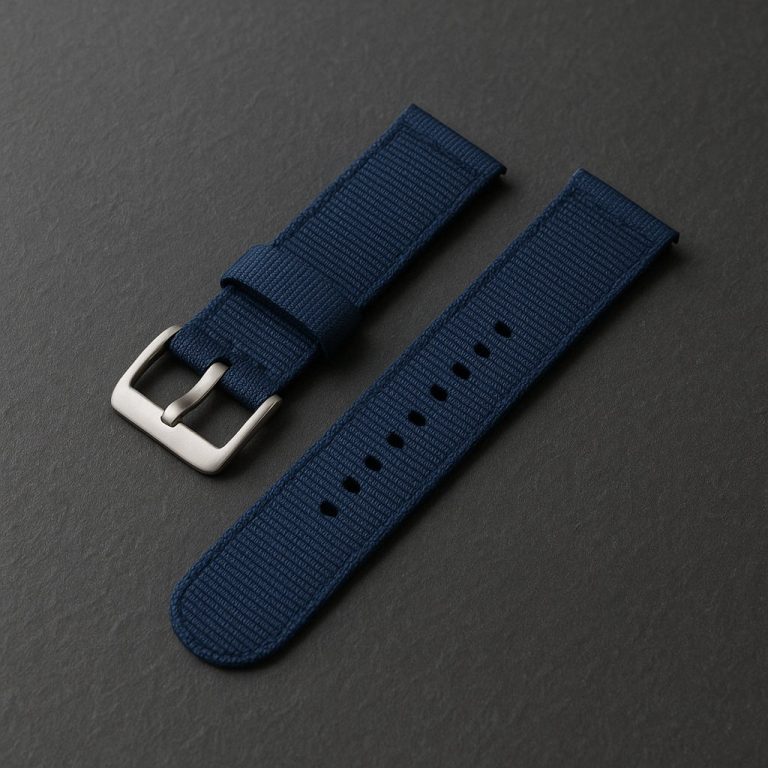
Stainless steel is the most common metal for watch bands due to its durability and resistance to corrosion. While its weight is sometimes cited as a concern, most people adjust within days, making it a minor compromise for those not sensitive to heavier accessories. Fabric bands, usually made from nylon or nylon blends, vary in weave density and thickness, affecting how quickly they dry or how elastic they feel. A thick, tightly woven band may be highly durable but less breathable, whereas a looser weave is softer but can absorb more moisture.
Why Some Compromises Fade Away
Compromises that are static—meaning they don’t require constant attention—are usually easier to live with. For example, once a metal bracelet is properly adjusted, its weight or slight stiffness rarely interferes with daily activities. The mind quickly tunes out sensations that are consistent and non-irritating. Similarly, a leather band’s need to avoid water is easily managed by removing the watch during showers or swimming; this creates a predictable pattern rather than a daily nuisance.
On the other hand, recurring or unpredictable issues tend to remain front-of-mind. A silicone band that causes skin irritation during long meetings or a nylon strap that needs to be re-tightened every few hours continually remind the wearer of the compromise. When a tradeoff interrupts routine tasks or causes discomfort at random times, it becomes much harder to accept.
Perception and Personal Tolerance
Personal habits and tolerance also play a role. Someone who works at a desk may find a heavy metal band less intrusive than a clasp that presses into the skin during typing. An active person might not mind a band that needs occasional cleaning but could be frustrated by one that traps sweat or dries slowly. The ease or difficulty of living with a compromise often depends on how much it interferes with the activities that matter most to the wearer.
Making Tradeoffs Work in Real Life
Some watch band compromises can be minimized or made more livable with small adjustments. For instance, swapping in a quick-drying nylon band for intense activities and returning to a leather strap for formal wear can keep discomfort to a minimum. Adjusting how tightly a band is worn, or switching between different bands based on the day’s activities, can also help reduce the impact of persistent issues.
One practical tip is to observe when and how a compromise affects you. If a silicone band only becomes uncomfortable at the end of a long day, consider reserving it for shorter wear or exercise sessions. If a tightly woven fabric band feels hot during summer, try a lighter or more breathable option for warm weather. Small changes to routine or band choice can make certain tradeoffs nearly invisible.
Accepting the Right Compromises for Your Routine
The difference between a tolerable and an annoying watch band compromise comes down to how much it interrupts daily life, how often it demands attention, and whether it can be managed by small changes. Tradeoffs that are constant but non-irritating tend to fade into the background, while those that require frequent adjustment or cause periodic discomfort remain hard to ignore. By understanding how different compromises interact with your specific habits and environment, it becomes easier to choose a watch band that fits your real needs—not just what looks or feels good in the short term.