Why some watch band decisions depend more on avoiding mistakes than finding the perfect option
Recognizing How Watch Band Choices Are Often About Avoiding Drawbacks
During a long workday, a watch band that pinches the skin or traps sweat can quickly become a source of irritation. Instead of searching for a band that promises the “ultimate” comfort or style, some people simply want to avoid discomfort, allergic reactions, or embarrassment from a mismatched look. This practical mindset shapes how many watch owners approach selecting a band.
Why Avoiding Mistakes Matters More Than Chasing Perfection
The search for a perfect watch band can be overwhelming. With so many materials, attachment styles, and designs, the options seem endless. Yet, real-world decisions are often driven by the desire to prevent unwanted outcomes—such as skin irritation, unsightly wear, or incompatibility with daily routines—rather than a quest for an ideal solution.
This approach is based on minimizing potential regrets. Instead of imagining the best possible scenario, people often focus on sidestepping issues that would make a band unusable or a poor match for their lifestyle. This makes the decision process more practical and less stressful, especially given the wide range of choices available.
Common Watch Band Concerns That Shape Decisions
Several specific concerns tend to guide watch band choices:
- Skin Sensitivity: People with allergies or sensitive skin may avoid certain materials, like leather treated with strong chemicals or some metal alloys, to prevent rashes or discomfort.
- Water and Sweat Exposure: Those who exercise or live in humid climates often avoid bands that absorb moisture or degrade when wet, such as untreated leather or some fabric bands.
- Formality and Versatility: A band that looks out of place in a work meeting or formal event can be a source of regret, leading people to rule out certain bright colors or overly casual materials.
- Maintenance and Durability: Bands that require frequent cleaning or show wear quickly—such as light-colored fabric or unfinished leather—are often avoided for daily wear.
- Attachment Security: Choosing bands with reliable attachment mechanisms reduces the risk of the watch falling off unexpectedly, especially during activity.
How This Mindset Shapes Band Material Choices
Considering what to avoid narrows down the options quickly. Below is a table showing how different watch band materials are often selected by focusing on drawbacks to avoid, rather than seeking the “best” in an abstract sense.
| Material | Drawbacks People Aim to Avoid | Typical Decision Reason |
|---|---|---|
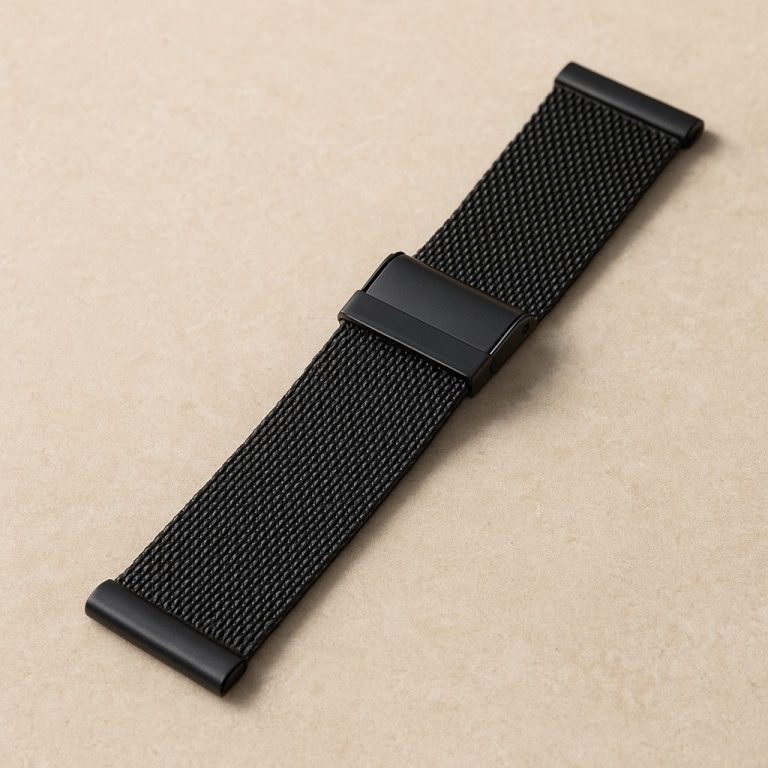
| Metal (mostly stainless steel) | Allergic reactions, excessive weight, scratching surfaces | Chosen if wearer is not sensitive to metal and prefers low maintenance |
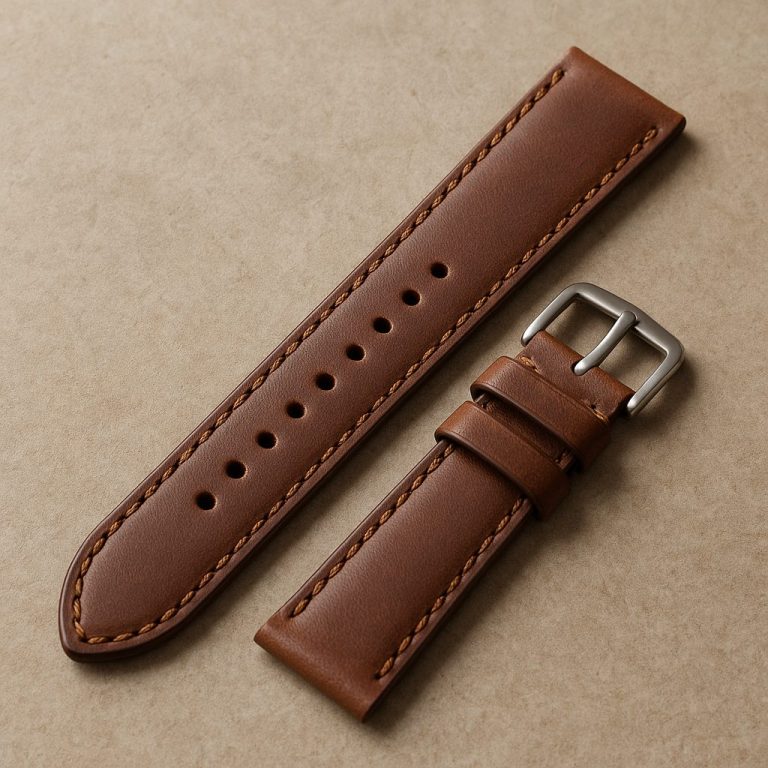
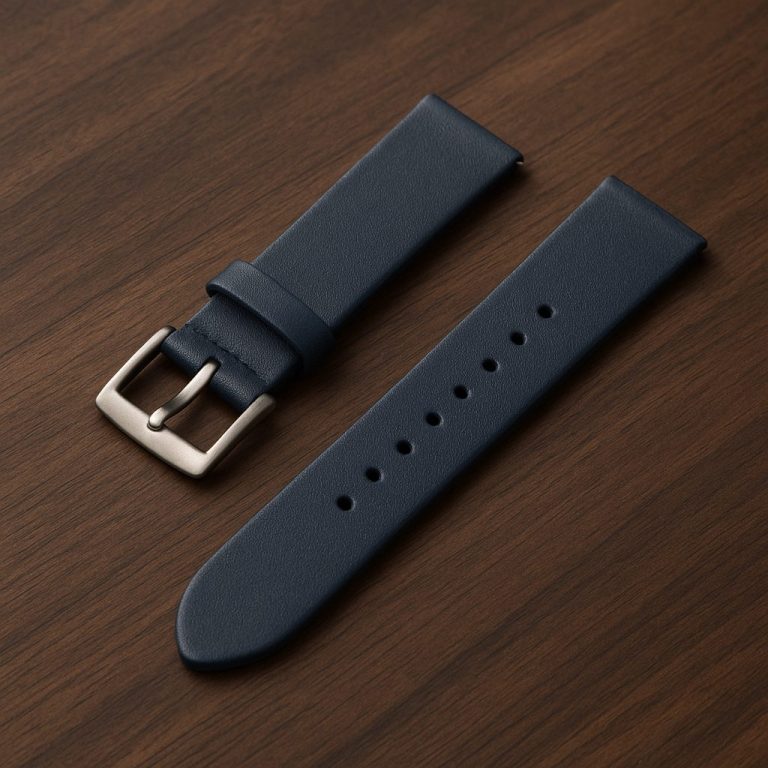
| Leather | Absorbs sweat, stains, dries out or cracks, not water-resistant | Selected for style unless daily conditions involve water or sweat |
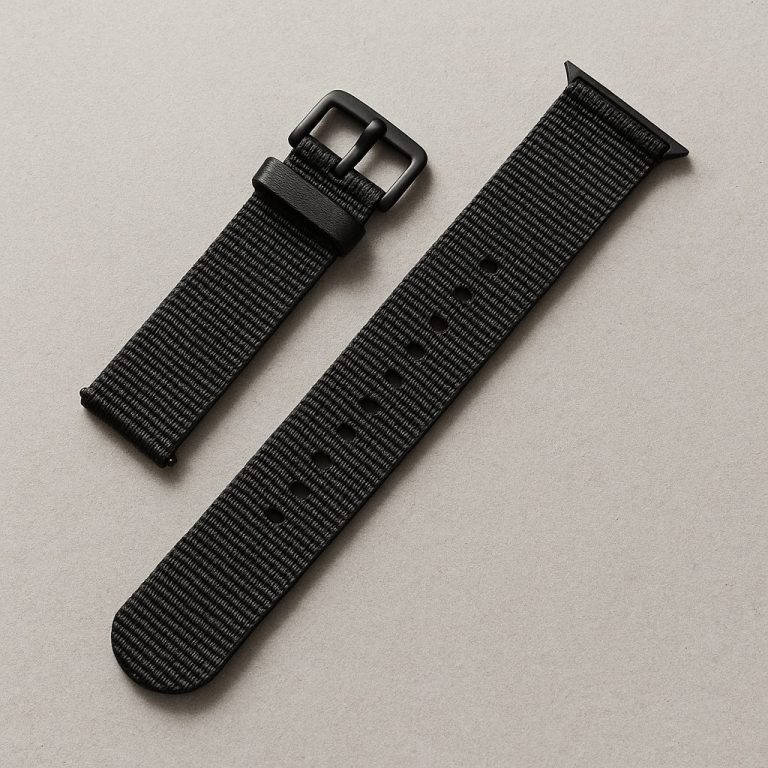
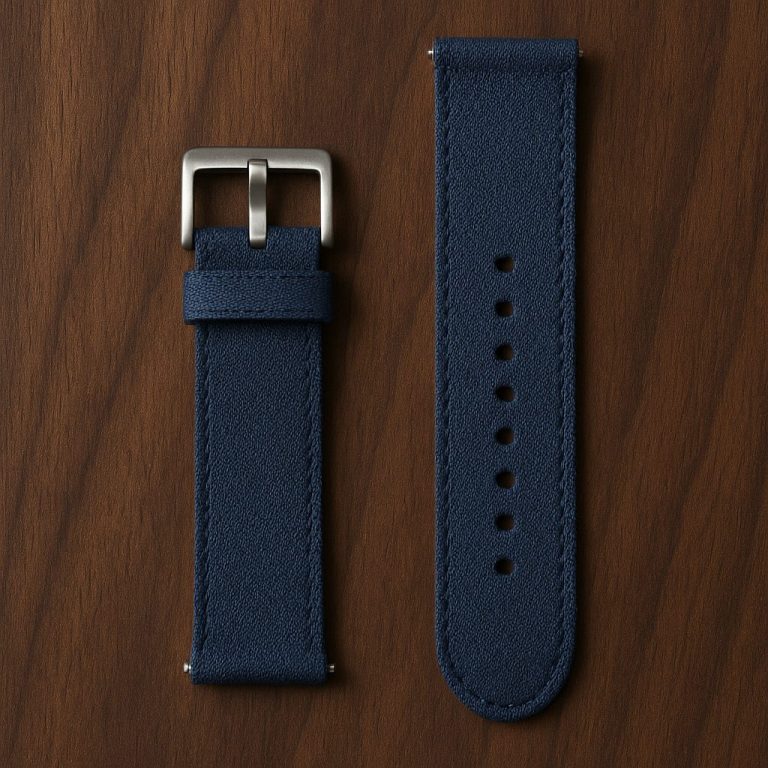
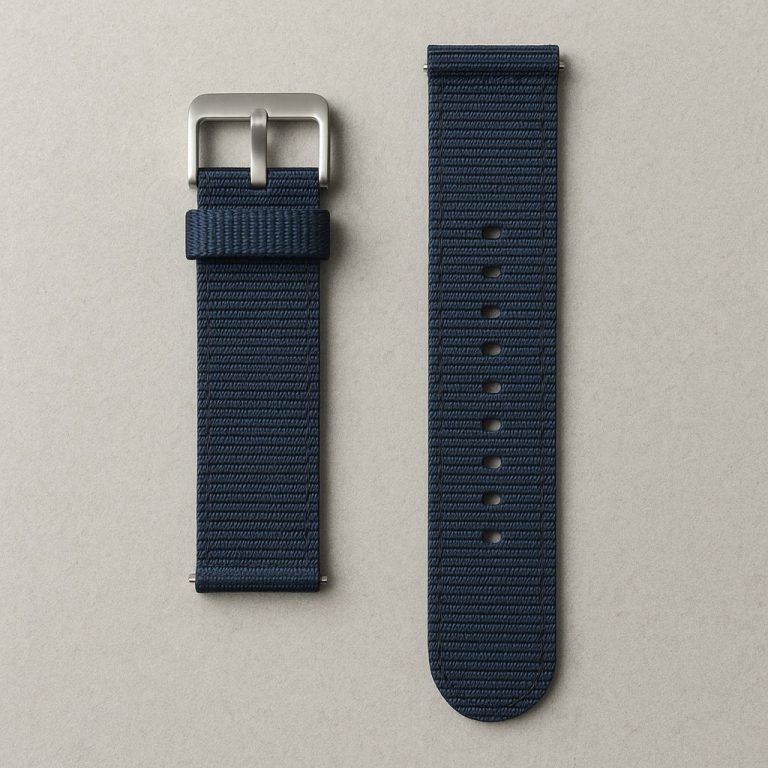
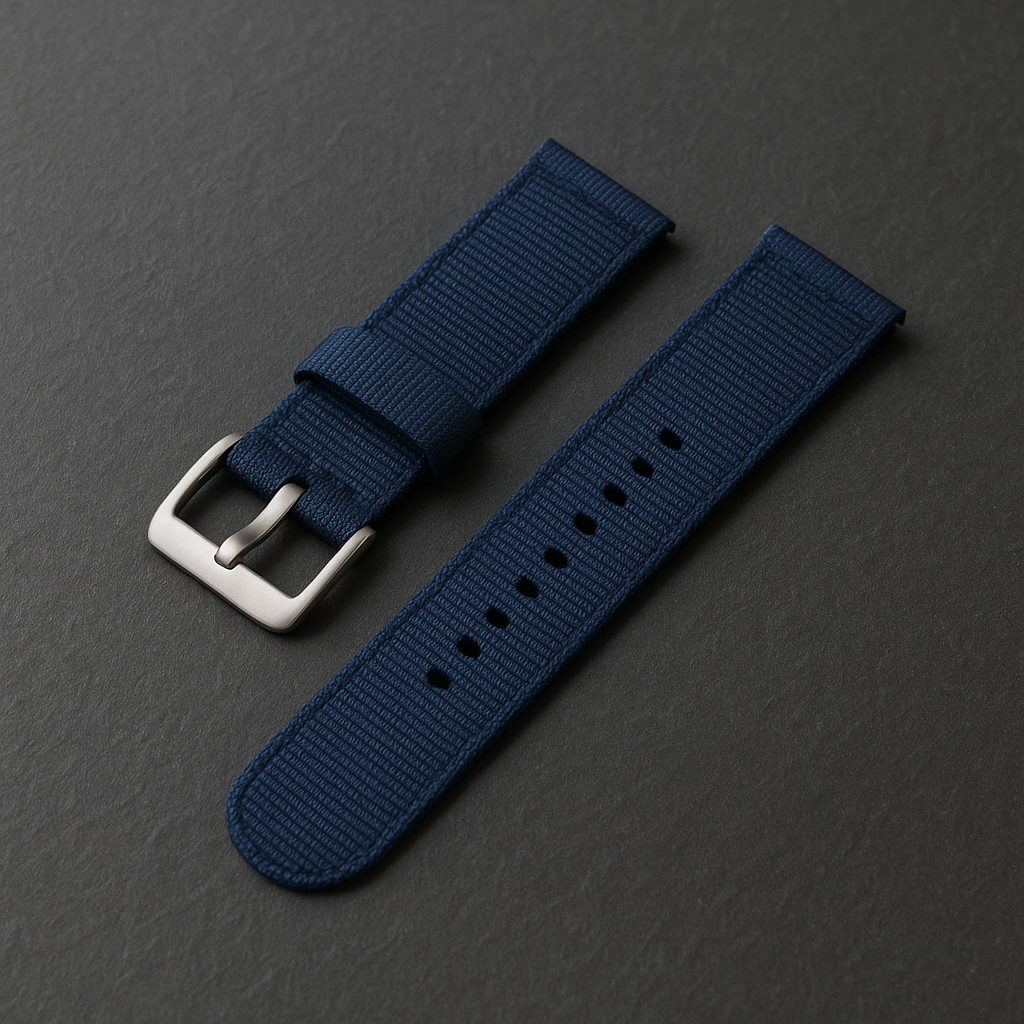
| Fabric (usually nylon blends) | Fraying, absorbing odors, fading, rough weaves causing irritation | Picked when gentle on skin and weave feels comfortable for daily use |
| Silicone | Trapping moisture, collecting lint, less formal appearance | Used for sports or active wear, but avoided in formal settings |
Fabric Bands: Variation and Avoidance Decisions
Most fabric watch bands are made from nylon or nylon blends, with significant differences in weave density, thickness, and texture. Some weaves are tight and smooth, offering a more formal look, while others are loose and stretchy for comfort. Choosing a dense weave can help avoid fraying and abrasion, while those with sensitive skin might avoid rough or stiff textures that can cause irritation during extended wear.
Practical Example: A Decision Based on Regret Prevention
Consider someone who wants to use their watch for both running and work. Instead of searching for the “perfect” band, they focus on avoiding two main regrets: a band that becomes sticky and uncomfortable during exercise, and a material that looks too casual for their office. They may rule out untreated leather (due to sweat absorption) and brightly colored silicone (due to formality), settling on a smooth, dark nylon band with a tight weave. This choice is driven by eliminating options that would cause issues, not by chasing a single ideal.
When Attachment Mechanisms Become a Deciding Factor
For some, how the band attaches to the watch case is another area where avoiding mistakes is more important than finding an optimal feature. Spring bars, for example, can be prone to accidental release if not properly seated. Quick-release pins may make changing bands easier, but if they are loose or poorly designed, there’s a risk of the watch falling. The decision often comes down to choosing the mechanism that is least likely to fail in daily use, rather than seeking out the most innovative design.
Reducing Regret Leads to Satisfying Choices
In the end, choosing a watch band is often about sidestepping problems that would interfere with daily comfort, appearance, or peace of mind. By focusing on what to avoid—whether that’s discomfort, maintenance hassles, or stylistic mismatches—watch owners can make practical choices that fit their routines. This approach tends to produce more satisfying long-term outcomes than an endless search for an elusive perfect band.