Why does a watch feel awkward while carrying bags or groceries
How Carrying Bags or Groceries Affects Watch Comfort
Walking out of a store with bags in each hand, a watch on your wrist can suddenly feel bulky or uncomfortable. The watch might dig into the skin, shift awkwardly, or even feel like it’s in the way, especially when gripping heavy grocery bags. This awkwardness is more than just mild annoyance—it’s a result of how the wrist, hand, and watch interact when under load.
Wrist Position and Pressure Points During Carrying
When carrying bags or groceries, the wrist is often flexed, rotated, or compressed in ways that differ from relaxed or everyday movements. The handles of bags tend to press into the same area where a watch sits. This pressure can push the watch into the bone on the outside of the wrist (the ulna), or against tendons and soft tissue.
There are a few reasons this feels awkward:
- Compression: Bag handles squeeze the watch against your skin and underlying bone.
- Shifting: The weight of grocery bags can cause the watch to slide up or down the wrist, increasing friction and pinch points.
- Restricted Movement: The presence of the watch limits how you can rotate or flex your wrist, making it harder to adjust your grip or change hand position.
How Watch Band Materials Influence Discomfort
The type of watch band plays a significant role in how awkward a watch feels when carrying bags. Some materials respond differently to pressure, moisture, and movement.
| Band Material | Sensation When Carrying Bags |
|---|---|
| Metal (usually stainless steel) | Rigid, can pinch or press into skin; heavier bands may shift more; less forgiving under pressure. |
| Leather | Less rigid than metal, but can be stiff, especially when new; may absorb sweat and become tacky; edges can dig in. |
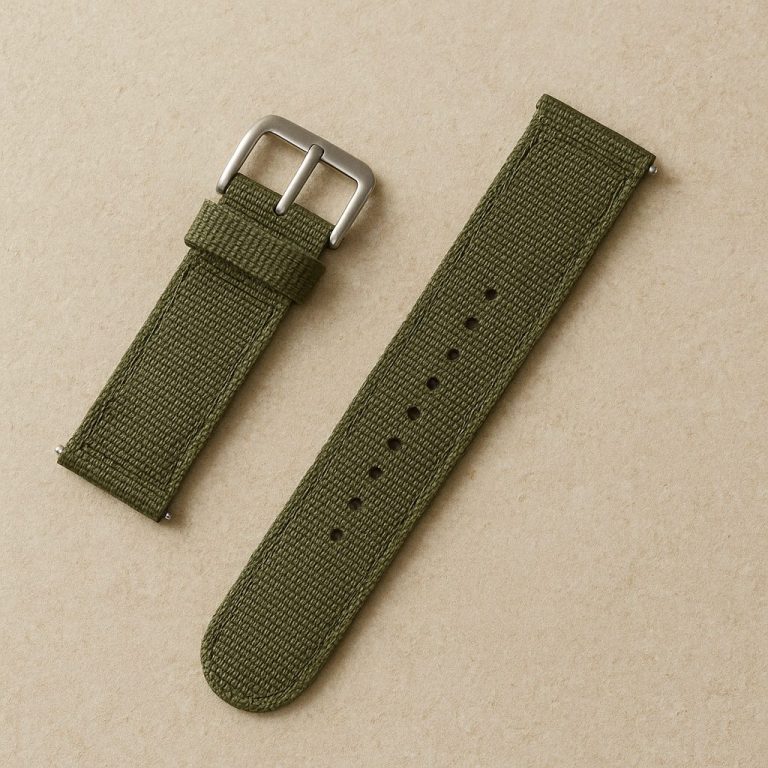
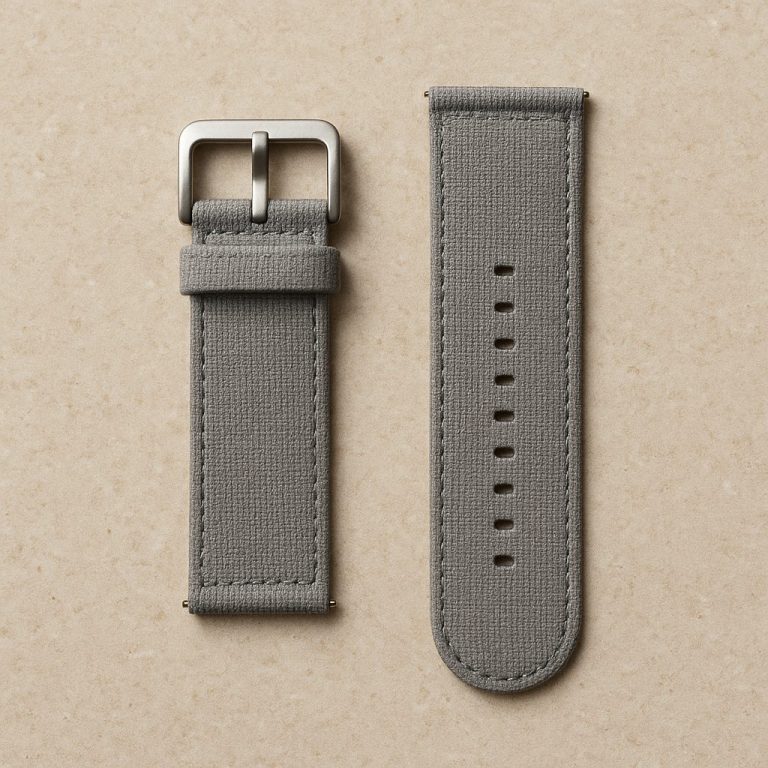
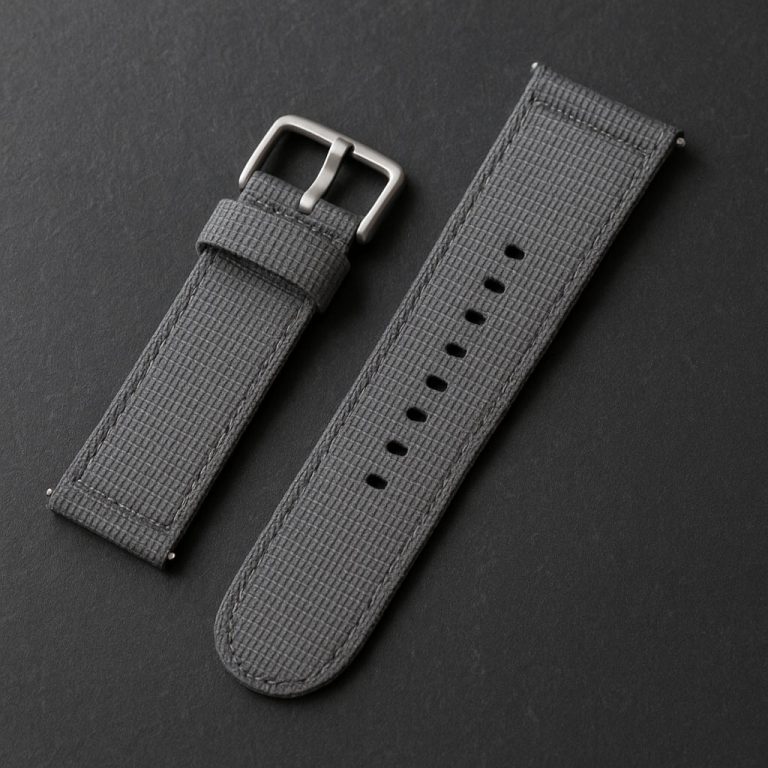
| Fabric (most commonly nylon or blends) | Softer, more flexible; weave density and thickness affect comfort; thick or rough weaves may chafe. |
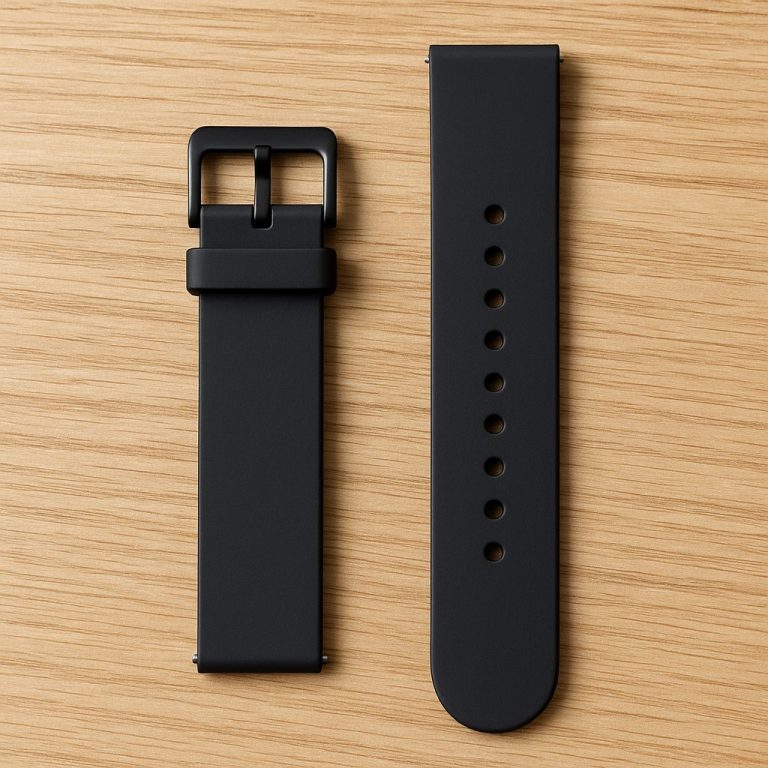
| Silicone | Flexible and cushioned; can become sticky with sweat; may pull hair or stick to skin under pressure. |
Metal Bands
Most metal watch bands are made of stainless steel, valued for its durability and corrosion resistance. These bands are generally rigid and have less give under pressure. When a bag handle presses down, metal links can pinch the skin or trap hair. The edges of the clasp or band may leave marks if the watch is squeezed tightly against the wrist bone.
Leather Bands
Leather bands, while more flexible than metal, can still feel stiff—especially when new. When compressed by bag handles, the edges of the band may bite into the wrist. Leather also tends to absorb sweat, which can make the band feel tacky or sticky if you’re carrying bags for a long time.
Fabric Bands
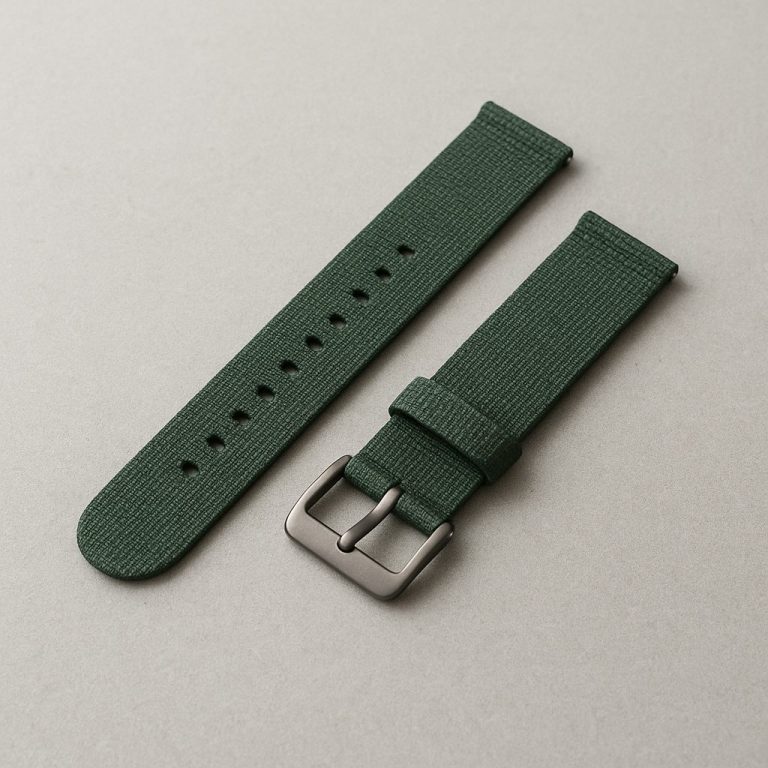
Most fabric bands are made from nylon or nylon blends. These bands vary in weave density, thickness, and flexibility. A densely woven, thick band may feel bulky and cause additional sweating under pressure, while a thinner, stretchier band can conform to the wrist better but might bunch up or twist. The texture and elasticity affect how much the band chafes or cushions the wrist during carrying.
Silicone Bands
Silicone bands tend to cushion the wrist and adapt to pressure, but they can also become sticky against the skin, especially in warm weather or if your wrist sweats while carrying groceries. This stickiness can make the band feel like it’s tugging at the skin or hair, adding to the awkward sensation.
Watch Case Shape and Size
The shape and size of the watch case influence how much it presses into your wrist when carrying items. Larger, thicker cases create a bigger contact area, increasing the chance of pressure points. Cases with prominent crowns, buttons, or raised edges can dig into the skin. Slimmer, rounded cases distribute pressure more evenly and may be less noticeable under a bag handle.
Fit and Position on the Wrist
The way a watch fits affects comfort during heavy lifting. A loose band allows the watch to slide, which may cause the case to move into a less comfortable position or get wedged between the wrist and the bag handle. A very tight band restricts circulation and increases pressure. Adjusting the watch to sit just above the wrist bone can help, but this is not always possible when hands are full.
Why the Sensation Is More Noticeable When Carrying Bags
Holding bags or groceries requires grip strength and wrist stability. The added tension in hand and forearm muscles changes how the watch feels. Blood flow may increase, making the wrist slightly swollen and more sensitive to pressure. Sweat and heat can also increase friction between the watch band and the skin, especially with silicone or leather bands. All these factors combine to make the sensation of the watch more pronounced and, in some cases, irritating.
Practical Tip: Adjusting for Comfort When Carrying Bags
If your watch consistently feels awkward during these activities, try shifting the band slightly up the forearm before picking up heavy items. For example, sliding the watch just above the wrist bone (toward the elbow) can reduce direct pressure from bag handles. Loosening the band slightly or using the opposite wrist may also help, depending on band style and personal preference.
Why Some Watches Feel More Obtrusive Than Others When Carrying Loads
Some watches are simply bulkier or have bands that are more sensitive to pressure and friction. Metal bracelets, while durable, are less forgiving under compression, and large cases are more likely to get caught between the wrist and a bag handle. On the other hand, a thin nylon strap with a low-profile case is less noticeable but can still chafe if it bunches or if the weave is rough. The combination of band material, case shape, and how tightly the watch is worn all contribute to the awkward feeling when carrying groceries or bags.
Real-World Strategies for Reducing Awkwardness
People who regularly carry bags or groceries often develop routines to minimize discomfort. Some remove their watch before shopping, while others adjust the watch’s position temporarily. Choosing a watch band material that suits your typical activities can also make a difference. For example, if you carry bags often, a softer, more flexible band (such as a thinner nylon or silicone band) may be less obtrusive, provided it doesn’t become sticky with sweat. Those with metal bands may find it helpful to ensure the fit is snug enough to prevent sliding but not so tight that it increases pressure.
Everyday Movements and Watch Awareness
The interaction between watch, wrist, and load is something many people become aware of only when performing specific activities like carrying groceries. This awareness is a reminder that watches are not static accessories; how they feel depends on what the wearer is doing. Paying attention to fit, band material, and watch size can help reduce awkwardness and make everyday tasks more comfortable.