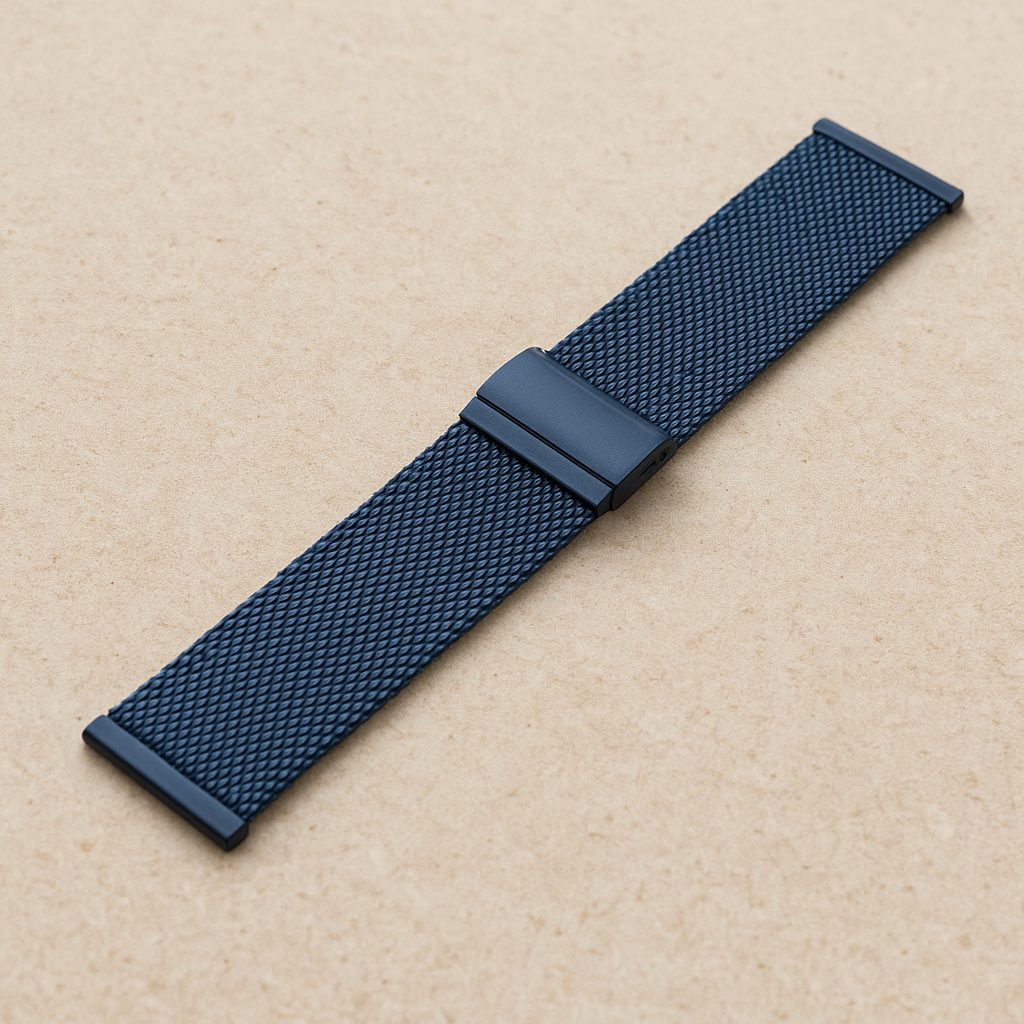
Why some watch bands change the watch more than they change the wearing experience
When the Watch Looks Different, but Feels the Same
Switching from a fabric strap to a metal bracelet can make a watch appear dramatically different on your wrist, even if the sensation of wearing it barely changes. This is a familiar experience for anyone who enjoys changing watch bands: the reflection in the mirror feels new, yet the comfort, weight, and day-to-day feel often remain surprisingly stable. Why do some watch bands seem to transform the watch itself more than they transform the actual wearing experience?
Visual Impact: The Power of First Impressions
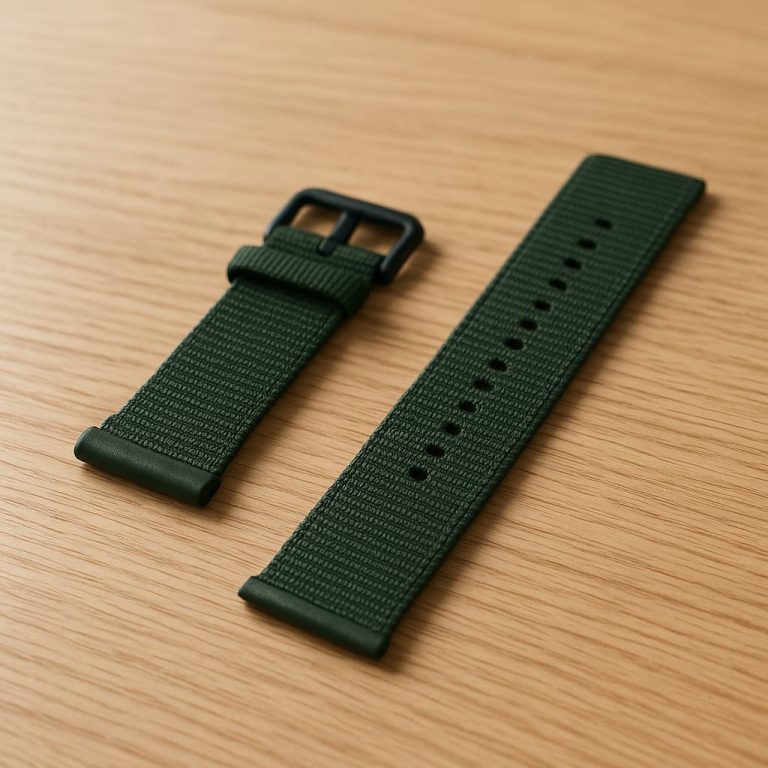
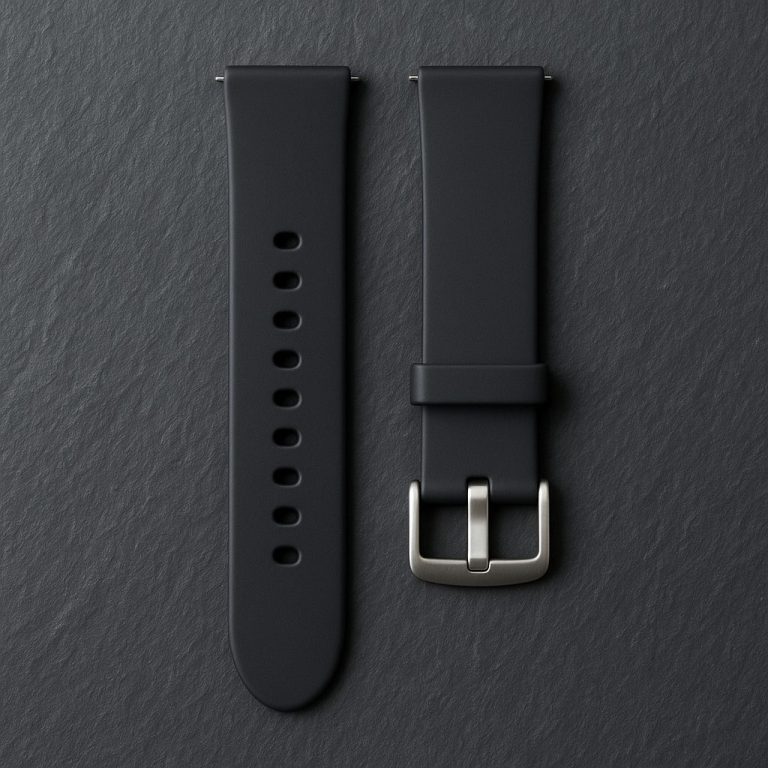
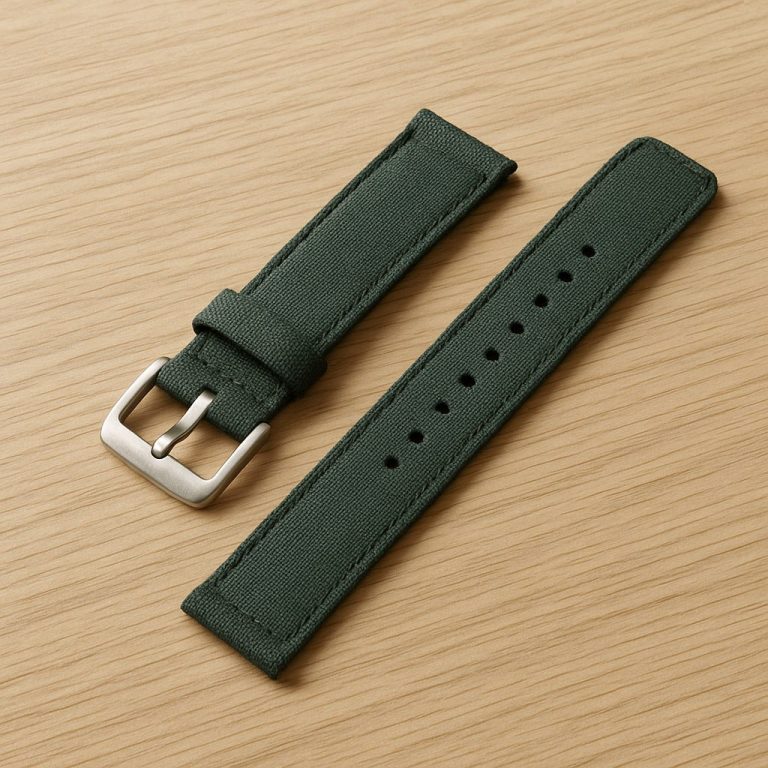
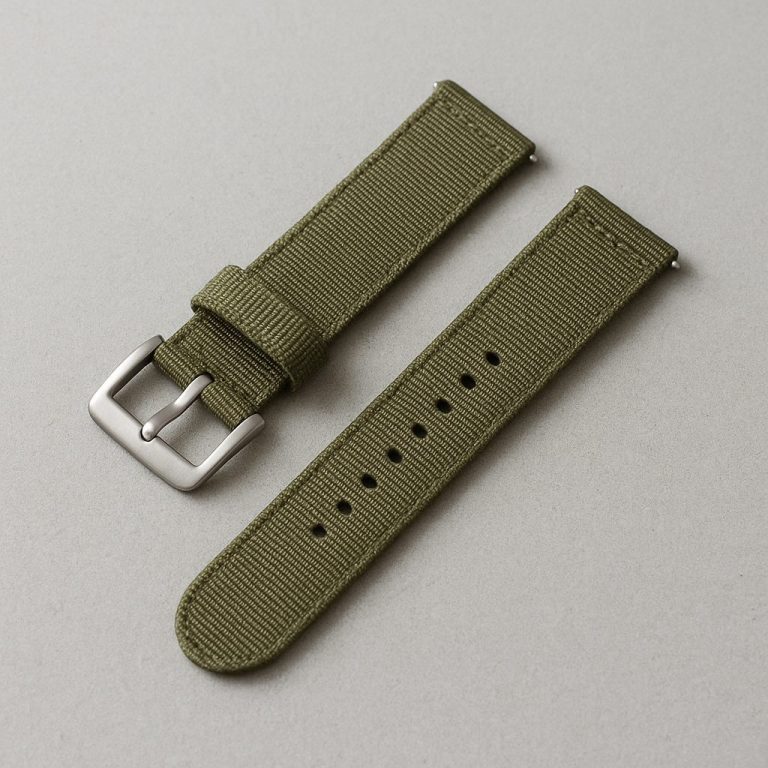
The most immediate effect of changing a watch band is usually visual. A metal bracelet lends a bold, formal look, while a leather strap can create a more understated, classic style. Fabric bands—most commonly made from nylon or nylon blends—offer a casual appearance, with variations in weave and thickness subtly influencing the watch’s overall presence. Even silicone bands, often chosen for their sporty or colorful appearance, can make the same watch look suitable for entirely different settings.
These visual shifts can make the watch seem almost like a new object, even when nothing else about the case, dial, or movement has changed. This influence is so strong that two identical watches with different bands can appear to belong to different categories—dress, sport, or casual—without any other modifications.
Why the Wearing Experience Remains Similar
Despite these dramatic stylistic changes, the physical experience of wearing the watch sometimes stays much the same. Several factors help explain this phenomenon:
- Watch case design: The size, shape, and weight of the watch case itself usually have more impact on wrist comfort and balance than the band, unless the band is exceptionally heavy or bulky.
- Fit and adjustability: Most bands—whether metal, leather, fabric, or silicone—are designed to hold the watch securely and comfortably. If the fit is correct, the difference in feel between types can be surprisingly subtle.
- Attachment points: The way a band attaches to the lugs of the watch case often limits how much it can change the position or orientation of the watch on your wrist. Unless the attachment design is radically different, the watch will sit in the same spot.
- Band flexibility and thickness: While there are clear differences—such as the flexibility of a woven nylon band compared to a metal bracelet—these do not always translate into meaningful differences in daily wear, especially for moderate wrist movements.
Table: How Bands Change Look vs. Feel
| Band Material | Visual Change | Wearing Experience Change |
|---|---|---|
| Metal Bracelet (usually stainless steel) | Strong (dressier, more formal) | Moderate (weight increase, but similar fit) |
| Leather Strap | Substantial (classic, vintage, elegant) | Minimal to moderate (flexible, contours to wrist) |
| Fabric Band (nylon/nylon blend) | Significant (casual, colorful options) | Minimal (lightweight, flexible) |
| Silicone Band | Noticeable (sporty, contemporary) | Minimal (soft, slightly stretchy) |
When the Band’s Look Dominates
Certain bands have a much greater influence on the visual identity of a watch than on comfort or function. For example, swapping a black leather strap for a metal bracelet on a round, mid-sized case can make the same model look ready for a formal event or for daily office wear. However, the underlying ergonomics—how the watch wraps around the wrist, where it sits, and how it moves—may change barely at all if both bands are well-fitted and not dramatically different in construction.
This is especially true for bands that are similar in width and thickness. A classic leather strap and a sturdy fabric band, for example, may differ in color and texture, but both will hug the wrist closely and distribute weight similarly. Even a switch to a silicone band often results in subtle changes to flexibility or moisture resistance, but not always to the basic sensation of wearing the watch.
Band Materials: Why Some Feel Alike Despite Looking Different
The material of a watch band does influence comfort, but the degree of difference depends on factors like temperature, flexibility, and texture. Stainless steel is the most common metal used in bracelets, valued for its durability and resistance to corrosion. Metal bracelets generally add weight, but if the overall watch remains balanced and the bracelet is well-sized, the increase is less noticeable than the visual change might suggest.
Leather straps, which can vary in thickness and finish, tend to soften over time and mold to the wrist. Unless the leather is particularly stiff or heavily padded, though, the change in feel compared to a high-quality fabric band is often minimal—especially if both are lined and finished to avoid rough edges.
Fabric bands made from nylon or nylon blends are valued for their lightness and flexibility. Variations in weave density, thickness, or elasticity can make some fabric bands feel slightly more substantial or snug, but the overall wearing experience remains similar to other soft, flexible bands.
Silicone bands are chosen for their softness and water resistance. Although they can feel different from leather or fabric at first touch, their low weight and slight stretch mean the sensation during daily wear does not always stand out unless the environment is very hot or cold.
Style Transformation Without Functional Change
Changing a watch band for aesthetic reasons can be instantly satisfying, offering a sense of novelty or alignment with a particular outfit, season, or activity. The watch might suddenly appear more refined, more sporty, or more casual. Yet the basic experience—how the watch feels on the wrist, whether it interferes with movement, or how it interacts with sleeves—frequently stays the same.
This is especially noticeable with bands that share similar shapes and profiles, even across different materials. For example, a silicone band with a classic two-piece design may feel much like a leather or fabric strap of the same width, even though its appearance is entirely different.
One practical approach for those seeking variety is to keep several different styles and colors of bands with similar construction. This way, the watch’s appearance can be altered as often as desired without expecting major changes in comfort or fit. If a change in wearing experience is needed—such as for sports, water, or long-term wear—choosing a band with a distinctly different construction or material will have a bigger effect.
Recognizing When a Band Swap Is Mostly About Appearance
Ultimately, the biggest change that comes from swapping certain watch bands is in how the watch looks, not how it feels. While subtle differences in flexibility, weight, or texture are present, they are often overshadowed by the dramatic shift in style. Understanding this distinction helps set realistic expectations and can make it easier to choose bands that fit both practical needs and personal taste.