How small fit adjustments impact long-term wear patterns on a watch band
How Subtle Fit Changes Affect Everyday Wear on Watch Bands
A watch band that feels snug when you first put it on may, after several months, show signs of uneven wear—such as stretched holes, faded coloring, or thinning along the edges. These subtle changes often trace back to small adjustments made during daily wear. Even one notch tighter or looser on a buckle can influence how the band ages, sometimes in ways that only become visible over time.
Why Fit Adjustments Matter
The way a watch band fits on your wrist determines not only comfort but also how forces are distributed across the material. Small adjustments—like moving a clasp or changing the position of a pin—alter the points of tension and flex. Over weeks and months, these minor changes can produce distinct wear patterns, affecting the band’s appearance and lifespan.
Fit and Material Interaction
Different watch band materials respond uniquely to repeated fit adjustments. The following table summarizes how common materials react to ongoing minor changes in fit:
| Material | Common Wear Patterns from Small Fit Adjustments |
|---|---|
| Metal (e.g., stainless steel) | Increased stretching or looseness at link connections; visible scratches near clasp adjustment points |
| Leather | Enlarged or misshapen holes, creasing at frequent buckle positions, surface darkening |
| Fabric (nylon or blends) | Fraying at adjustment holes, compression of weave at stress points, distortion of texture near hardware |
| Silicone | Permanent stretching at adjustment holes, surface tearing if overstretched or repeatedly flexed |
Real-World Effects of Minor Fit Adjustments
Daily life rarely allows a watch to remain in a perfectly fixed position. Wrist size fluctuates with temperature, activity, and even hydration. Small fit changes—tightening before exercise, loosening at a desk, or adjusting for a jacket cuff—are common. Each movement shifts where the band flexes and where stress accumulates, gradually shaping the way the band wears.
Metal Bands: Links and Micro-Adjustments
Most metal watch bands use interconnected links, often made from stainless steel for strength and resistance to corrosion. Minor fit changes, like moving a micro-adjustment pin or adding/removing a link, redistribute tension along the bracelet. Over time, areas near the clasp or frequently adjusted links may show increased play or looseness. Scratches also tend to concentrate where the clasp is opened and closed repeatedly.
For example, adjusting the clasp just one position tighter can shift the pressure point, causing the adjacent links to flex more. After months of this repeated flexing, those links may become slightly looser, while other sections remain stiff. In some cases, this unevenness can make the bracelet feel asymmetrical or cause rattling sounds.
Leather Bands: Hole Stretching and Crease Development
Leather is particularly sensitive to where and how often it is bent. When a fit adjustment moves the buckle tongue to a new hole, the previous hole may slowly stretch or deform from past use, while the new hole begins to show similar stress. Over time, a visible groove forms at the most-used position, and the leather may darken or soften in that area.
If a leather band is alternated between two holes—perhaps due to wrist swelling—both holes and the section between them develop wear more quickly than the rest of the strap. Repeated bending at the same spot causes deeper creasing, which can eventually lead to cracking as the leather fibers break down. Moisture and oils from the skin accelerate this process, especially if the fit is frequently changed.
Fabric Bands: Weave Compression and Fraying
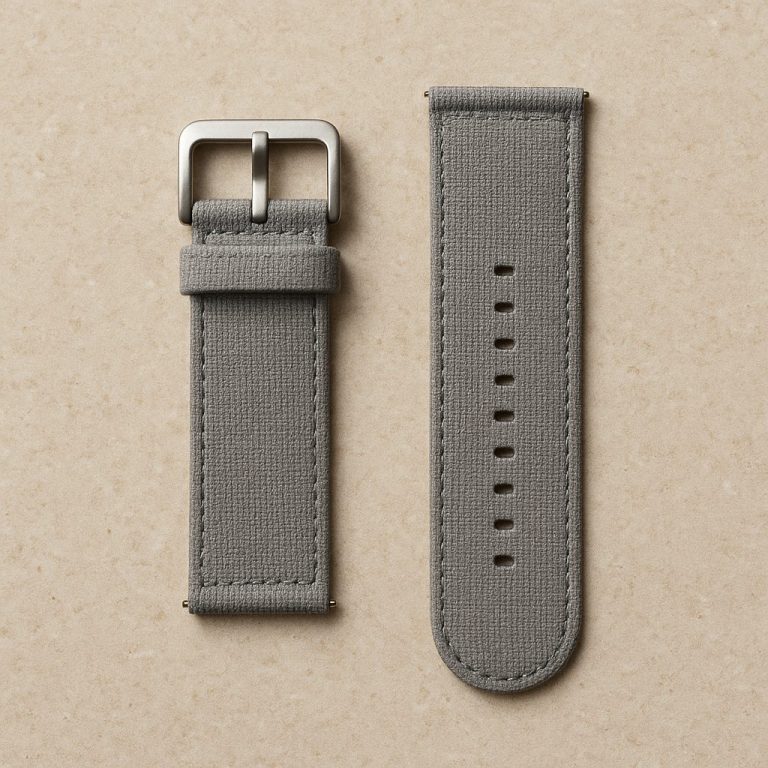
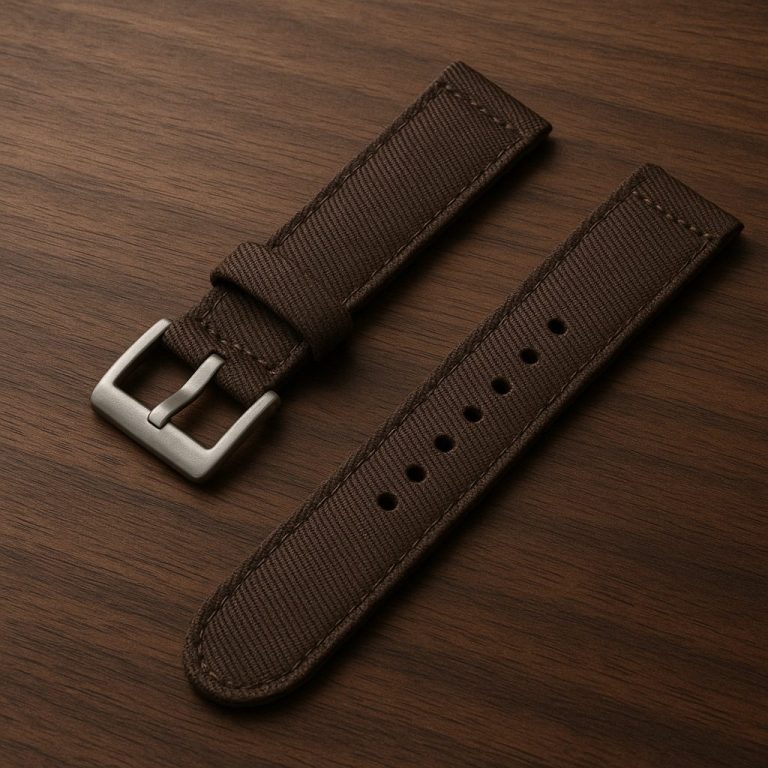
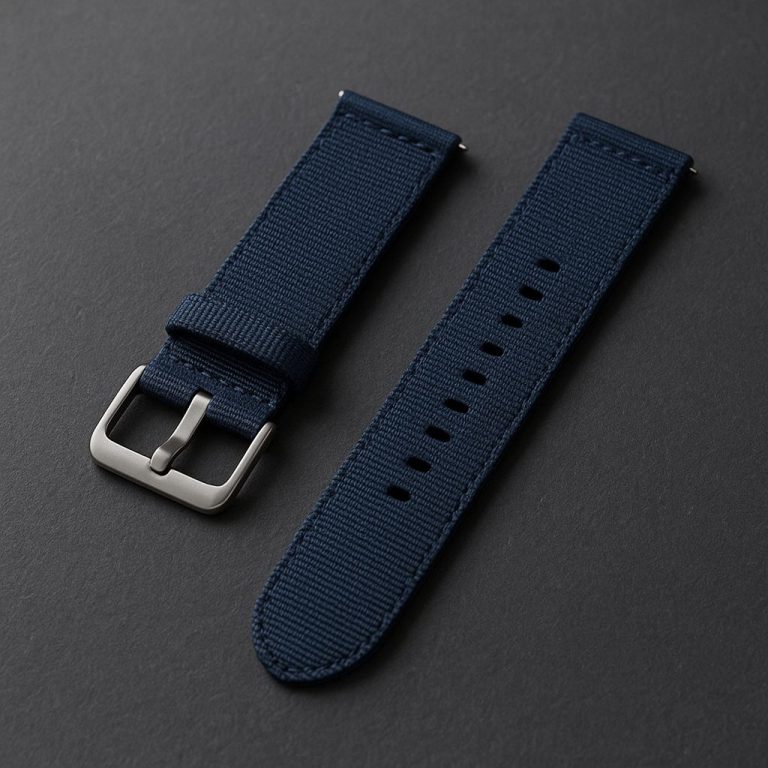
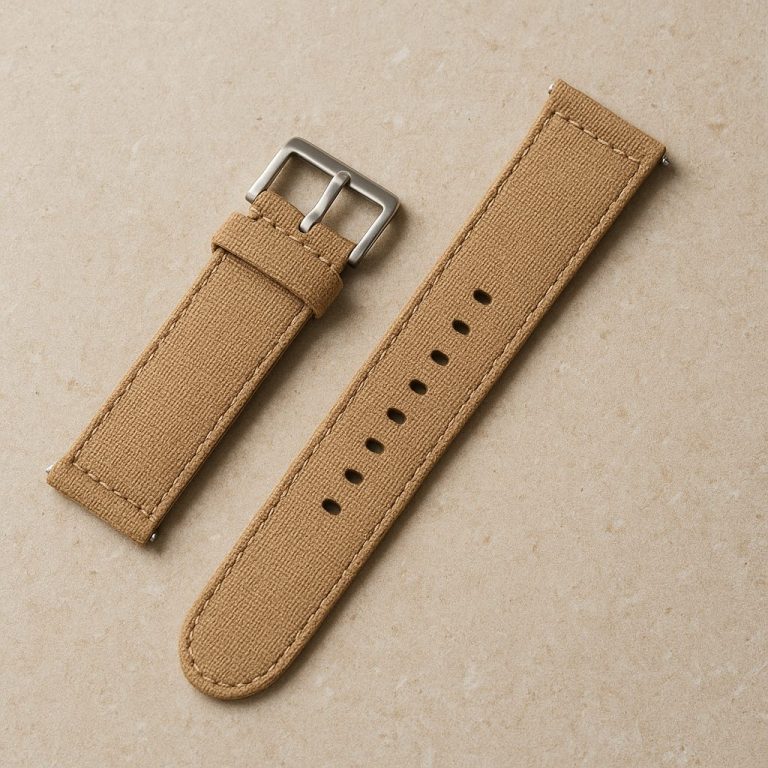
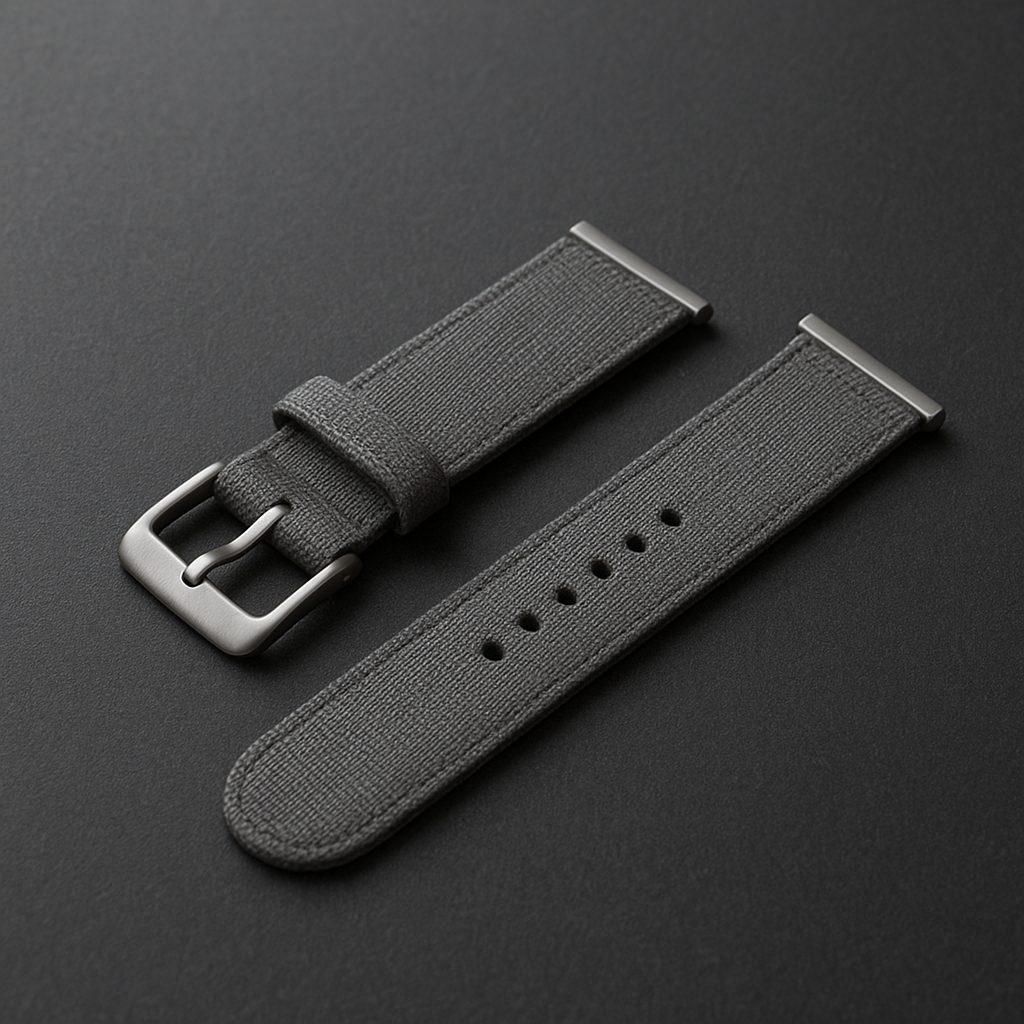
Most fabric watch bands are made from nylon or nylon blends, though the density, thickness, and elasticity of the weave can vary. When a fabric band is repeatedly tightened or loosened, the threads around the adjustment holes compress and stretch differently, depending on the tightness of the weave. Over time, this can cause fraying or distortion near the holes—especially if the same ones are used regularly.
With a dense nylon weave, compression marks may appear as shiny spots where the hardware presses against the fabric. Looser or more elastic weaves can develop stretched or misshapen holes, and the edges may begin to unravel if the adjustment is too frequent or aggressive. The texture of the band might also change, becoming smoother or rougher in areas under constant stress.
Silicone Bands: Permanent Stretch and Surface Tearing
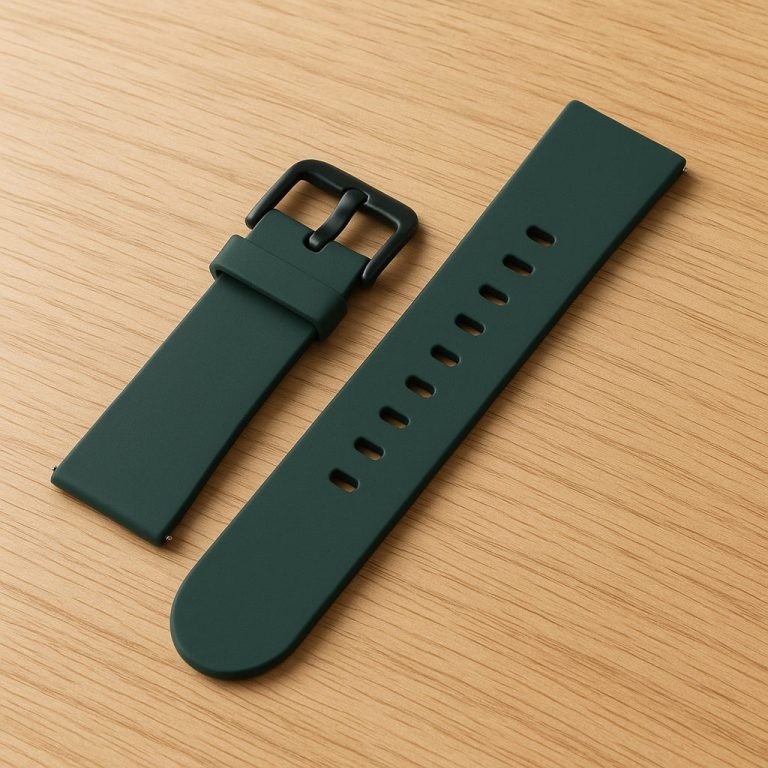
Silicone bands are valued for their flexibility and water resistance. However, repeated stretching at the adjustment holes—such as switching between two positions for different activities—can cause the holes to become elongated over time. If the band is regularly tightened beyond its natural flex, micro-tearing may occur around the holes or where the band folds back on itself.
While silicone is generally durable, its elasticity can work against it if the fit is changed frequently. Once stretching or small tears begin, the band may not return to its original shape, and the damage can gradually expand with continued use. Keeping fit adjustments gentle and avoiding excessive tension can help minimize this type of wear.
Attachment Mechanisms and Their Role in Wear Patterns
The way a watch band attaches to the case—using lugs and mechanisms such as spring bars or quick-release pins—can also be affected by fit adjustments. When a band is worn tighter than intended, additional force is placed on the points where the band meets the case. Over time, this can cause the holes in leather or fabric bands to enlarge around the spring bars, or may increase stress on the ends of metal or silicone bands.
In some cases, a band that is frequently removed and reattached will show wear at the connection points, especially if the attachment mechanism is stiff or difficult to operate. To reduce extra wear, it helps to adjust the band while it remains attached, rather than repeatedly removing it to make changes.
Practical Takeaway
Even small, routine fit adjustments can have a noticeable effect on how a watch band wears over time. Paying attention to where and how often the band is adjusted can help extend its lifespan. For example, alternating the use of adjustment holes on a leather or fabric band, or keeping micro-adjustments to a minimum on a metal bracelet, can distribute wear more evenly and preserve both function and appearance. This awareness allows for more informed decisions about daily wear and maintenance, leading to a more consistent and comfortable experience with your watch.