What causes gaps between the watch case and band and how to minimize them
Why Gaps Appear Between Watch Cases and Bands
A common frustration when wearing or adjusting a watch is noticing a visible gap between the watch case and the band. This space can make the watch look less integrated, feel uncomfortable, or even collect dust and debris. For many people, especially those who have changed bands or own several watches, understanding why these gaps appear and how to minimize them is important for comfort and style.
Key Factors Causing Gaps
Gaps between the watch case and band usually result from how the two components fit together. Several factors play a role:
Band Width vs. Lug Width
Most watches attach bands using protruding arms called lugs. The distance between the inside edges of the lugs is called the lug width, measured in millimeters. Bands are sized to fit this width, but sometimes the band may be slightly narrower or wider than the lug gap. If the band is narrower, visible gaps appear on either side. If it’s too wide, the band may not fit or may bunch up, causing a different kind of misalignment.
Attachment Mechanism Fit
The actual connection is usually made with a spring bar or a quick-release pin that fits through the ends of the band and into small holes in the lugs. If the spring bar is too short or too long, or if the holes are worn or misaligned, the band might not sit flush with the case. This can leave a noticeable gap, especially on metal bracelets where precise fit is crucial.
Band End Shape
Bands come with either straight ends or curved ends. Straight-end bands often leave a visible gap, especially if the watch case is round. Curved-end bands are designed to follow the shape of the case, reducing the visible space, but only if they are matched properly to the case’s shape and size. In some cases, manufacturers design custom end-links that perfectly fill the space, but generic bands may not match as precisely.
Material Flexibility and Thickness
Different band materials behave in distinct ways at the point of attachment:
- Metal bands (most commonly stainless steel) rely on rigid end links that need a precise fit. If the end link doesn’t match the curvature or thickness of the watch case, a gap appears. Some metal bracelets use flexible folded end links, which may sit unevenly if not sized correctly.
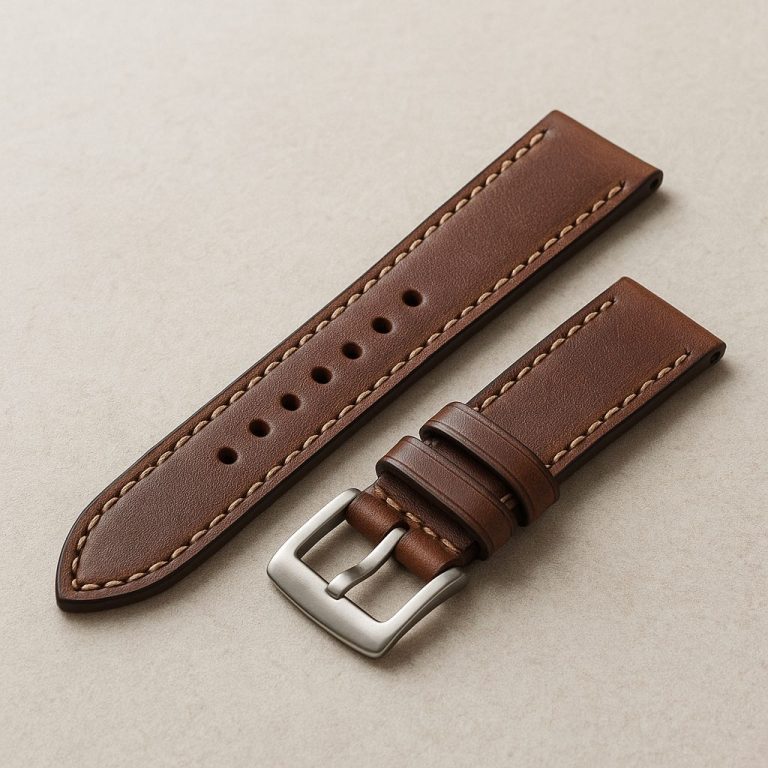
- Leather bands are somewhat flexible, but if they are too thin, they may not fill the space between the lugs. Over time, leather can also compress, increasing the gap. Very thick or padded leather bands may not fit well between narrow lugs, causing distortion.
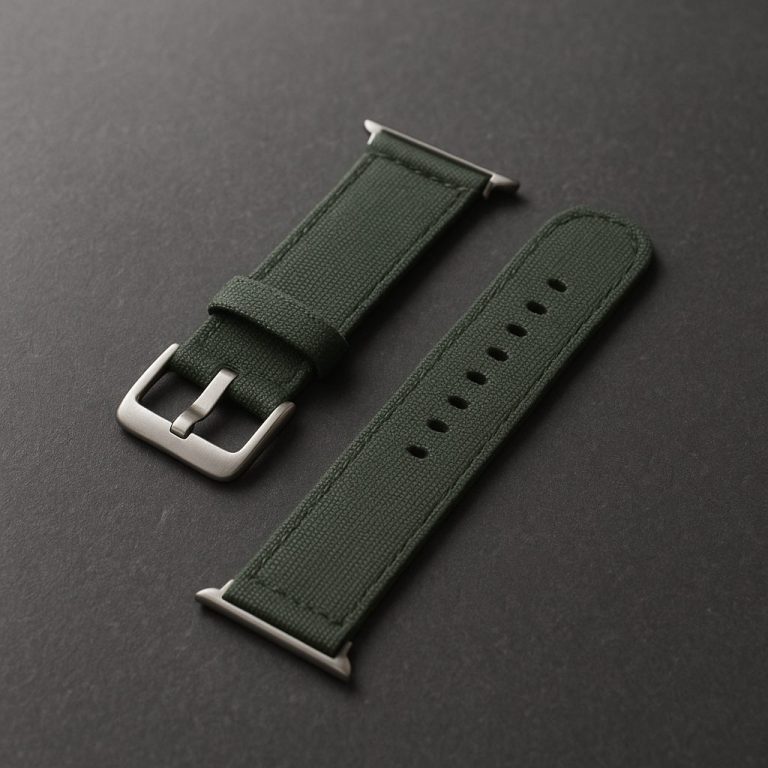
- Fabric bands—often made from nylon or nylon blends—vary widely in weave density, thickness, and elasticity. Thinner, tightly-woven bands may leave more of a gap, while thicker or more elastic ones can fill the space more snugly, depending on how they are constructed.
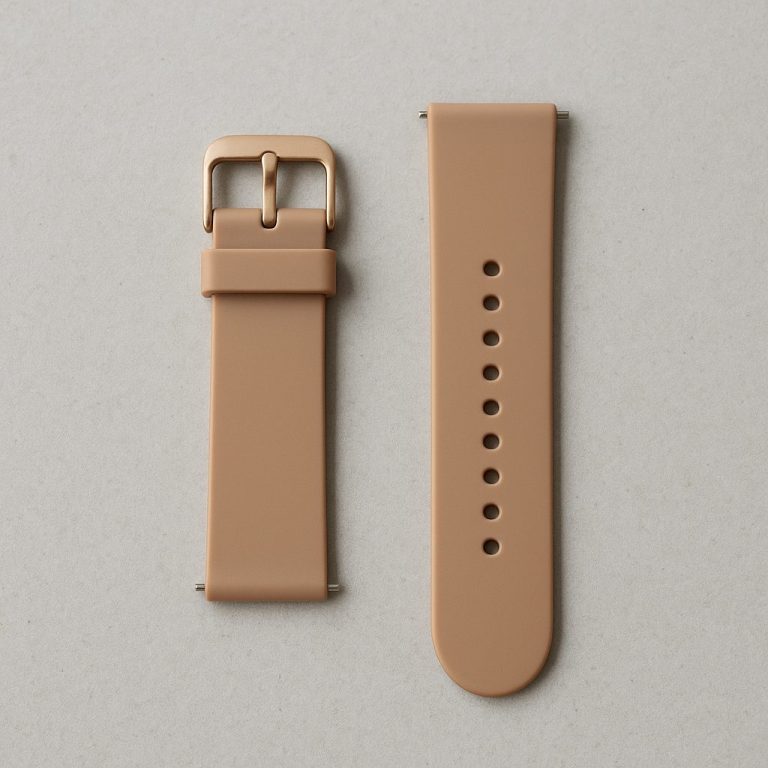
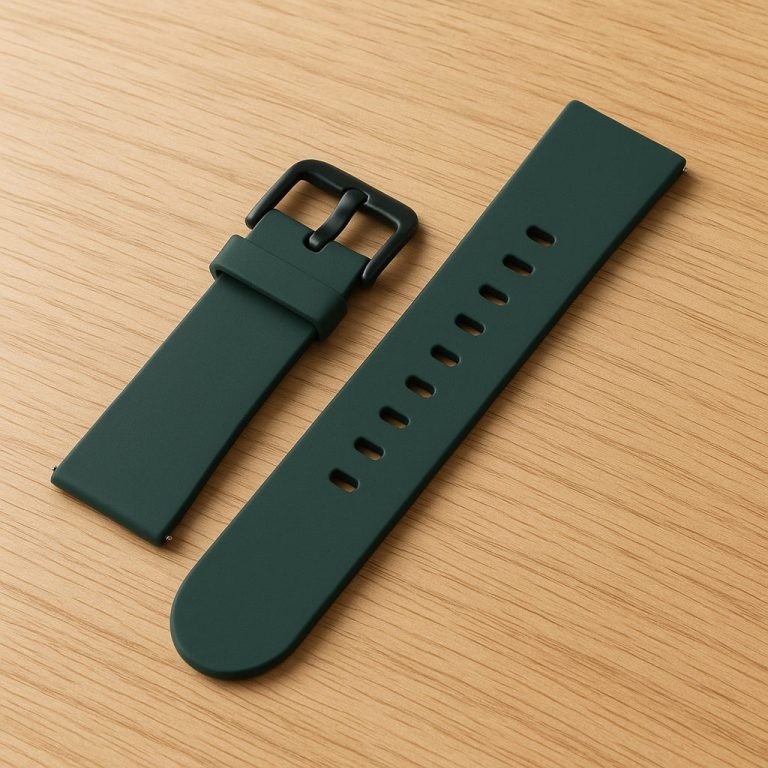
- Silicone bands are flexible and can mold to the curve of the case, but if the end is not shaped to match the lugs or case profile, a gap can still appear. The softness of silicone may help reduce the gap, but it depends on the band’s design.
Watch Case Design Variations
Some watches have straight lugs, others have curved or angled lugs, and some have integrated lugs designed for custom bands. Cases with recessed or unusual lug shapes may be difficult to match with a standard band, making gaps more likely unless a specifically designed band is used. Watches with integrated bracelets are designed so the band fits seamlessly, but replacing them with generic options often creates noticeable spaces.
Common Scenarios Where Gaps Occur
Understanding exactly where and why gaps show up can help pinpoint the solution. Here’s a brief table summarizing common causes and their effects:
| Cause | Typical Result | Material/Design Notes |
|---|---|---|
| Band narrower than lug width | Gaps on both sides of the band | Seen with all materials |
| Straight-end band on curved case | Gap at ends, visible from top | Metal and leather bands especially |
| Incorrect end link shape | Uneven fit, pronounced gap | Metal bracelets most affected |
| Band too thin or compresses over time | Loose fit, growing gap | Leather and some fabric bands |
| Attachment mechanism too short or loose | Band floats, gap increases | All band types |
| Case and band designed for different attachment types | Poor alignment, significant gap | Integrated vs. standard lugs |
How to Minimize Gaps with Different Band Materials
Matching the band and case correctly is the best way to reduce or eliminate visible gaps. Here are some practical ways to achieve a better fit:
Ensuring Proper Band Width
Always measure the lug width of your watch case accurately, usually to the nearest millimeter. Choose a band that matches this measurement exactly. For example, a 20mm lug width requires a 20mm band. Using a band that is even 1mm narrower will likely result in a visible gap. Some people use a caliper or a ruler to check this before changing bands.
Matching End Shapes to Case Design
For watches with rounded or curved cases, selecting a curved-end band can dramatically reduce gaps. Straight-end bands are more likely to leave empty space, especially with round cases. Metal bracelets often come with specific end links designed for certain case shapes; using these matched end links improves the fit. If you’re using a leather or silicone band, look for options that have a shaped or molded end rather than a straight cut.
Checking Attachment Mechanisms
Make sure the spring bars or quick-release pins are the correct length for your watch’s lugs. They should fit snugly, with little lateral movement. Worn or bent spring bars can cause the band to sit unevenly, increasing the gap. Replacing worn parts is a simple but effective way to restore a better fit.
Material-Specific Adjustments
- Metal bands: Stainless steel bracelets with solid end links provide the most seamless look. Flexible or folded end links may develop play over time, leading to gaps. Replacing worn end links or adjusting the fit can help.
- Leather bands: Thicker leather can fill the lug space more completely, but must still fit between the lugs without bunching. Over time, leather may compress, so periodic replacement or using a padded band can help maintain a snug fit.
- Fabric bands: Nylon or nylon-blend bands with a denser weave and slightly thicker profile can help fill the space. Some stretch or woven fabric bands naturally expand to close small gaps, while very thin or loosely woven options may leave more space.
- Silicone bands: Molded silicone bands often contour to the watch case, but only if the end is shaped to match. Flat-cut silicone bands may leave a gap, especially on curved cases. Selecting a band designed for the case shape improves the appearance.
Practical Steps for a Better Fit
When changing a band or selecting a new one, start by measuring the lug width and checking the shape of the watch case. If possible, use bands with end shapes designed for your specific case style. For metal bracelets, solid end links offer the tightest fit. With leather or fabric bands, choose options with enough thickness to fill the lug gap without being too stiff to install. For silicone bands, look for those with molded ends if your watch case has significant curvature.
If you notice a persistent gap after installing a new band, check the spring bars or quick-release pins for proper length and condition. Replacing these inexpensive components often solves minor fit issues. For watches with unusual or proprietary lug shapes, consider consulting a watch technician to find a compatible solution.
Final Takeaway
Visible gaps between the watch case and band are usually caused by mismatched widths, incompatible end shapes, or attachment mechanisms that don’t fit securely. By carefully measuring your watch’s lug width and choosing a band with the correct width and end shape, you can significantly reduce or eliminate these gaps. Paying attention to material-specific characteristics—whether you’re using a stainless steel bracelet, leather strap, nylon fabric band, or silicone band—will help you achieve a more integrated, comfortable, and visually appealing fit.