Why the same replacement band can transform one watch but not another
When a New Band Feels Like a Total Makeover—Or Hardly Changes a Thing
Swapping a leather band for a metal bracelet can make one watch suddenly look bold and modern, while the same switch on a different watch barely changes its appearance. Some watches take on an entirely new character with a replacement band, but others seem almost unaffected. This unpredictable result often leaves people puzzled about why the same band can transform one watch but not another.
The Relationship Between Watch and Band
The outcome of changing a watch band isn’t determined by the band alone. Instead, it depends on how the band interacts with the specific watch case—its shape, size, color, and overall design. The interplay between these elements explains why the same replacement band can have a dramatic effect on one watch and almost none on another.
Watch Case Shape and Profile
The physical shape of the watch case plays a major role. Watches with bold, angular cases can respond very differently to a new band compared to those with soft, rounded edges. For example, a metal bracelet might emphasize the sharpness of geometric case design, making the whole watch appear more technical. On a rounded, classic case, the same bracelet may feel less distinct because the shapes don’t reinforce each other.
Case Size and Band Proportion
Proportion is crucial. If a watch has a large, thick case, a thin fabric band made from tightly woven nylon might look insubstantial, drawing attention to the mismatch. On a smaller, slimmer watch, the same band could look perfectly balanced and subtly elevate the watch’s style. The relative widths and thicknesses of the band and case can either harmonize or create awkward visual tension.
Color and Finish Interactions
Color combinations also matter. A brightly colored silicone band can make a neutral-toned watch stand out, while the same band on a watch with a bold dial might clash or feel lost. Metal finishes add another layer—stainless steel bands often highlight cases with matching finishes, since stainless steel is widely used for its durability and corrosion resistance. However, if the metal tones differ, the combination can look disjointed.
Table: How Watch and Band Characteristics Influence Transformation
| Watch Feature | Band Characteristic | Typical Effect |
|---|---|---|
| Large, angular case | Wide metal bracelet | Creates a bold, integrated look |
| Small, slim case | Thick leather strap | Can overwhelm the watch, or add vintage character |
| Matte case finish | Shiny silicone band | May feel mismatched or too casual |
| Colorful dial | Neutral-toned fabric band (nylon) | Lets dial stand out, band blends in |
The Role of Attachment and Integration
How the band attaches to the watch case can further affect the overall transformation. Watches with prominent lugs—those metal extensions where the band connects—may show more of the band material at the connection point. If the band sits flush and integrated with the case, as with some metal bracelets, the watch can appear more cohesive and dramatically different than with a traditional strap. On the other hand, if the attachment is more basic and the band floats away from the case, the effect of a new band may be less pronounced.
Material Matters—But Only in Context
While materials like metal, leather, fabric, and silicone each bring distinct textures and visual cues, their impact depends on the watch’s own features.
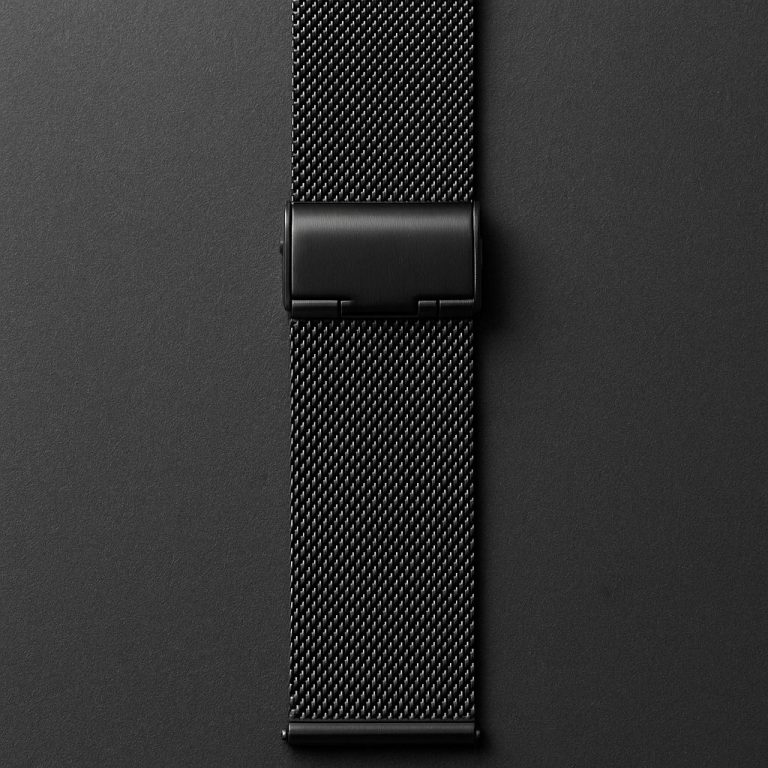
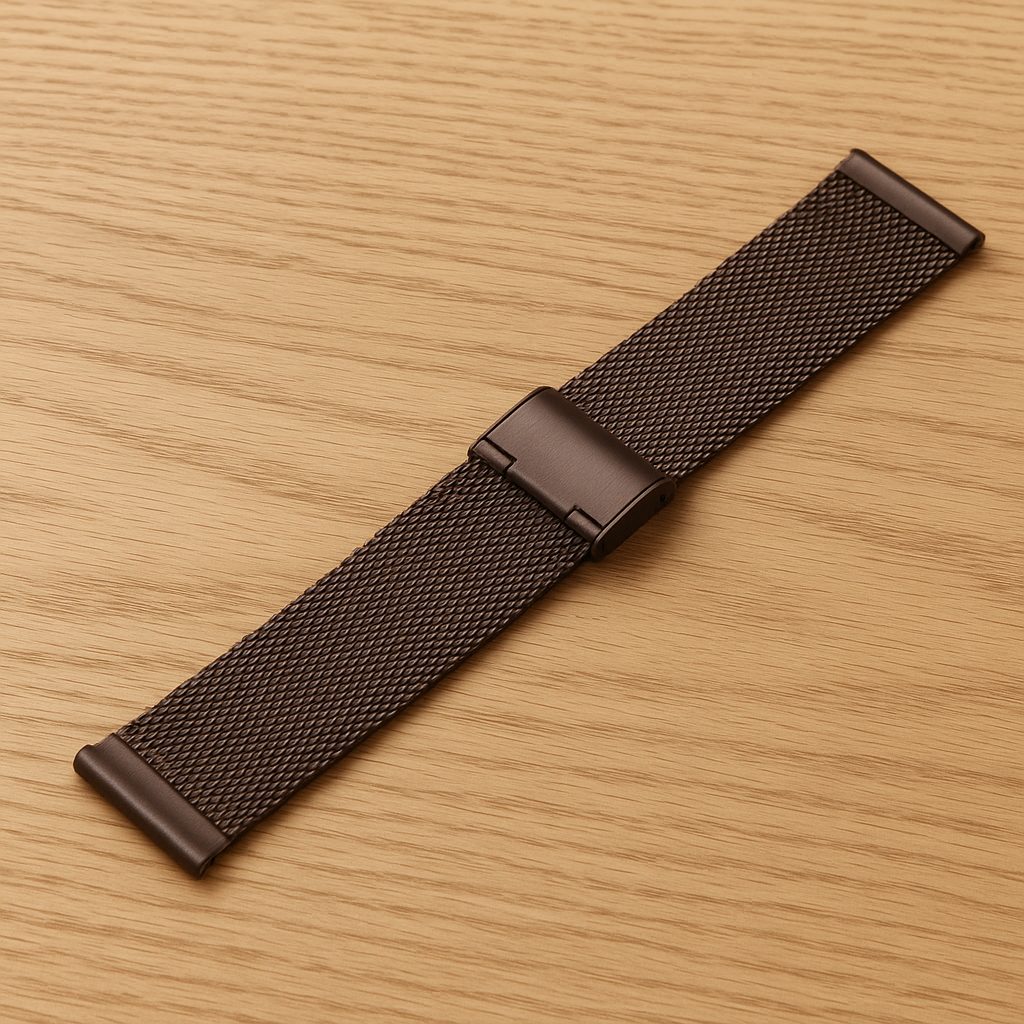
- Metal bands (often stainless steel) typically add weight and a sense of formality. Their effect is most striking when paired with a case of similar finish and structure.
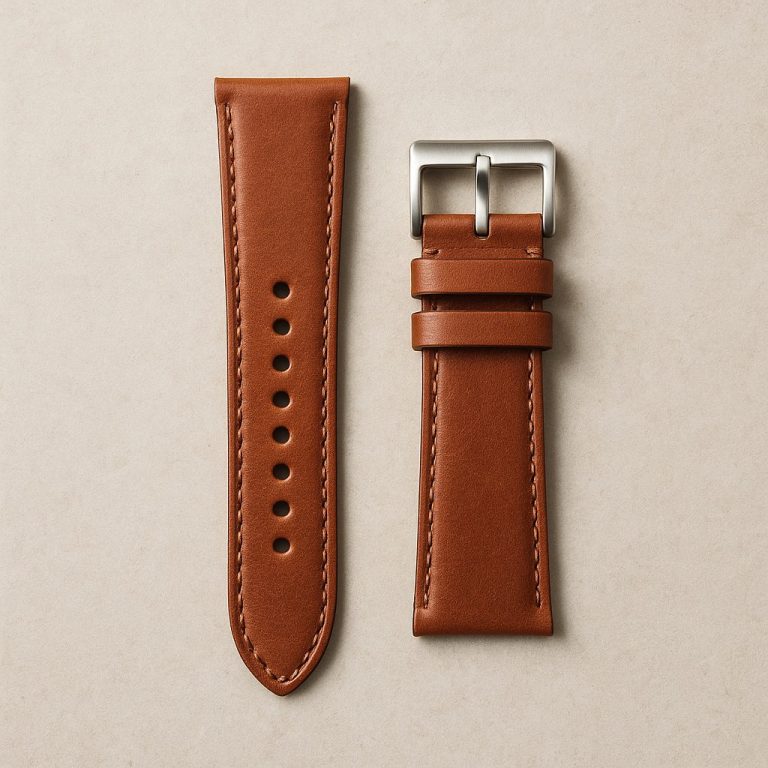
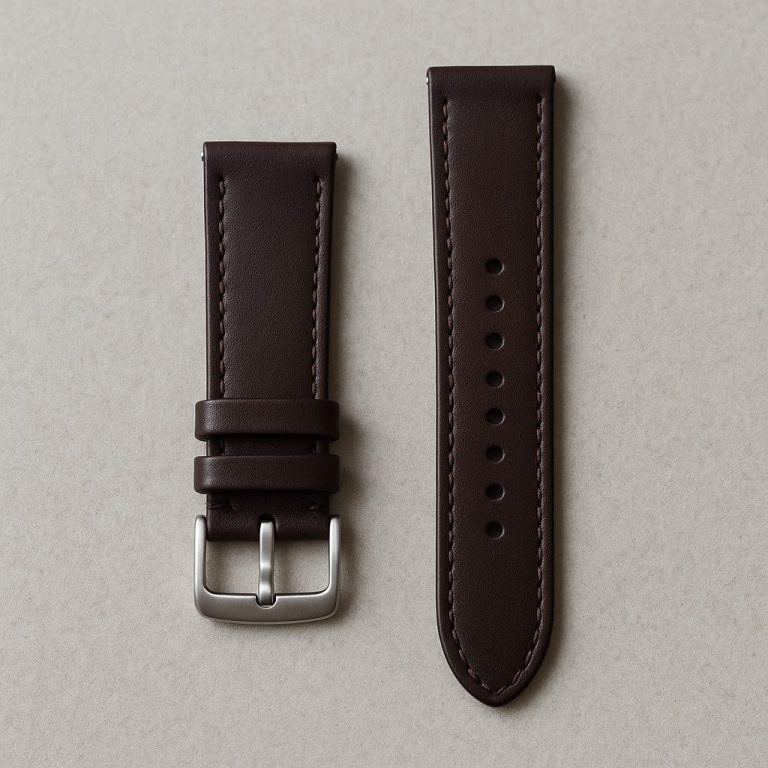
- Leather straps can soften a watch’s appearance or add vintage appeal, but on a very modern or technical-looking case, they may seem out of place.
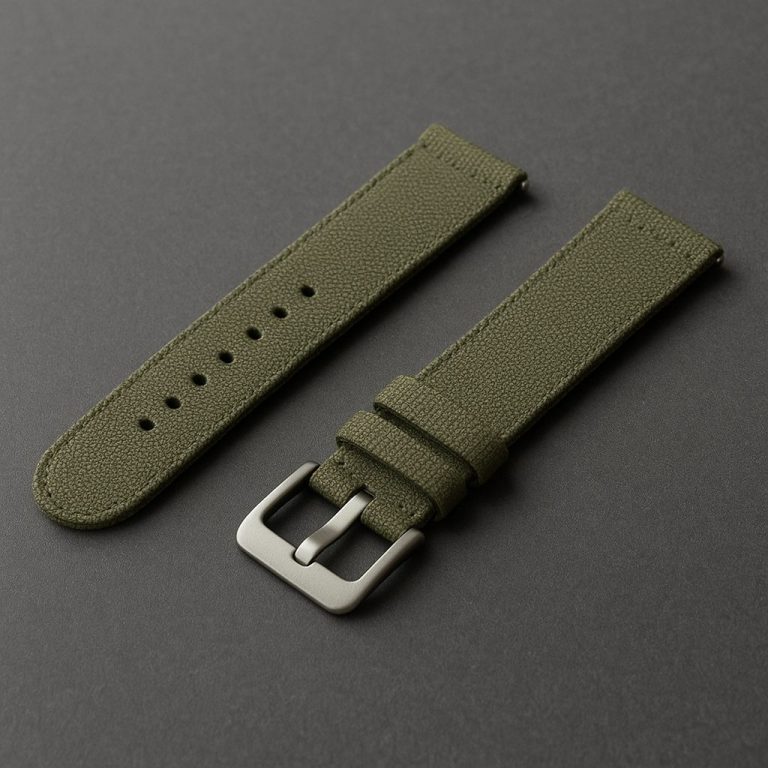
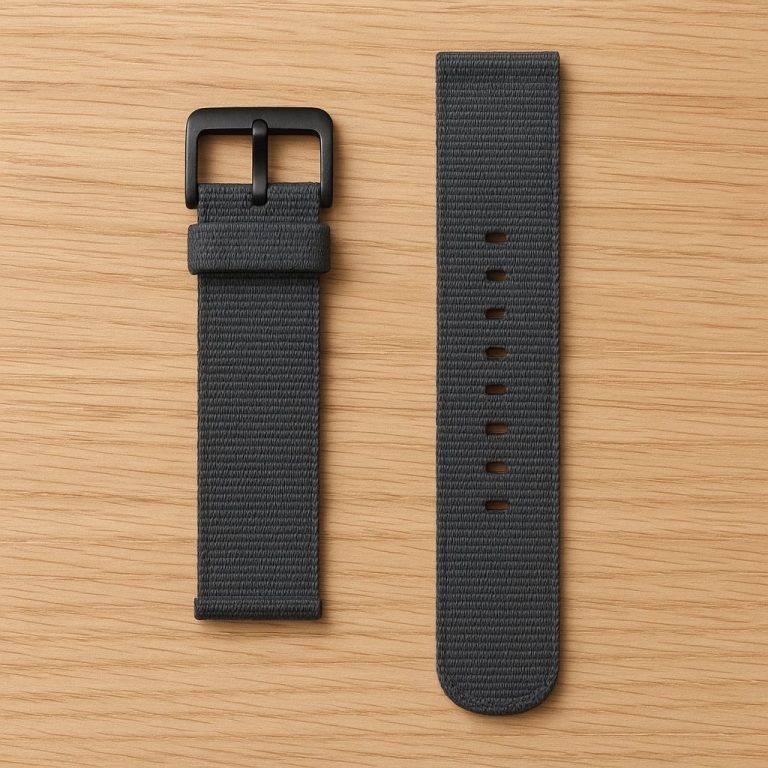
- Fabric bands—usually made from nylon or blends—come in a wide range of textures and densities. A dense, finely woven nylon band may look sharp on a minimalist watch but understated on a more elaborate case.
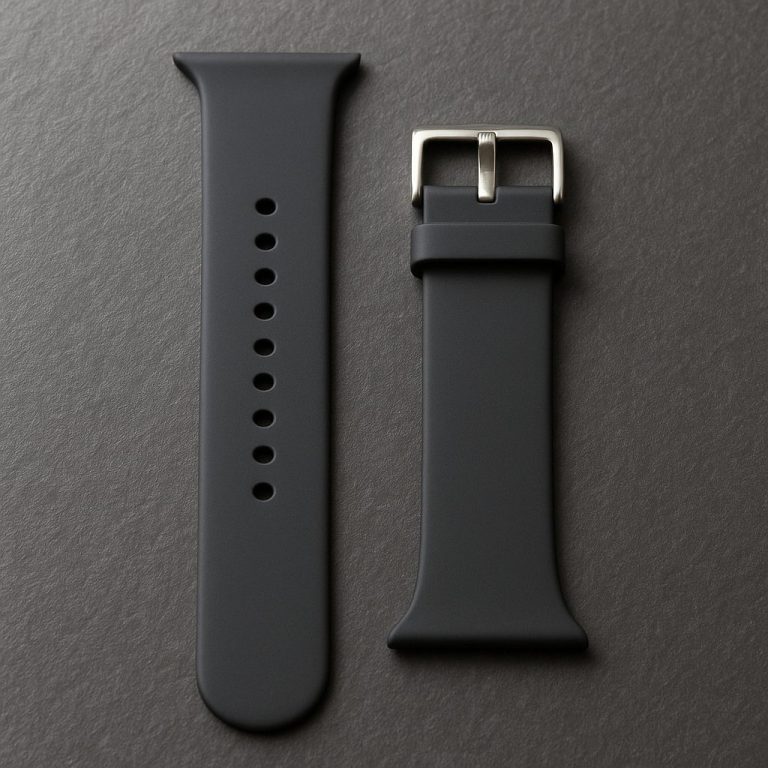
- Silicone bands introduce a casual, sporty feel, yet this can either rejuvenate a plain watch or look mismatched if the case is ornate or highly polished.
Style Themes and Visual Cohesion
The transformation from a band swap is strongest when the new band reinforces or complements a visual theme already present in the watch. For example, a watch with a utilitarian dial and simple case may look completely refreshed with a textured nylon strap, especially if the band’s weave and color match the watch’s functional aesthetic. In contrast, a decorative or dressy watch case might not harmonize with a sporty silicone band, so the swap feels less impactful or even discordant.
Real-World Example: Nylon Bands and Case Design
Consider two watches: one with a slim, rounded case and another with a blocky, oversized case. Both get fitted with a dense, smooth nylon band. The slim watch might suddenly look more casual and contemporary, with the band’s texture drawing attention to its simplicity. For the blocky watch, the same nylon band could seem dwarfed by the case, making little visual difference—or even highlighting the mismatch in scale.
Why the Same Band Looks Different on Each Watch
Swapping bands can be an effective way to refresh a watch, but the outcome hinges on how well the new band’s qualities—material, width, color, and texture—align with the watch’s case design, size, and finish. The same replacement band may completely change one watch’s personality and leave another almost untouched, simply due to differences in proportions, attachment, and overall visual harmony. Understanding this relationship helps set realistic expectations and guides more satisfying choices when experimenting with new watch bands.