What makes some watch bands easier to clean than others
Why Some Watch Bands Stay Cleaner Than Others
After a day spent outside or in the gym, the difference in cleaning a watch band can become obvious: rinsing a silicone band under running water often removes sweat and dirt in seconds, while a leather strap might hold onto stains and require special care. The ease with which a watch band can be cleaned depends on a combination of its material, how it’s constructed, and the types of contaminants it’s likely to encounter.
Material Characteristics Shape Cleaning Difficulty
The primary factor that determines how easy a watch band is to clean is its material. Each common type—metal, leather, fabric, and silicone—has distinct properties that affect cleaning methods and results.
Metal Bands
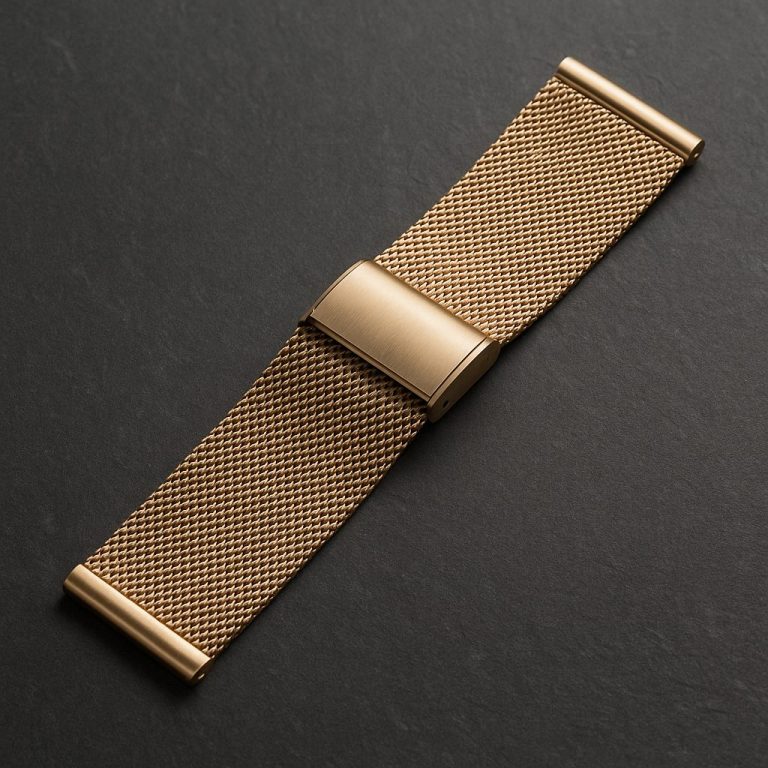
Metal watch bands, especially those made from stainless steel, are typically easier to clean than other materials. Stainless steel resists corrosion and does not absorb moisture or oils, making it a practical choice for those who want a low-maintenance band. Dirt, sweat, and grime tend to stay on the surface and can be washed away with water and mild soap. However, the design of the metal band—particularly the presence of small gaps between links—can affect how easily debris is removed. Bands with tightly spaced links may require a brush to reach trapped particles.
Leather Bands
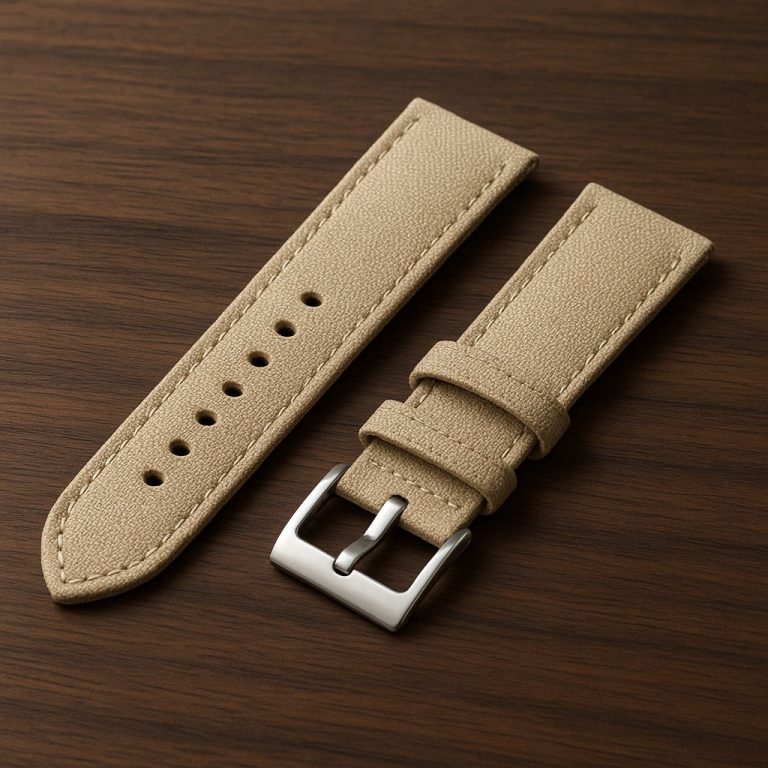
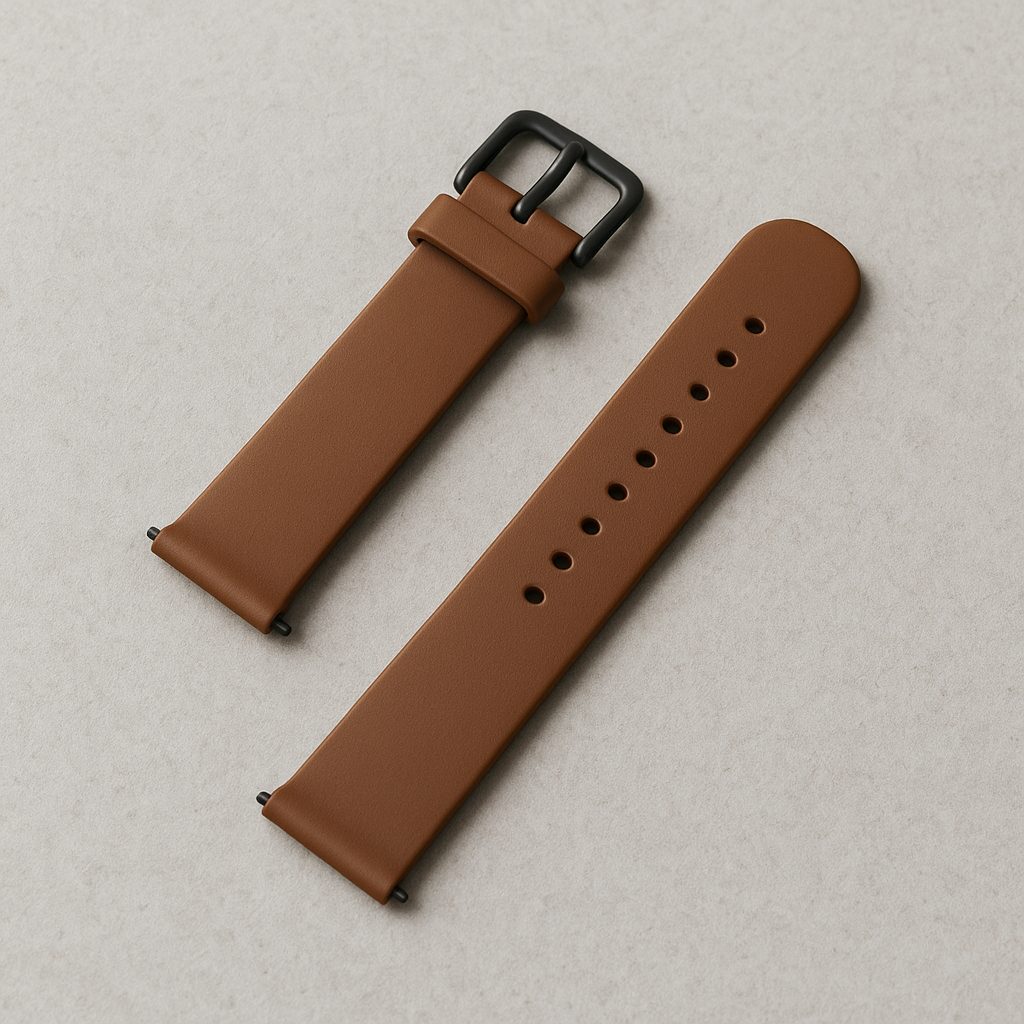
Leather bands often hold onto sweat, oils, and dirt more stubbornly than other materials. Leather is naturally porous, so it absorbs moisture and can become stained over time. Cleaning leather typically requires gentle wiping and sometimes the use of specialized cleaners. Excess water or harsh detergents can damage the leather, causing it to dry out, crack, or become discolored. For example, a leather band worn during summer may develop darkened patches where sweat has been absorbed, and these stains can be difficult to remove entirely.
Fabric Bands
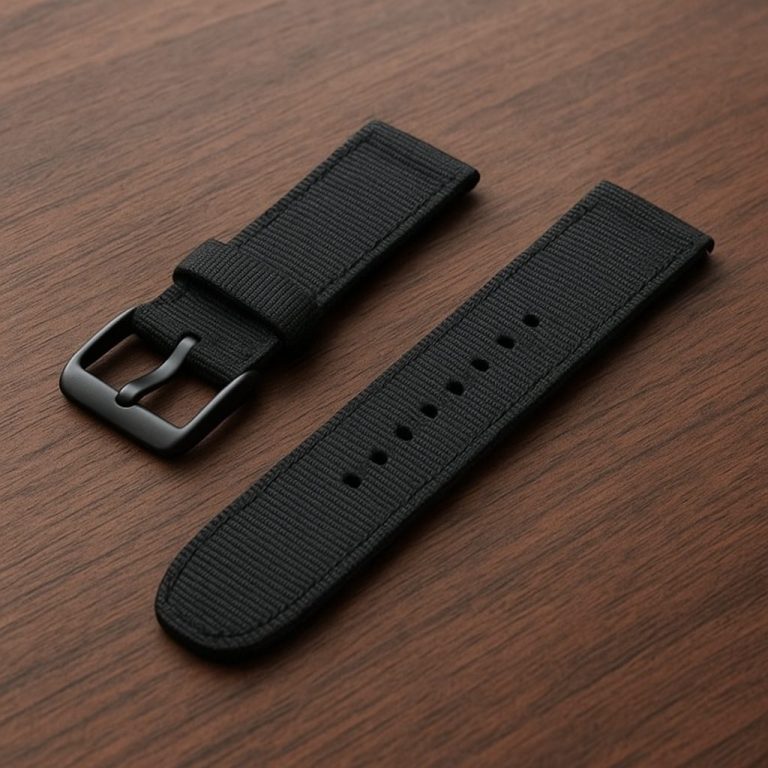
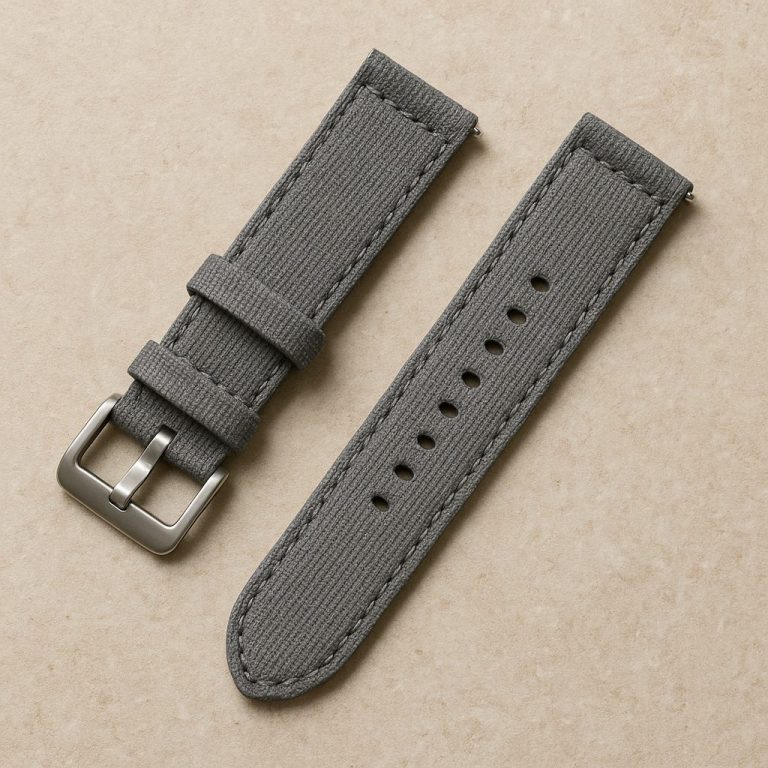
Most fabric watch bands are made from nylon or nylon blends, offering a range of textures and densities. A tightly woven nylon band tends to resist deep staining and is often easy to rinse or scrub gently. Looser weaves or thicker, more absorbent bands can trap dirt, sweat, or even odors, making them more challenging to clean. Elastic or textured fabric bands can also hold onto debris within small fibers. Some fabric bands are machine washable, but repeated washing can eventually wear out the material or affect elasticity.
Silicone Bands
Silicone bands are well known for being quick and easy to clean. The non-porous, flexible material does not absorb liquids, so most contaminants stay on the surface. A simple rinse under water, sometimes with mild soap, typically restores the band to a clean state. Even after exposure to mud or sweat, silicone bands rarely retain stains or odors. However, over time, some surface buildup may require a soft brush to remove, particularly around textured or patterned areas.
Construction and Design Matter
Beyond the material itself, the structure and design of a watch band influence how easy it is to clean. Bands with more surface area exposed and fewer tight crevices tend to shed dirt and moisture more readily. For example, a solid silicone band with a smooth finish usually cleans up faster than a metal bracelet with intricate links.
Features that can make cleaning more challenging include:
- Multiple small components, such as tightly packed metal links
- Textured surfaces that trap dirt or sweat
- Stitching or decorative holes in leather or fabric bands
- Elastic or braided sections in fabric bands where debris can collect
Effects of Regular Wear and Typical Contaminants
Different activities and environments introduce different challenges for cleaning watch bands. Sweat, sunscreen, dirt, and dust are among the most common contaminants. Materials like silicone and stainless steel resist absorption and staining from these substances, while leather and some fabrics may absorb them, leading to persistent odors or marks.
For example, after running or swimming, rinsing a silicone band often removes any residue. A fabric band, depending on its weave and thickness, might need soaking and scrubbing. Leather bands might need to air dry and be treated with a conditioner to restore flexibility.
Quick Comparison of Cleaning Ease
| Band Material | Ease of Cleaning | Common Cleaning Method | Typical Challenges |
|---|---|---|---|
| Metal (Stainless Steel) | Easy to Moderate | Soap, water, brush | Debris in links |
| Leather | Challenging | Gentle wipe, leather cleaner | Absorbs sweat, stains easily |
| Fabric (Nylon blends) | Moderate | Rinse, gentle scrub or wash | Traps dirt in weave |
| Silicone | Very Easy | Rinse, mild soap | Occasional buildup in textures |
Durability and Cleaning Frequency
How often a band is cleaned, and the cleaning methods used, can affect its longevity. While a metal or silicone band can handle frequent rinsing or scrubbing, leather bands are more sensitive to moisture and may deteriorate faster with aggressive cleaning. Fabric bands fall somewhere in between: they are often designed to be washable but can lose their color or elasticity if overwashed.
Choosing and Caring for a Watch Band With Cleaning in Mind
Understanding how material and construction influence cleaning makes it easier to select a watch band that suits your activities and maintenance preferences. For daily wear in active or messy environments, bands made from silicone or stainless steel typically require the least effort to keep clean. If a watch is worn mainly in formal settings and sweat or exposure to moisture is limited, a leather or fabric band may be suitable, but will need more careful upkeep.