What causes a watch band to feel slightly uncomfortable despite fitting correctly
When a Watch Band Feels Uncomfortable Despite a Correct Fit
After wearing a watch for several hours, you might notice a persistent pressure point on your wrist or a subtle irritation, even though the band’s size is correct and it’s not overly tight or loose. This situation often leaves users puzzled: if the band fits as it should, why does discomfort still occur?
Factors Beyond Band Size That Affect Comfort
While achieving the right length or hole adjustment is essential, several other factors can contribute to a watch band feeling slightly uncomfortable. These influences range from the material’s properties to how the band interacts with your wrist’s shape and movement.
Band Material and Skin Interaction
The material of the watch band plays a significant role in comfort, even when the fit is technically correct. Each type of material interacts with the skin and wrist contours differently:
| Material | Common Discomfort Causes |
|---|---|
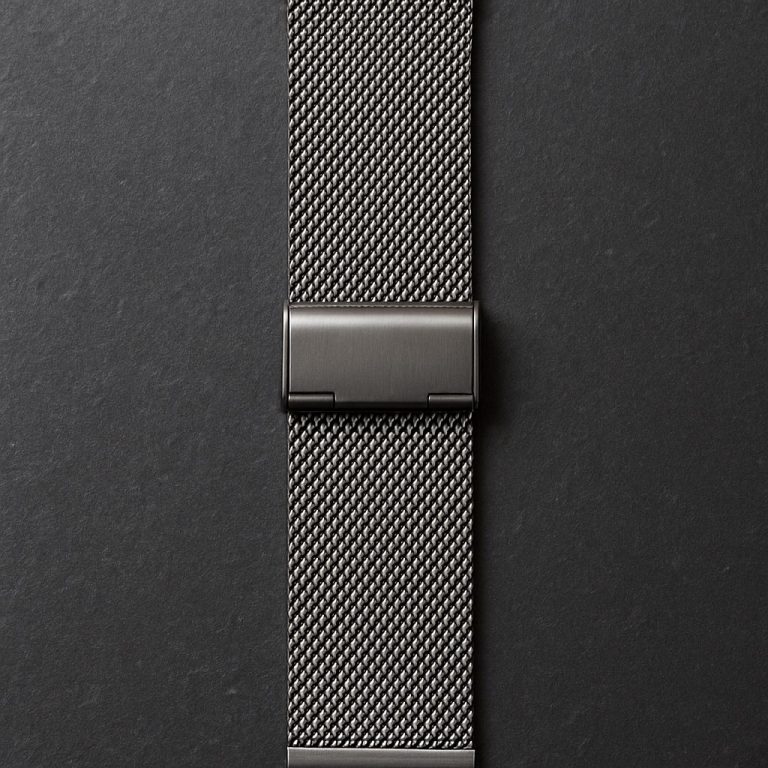
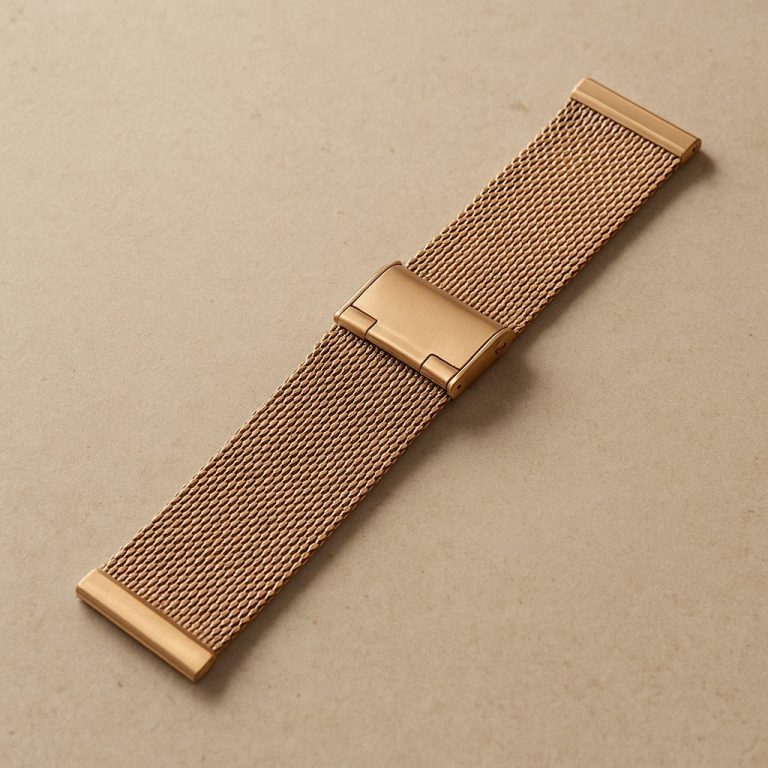
| Metal (usually stainless steel) | Pinching, hair pulling, cold/warm sensation, rigid links creating pressure points |
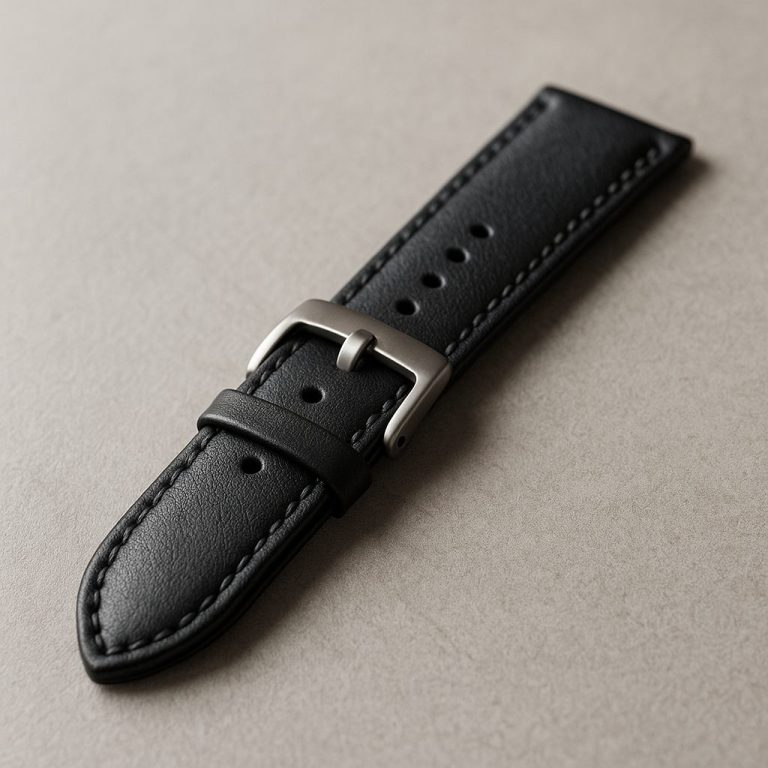
| Leather | Stiffness, sweat absorption, edge rubbing, eventual cracking |
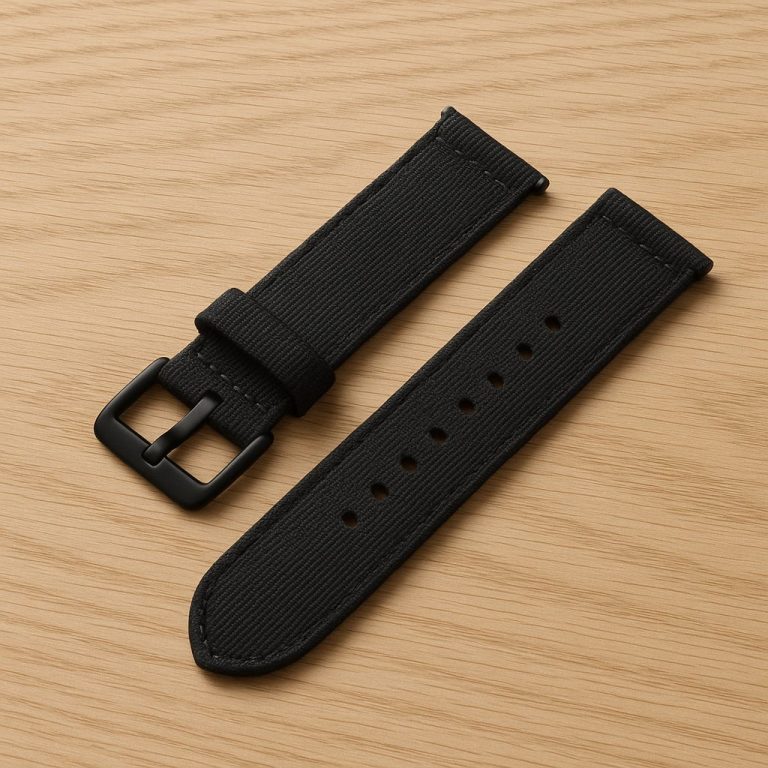
| Fabric (typically nylon blends) | Seam friction, weave texture, moisture trapping, coarse edges |
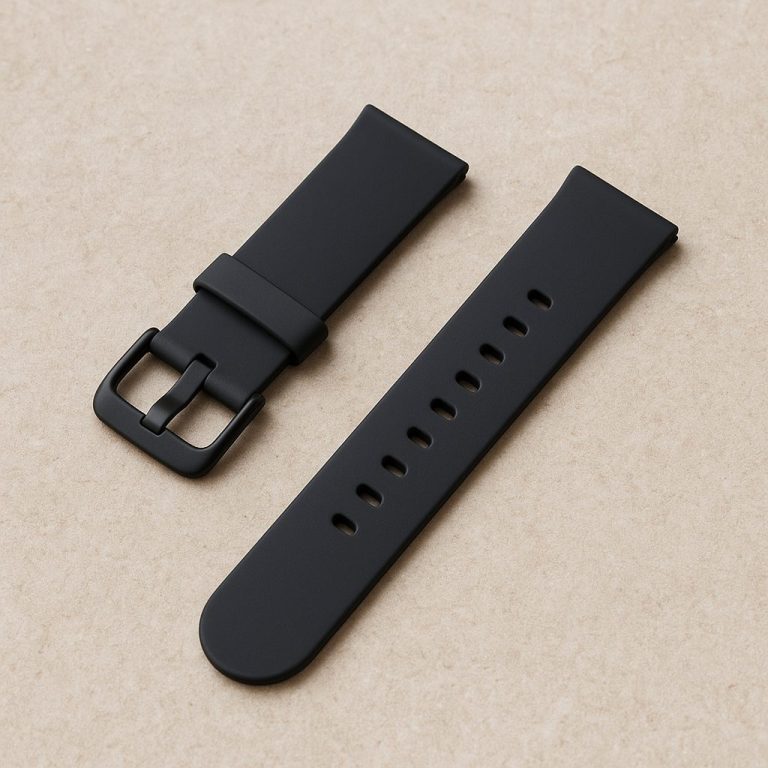
| Silicone | Heat buildup, skin sticking, limited breathability, minor skin reactions |
Shape and Contour of the Wrist
Human wrists vary in shape—some are flatter, others more rounded or bony. A watch band that fits in terms of length may not always distribute pressure evenly across different wrist contours. Metal bands, for example, may not flex as easily as fabric or silicone, causing localized pressure on protruding bones. Similarly, a thick or stiff leather band may not mold quickly to the natural curve of the wrist, leading to discomfort near the clasp or lugs.
Band Thickness and Flexibility
Thicker and less flexible bands can press into the wrist, especially during movement. For instance, a thick silicone band might feel snug when the wrist is straight but become restrictive when bending the wrist upward or downward. Leather bands can also feel rigid until they gradually break in. Fabric bands, such as those made from densely woven nylon, may feel stiff initially, while more elastic or loosely woven versions often conform better to wrist movements.
Edge Finish and Stitching
The edges of the watch band and the quality of the stitching can subtly affect comfort. A sharply cut or poorly finished edge may dig into the skin, even if the overall fit is correct. Raised or rough stitching, especially on the underside of a leather or fabric band, can cause friction with repeated wrist movement. Over time, this can lead to mild chafing or redness, particularly in hot weather or during physical activity.
Closure and Adjustment Mechanisms
Buckles, clasps, and adjustment holes are not always perfectly aligned with every wrist. A metal clasp might rest directly on a sensitive part of the wrist, or a pin buckle may create a lump under the wrist that presses into a desk during typing. Some adjustment systems, such as those on certain metal bracelets, only allow for coarse size changes, making it difficult to achieve an ideal balance between too tight and too loose. This can result in a correctly sized band that still feels awkward in daily use.
Other Contributing Factors to Discomfort
Skin Sensitivity and Reactions
Some people experience mild skin reactions to specific band materials, even if the material is generally considered hypoallergenic. For example, silicone bands can sometimes cause heat and sweat to build up under the strap, resulting in itching or a sticky feeling. Although stainless steel is the most common metal used due to its durability and corrosion resistance, certain skin types may still react to metal bands, especially if the finish is rough or if the skin is exposed to moisture for extended periods.
Sweat and Moisture Accumulation
When sweat or moisture gets trapped under the band, it can cause the skin to feel clammy or irritated. Silicone and some dense fabric bands are more prone to this, as they may not allow moisture to escape easily. Leather bands can absorb sweat, leading to a damp, uncomfortable feeling and sometimes an unpleasant odor if not properly dried.
Band Movement and Micro-Adjustments
Even with a correct fit, small amounts of sliding or shifting can cause discomfort over time. A metal bracelet may slide back and forth, causing repeated rubbing at the same spot. A snug silicone band might not move at all, causing pressure to build up when the wrist swells slightly during heat or exercise. Fabric bands made from smooth, tightly woven nylon blends often move more freely, while thicker or rougher weaves can grip the skin and contribute to localized friction.
Underside Surface and Texture
The underside of the band, which is in direct contact with the skin, can have a significant impact on comfort. Some leather bands have a textured or unfinished underside that feels rough. Certain metal bands have a series of small links or gaps that can catch fine hairs or pinch skin. Silicone bands may have ridges or patterns intended to improve airflow, but these features can sometimes cause pressure marks or trap sweat.
Practical Approach to Improving Comfort Without Changing Fit
Addressing slight discomfort often involves small adjustments rather than changing the band size. For instance, rotating the watch slightly on the wrist so that the clasp or buckle doesn’t rest on a sensitive area can reduce pressure points. When using a fabric band, selecting one with a softer or more elastic weave—often found in some nylon blends—can make a noticeable difference. If a metal band feels uncomfortable, having extra links removed or added for a better drape, or choosing a different clasp position, can help.
For those experiencing irritation from silicone bands, occasionally removing the watch to allow the skin to breathe and wiping away sweat can prevent buildup and discomfort. If a leather band is stiff, gently working the material or wearing it for short periods can help break it in. Small changes in daily routine, such as loosening the band slightly during periods of inactivity or cleaning the band regularly, can also reduce discomfort.
Understanding Subtle Discomfort: What to Look For
Even with a correctly sized watch band, subtle discomfort can arise from the way materials interact with the wrist, the band’s construction, and individual skin sensitivity. Paying attention to how and when discomfort appears—such as after typing, during exercise, or in hot weather—can help identify the underlying cause. Simple adjustments in band position, material choice, or routine care often resolve minor issues without the need for a new band or drastic changes.