Why some watch bands start looking worn faster than others
Why Some Watch Bands Show Wear So Quickly
After a few months of regular use, a watch band can start to show noticeable signs of wear: fading color, cracked edges, fraying threads, or a dull finish. Sometimes this happens much faster on one watch than another, even when both are worn daily. This difference often leads to questions about why some bands hold up longer and why others seem to age rapidly.
Material Makes the Biggest Difference
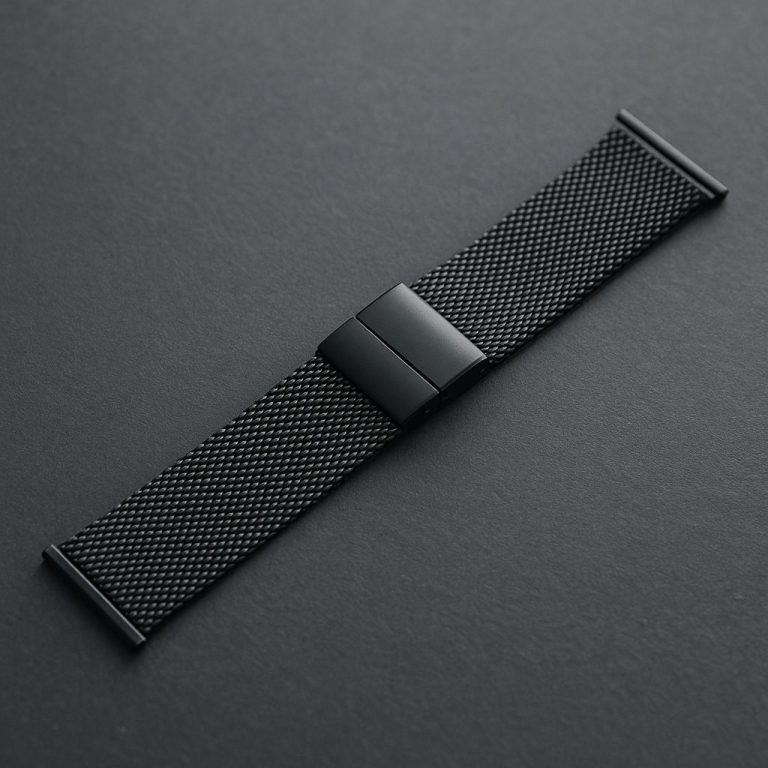
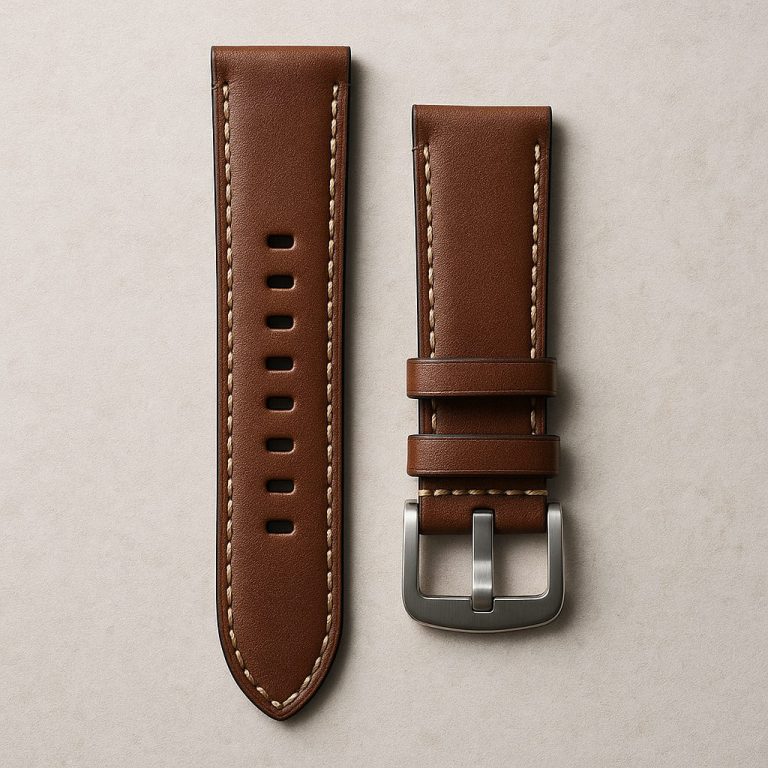
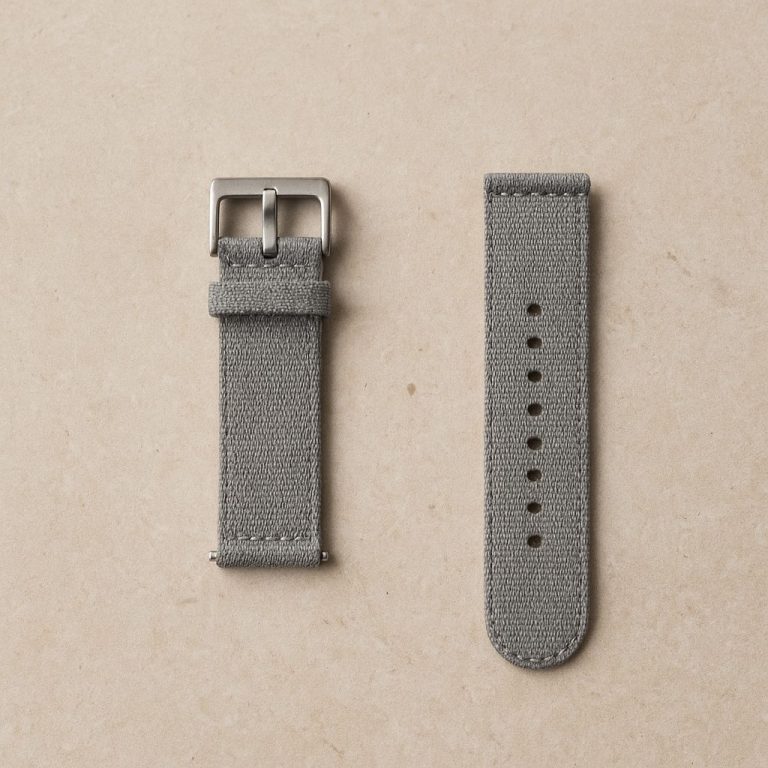
The main reason for the varying speed of wear is the type of material used for the band. Each material reacts differently to sweat, skin oils, water, friction, and exposure to sunlight. The four most common categories are metal, leather, fabric (typically nylon-based), and silicone.
| Material | Typical Wear Signs | Relative Durability |
|---|---|---|
| Metal (usually stainless steel) | Scratches, loss of polish, stretching | High |
| Leather | Cracking, darkening, edge wear, stiffness | Moderate |
| Fabric (nylon blends) | Fraying, fading, stretched weave | Variable |
| Silicone | Discoloration, surface wear, tearing at holes | Moderate |
How Daily Use Accelerates Wear
Even with the same material, the way a watch is used plays a key role in how fast a band looks worn. Activities like working at a desk, exercising, or spending time outdoors expose the band to different stresses. For example:
- Wearing a leather band in humid conditions or while sweating can lead to faster cracking and staining.
- Metal bands worn daily may develop fine scratches from contact with surfaces or jewelry.
- Fabric bands made from nylon can fray quickly if repeatedly rubbed against rough surfaces or snagged.
- Silicone bands may show discoloration if exposed to sunscreen, oils, or frequent washing.
Even simple habits, such as how tightly the band is worn or how often it is buckled and unbuckled, can impact longevity.
Environmental Factors: Sunlight, Sweat, and Water
Environmental exposure is another critical factor. Sunlight causes fading and brittleness, especially for dyed materials. Sweat and moisture can soak into leather, hastening its breakdown, while salt from sweat can corrode or stain metal over time. Nylon-based fabric bands may dry quickly but can also absorb odors or become stiff if not washed. Silicone bands resist water well but can lose their color or become sticky when exposed to chemicals or lotions.
Variations Within Each Material
Not all bands within a material category are created equal. The finish, thickness, and construction method matter. For example:
- Stainless steel is the most common metal for watch bands due to its durability and resistance to rust, but some finishes scratch more easily than others.
- Leather can be full-grain, top-grain, or bonded; thinner or lower-quality leathers tend to crack and warp more quickly.
- Fabric bands are usually made from nylon or blends, with differences in weave density and elasticity. Tightly woven, thicker bands resist fraying better than lighter, looser ones.
- Silicone bands can vary in softness and thickness. Softer compounds may be more comfortable but sometimes stretch out or tear at the adjustment holes under stress.
Cleaning and Maintenance Habits
How a band is cared for affects its appearance and lifespan. Dirt, sweat, and oils build up on all materials, but some require more frequent cleaning. For example, a nylon strap used during exercise benefits from regular rinsing to prevent odor and material breakdown. Leather bands should be wiped gently and kept dry to avoid stains and cracks. Silicone bands are easy to wash, but harsh soaps can cause fading. Metal bands can be cleaned with a soft brush to prevent grime buildup in the links.
Attachment Methods and Stress Points
The way a band connects to the watch can influence where and how quickly it wears. Spring bars or quick-release pins concentrate stress at the ends of the band. Over time, repeated bending or pulling in these areas can lead to cracking (in leather or silicone) or fraying (in fabric). Metal bracelets are less likely to fail at the attachment point but can loosen or stretch over years of use.
When Rapid Wear Is Most Noticeable
Some situations make wear stand out more quickly:
- Light-colored bands show stains and discoloration sooner than dark bands, regardless of material.
- Bands with painted or coated surfaces (such as colored metals or printed fabrics) lose their finish faster due to abrasion.
- Frequent exposure to water, such as swimming or showering with the watch, accelerates signs of wear in leather and some fabric bands.
A practical example: a nylon strap with a loose weave used for hiking may develop frayed edges and faded color within weeks, especially if it catches on gear or is exposed to mud and sunlight. A silicone band worn daily with workout routines may start to look dull or develop small tears around the adjustment holes if frequently stretched for removal.
Longevity Depends on the Right Match
The speed at which a watch band begins to look worn depends mainly on the material, how it is constructed, the environments it faces, and how it is cared for. Selecting a band that suits the intended use—such as choosing tightly woven nylon for outdoor activities or stainless steel for everyday office wear—helps minimize visible aging. Regular cleaning and avoiding harsh conditions will also slow down the process. Recognizing these factors makes it easier to set expectations and choose the right band for each situation.