What causes pressure buildup under certain sections of a watch band
Recognizing the Causes of Uneven Pressure Under a Watch Band
After several hours of wearing a watch, a person may notice red marks, imprints, or even mild discomfort under certain sections of the band—often while the rest of the wrist feels fine. This uneven pressure often raises questions about why only specific areas beneath the watch band seem affected, rather than the entire circumference. Understanding what causes pressure buildup under certain sections of a watch band can help in adjusting usage, improving comfort, and preventing skin irritation.
How Watch Band Design and Wear Lead to Pressure Points
The buildup of pressure under select parts of a watch band is usually the result of how the band interacts with the wrist’s shape, the materials in use, and the way the watch is worn. These factors work together, sometimes creating localized zones of higher pressure rather than distributing it evenly.
1. Wrist Anatomy and Band Fit
The human wrist is not perfectly cylindrical; it has tendons, protruding bones, and varying tissue thickness. When a band is tightened, it may press more firmly on raised areas like the ulna bone or the top of the wrist, especially if the band is inflexible. This can create pressure points, particularly if the watch is worn tightly to prevent slipping.
For instance, when typing on a desk, the wrist may rest on its underside, pressing the watch band against the skin and causing increased pressure in that area. Over time, this can lead to temporary indentations or discomfort under those specific sections.
2. Watch Band Material and Construction
Different band materials respond uniquely to the contours of the wrist, influencing how pressure is distributed. Here’s how the major types compare:
| Band Material | Pressure Distribution | Common Contributing Factors |
|---|---|---|
| Metal Bracelet | Segmented, less flexible | Rigid links, clasp bulk, less contouring |
| Leather Strap | Moderately flexible, can stiffen | Stiffness near buckle, crease points |
| Fabric Band (nylon/nylon blends) | Flexible, variable elasticity | Weave density, thickness, hardware placement |
| Silicone Band | Highly flexible, soft | May form tight seals, moisture trapping |
3. Band Attachment and Adjustment Mechanisms
The way a band attaches to the watch case also affects pressure points. Watch cases use lugs to connect bands, with mechanisms like spring bars or quick-release pins holding the band in place. If the fit between the band and the lugs is tight or the hardware is bulky, the area near the attachment point can press into the wrist, especially during wrist movement.
Some bands, particularly metal bracelets or thick leather straps, may have stiff sections near the case that do not flex easily, causing more pronounced pressure on those areas. Similarly, the placement of adjustment holes, buckles, or clasps can concentrate tension in a limited region, rather than allowing an even wrap around the wrist.
4. Daily Activities and Wrist Movement
Repeated wrist movements—such as bending the wrist upwards, resting the forearms on surfaces, or carrying items—can cause the watch and band to shift, increasing pressure at certain points. For example, during exercise or manual work, the band may slide slightly and settle in a position that presses unevenly against the wrist. Over time, this repetitive localized force causes temporary pressure marks or discomfort.
Detailed Look at Specific Materials and Their Effects
Metal Bracelets
Most metal watch bands are made of stainless steel, valued for its durability and resistance to corrosion. Metal bracelets are constructed from interconnected links, which provide adjustability but can also introduce rigidity. The segmented nature of these bracelets can prevent them from fully conforming to the wrist’s shape, particularly if the link size is large or the bracelet is not finely adjusted to the wearer’s wrist size. The clasp, often thicker than the rest of the bracelet, is another area where pressure can build up, especially if it sits directly under the wrist during daily activities.
Leather Straps
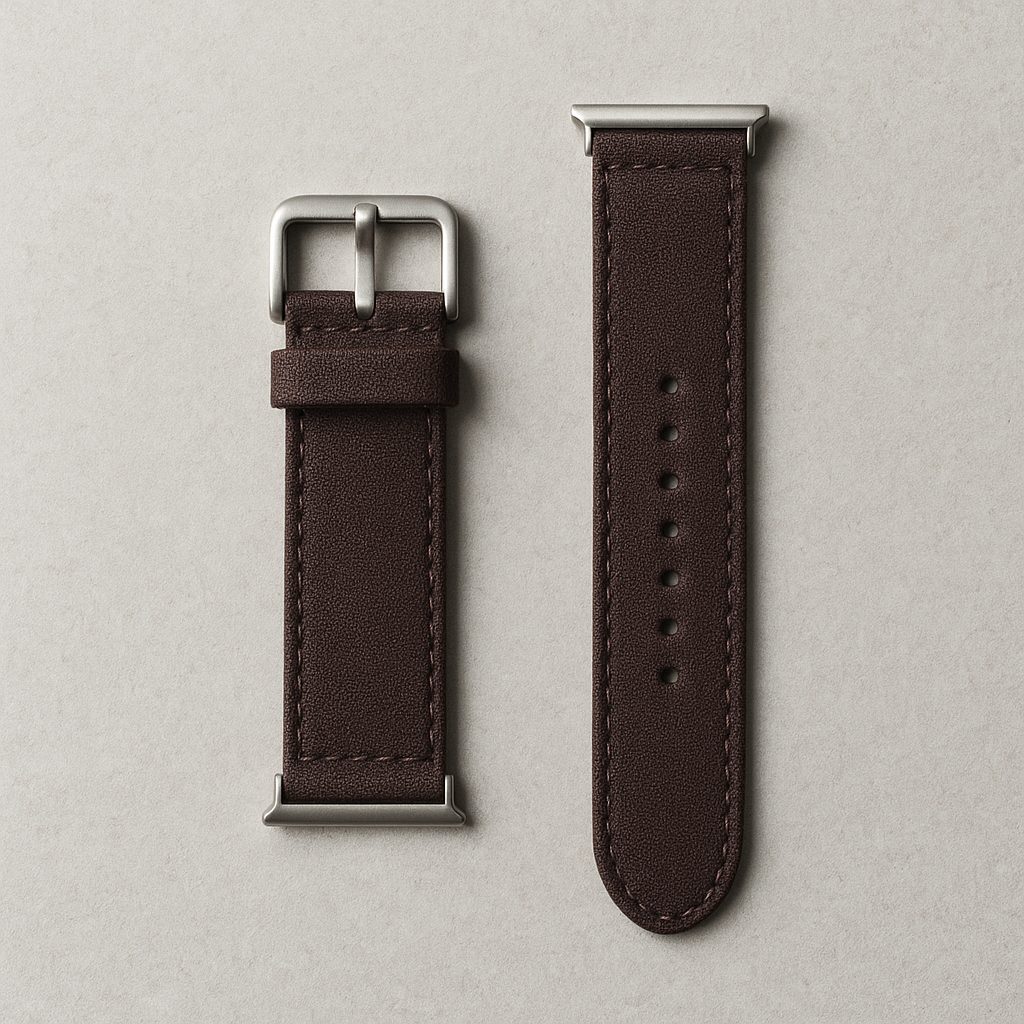
Leather straps offer moderate flexibility, but can become stiff over time or in colder weather. The area near the buckle or pinhole may crease and resist flexing, pressing more firmly against the wrist. If the leather is thick, or the strap is worn tightly, this effect is more noticeable. The tongue of the buckle and the extra leather layer under the wrist can also create pressure zones, especially when the strap is new and not yet broken in.
Fabric Bands (Nylon and Blends)
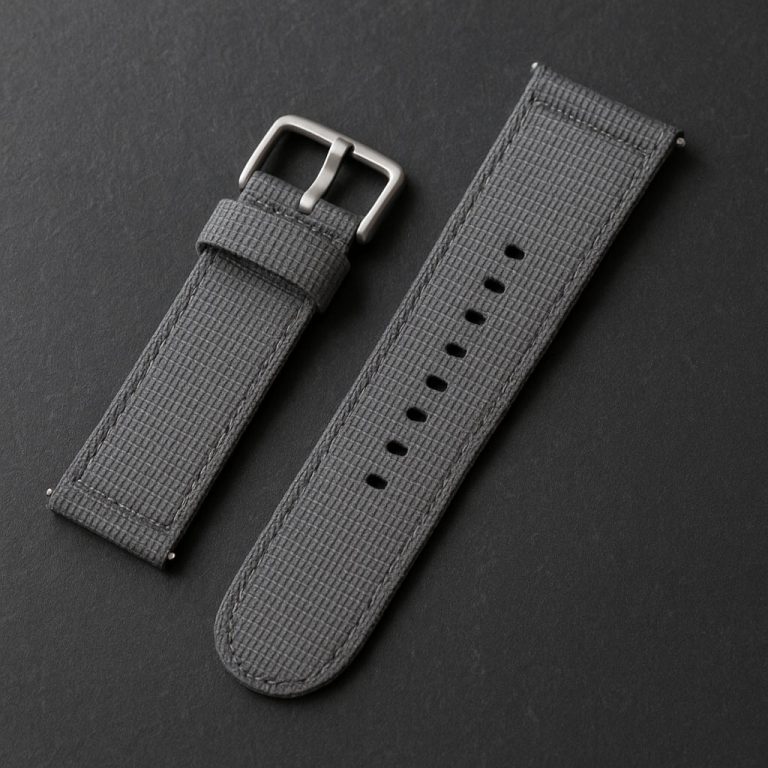
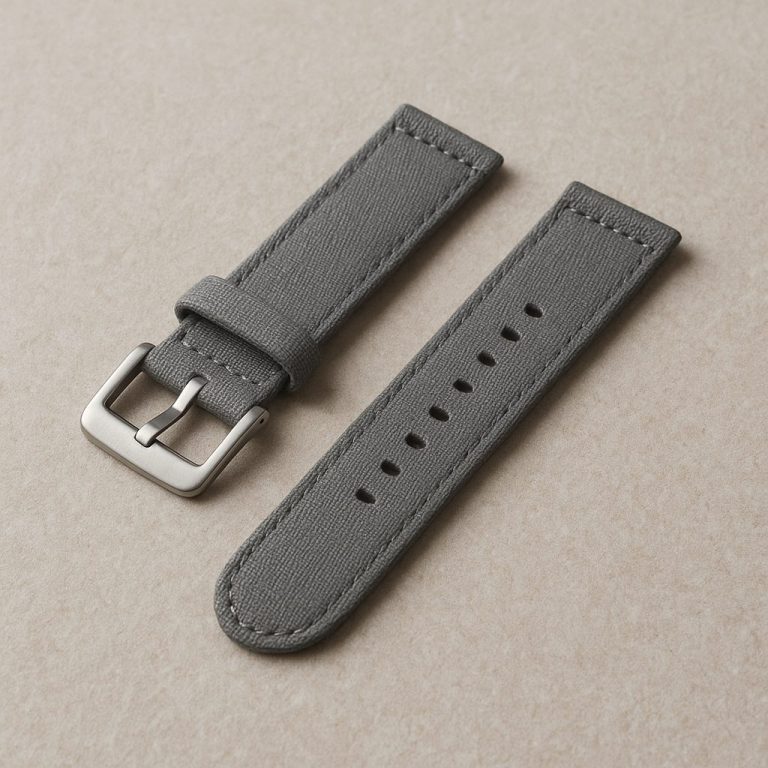
Fabric bands, most often crafted from nylon or nylon blends, can vary in thickness, weave density, and elasticity. A dense, tightly woven nylon strap will be less elastic and may not contour as smoothly, creating pressure where the band curves around wrist bones. Looser or stretchier weaves tend to distribute pressure more evenly, but can bunch up or twist, forming their own localized pressure points. Some fabric bands use hardware (D-rings, sliding keepers) that can also become pressure sources, depending on their placement.
Silicone Bands
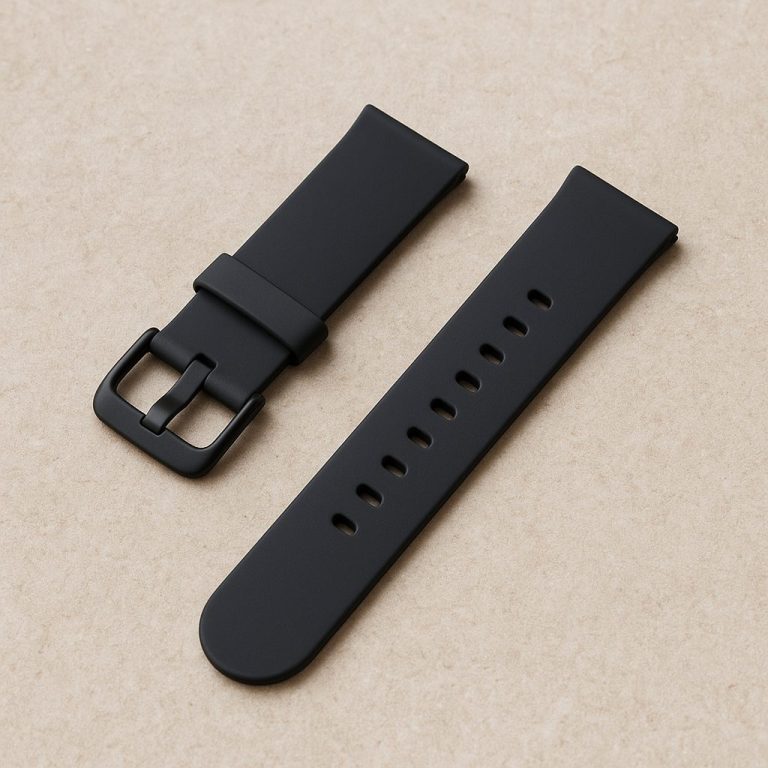
Silicone bands are popular for their softness and flexibility. They tend to conform closely to the skin, which generally helps distribute pressure. However, their snug fit can form a seal against the skin, trapping moisture and, in some cases, increasing friction. If worn too tightly, silicone bands can create pressure points, particularly near the buckle or excess strap tuck-under, where multiple layers overlap. Adjusting the band for a looser fit can help, but too much looseness may cause the watch to shift and create new pressure areas.
Additional Factors Contributing to Pressure Buildup
Watch Head Size and Weight
A large or heavy watch head can tip the balance of pressure, especially if the band is not adjusted to keep the watch centered. As the watch shifts or sags, the band may press harder against one side of the wrist, compounding pressure in that area.
Band Width and Taper
Wider bands can spread force over a larger surface area, but if the wrist is small or the band is much wider than the flat part of the wrist, the edges can dig in. Tapered bands (wider at the lugs, narrower at the clasp) may help, but the transition points sometimes become new pressure zones if the band material is stiff or layered.
Moisture and Skin Sensitivity
Sweat, water, or humidity trapped under the band can soften skin, making it more sensitive to pressure and friction. This is especially relevant for silicone bands and tightly woven fabric straps, which may hold moisture against the skin. Over time, this can lead to increased discomfort or skin irritation under pressure points.
Practical Adjustments to Minimize Pressure Points
To reduce pressure buildup, consider the following:
- Adjust the tightness of the band, aiming for a secure but not overly snug fit. The band should not leave deep marks after removal.
- If possible, fine-tune the fit using micro-adjustments (available on some metal bracelets) or by shifting to an adjustment hole that feels comfortable.
- For fabric bands, try different weaves or thicknesses—some softer, stretchier nylon straps may conform better to wrist shape.
- Rotate wear position slightly during the day, especially during repetitive activities, to avoid prolonged pressure in the same area.
- If skin irritation develops, clean both the band and wrist regularly to remove sweat and debris, and consider switching to a band material that is less prone to trapping moisture.
Key Takeaway
Pressure buildup under specific sections of a watch band results from the interaction between wrist anatomy, band material properties, attachment mechanisms, and daily activity. Recognizing how these factors create uneven force allows for practical adjustments—such as changing band tightness, selecting different materials, or repositioning the watch—that can significantly improve comfort and reduce irritation during regular wear.