Why some watch bands become shinier or duller over time
How Watch Band Surfaces Change with Use
A stainless steel bracelet that once had a bright, reflective finish now appears more matte and marked by fine scratches. A leather strap that started out glossy and smooth becomes dull and soft over months of wear. A brightly colored silicone band may lose its shine, or a tightly woven nylon band starts to develop a sheen where the wrist rests against it most. These changes in a watch band’s appearance are the result of complex interactions between material properties, daily use, and exposure to environmental factors.
Factors Affecting Watch Band Shine and Dullness
The shine or dullness of a watch band depends on its material, how it’s finished, and how it reacts to friction, moisture, skin oils, and light. Over time, nearly all watch bands will change in appearance, but the reasons for these changes differ depending on what the band is made of.
Metal Bands: Scratches, Polishing, and Oxidation
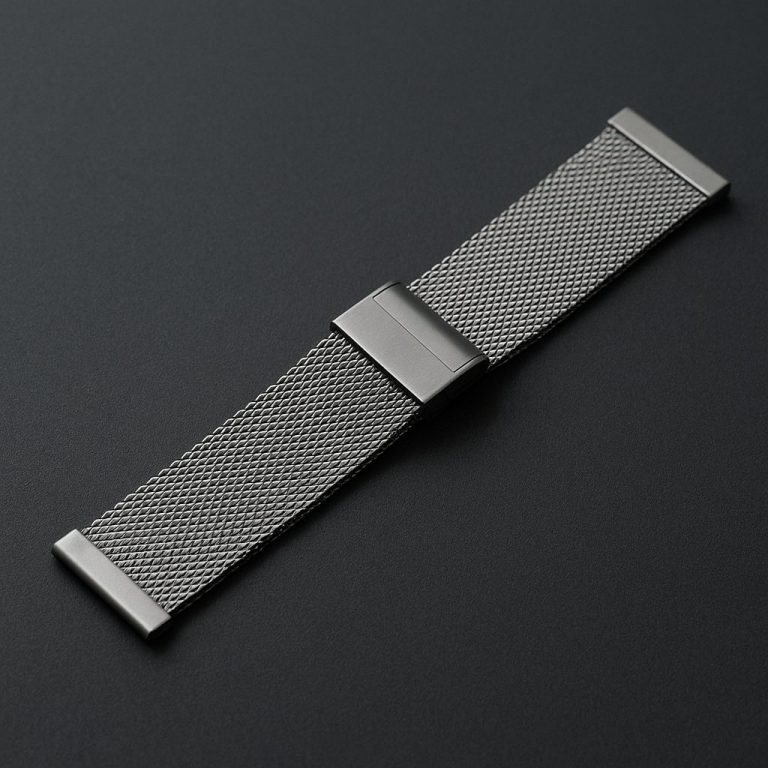
Metal bands, especially those made from stainless steel, are popular for both their shine and durability. Stainless steel is widely used because it resists corrosion and holds up well to daily wear. The appearance of a metal band is determined by whether it has a polished (shiny), brushed (matte), or bead-blasted (textured) finish.
- Polished finishes are highly reflective but tend to show scratches more easily. Over time, tiny abrasions from clothing, desks, or other jewelry can create a web of fine lines, scattering light and making the band appear duller.
- Brushed finishes are designed to be less reflective, but repeated friction can actually polish parts of the surface, making some areas shinier than intended.
- Oxidation and residue can also affect shine. Sweat, skin oils, and environmental pollutants can create a thin film on the metal, reducing its luster until it is cleaned.
Cleaning a metal bracelet with mild soap and water, then drying it thoroughly, can often restore much of its shine. Specialized cloths or polishing pastes can help reduce the appearance of light scratches, but deep scratches typically require professional refinishing.
Leather Bands: Patina, Oils, and Wear
Leather bands develop character through use, but this often means a gradual change in shine. Fresh leather straps may be glossy or matte, depending on the finish applied by the manufacturer. Over time, the outer layer absorbs oils from the skin, sweat, and moisture from the air.
- Patina is the result of this absorption and the natural breakdown of surface coatings. It can make leather look richer, but usually less shiny, especially if the original finish was glossy.
- Friction from buckling and unbuckling, sliding the band through loops, or rubbing against clothing can wear away the top layer, altering the sheen and sometimes making parts of the band appear more polished while others become more matte.
- Exposure to sunlight and sweat may also cause fading and dulling, especially on lighter-colored leathers.
Occasionally wiping a leather band with a dry cloth can remove surface dirt, but over-cleaning or using harsh chemicals can accelerate dullness. Conditioning leather with appropriate products can restore some suppleness and luster, but may also darken the band as it ages.
Fabric Bands: Friction and Fiber Compression
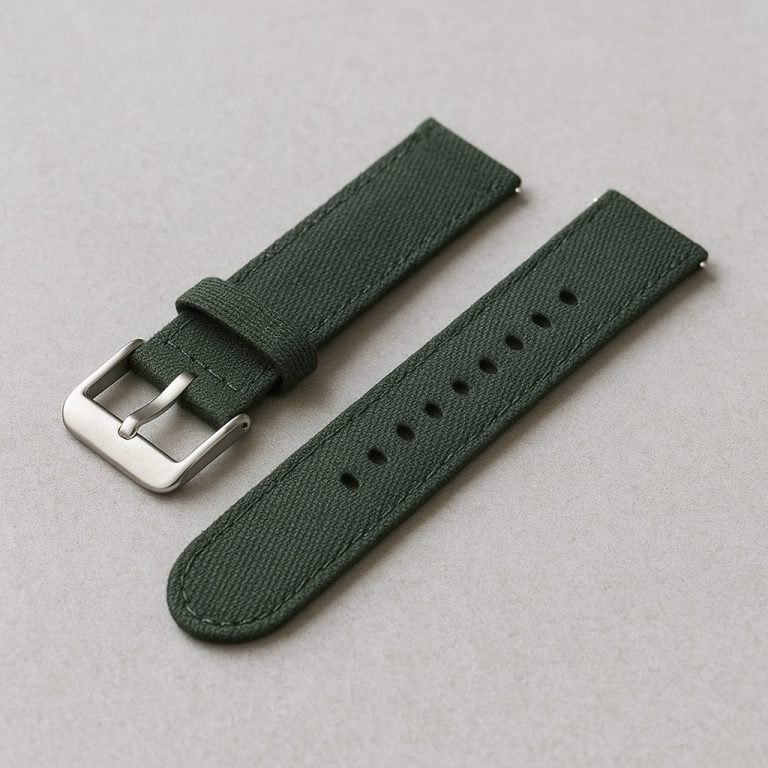
Most fabric watch bands are made from nylon or nylon blends, chosen for their durability and comfort. The way the fibers are woven, their thickness, and their elasticity all influence how the band’s surface reflects light. Initially, tightly woven, matte-finished bands may look dull, while looser weaves can appear slightly shinier.
- Fiber compression occurs where the band flexes most, such as near the buckle or where the band sits against the wrist. These areas often develop a sheen as the fibers are flattened and smoothed by regular movement and contact with skin or fabric.
- Dirt and oils can also accumulate, giving the band a darker and sometimes shinier appearance in high-contact areas.
- Washing fabric bands periodically with mild soap and water can remove oils and restore a more uniform appearance, but repeated washing may eventually soften or fade the fabric, reducing both shine and texture.
For example, a dense, flat-weave nylon strap might look glossy where it constantly rubs against a desk edge, while the rest of the band remains matte.
Silicone Bands: Surface Texture and Accumulated Residue
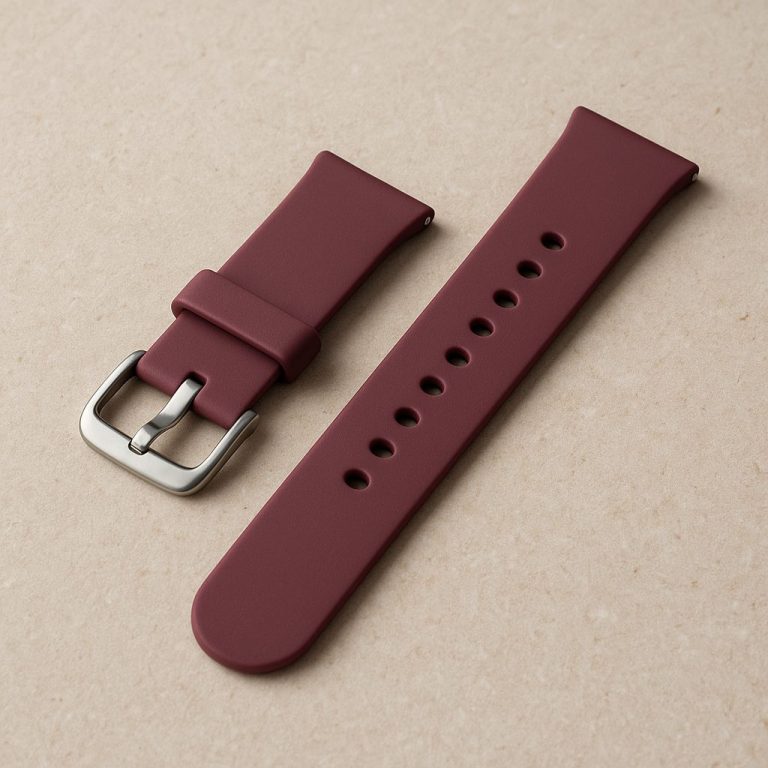
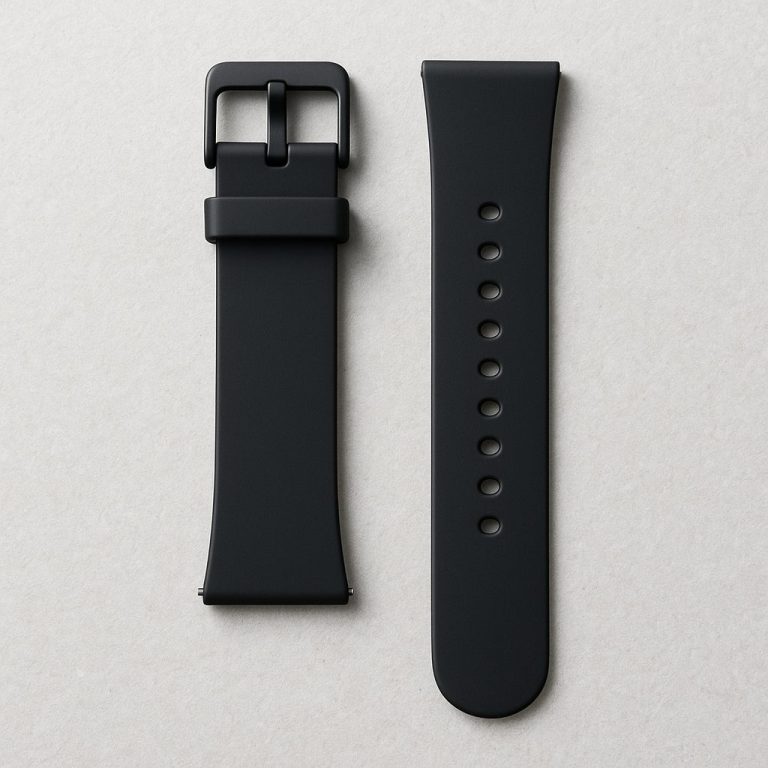
Silicone bands are valued for their flexibility, water resistance, and comfort. New silicone bands often have a smooth, even surface that can look either matte or slightly shiny, depending on the finish. Over time, several factors can change their appearance:
- Skin oils and lotions can create a film on the surface, making a matte band appear shinier or a shiny band look greasy.
- Fine scratches and abrasions from contact with rough surfaces or debris can make some areas appear duller as they disrupt the evenness of the surface.
- Cleaning can restore the original look, but repeated harsh cleaning might cause the surface to become patchy or more matte over time as very fine particles are worn away.
Wiping a silicone band regularly with a damp cloth and mild soap helps remove surface buildup and maintain its intended finish.
Material Properties and Environmental Exposure
Much of the change in shine or dullness comes down to the microscopic structure of the material and how it interacts with the environment. Smooth, hard surfaces reflect light more uniformly, appearing shinier. As scratches, abrasion, or compression alter the surface, light scatters in different directions, reducing shine.
Environmental exposure is also significant. UV light can fade color and dull finishes, especially on dyed leather or fabric. Water and sweat can accelerate the breakdown of surface coatings or encourage the buildup of residue. Even air pollution and dust can contribute by leaving tiny particles on the band.
Here’s a brief overview of how different materials respond to wear:
| Material | Becomes Shinier? | Becomes Duller? | Main Causes |
|---|---|---|---|
| Stainless Steel (Metal) | Yes, with polishing or friction on brushed finishes | Yes, from scratches and oxidation | Friction, abrasion, residue |
| Leather | Occasionally, with compression or natural oils | Common, due to absorption and breakdown of finish | Oils, sweat, friction, sunlight |
| Fabric (Nylon/Nylon Blend) | Yes, in high-friction areas | Yes, with washing or prolonged wear | Fiber compression, dirt, cleaning |
| Silicone | Yes, with oil buildup | Yes, with scratches or harsh cleaning | Skin oils, abrasion, cleaning agents |
Why Shine and Dullness Matter for Everyday Use
The appearance of a watch band changes not just with time, but with how and where the watch is worn. For someone frequently working at a desk, the band may become shinier where it rubs against the surface. Outdoor activity can accelerate dullness through sweat and UV exposure. Even the way a band is cleaned or maintained—such as regularly wiping away residue from a silicone band, or occasionally conditioning a leather strap—plays a role in how shiny or dull it appears over time.
Understanding the reasons behind these changes can help in choosing the right cleaning and care methods. For instance, noticing that a metal bracelet is losing its shine might prompt a gentle cleaning, while a fabric band developing a sheen in high-contact areas may simply be a sign of normal wear. Some changes, like the patina on leather, are valued for adding character, while others might prompt a replacement if appearance is important.
Practical Outcomes: Matching Care to Material
Whether a watch band becomes shinier or duller usually reflects its material, the way it’s finished, and how it reacts to daily wear and environmental factors. Recognizing these patterns can help maintain the appearance you prefer. Gentle cleaning, protecting bands from excessive friction, and using appropriate care products all make a difference. If you notice your band changing in ways you don’t like, adjusting your cleaning routine or wearing habits may preserve its appearance longer.