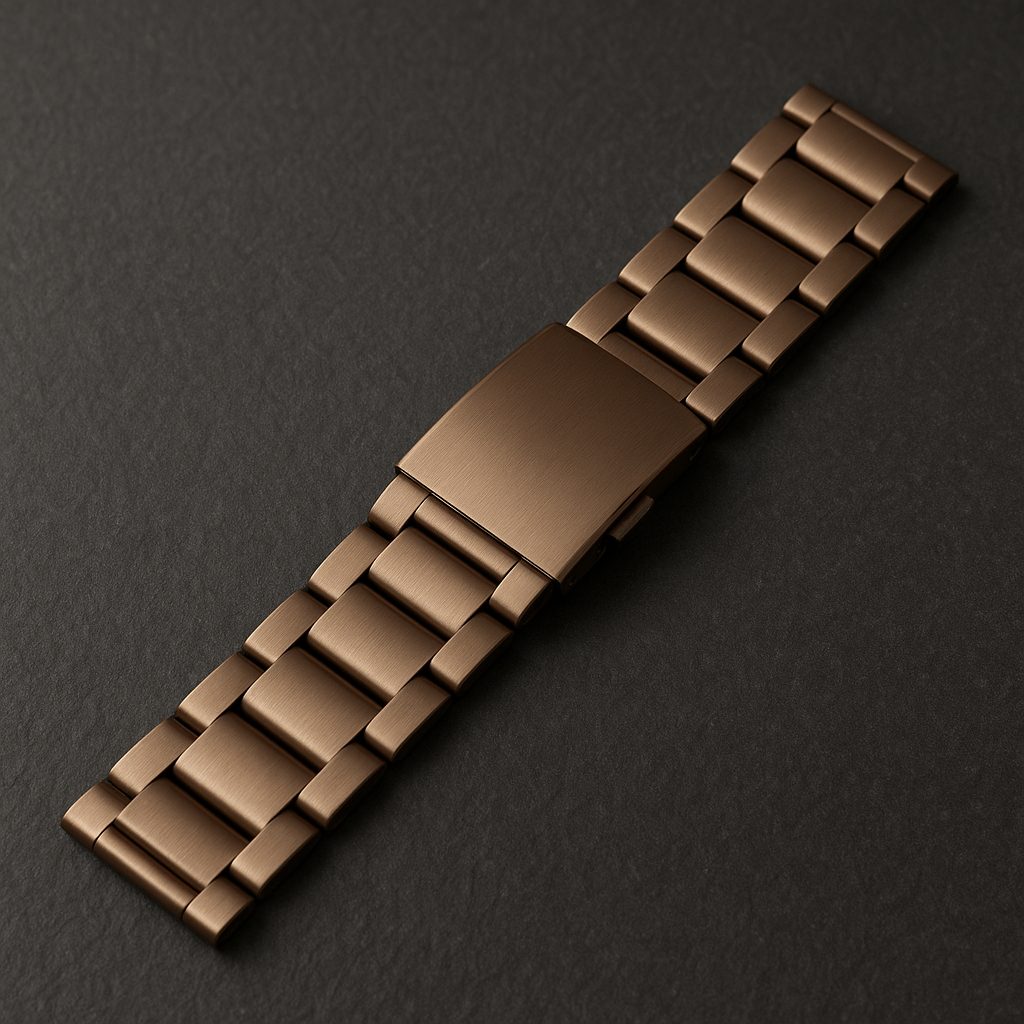
How to shorten a metal watch band at home
Adjusting the Fit of Your Metal Watch Band
Wearing a watch that fits well is essential for both comfort and functionality. A watch band that is too loose can shift around on your wrist, while one that is too tight can restrict movement and cause discomfort. Many people find themselves needing to shorten a metal watch band at home, whether it’s a new purchase or an old favorite. Fortunately, with the right tools and knowledge, this task can be accomplished easily.
Understanding Metal Watch Bands
Metal watch bands are popular for their durability and elegant appearance. The most common material used for these bands is stainless steel due to its corrosion resistance and strength. Metal bands often have removable links that allow for size adjustments. Understanding how these links work is the first step in successfully shortening your watch band.
Tools You Will Need
Before beginning the adjustment process, gather the necessary tools. Having the right equipment makes the task easier and helps prevent damage to the band:
- Pin pusher or small screwdriver: This tool helps to push out the pins that hold the links together.
- Jeweler’s hammer or rubber mallet: Used to gently tap the pin pusher if needed.
- Soft cloth or mat: To protect the watch and your workspace from scratches.
- Magnifying glass: Useful for inspecting small details, especially if your band has intricate links.
Steps to Shorten a Metal Watch Band
Follow these steps to successfully shorten your metal watch band:
1. Determine the Right Size
Before removing any links, put the watch on your wrist to assess how much you need to shorten it. A good rule of thumb is to ensure that the watch fits snugly but not too tight, allowing for a finger to fit comfortably between your wrist and the band.
2. Identify Removable Links
Examine your watch band to identify which links are removable. Most metal bands have small arrows on the inside of the links, indicating the direction in which pins can be pushed out. If there are no arrows, consult the manufacturer’s instructions or look for a similar band online.
3. Prepare Your Workspace
Lay a soft cloth or mat on your workspace to prevent scratches. This also helps keep any small parts from rolling away.
4. Remove the Pins
Using the pin pusher or small screwdriver, gently press on the pin in the direction indicated by the arrows. If the pin is stubborn, you may need to tap the pusher with a jeweler’s hammer. Be cautious not to apply too much force, as this can damage the band.
5. Take Out the Links
Once the pin is removed, carefully take out the link. If you need to remove more than one link, repeat this process for each link you want to remove.
6. Reinsert the Pins
After removing the desired number of links, reattach the band by reinserting the pins back into their respective holes. Ensure that the arrows face the correct direction when pushing the pins back in.
7. Test the Fit
Put the watch back on your wrist to check the fit. If it’s still too loose, you may need to repeat the process until you achieve the desired snugness.
Additional Tips
Here are some additional considerations to keep in mind:
- Take Your Time: Rushing through the process can lead to mistakes or damage to the watch band. Patience is key.
- Use Good Lighting: Bright lighting can help you see the small components of the band more clearly.
- Work in a Clean Space: A clutter-free environment reduces the chance of losing small links or pins.
- Practice Caution: If you feel uncomfortable performing the adjustment, consider seeking professional help.
Understanding Different Band Types
Metal bands are just one of the many types of watch bands available. Others include leather, fabric, and silicone. Each material has its own unique properties:
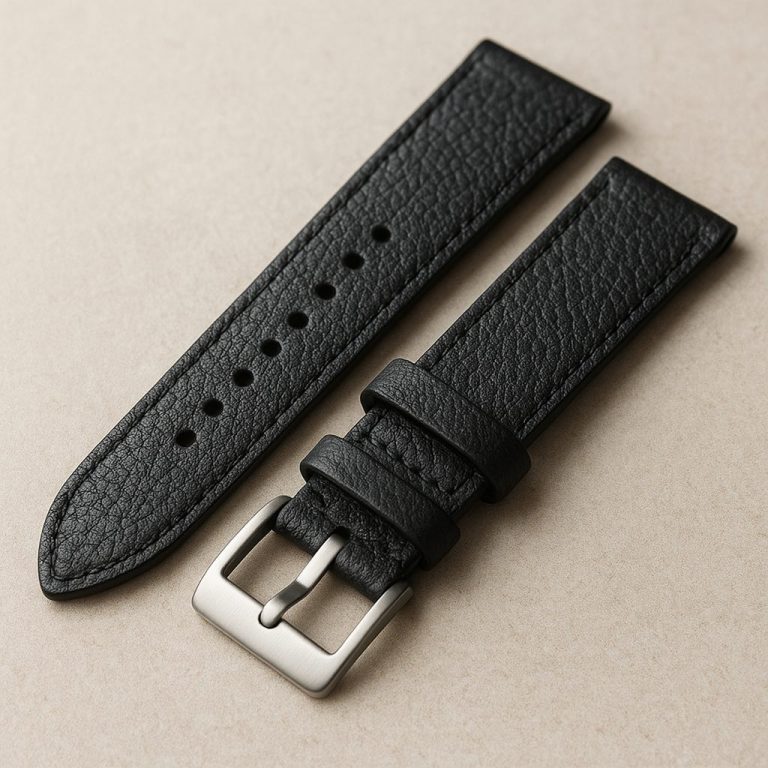
- Leather: Offers a classic look and comfortable fit, but may require special care to maintain its appearance.
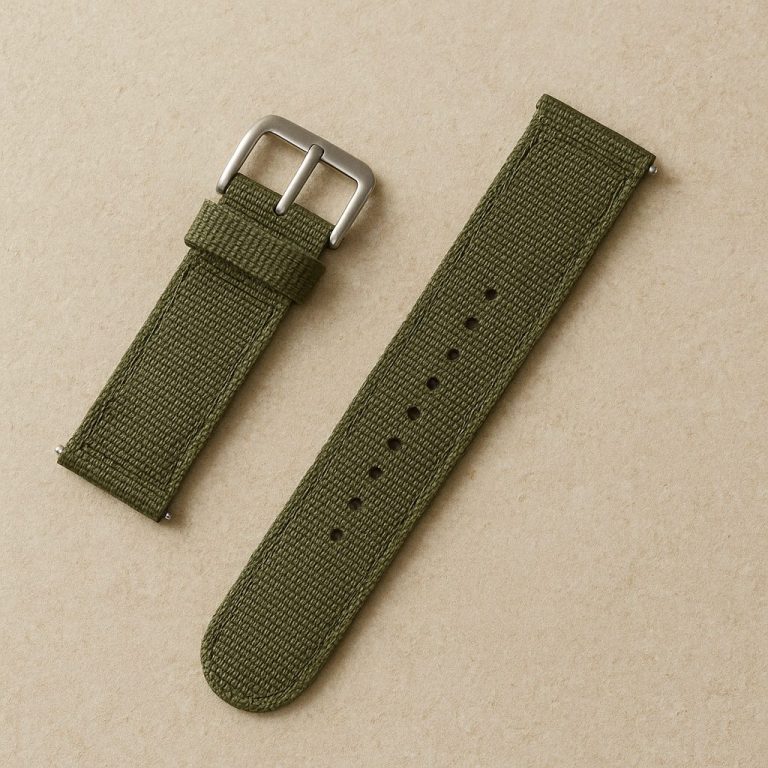
- Fabric: Most fabric bands are made from nylon or nylon blends, varying in weave density and elasticity. They are often lightweight and breathable, making them a good choice for casual wear.
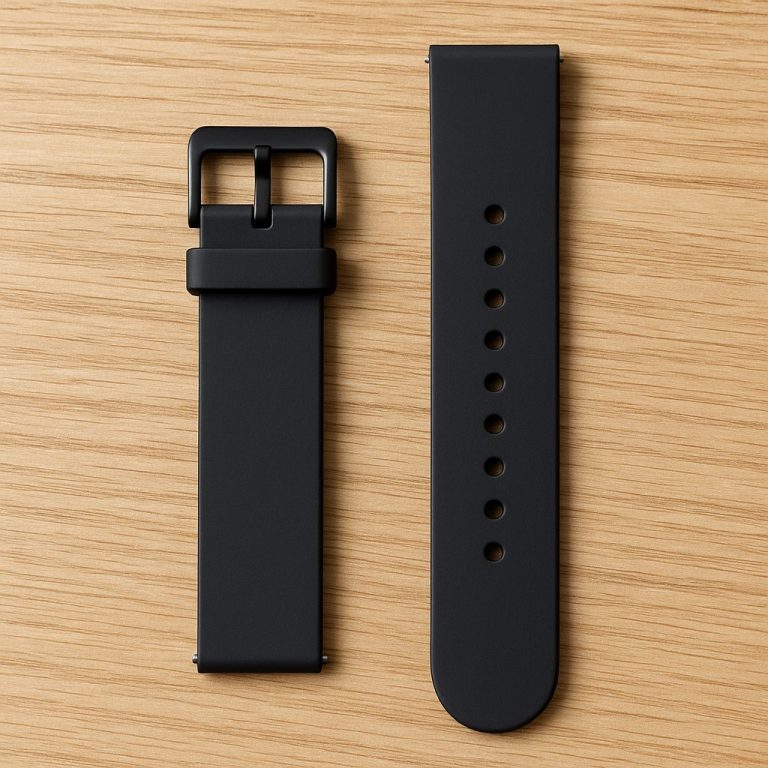
- Silicone: Known for its flexibility and water-resistant properties, silicone bands are ideal for sports and outdoor activities.
Final Consideration
Shortening a metal watch band at home is a manageable task with the right tools and approach. By following these steps, watch enthusiasts can ensure their timepiece fits securely and comfortably on their wrist. Whether you’re preparing for a special occasion or simply adjusting for daily wear, taking the time to modify your watch band enhances both the look and feel of your watch.