How watch band edge finishing affects long-term comfort on the wrist
Why the Edges of Watch Bands Matter for Everyday Comfort
Wearing a watch every day often reveals small details that make a big difference in comfort. One of the most overlooked factors is the way a watch band’s edges are finished. Whether you’re at a desk, exercising, or just going about your daily routine, the feel of the band’s edge against your skin can mean the difference between forgetting you’re wearing a watch and ending up with irritation or even minor injuries. This is especially true for those who wear their watches tightly or have sensitive skin.
How Edge Finishing Influences Comfort
The edge of a watch band is the part that comes into closest contact with the skin, especially along the side of the wrist. If the edge is rough, sharp, or unfinished, it can rub, dig in, or cause redness over time. Smooth, rounded, or carefully sealed edges are more likely to glide comfortably against the skin, even when the wrist flexes or swells during the day.
Common Edge Finishing Methods
Watch band edges can be finished in several ways, depending on the material and construction style. Each finishing method has a direct effect on how the band feels and wears over time:
- Beveling or Rounding: The edge is smoothed and rounded off, reducing sharpness and pressure points.
- Burnishing or Polishing: The edge is buffed or sealed, creating a smooth surface that resists fraying and feels soft to touch.
- Raw or Cut Edges: Sometimes the edge is left cut without additional finishing. This can be more common in lower-cost or mass-produced bands and may lead to discomfort.
- Edge Stitching: For some materials, stitching along the edge helps maintain the band’s shape and prevents separation, but the stitching itself can sometimes be felt against the skin if not done carefully.
- Edge Painting or Sealing: Especially for leather and certain fabrics, a painted or sealed edge can prevent moisture ingress and improve softness, but if the coating cracks or wears off, the edge may become rough.
Material Differences and Edge Comfort
How the edge is finished varies by band material, and each has unique considerations for long-term comfort:
| Material | Typical Edge Finishing | Comfort Implications |
|---|---|---|
| Metal | Polished, beveled, or brushed | Well-finished edges are smooth, but sharp links or poorly joined segments can pinch or irritate |
| Leather | Burnished, stitched, painted/sealed | Soft, rounded edges prevent chafing; raw or cracked sealing can become rough |
| Fabric (nylon blends) | Heat-sealed, stitched, folded | Properly sealed edges resist fraying; rough, unfinished edges may cause abrasion |
| Silicone | Molded, rounded, sometimes textured | Seamless, rounded edges are usually gentle; flashing or seams can cause minor irritation |
Metal Bands
Most metal watch bands are made from stainless steel, valued for its durability and resistance to corrosion. The comfort of a metal band depends heavily on the finishing of each link and the edges. Well-made metal bracelets feature rounded or beveled edges on each link, which help prevent the band from digging into the wrist. If the edges are too sharp or the links are not adequately polished, they can pinch the skin or catch arm hair. Over time, even a slight roughness in the edge can cause discomfort, especially during repetitive wrist movements or if the band is worn snugly.
Some metal bands have folded or pressed links, which can sometimes leave exposed edges or seams. These may feel rough against the wrist, particularly if the band shifts or flexes during use. A practical tip: regularly check metal bands for any developing burrs or sharpness, especially after accidental knocks or drops, as these can create new discomfort points.
Leather Bands
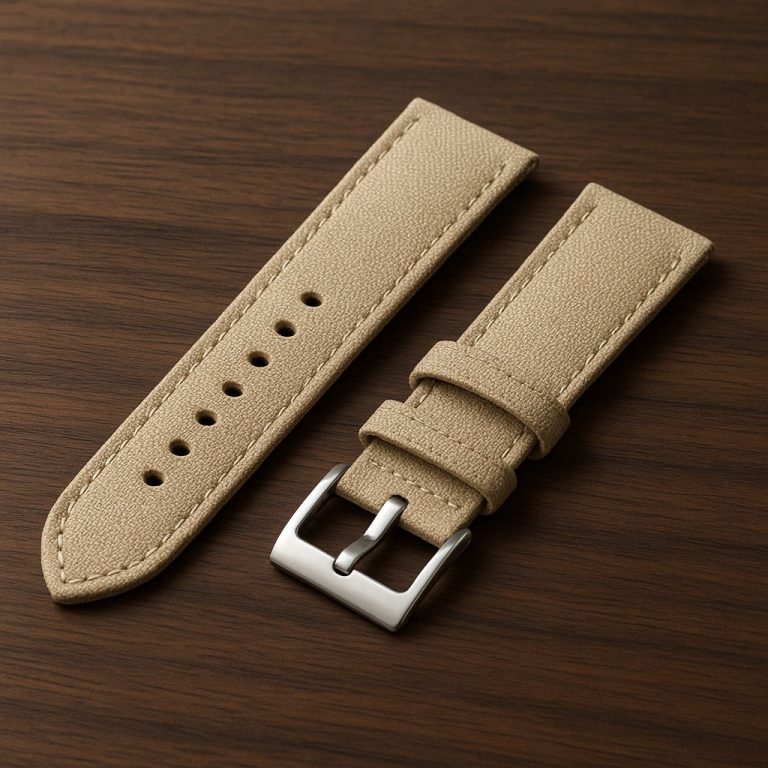
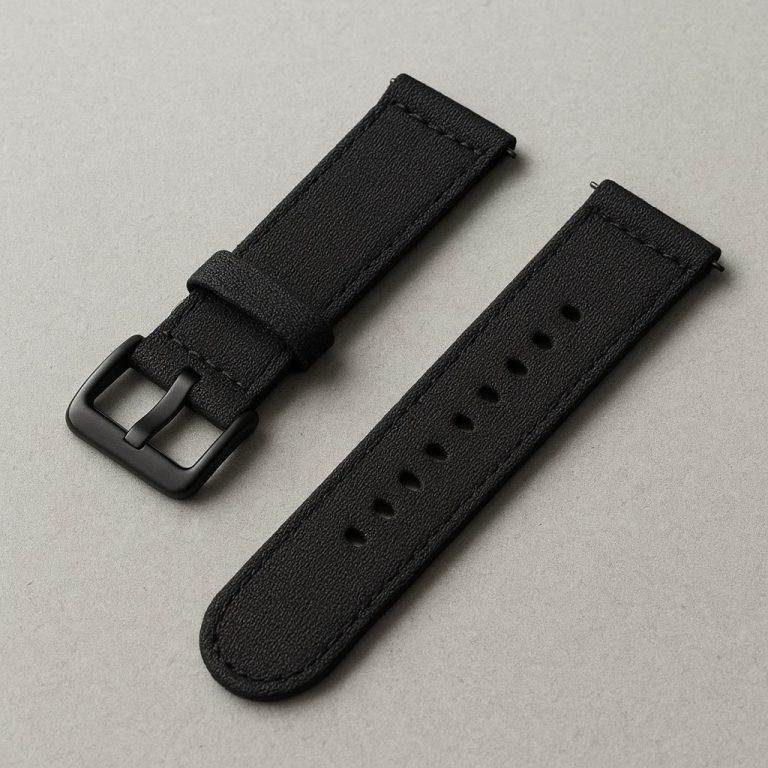
Leather bands are popular for their flexibility and classic appearance, but their edge finishing is critical for comfort. Quality leather bands typically have edges that are burnished (rubbed smooth), rounded, and sometimes sealed with a thin layer of color or protective coating. Some also feature edge stitching, which not only reinforces the band but can also prevent the layers from separating. If the stitching is prominent or the sealant wears away, the edge may become abrasive over time.
Unfinished or poorly finished leather edges, sometimes found on basic straps, can feel stiff or even sharp at first. As the band wears in, these edges may soften, but in some cases, they can cause ongoing irritation, especially in humid conditions or if sweat is absorbed into the leather. It’s beneficial to occasionally inspect a leather band for cracks or roughness along the edge, and condition it as needed to maintain softness.
Fabric Bands (Nylon and Blends)
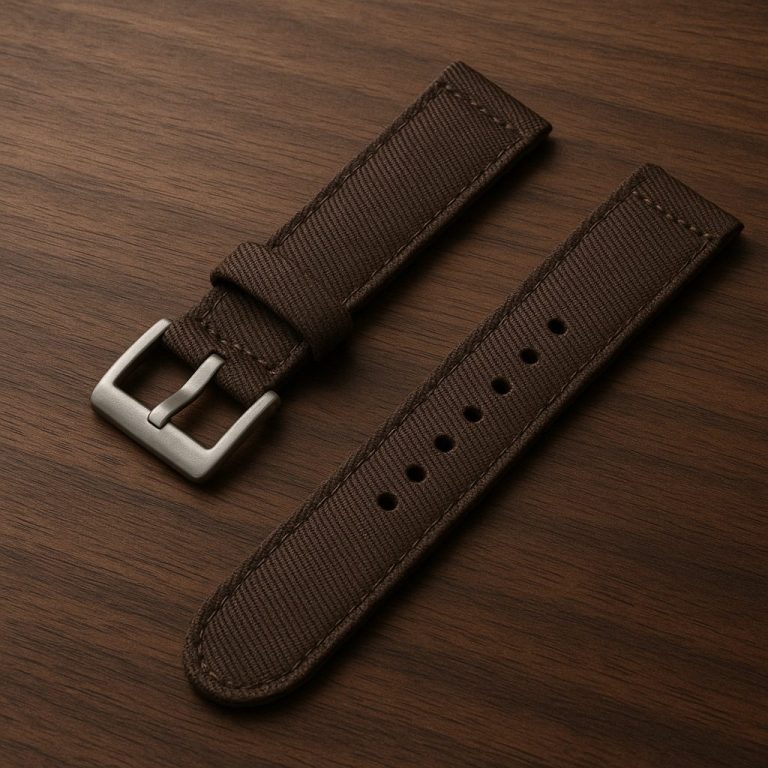
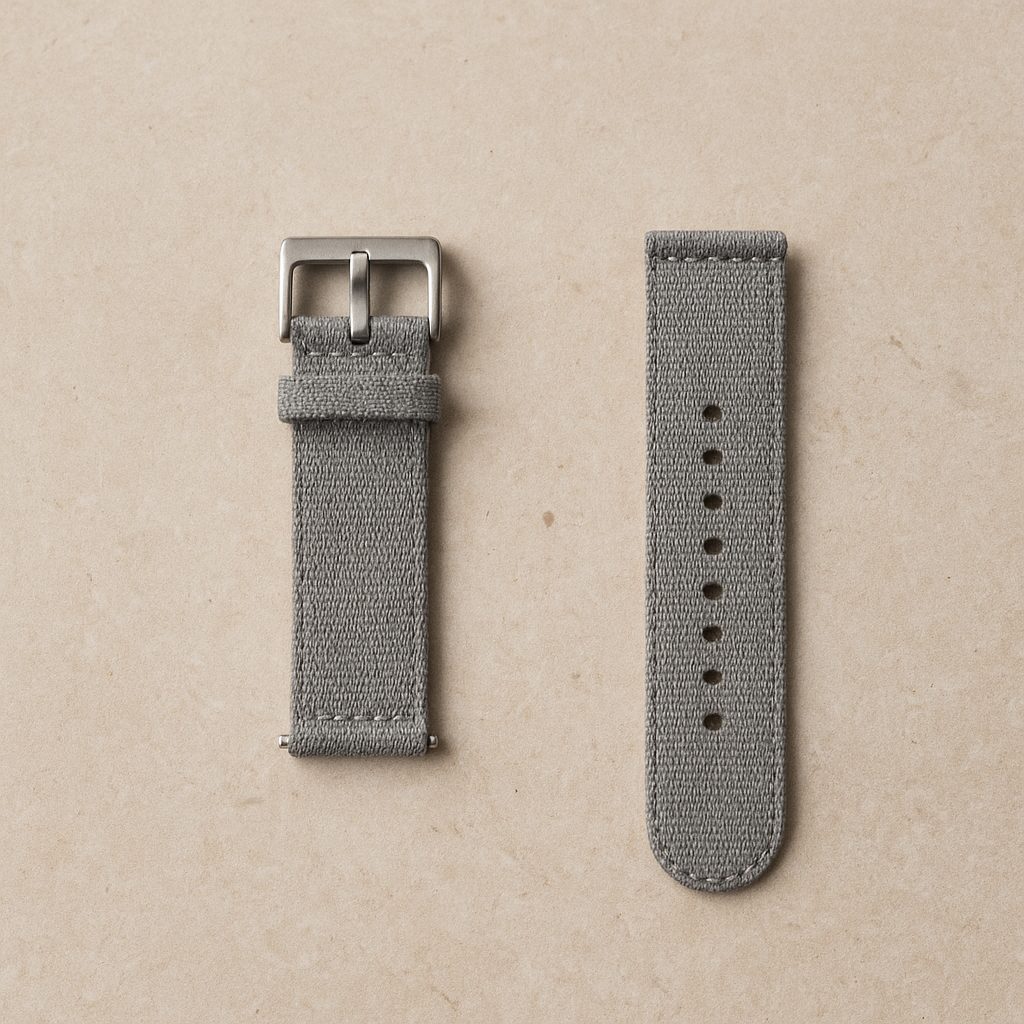
Fabric watch bands, most often made from nylon or nylon blends, are lightweight and breathable, making them a popular choice for active use. The comfort of these bands depends on factors like weave density, thickness, and the finishing of the edges. High-density, tightly woven bands may have firmer edges, while looser weaves tend to be softer and more flexible.
Edges of fabric bands are typically heat-sealed to prevent fraying, stitched to reinforce the structure, or folded back and sewn. If the heat sealing is uneven or the stitching is coarse, the edge can feel scratchy, especially if the band is worn tightly. Thicker or less elastic fabric bands may exacerbate this effect. Regular washing, especially after sports or outdoor use, can help keep fabric edges soft and reduce irritation from trapped debris or sweat.
Silicone Bands
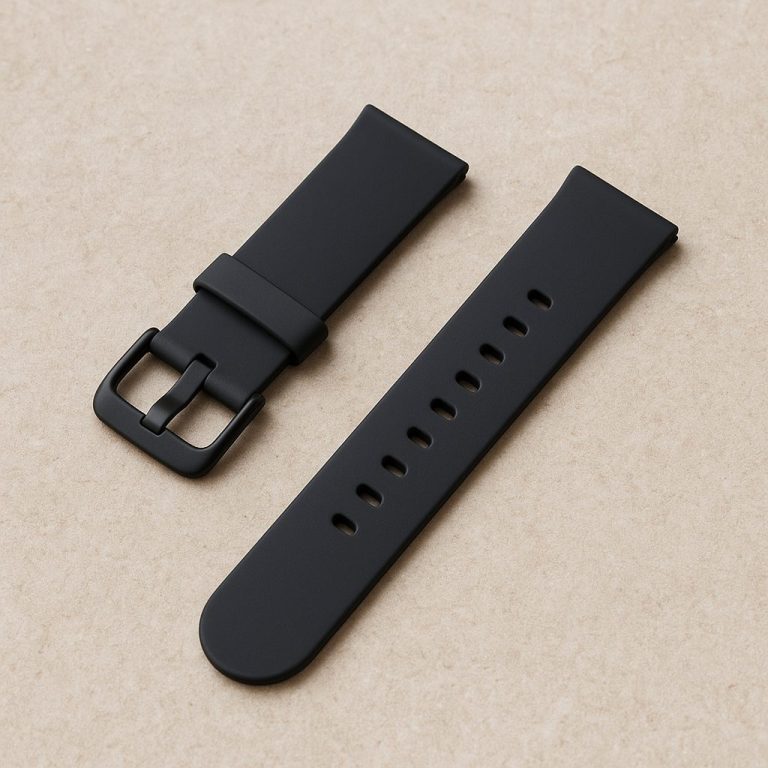
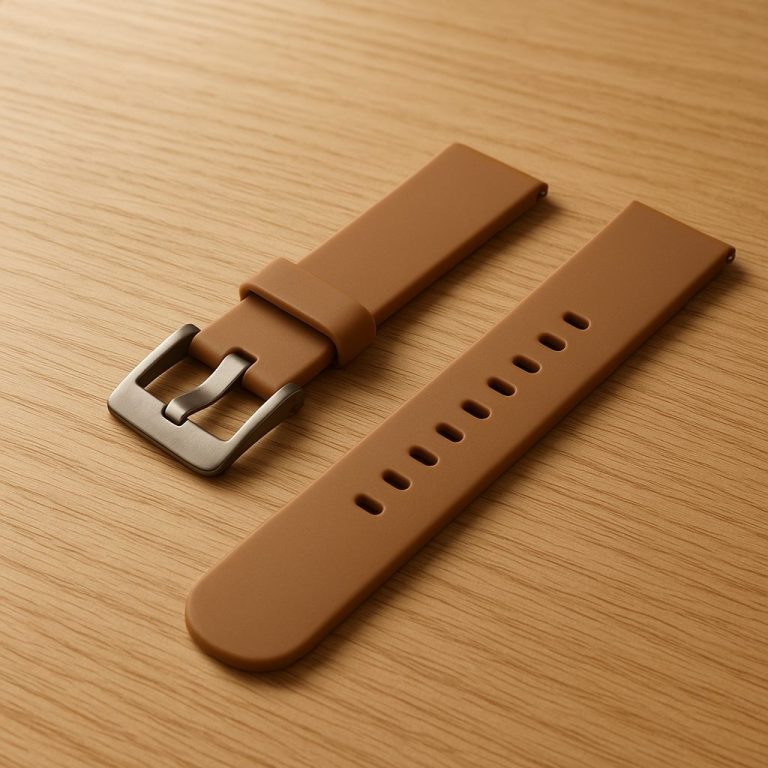
Silicone bands are molded with smooth, rounded edges that generally provide a gentle feel against the skin. The flexibility of silicone reduces pressure points, and the seamless design means there are usually no sharp transitions along the edge. However, in some cases, a thin seam (known as flashing) from the molding process may remain along the edge. If not properly trimmed, this can cause mild irritation, especially with repeated movement or moisture buildup between the band and skin.
Some silicone bands feature textured patterns or perforations for breathability, but the edges should remain smooth to avoid chafing. If redness or sensitivity develops where the band touches the skin, checking for residual seams and rinsing the band regularly can help maintain comfort.
Edge Comfort in Real Use: What to Watch For
The long-term comfort of a watch band is rarely a matter of initial fit alone. Edge finishing plays a continual role as the band flexes, shifts, and moves with the wrist throughout the day. Factors that can affect how comfortable an edge feels include:
- How tightly the band is worn: Tighter bands press the edge more firmly against the skin, amplifying any roughness.
- Activity level: Repetitive wrist movement or sweat can increase friction between the edge and skin.
- Personal skin sensitivity: Those with sensitive skin may notice discomfort from edges that others find acceptable.
- Environmental conditions: Heat, humidity, and moisture can soften some materials but make others (like unfinished leather or fabric) more prone to irritation.
For those who experience redness or soreness under the edge of a watch band, switching to a band with better edge finishing or adjusting the fit can provide noticeable relief. Sometimes, a simple solution like rotating the band position or adding a fabric sleeve can reduce pressure from rough edges.
Key Takeaway: Prioritize Smooth, Well-Finished Edges for Lasting Comfort
The way a watch band’s edge is finished directly affects how comfortable it feels throughout the day, especially during prolonged wear. Bands with rounded, smoothed, or sealed edges are less likely to cause irritation, pressure points, or skin issues over time. Paying attention to this detail, regardless of band material, leads to a more pleasant wearing experience and helps avoid common wrist discomfort associated with rough or unfinished edges.