What to consider when switching between multiple watch bands frequently
Frequent Watch Band Changes: Practical Factors to Keep in Mind
Switching between different watch bands can help match a watch to various outfits, activities, or comfort needs. Many people enjoy the versatility this brings, but changing bands often comes with its own set of considerations. Even a simple band swap can involve small details that affect the watch’s longevity, appearance, and ease of use. Here are the key aspects to keep in mind when frequently exchanging watch bands.
Compatibility with the Watch Case
The first step before changing bands is to understand how your watch connects to its band. Most watches use lugs—the small protruding arms on either side of the case—to hold the band. These lugs accommodate a specific width, so it’s important that any replacement band matches this measurement. For instance, if the lugs on your watch are 20mm apart, only bands made for that width will fit securely.
Attachment mechanisms also matter. Many watches use spring bars, which are tiny spring-loaded metal rods that secure the band between the lugs. Some modern bands use quick-release pins, allowing for tool-free removal and installation. Before changing bands, check which mechanism your watch and bands use, as this affects both the ease and frequency of changes.
Table: Watch Band Attachment Features
| Component | Description | Impact on Switching Bands |
|---|---|---|
| Lugs | Protrusions on the watch case; determine band width | Bands must match lug width for secure fit |
| Spring Bars | Small rods holding the band in place | Require a tool for removal; more time-consuming |
| Quick-Release Pins | Integrated levers on the band end | Allow for tool-free, faster band changes |
Material Considerations for Frequent Changes
The type of band you are switching to and from can influence both the watch’s comfort and longevity. Here’s what to know about the most common materials:
Metal Bands
Metal bands, often made from stainless steel for its durability and resistance to corrosion, may require a bit more attention during changes. Their solid construction can scratch the lugs or case if not handled carefully. Links and clasps can also wear over time, especially if they are repeatedly opened and closed. When switching to or from a metal bracelet, use a soft surface to avoid accidental scratches, and ensure all pins and clasps are securely fastened before wearing.
Leather Bands
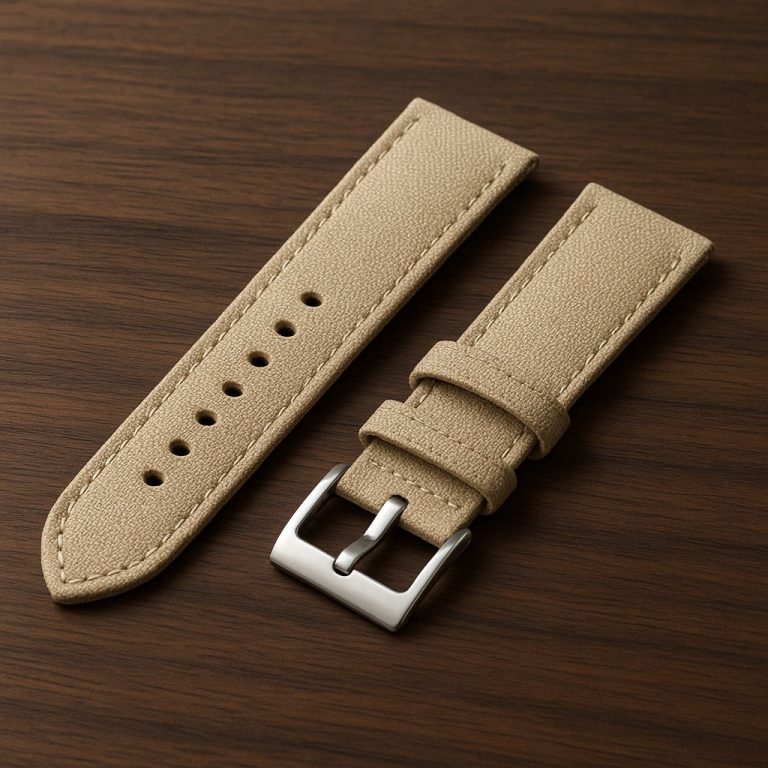
Leather offers a classic look and can be comfortable, but frequent removal and reattachment may cause the holes and edges to wear out faster. Repeated bending at the points where the band attaches to the lugs can weaken leather over time. If switching in and out of leather bands often, consider periodically conditioning the leather to keep it supple and check for signs of cracking or stretching around the attachment point.
Fabric Bands
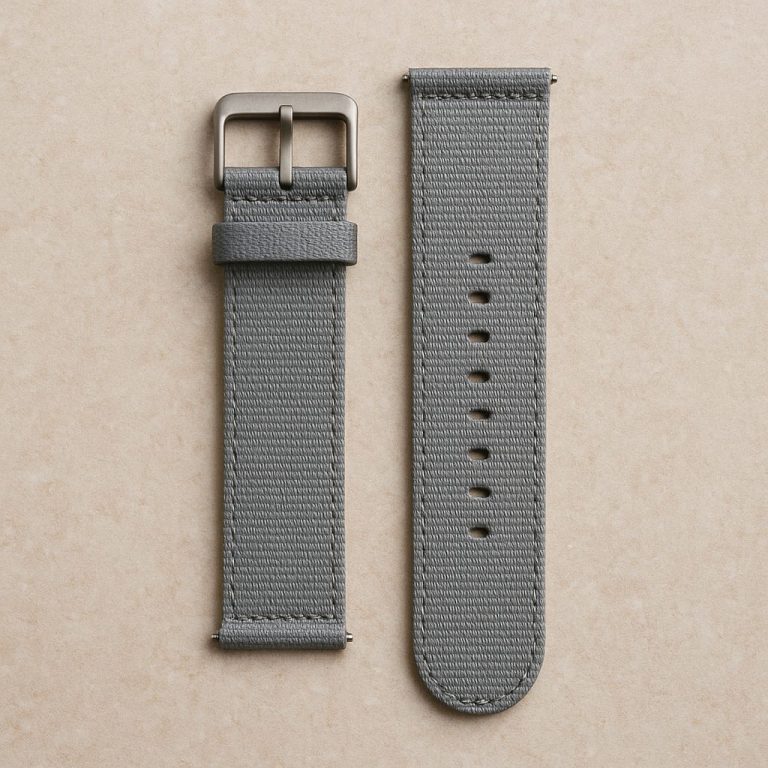
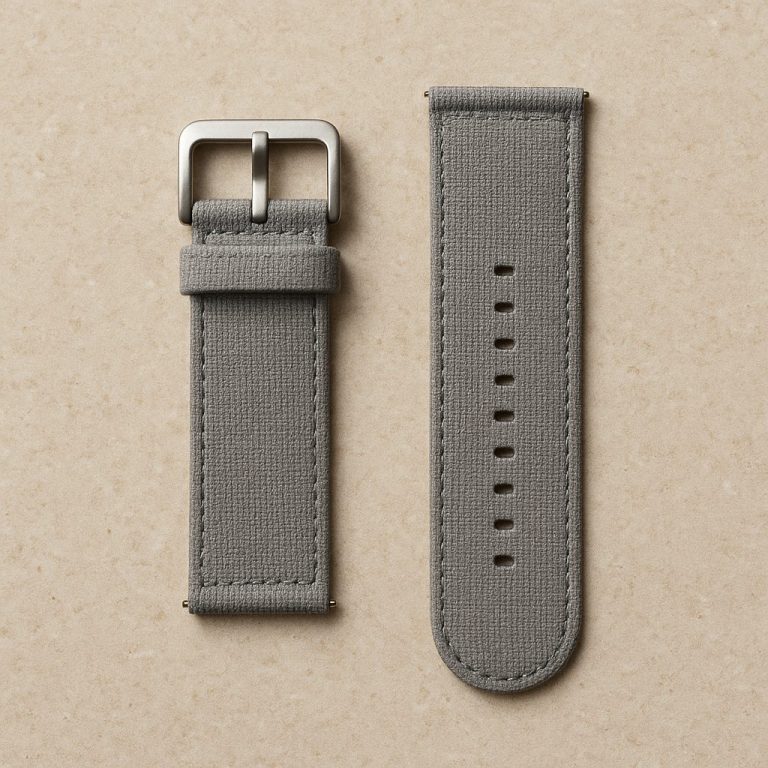
Most fabric watch bands are made from nylon or blends that offer durability and flexibility. Variations in weave density, thickness, and texture can affect how easily a band can be threaded through lugs or fastened. Some woven nylon straps are more elastic, while thicker or tighter weaves may be stiffer but more durable. When frequently changing fabric bands, watch for fraying at the ends or where the band passes through the hardware. Ensure that the texture does not snag on the lugs or pins during installation.
Silicone Bands
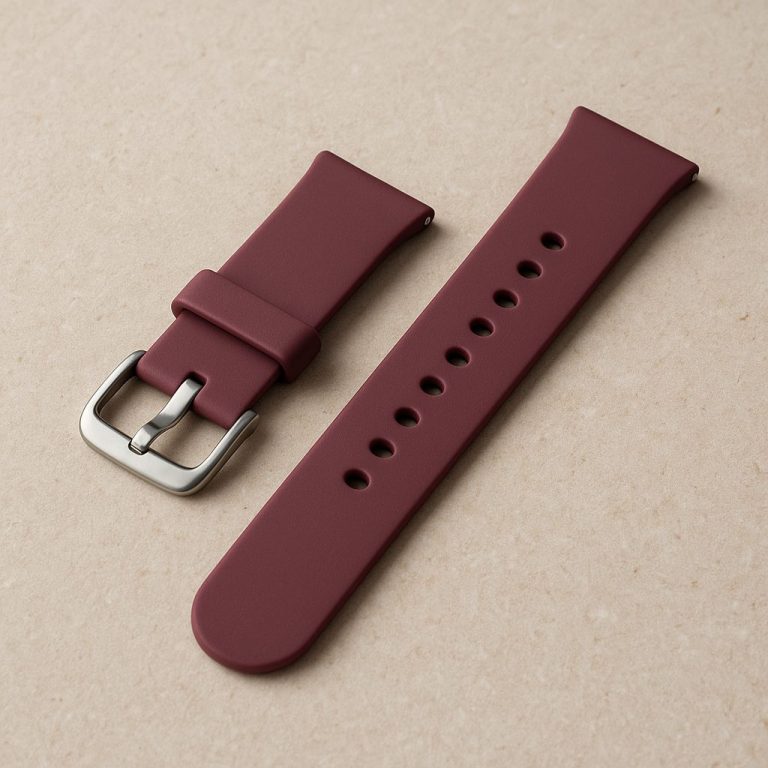
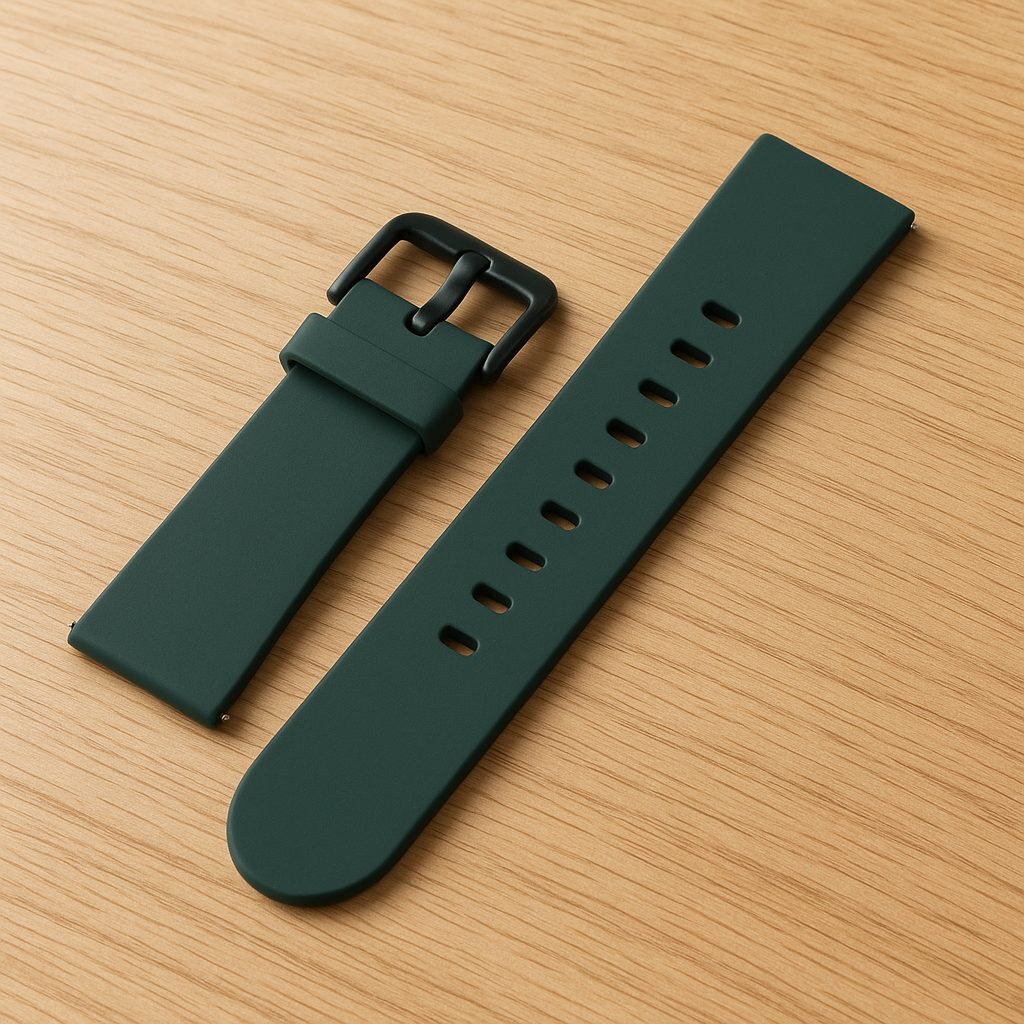
Silicone bands are favored for sport and casual wear because of their flexibility and water resistance. They generally tolerate frequent removal well, but the ends of the band can sometimes deform if constantly stretched or pulled. When switching silicone bands, avoid excessive twisting or force to preserve the band’s original shape and attachment holes.
Wear and Tear on Attachment Mechanisms
While bands themselves show signs of use, the small components that hold them to the watch case can also wear out with frequent changes. Spring bars are especially prone to losing their tension or even bending if repeatedly compressed. Quick-release pins, while convenient, can become loose or fail if not properly maintained. It’s a good idea to periodically inspect these components for signs of fatigue or damage—replacing a worn spring bar is a quick fix that prevents accidental drops or loss of the watch.
Maintaining Security and Safety
Each time a band is changed, it’s important to double-check the fit and security. Improperly seated spring bars or pins can lead to the band detaching unexpectedly. After attaching a new band, gently pull on it to confirm that it is fully engaged in the watch lugs. For metal bracelets, ensure the clasp closes with a solid click. With fabric or silicone bands, verify that any loops or keepers are in place and that the end of the band is secure.
Keeping Tools and Workspace Ready
Frequent changes go more smoothly with the right setup. If your watch uses spring bars, a small, dedicated tool makes removal and installation much easier and reduces the risk of scratching the case. Working over a soft pad or towel helps prevent accidental drops or nicks. Keeping spare spring bars or pins on hand can save time if one is lost or damaged during a band swap.
Comfort and Fit Adjustments
Each material and style has its own implications for fit. Metal bracelets often come in specific link lengths and may need adjustment to sit comfortably after a change. Leather and silicone bands may stretch or conform to the wrist over time, but initially might feel stiff or too snug. When switching between bands, take a moment to adjust the fit as needed, especially if alternating between bulky and slim styles. This helps avoid discomfort or skin irritation, especially if you wear your watch for extended periods.
Practical Outcome for Frequent Band Swappers
Switching watch bands often can add versatility and enjoyment to wearing a watch, but it requires a bit of attention to detail. Matching the band width to the lugs, understanding the attachment mechanism, and monitoring for wear are all part of the process. Regular inspection of both the bands and the attachment components, along with gentle handling, helps maintain the watch’s appearance and security—allowing for smooth transitions between different styles and materials.