What to consider when wearing a watch band while frequently driving
How Driving Habits Affect Watch Band Comfort and Function
Long periods behind the wheel can draw attention to how a watch band interacts with your wrist, especially when gripping a steering wheel or shifting gears. Drivers may notice pressure points, skin irritation, or even marks on their skin after extended drives. Sometimes, a band that feels comfortable during daily activities becomes distracting or uncomfortable once hands remain in the driving position for prolonged stretches. Several factors related to watch band choice, fit, and attachment come into play when wearing a watch during frequent driving.
Contact Points Between Watch Band and Steering Wheel
While driving, the underside of the wrist often rests or moves against the steering wheel. This repeated contact can create friction, particularly if the band is bulky, has pronounced edges, or features a clasp that protrudes. Watch bands with large buckles or rigid metal clasps may press against the skin or steering wheel rim, causing discomfort during even short commutes. In contrast, flatter closure systems or bands that sit flush with the wrist may reduce such pressure points.
Band Thickness and Profile
Thicker bands, whether made of metal, leather, or fabric, can be less forgiving when the wrist is flexed or pressed against a hard surface for extended periods. A high-profile clasp can dig into the underside of your wrist during driving, especially if your hand position is close to the top or bottom of the wheel. Some drivers prefer thinner straps or ones with low-profile buckles to avoid this issue.
Material-Specific Considerations During Driving
The way different materials respond to heat, sweat, and friction can significantly affect comfort during frequent driving. Each material presents unique factors to consider:
| Band Material | Potential Issues While Driving | Notable Features |
|---|---|---|
| Metal (Stainless Steel) | May feel cold or hot depending on cabin temperature; can pinch skin or catch arm hair; heavier weight | Durable, corrosion-resistant, often uses folding clasps |
| Leather | Absorbs sweat, may become slippery or develop odor; can stiffen or crease at frequent flex points | Molds to wrist over time, but sensitive to moisture |
| Fabric (usually nylon blends) | May retain sweat; rough weaves can cause skin irritation with friction; lighter overall | Varied weave tightness and thickness; often dries quickly |
| Silicone | Can trap moisture and heat; may cause skin to sweat under the band | Flexible, easy to clean, generally hypoallergenic |
Metal Bands During Driving
Stainless steel is the most common metal used for watch bands because it resists rust and handles daily wear. However, metal links or mesh can sometimes pinch skin or pull hair, especially if the band shifts while your wrist moves on the wheel. Heavier bands may also be more noticeable during long drives. Some drivers find that folding clasps or deployment buckles create a pressure point on the underside of the wrist, particularly if the clasp is thick or positioned near the base of the hand.
Leather Bands and Heat
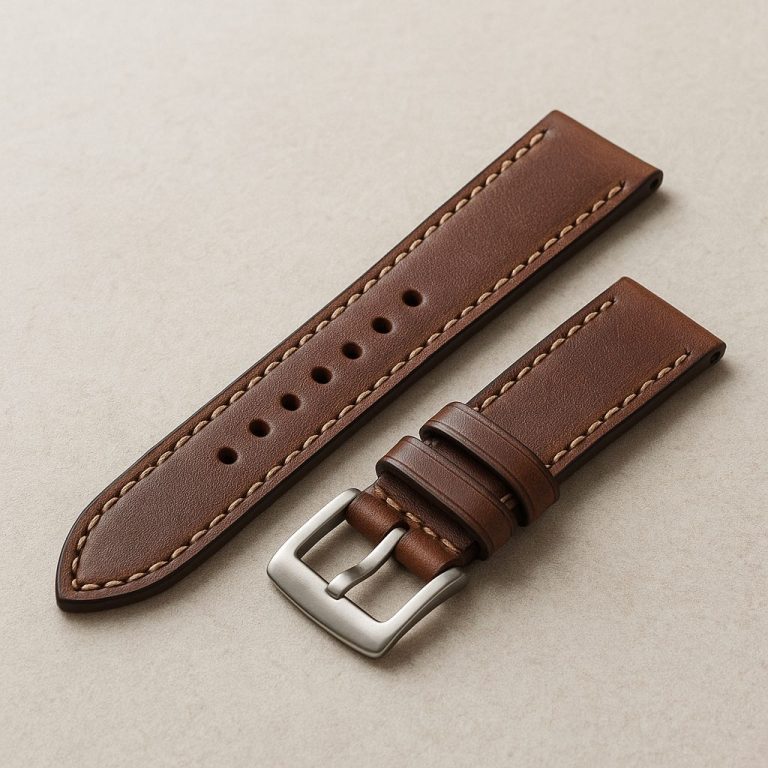
Leather bands offer a classic look and tend to mold to the wearer’s wrist over time. During driving, however, leather can absorb perspiration, especially in warm weather or if the vehicle’s air conditioning is limited. Over time, this absorbed moisture may lead to odors or cause the band to stiffen, which can further increase discomfort. Frequent flexing at the point where the wrist bends may also cause creasing or premature wear.
Fabric Bands and Friction
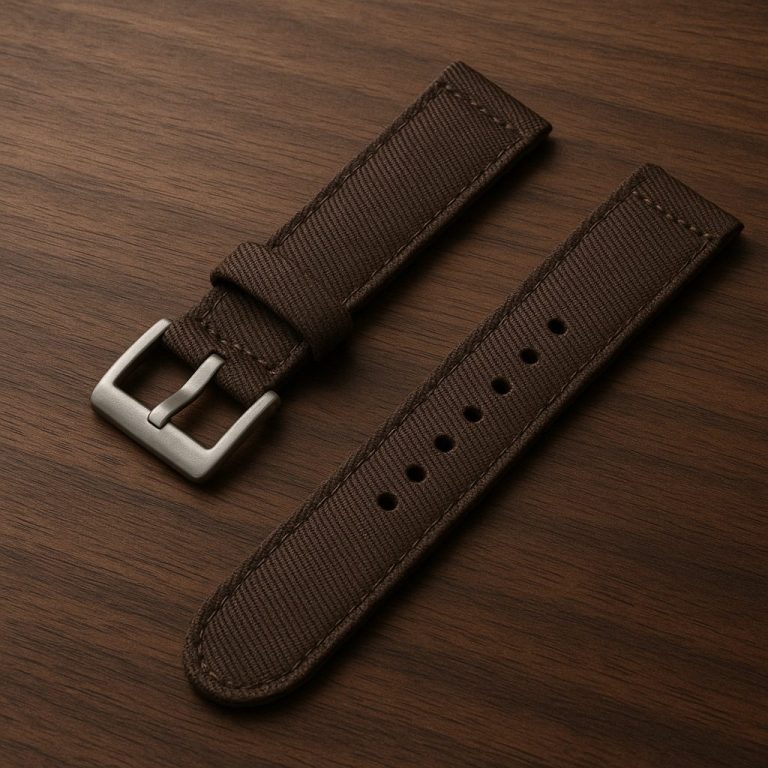
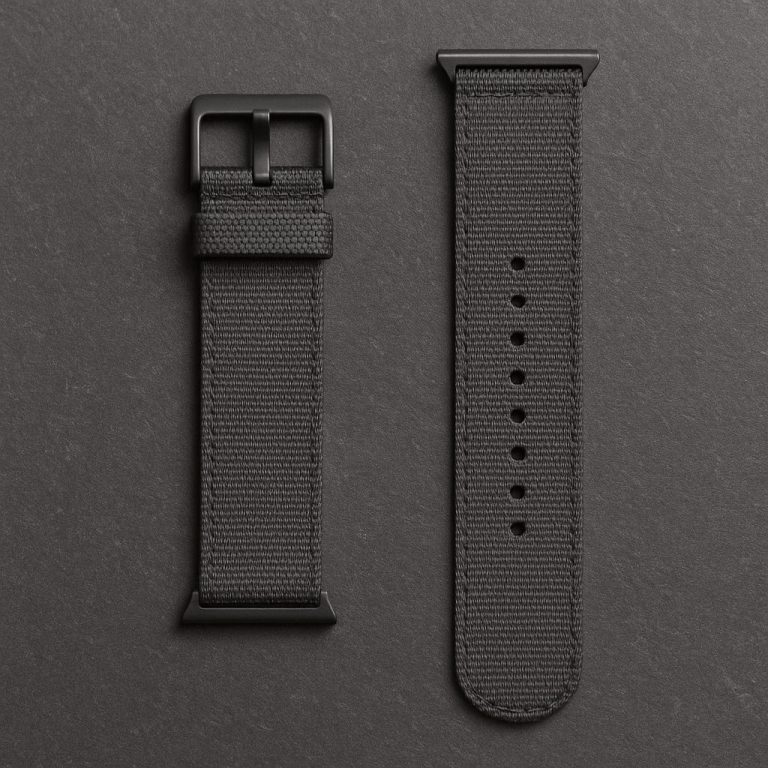
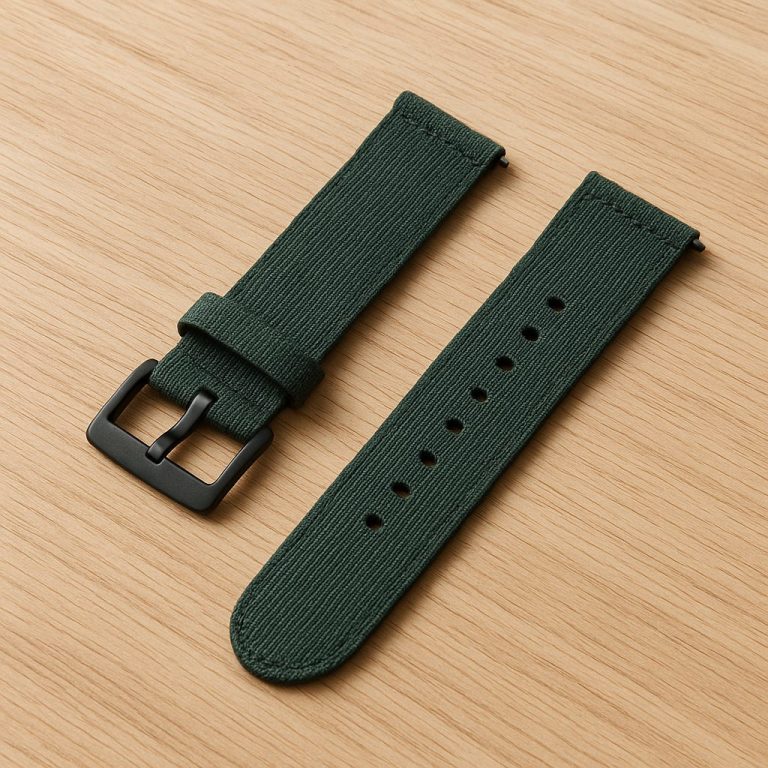
Most fabric bands are constructed from nylon or nylon blends, and their weave density and thickness can vary. A tightly woven, smooth nylon band may glide easily against the skin, whereas a coarser or thicker fabric can create friction, especially during repetitive movements like steering. Some fabric bands are designed to stretch, which can help with comfort, but they may also retain sweat more than smoother materials.
Silicone Bands and Skin Contact
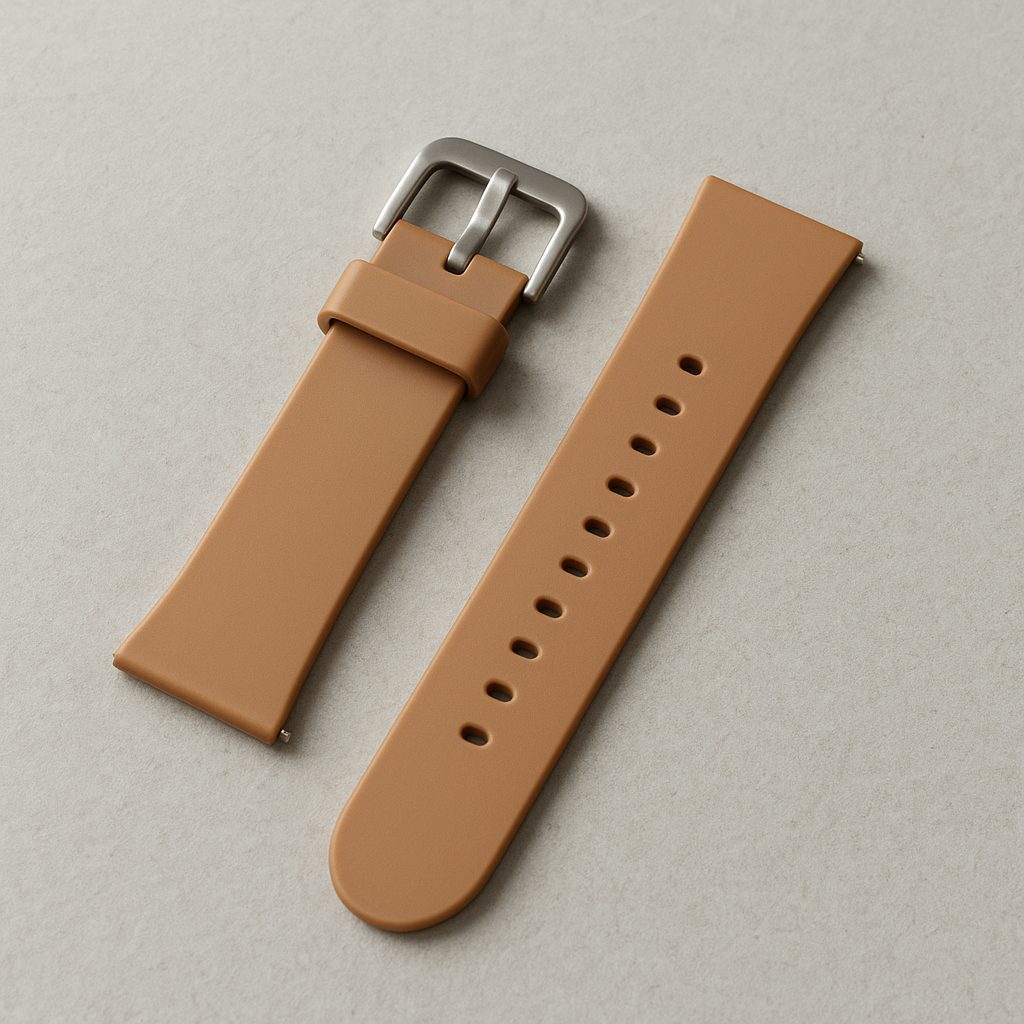
Silicone bands are popular for their flexibility and resistance to moisture. While they are easy to clean, silicone can sometimes trap heat and sweat against the skin when worn for extended periods. This can be more noticeable during long drives, especially in warmer environments. The soft material may also grip the skin, causing the band to shift less freely as the wrist turns, which can lead to minor irritation for some individuals.
Watch Band Attachment and Security While Driving
Vibration from the road, sudden hand movements, or adjustments to your watch can test the security of your band’s connection to the watch case. The key components involved are the lugs (which are part of the watch case) and the attachment mechanism, such as spring bars or quick-release pins. If the attachment is not secure, a band could detach unexpectedly during a sharp turn or while readjusting your grip.
Spring bars are small rods that connect the band to the lugs. They are generally reliable, but if worn or improperly seated, they might fail under pressure. Quick-release pins offer easier changes between bands but must be fully engaged to remain safe. It’s a good idea to check the tightness and security of these connections before long drives, especially if you frequently change watch bands.
Adjusting Band Fit for Driving
Wrist size can fluctuate throughout the day due to temperature and activity. During driving, hands often stay in one position for long periods, and swelling can lead to increased pressure from the watch band. Some bands, like those made from fabric with adjustable hook-and-loop closures or certain silicone designs, allow for quick micro-adjustments. Metal bands with removable links or clasp-based micro-adjustments offer less immediate flexibility but can be adjusted as needed between drives.
Adjusting the band for a slightly looser fit prior to a long drive may help avoid discomfort. However, a band that is too loose may allow the watch to rotate excessively, causing it to knock against the wrist or steering wheel, which can become distracting.
Special Considerations for Manual Transmission and Frequent Gear Shifting
For drivers who operate manual transmissions, the hand and wrist movements become more dynamic. Shifting gears involves repeated wrist flexion and rotation, which can place extra pressure on the watch band—especially if the closure is bulky or if the band material is stiff. Slimmer, more flexible bands with smooth closures tend to interfere less with gear shifting and are less likely to catch on clothing or interior surfaces.
Practical Steps for Comfortable Watch Wearing While Driving
- Choose a band material and closure style that minimizes pressure points on the underside of the wrist.
- Check the security of spring bars or quick-release pins regularly, especially after changing bands.
- Adjust strap tightness to account for potential wrist swelling during long drives.
- Consider the thickness and profile of both the band and its clasp, especially if you rest your wrist at the bottom of the steering wheel.
- Keep an eye on signs of skin irritation or marks; these may signal the need for a change in band style or fit.
Optimizing Watch Band Choice for Frequent Drivers
Frequent driving highlights certain challenges for watch wearers, especially regarding comfort, band material, and attachment security. By paying attention to how a watch band feels during hand movements and long periods at the wheel, drivers can make adjustments that reduce irritation and distraction. A small change in band style or fit often makes a noticeable difference in everyday driving comfort.