Can a watch band cause skin marks or indentations on the wrist?
Why Watch Bands Leave Marks or Indentations on the Wrist
After wearing a watch for several hours, some people notice temporary marks or indentations on their skin where the band rests. These marks can range from faint impressions to deeper grooves, and may sometimes be accompanied by mild redness or discomfort. This situation often raises questions about whether it’s normal, what causes these marks, and if there’s any reason for concern.
How Pressure and Fit Cause Skin Indentations
The most common reason a watch band leaves marks is the pressure it applies to the skin and underlying tissue. When a band is worn tightly, it presses the watch and band material against the wrist, compressing soft tissue. Over time, this pressure can leave a visible outline, especially if the wearer moves their wrist frequently or if the band is worn for long periods.
Even when a band is not overly tight, certain band designs or materials can cause minor indentations simply because they do not flex or distribute pressure evenly. For example, a rigid metal bracelet or a thick leather strap can create more pronounced marks than a flexible fabric or silicone band, especially if the wearer’s wrist swells slightly during the day.
Factors That Influence Skin Marks
Several factors can affect how noticeable these marks become:
- Tightness: Wearing the band too tightly increases pressure and the likelihood of deeper marks.
- Material: The rigidity, elasticity, and texture of the band material play a significant role.
- Wrist Shape: Flat or bony wrists may show marks more quickly than wrists with more soft tissue.
- Duration: Longer wear increases the chance of noticeable indentations.
- Movement: Repeated wrist movement can cause friction or shifting, which may deepen marks.
Material Differences: Why Some Bands Mark More Than Others
The type of material used for the watch band can make a significant difference in how the skin reacts.
| Band Material | Typical Skin Mark Features | Common Causes |
|---|---|---|
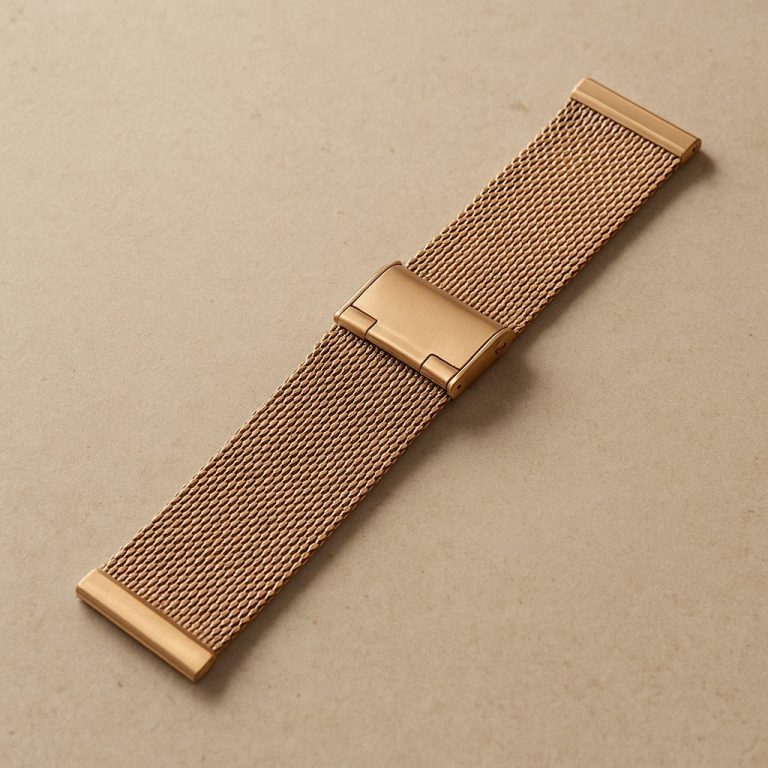
| Metal (mainly stainless steel) | Distinct, often patterned impressions; sometimes lines from links | Rigid structure; less flex; heavier weight |
| Leather | Broader, smooth indentations; may show buckle shape | Low elasticity; moderate flexibility; absorbs sweat |
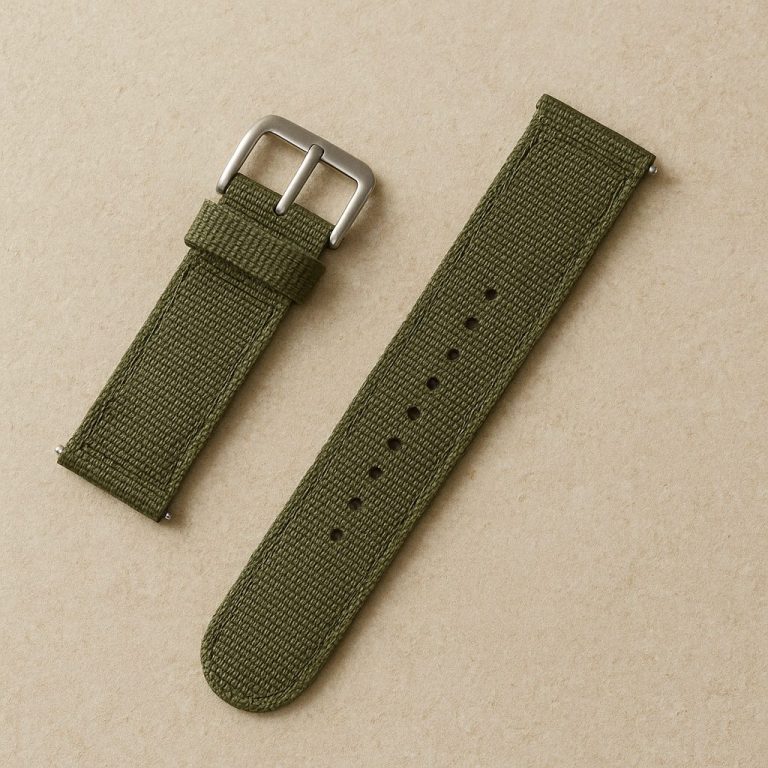
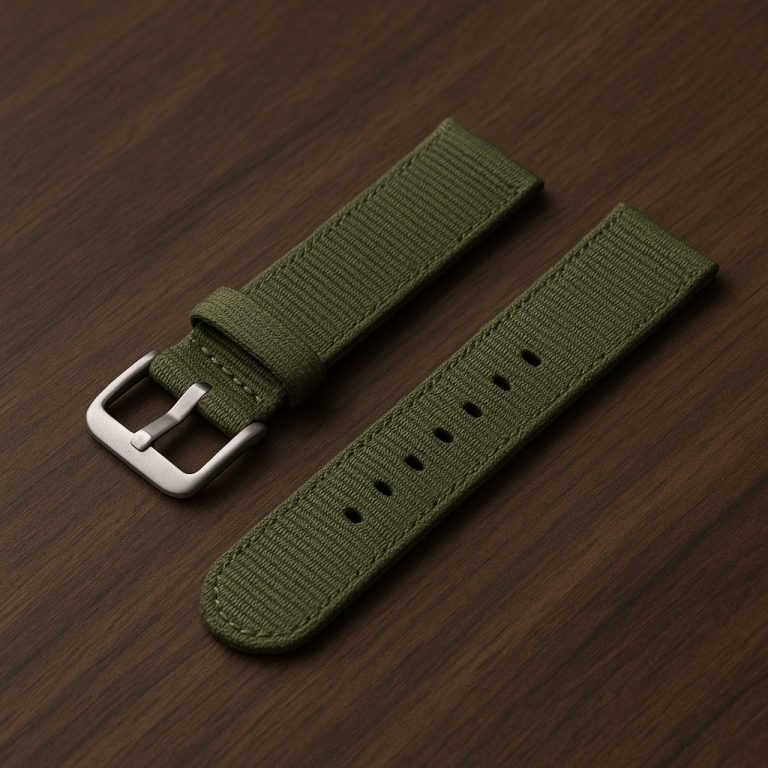
| Fabric (usually nylon or blends) | Fine lines or mesh-like patterns; less pronounced marks | Varies with weave density, thickness, and elasticity |
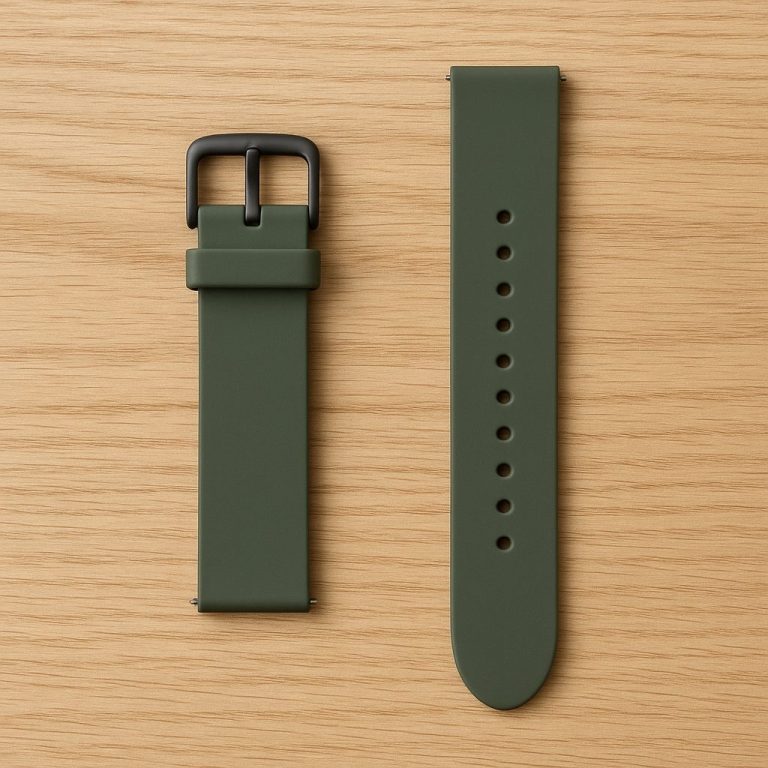
| Silicone or rubber | Soft, shallow impressions; possible moisture buildup | High flexibility; may stick to skin if damp |
Metal Bands: Structured but Less Forgiving
Most metal watch bands are made from stainless steel, valued for its durability and resistance to corrosion. Metal bracelets often consist of multiple interlocking links, which can press into the skin and leave patterned lines or small rectangles. Because metal does not stretch, a snug fit can amplify these effects, especially if wrist size changes through the day due to temperature or activity. A small adjustment can help: if your metal bracelet has removable links or a micro-adjustment clasp, try loosening it slightly if you notice persistent marks.
Leather Straps: Comfort with Some Compression
Leather bands offer flexibility and comfort, but they do not stretch much and can become rigid over time. A leather strap worn tightly may leave a wide, smooth indentation or a visible outline of the buckle. Sweat can soften leather, allowing it to mold more closely to the wrist and potentially increase marking during hot weather.
Fabric Bands: Variability in Marking
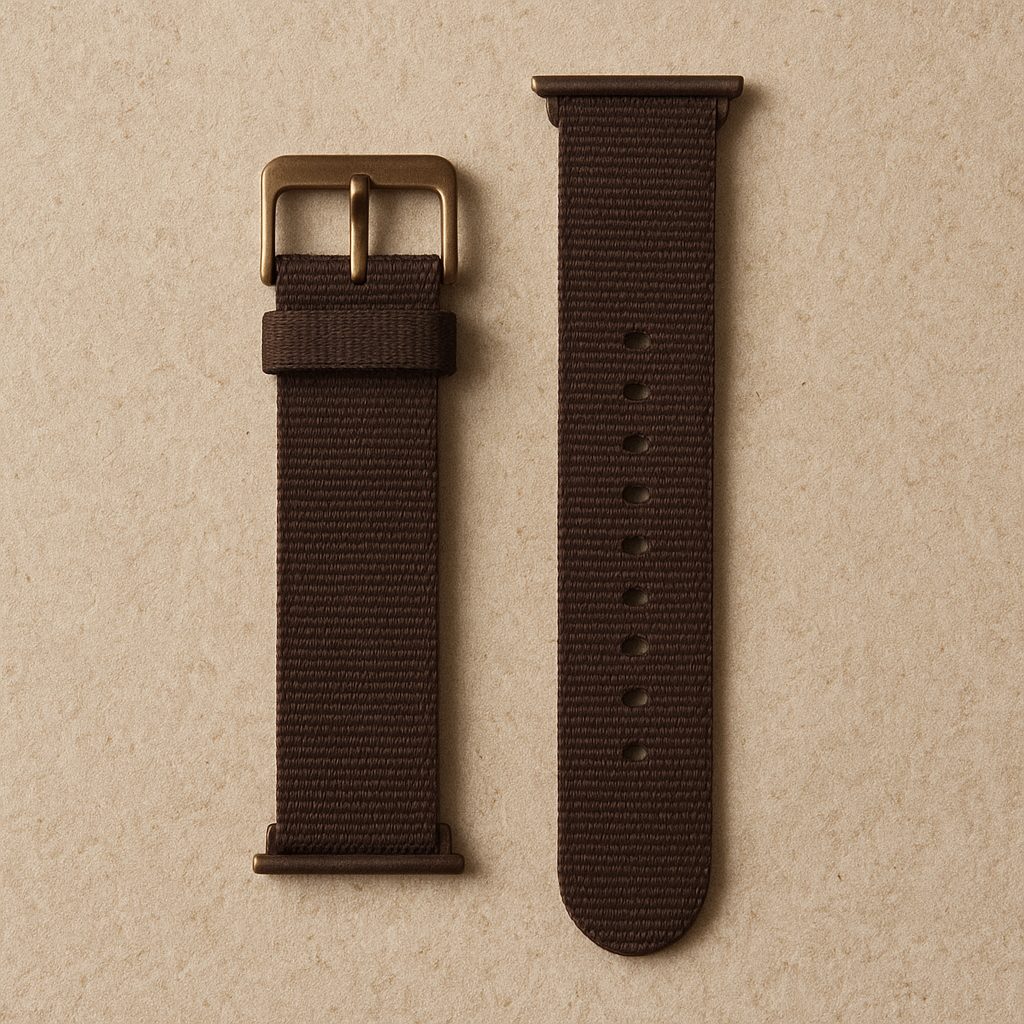
Most fabric watch bands are made from nylon or a nylon blend, and can differ in weave density, thickness, and elasticity. For example, a densely woven, thick nylon strap may leave a more defined impression than a thinner, loosely woven one. Fabric bands usually distribute pressure more evenly, resulting in finer or less noticeable marks. Elasticity in some woven straps also helps reduce the depth of impressions.
Silicone and Rubber Bands: Soft, but Can Trap Moisture
Silicone and similar rubber-like bands are popular for their soft and flexible feel. These bands generally leave mild, shallow impressions that fade quickly. However, silicone can create a seal against skin, trapping sweat and moisture, which may increase redness or irritation for some users, especially in hot conditions or during exercise.
Other Causes of Skin Marks Beyond Pressure
While pressure is the main cause of watch band marks, other factors can make these impressions more noticeable or uncomfortable:
- Moisture: Sweat or water trapped under the band can soften skin, making it more prone to indentation.
- Allergic reactions: Sensitivity to certain metals, dyes, or adhesives used in bands can cause redness or swelling, which may look like or exaggerate normal marks.
- Movement and friction: Bands that shift or slide during activity can rub the skin and cause temporary lines or areas of redness.
- Temperature: Heat can cause wrists to swell, tightening the band and increasing marking, while cold can make skin less pliable and more prone to indentation.
When to Be Concerned About Skin Marks
Temporary indentations or faint marks that fade within minutes to an hour after removing the watch are generally not a cause for concern. These are similar to marks left by socks or snug clothing. However, deeper grooves, persistent redness, swelling, or itching may indicate a fit issue or sensitivity to the band material.
If you notice:
- Indentations lasting several hours or more after removing the band
- Discomfort, pain, or numbness in the wrist
- Rash, blistering, or peeling skin under the band
it’s important to adjust the fit, switch to a different band material, or take breaks from wearing the watch. If symptoms persist or worsen, consult a healthcare professional to rule out underlying issues like allergies or circulation problems.
Adjusting Fit and Usage to Minimize Skin Marks
The simplest way to reduce skin marks is to ensure the watch band is not too tight. A well-fitted band should be secure enough to prevent the watch from sliding excessively, but loose enough to slide a finger between the band and your skin. Watch bands are typically attached to the watch case at the lugs using spring bars or, in some models, quick-release pins. These attachment mechanisms do not affect skin marking directly, but adjusting the length or position of the band (such as moving the clasp or selecting a different hole on a leather strap) can make a noticeable difference.
For those using metal bands, utilizing available micro-adjustments or adding/removing links can help fine-tune the fit. With fabric bands, experimenting with different thicknesses or elasticities may reduce marks. If you are active or prone to sweating, consider materials that wick moisture or dry quickly, such as certain woven nylon straps.
Taking off the watch periodically during the day, especially when at home or sleeping, allows skin to recover and reduces the risk of more pronounced indentations.
Key Takeaway
Watch bands can cause temporary skin marks or indentations, mainly due to pressure, duration of wear, and the specific band material. These marks are usually harmless and fade quickly, but persistent or uncomfortable marks may signal the need to adjust the fit or try a different band. Paying attention to how a band feels during daily wear helps prevent unnecessary pressure and keeps the wrist comfortable throughout the day.