How to choose a watch band that maintains alignment throughout the day
Why Watch Bands Lose Alignment During Daily Wear
It’s common for a watch band to shift slightly, causing the watch face to rotate around your wrist or sit awkwardly. This misalignment can be uncomfortable and can make it harder to check the time quickly. Daily activities like typing, carrying bags, or even small wrist movements can cause gradual slippage. For many people, the challenge is choosing a watch band that can keep the watch head centered and aligned, regardless of movement or activity level.
Key Factors Affecting Watch Band Alignment
The ability of a watch band to maintain alignment depends on several factors, including the material of the band, the type of clasp or closure, the fit and adjustability, and the attachment mechanism connecting the band to the watch case.
Material Choice and Its Impact
Different materials interact with your skin and clothing in unique ways, influencing how well a band stays put. Here’s a comparison of the main materials:
| Material | Grip on Wrist | Potential for Slippage | Comfort Factors |
|---|---|---|---|
| Metal (stainless steel is most common) | Low to Moderate | Higher, especially if loose | Durable, can feel heavy or slide on smooth skin |
| Leather | Moderate | Moderate, especially as it softens | Conforms over time, can stretch |
| Fabric (mostly nylon or blends) | High (depends on weave, thickness) | Low to Moderate | Breathable, can absorb sweat, varying elasticity |
| Silicone | High | Low | Flexible, soft, tends to grip skin well |
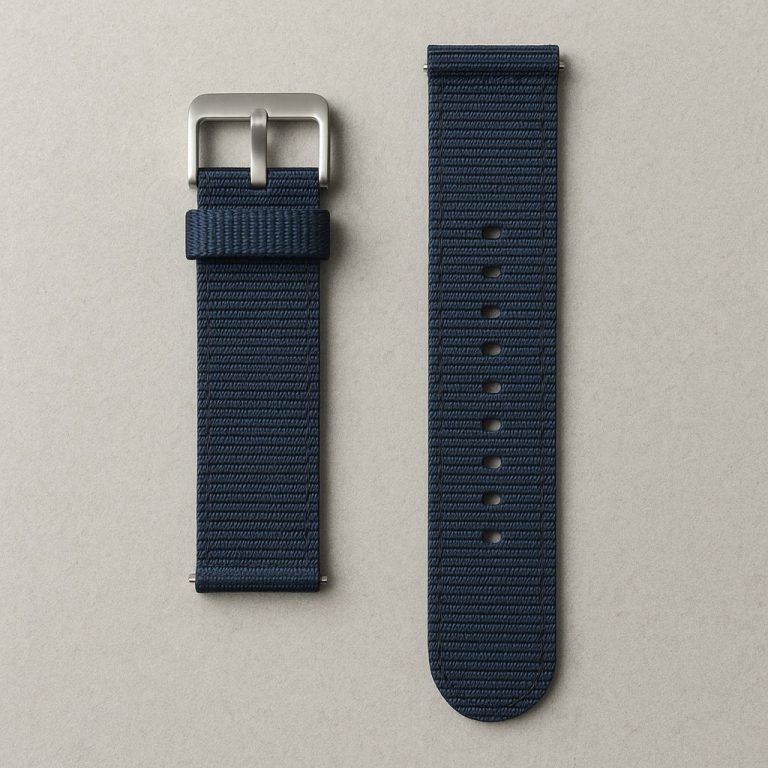
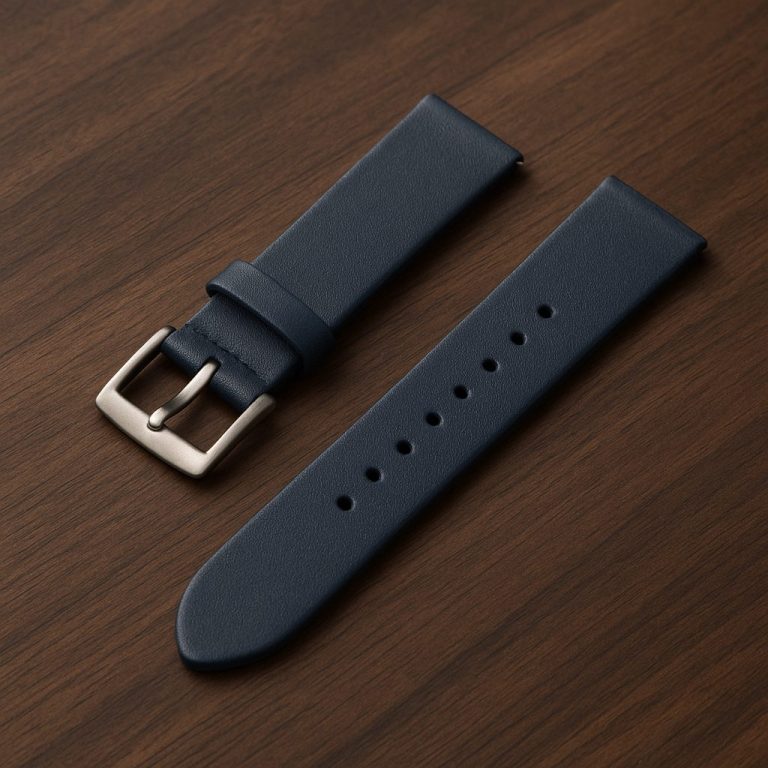
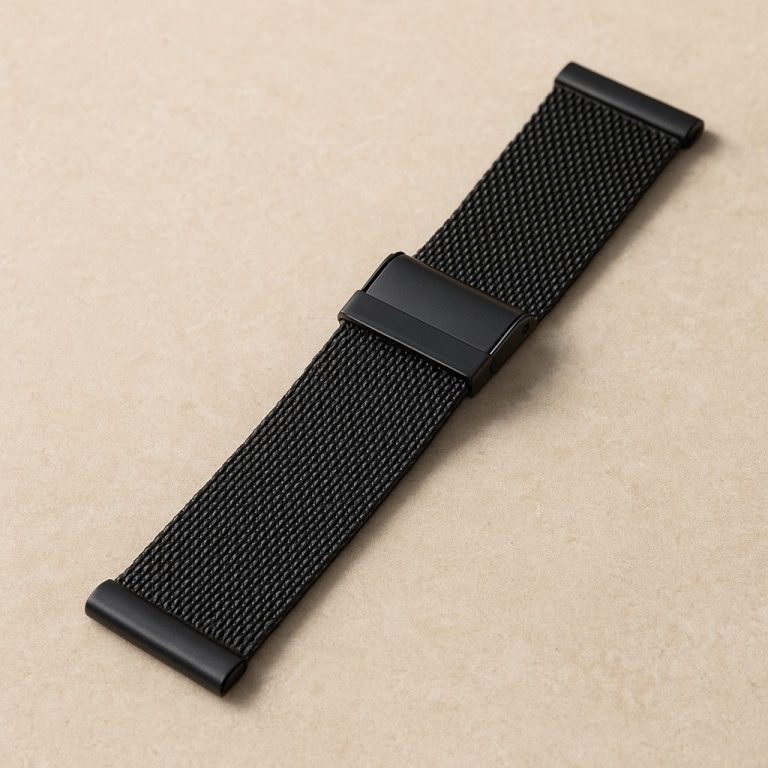
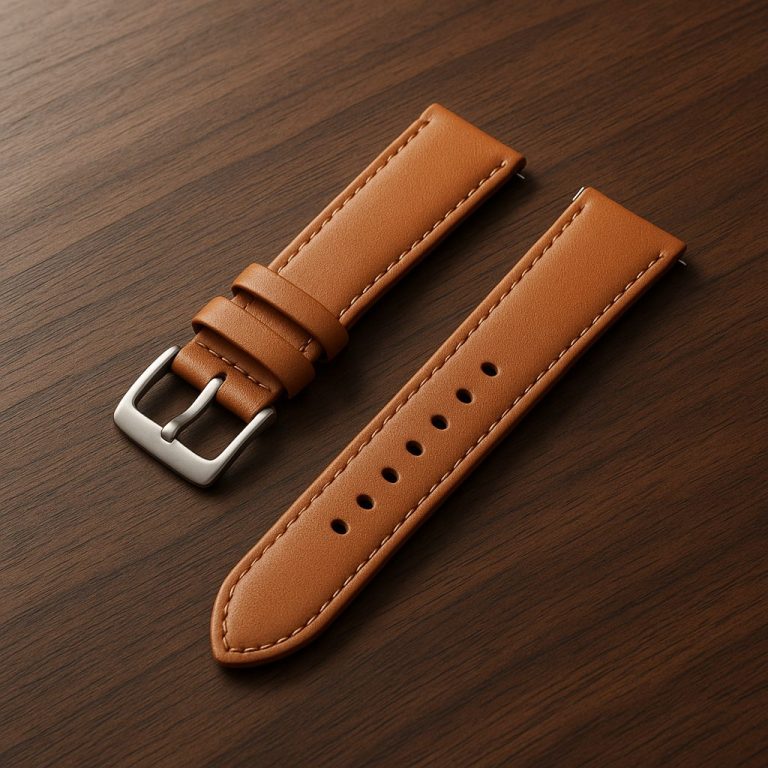
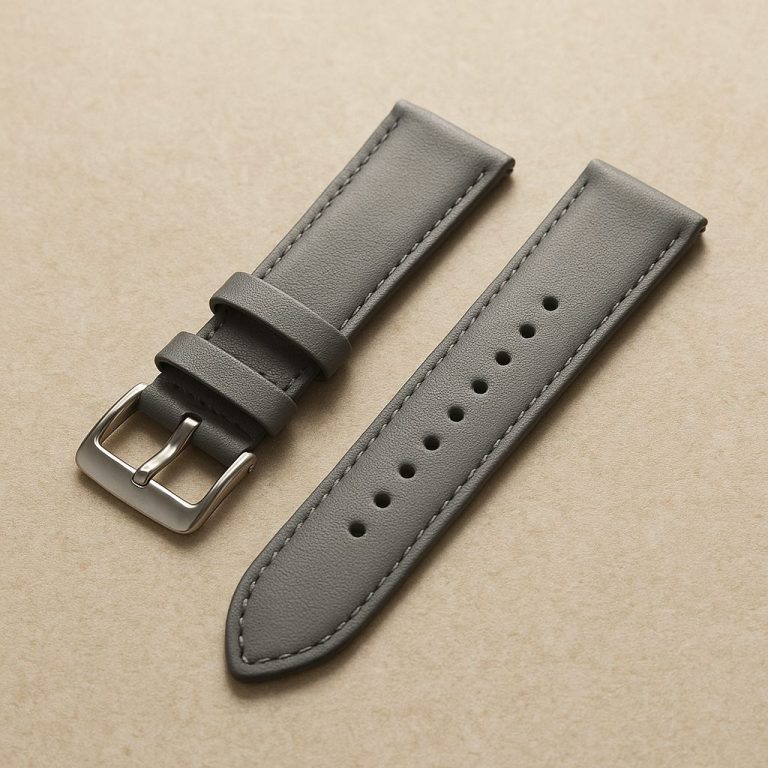
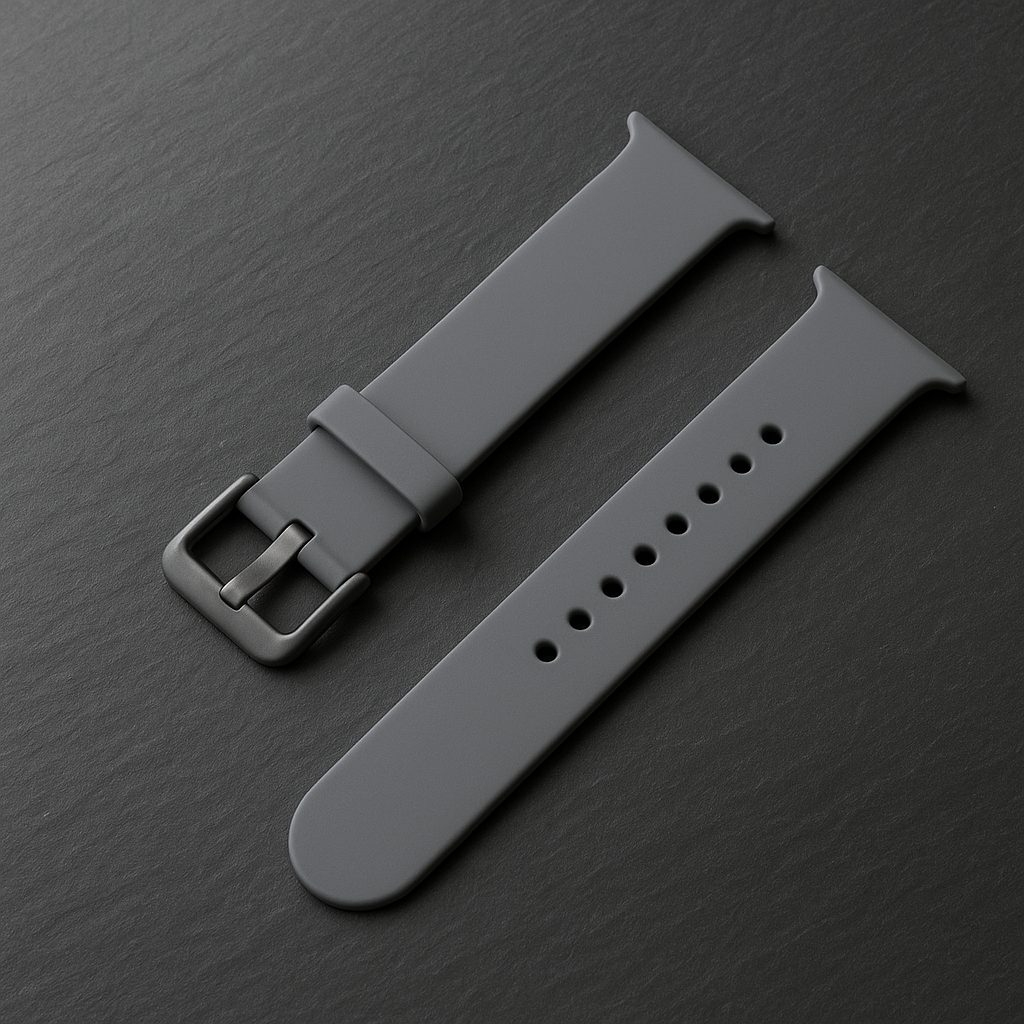
Metal bands, most often made of stainless steel due to its durability and resistance to corrosion, usually have a smooth surface that may slide around the wrist, especially if adjusted loosely. Leather bands generally stay in place better, but as leather breaks in and becomes more flexible, it may stretch and create extra space for movement. Fabric bands, commonly constructed from nylon or a nylon blend, can provide a high level of grip, particularly if the weave is dense and the fit is snug. Some fabric bands are thicker or have a textured surface, which can further reduce slippage. Silicone bands grip the skin very well and are less likely to slide, making them a strong choice for active wear or humid conditions.
The Importance of a Secure Attachment
Even the best-fitting band can shift if the attachment to the watch case isn’t stable. Two main components determine this: the lugs (the small protrusions on the watch case where the band is attached) and the attachment mechanism (such as spring bars or quick-release pins).
- Spring Bars: These small metal rods are a standard attachment method. If they are not properly seated in the lugs, or if the lugs are worn, the band may wiggle or become misaligned.
- Quick-Release Pins: This modern mechanism allows easy removal and installation. When well-made and correctly installed, they offer a secure connection similar to traditional spring bars.
Check that the spring bars or quick-release pins are firmly in place and that the lugs show no signs of damage. Any looseness here can lead to the band shifting and the watch face rotating during wear.
Band Fit and Adjustability
A band that is too loose is the most common cause of alignment issues. When there is extra space between the band and your wrist, the watch head will naturally rotate. On the other hand, a band that is too tight can be uncomfortable and restrict movement.
Finding the Right Fit
The ideal fit is snug against the wrist without pinching or leaving marks. For bands with holes or notches, choose the setting that keeps the watch from sliding more than a centimeter in either direction when your arm moves. Some adjustable fabric bands, such as those with hook-and-loop closures or sliding buckles, allow for fine-tuning that can help maintain alignment throughout the day.
If you use a metal band, ensure the links are adjusted to fit your wrist closely. Most metal bands allow for removing or adding links to customize the fit. With silicone bands, the natural flexibility and grip of the material typically help keep the watch centered, but using the correct adjustment hole is still important.
Closure Type and Stability
The way a watch band fastens can influence how well it maintains its position. Common closure types include:
- Buckle (pin-and-tang): Found on many leather, fabric, and silicone bands. Provides reliable security if sized correctly. If the band is too long or short for the available holes, it may not sit properly and could shift more easily.
- Deployant or Fold-Over Clasp: Common on metal bands. Offers a secure closure but may require precise adjustment of links for a snug fit. If the band is too loose, the weight of the watch head can cause it to rotate.
- Hook-and-Loop (Velcro-style): Popular on some fabric or nylon bands, especially those designed for sports or active use. Allows micro-adjustment and can be set very snug, making it effective at maintaining alignment.
- Button or Snap Clasp: Found on some silicone or lightweight bands. These can be secure if well designed, but if the closure wears out or is not properly engaged, the band can loosen unexpectedly.
Choose a closure type that allows for easy adjustment and holds the band firmly in place. If you find that a traditional buckle band keeps shifting, trying a hook-and-loop style or a band with more adjustment holes can make a noticeable difference.
Wrist Shape, Activity, and Everyday Factors
The shape of your wrist, daily activities, and even skin moisture can affect how a watch band performs. For example, wrists that taper sharply or become narrower near the hand are more likely to experience watch head rotation, especially with smoother materials like metal. If you spend much of your day typing, carrying objects, or moving your wrists repeatedly, these factors can contribute to slippage.
Some people find that a slightly textured fabric band, such as a thick woven nylon, stays put better during active days. Similarly, silicone bands are often chosen for sports or outdoor activities because they grip the skin and resist movement, even when sweating.
Maintaining Band Alignment: Simple Checks
After selecting a band that suits your needs, a few quick habits can help keep your watch properly aligned:
- Check the tightness of your band at the start of each day, as materials like leather and fabric can stretch slightly with wear.
- Inspect the attachment mechanism periodically to ensure the spring bars or quick-release pins remain secure in the lugs.
- If your band develops excessive play or the closure becomes unreliable, consider adjusting, repairing, or replacing the component as needed.
For those who find that their watch still rotates despite a good fit, trying a band with higher grip (such as silicone or a dense, textured nylon) can often resolve the problem.
Choosing a Watch Band for Reliable Alignment
Maintaining alignment throughout the day is a matter of selecting the right combination of material, closure, fit, and attachment security. A well-chosen band, adjusted to fit snugly and checked regularly for wear or looseness, can keep your watch face centered and comfortable no matter how active your day is. Paying attention to these details ensures your watch remains both functional and comfortable—right where you want it, every time you check the time.