Stretch bands vs adjustable bands: which is more reliable over time
How Band Type Influences Longevity in Everyday Use
A watch owner may notice that after a year of regular wear, the original stretch band on their watch has started to lose its tightness, or an adjustable clasp band has developed issues with its closure. Deciding between a stretch band and an adjustable band often comes down to personal preference and style, but reliability over time is a practical factor many overlook. Understanding how each type stands up to repeated wear, daily movements, and the effects of their materials can help prevent frustrating failures and unexpected replacements.
Defining Stretch Bands and Adjustable Bands
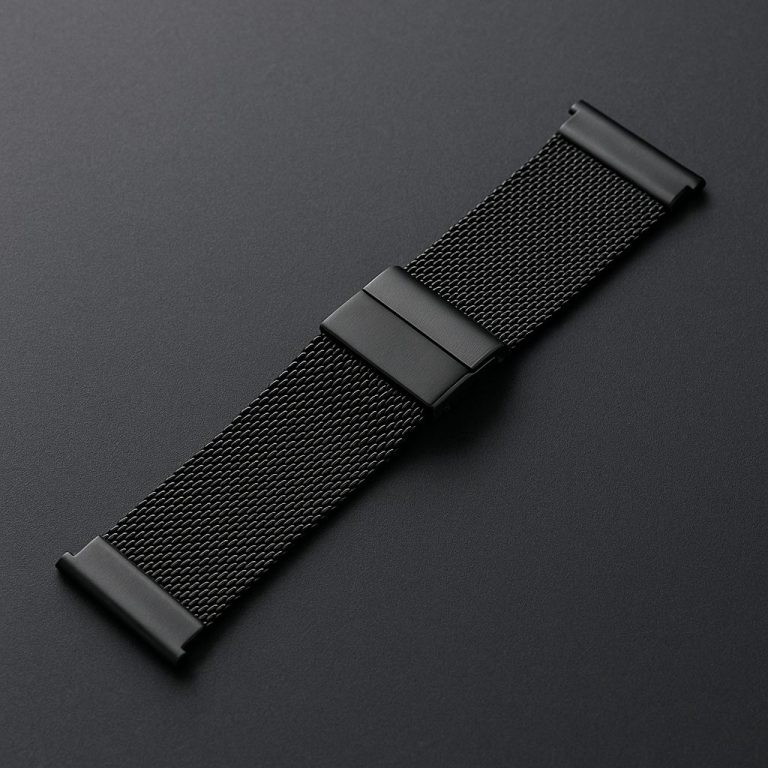
Stretch bands, sometimes called expansion bands, are composed of a series of metal or fabric links with internal springs. These bands expand to fit over the hand and contract snugly around the wrist, eliminating the need for a clasp. Adjustable bands refer to those with a mechanism—such as a folding clasp, hook-and-loop fastener, sliding buckle, or holes and pin system—that allows the wearer to fine-tune the fit by adjusting the length or tightness of the band.
Both types are available in a range of materials, including metal (most commonly stainless steel for its resistance to corrosion and wear), leather, nylon-based fabrics, and silicone. The mechanisms by which each attaches to the watch case—usually via lugs and spring bars or quick-release pins—are generally the same, but the way the band secures around the wrist is what sets the two apart.
Durability and Wear Patterns
Reliability over time is influenced by two main factors: the material of the band and the mechanical stresses placed on its moving parts. Here’s how these elements play out with stretch and adjustable bands:
Stretch Bands
Stretch bands rely on flexible links and internal springs for their elasticity. In metal stretch bands, these springs are prone to weakening with repeated stretching and contracting. Over months or years, springs can lose their tension, causing the band to loosen. The sliding links may also wear against each other, leading to gaps or a rougher feel.
For fabric-based stretch bands, typically woven from nylon or nylon blends, repeated stretching can cause the fibers to lose elasticity or fray, especially if the weave is looser or the band is thin. Denser weaves tend to maintain their shape for longer, but even these will eventually show signs of sagging or pilling.
Silicone stretch bands are less common, but where used, they may resist stretching out for a time; however, silicone can eventually tear at stress points or lose its shape if frequently pulled beyond its intended range.
Adjustable Bands
Adjustable bands use various mechanisms to provide fit. Metal bracelets often feature folding clasps or micro-adjustment systems. Over time, pins or hinges in these clasps can become loose, but the band itself usually retains structural integrity. Stainless steel links may develop play at the joints if not periodically checked, but they are generally robust against breakage and stretching.
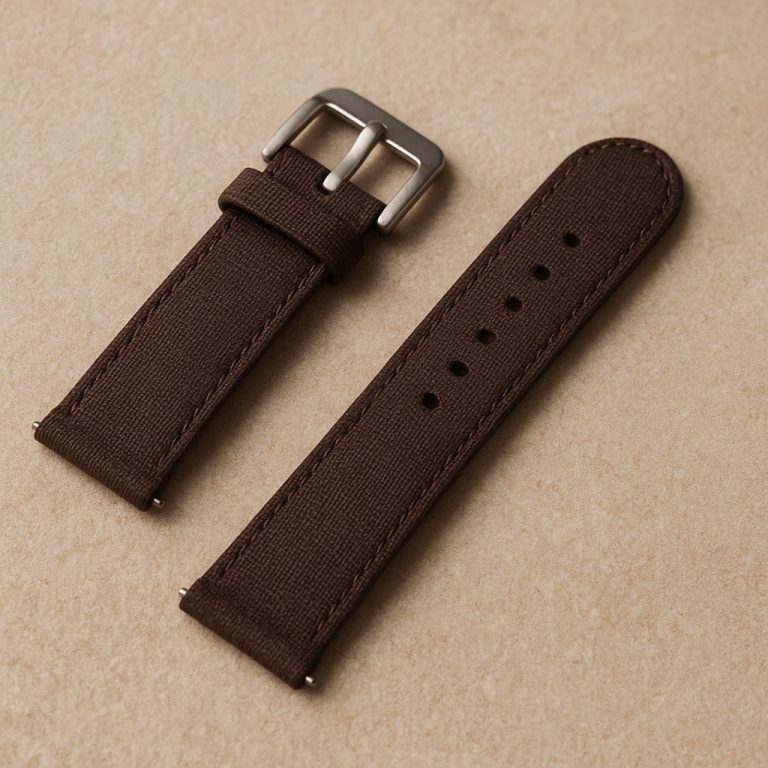
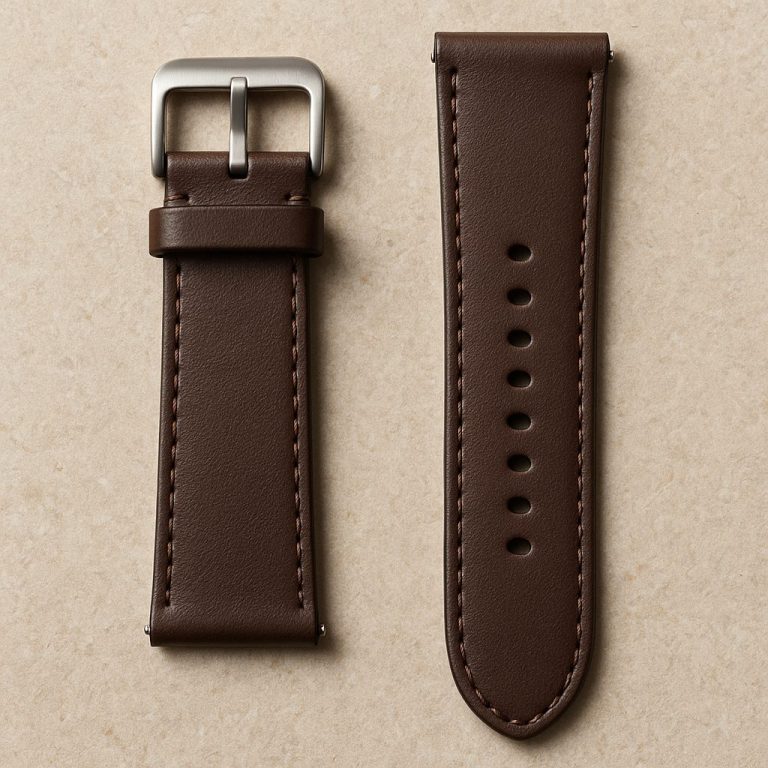
Leather adjustable bands rely on holes and a pin buckle. The most common sign of wear is stretching or cracking around the holes, especially if the same hole is used daily. Leather can also absorb sweat and moisture, accelerating degradation.
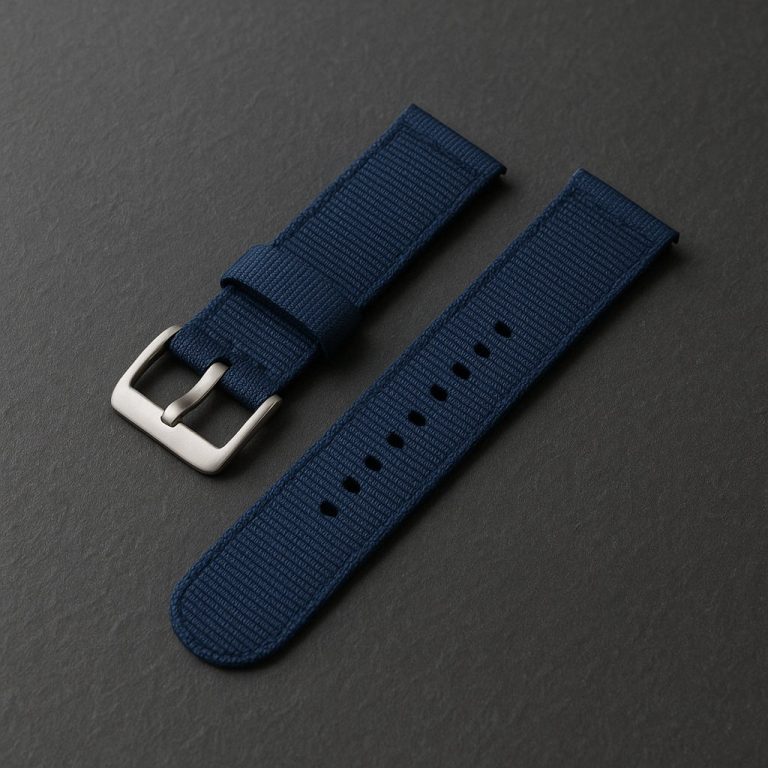
Fabric adjustable bands, often made with durable nylon or blends, use buckles, hook-and-loop closures, or sliding loops. Thicker, tightly woven nylon tends to last longer, while lighter fabrics may fray or develop worn patches at points of adjustment. Hook-and-loop fasteners (commonly called Velcro) can collect debris or lose their grip over time, but these are usually easy to clean or replace.
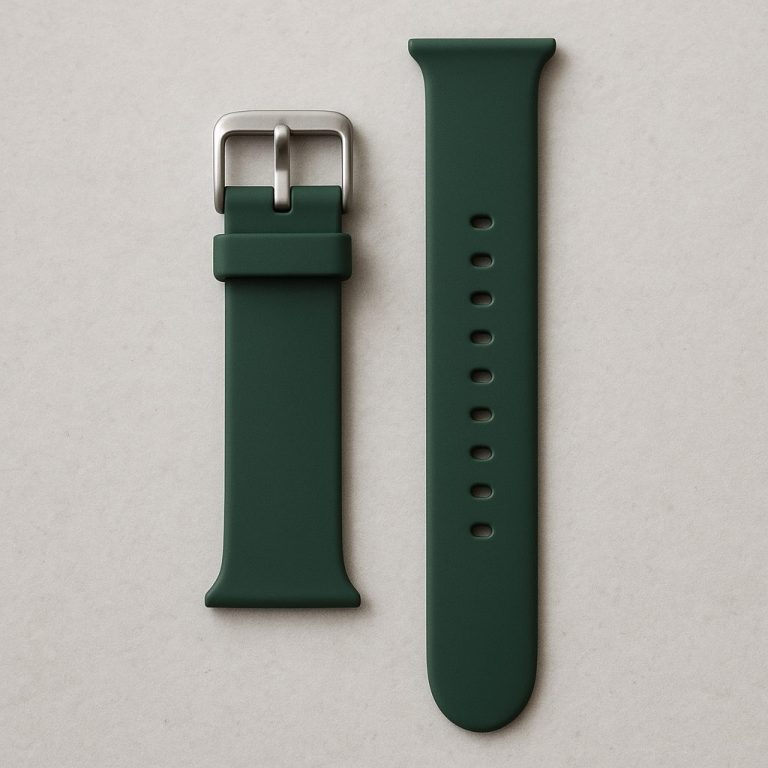
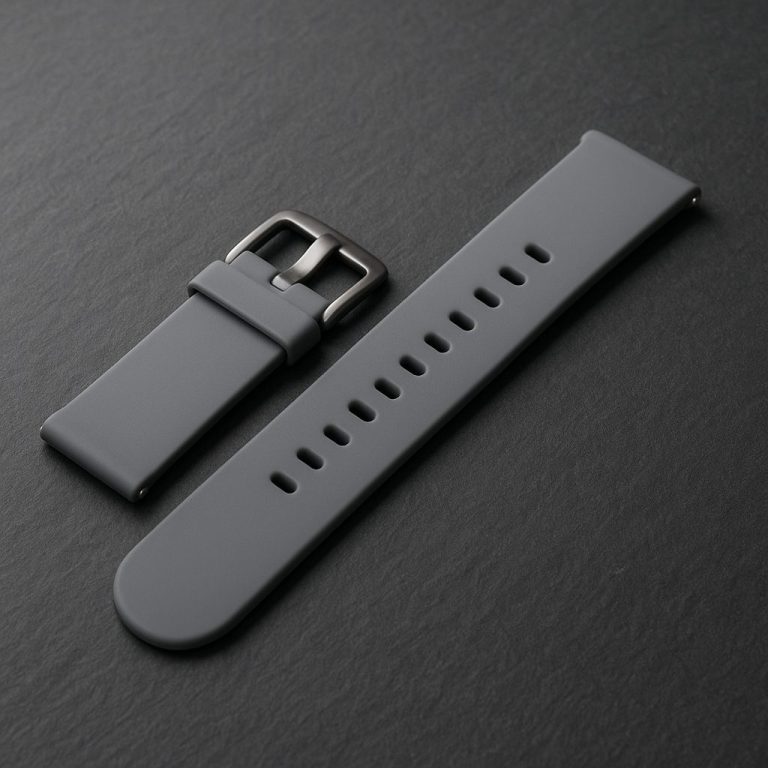
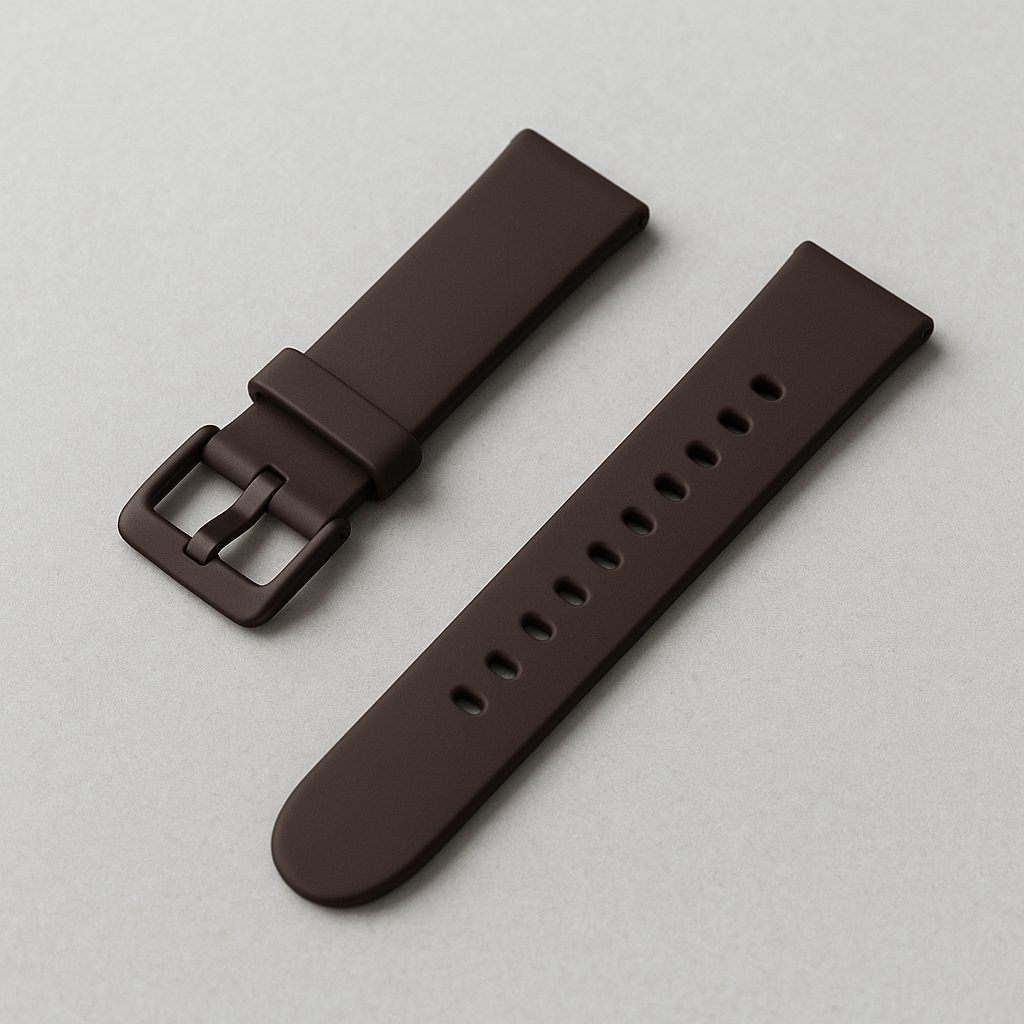
Silicone adjustable bands are typically secured with a pin-and-hole system or a proprietary sliding mechanism. The band material is resistant to water and sweat, but holes may stretch with heavy use, especially if the pin is sharp or rough.
Common Failures and Maintenance Considerations
Both types of bands eventually show signs of wear, but the nature of the failure and the ease of maintenance varies:
- Stretch bands: Springs lose tension, links separate or become rough, fabric loses elasticity, and silicone may tear at stress points.
- Adjustable bands: Clasps or buckles can wear out, holes may stretch or tear, hook-and-loop fasteners can lose grip, and pins may loosen in metal bracelets.
Regular cleaning, avoiding excessive force, and rotating between multiple bands can extend life. For example, a metal stretch band that is regularly cleaned to remove dirt and sweat will resist corrosion and wear better than one left unattended. Similarly, periodically checking the clasp on an adjustable bracelet can catch problems before they lead to accidental loss.
How Material Choice Affects Long-Term Reliability
| Band Type | Common Materials | Typical Longevity Issues |
|---|---|---|
| Stretch Band | Stainless steel, nylon (varied weave), silicone | Spring fatigue, link wear, loss of elasticity, tearing |
| Adjustable Band | Stainless steel, leather, nylon (varied weave), silicone | Clasp/buckle failure, hole stretching, fraying, pin loosening |
The table highlights that both types have vulnerabilities, but the specific failure modes are different. Metal stretch bands, for example, are most likely to fail at the springs, while metal adjustable bands are more likely to develop issues with the clasp or hinge. Fabric bands, regardless of type, are prone to fraying or loss of elasticity at stress points, especially if the weave is loose or the fabric is thin.
Real-World Example: Office and Active Use
A person working in an office and wearing a watch daily might find that a metal stretch band gradually loosens after a year of frequent removal and reapplication, making the watch feel insecure. Switching to an adjustable metal bracelet, they notice that while the clasp occasionally needs tightening, the fit remains more consistent over time. In contrast, someone who frequently exercises while wearing a silicone adjustable band may find that sweat does not affect the material, but the pin holes begin to stretch slightly after months of daily adjustment. Choosing a thicker silicone band or periodically adjusting which hole is used can help delay this wear.
Choosing for Reliability: Stretch vs Adjustable Bands Over Time
When reliability over time is the primary concern, adjustable bands typically outperform stretch bands, especially in metal and silicone varieties. Adjustable mechanisms allow for minor maintenance—such as tightening a clasp or replacing a pin—while stretch bands often require full replacement when internal springs fail or fabric loses its elasticity. Fabric bands, whether stretch or adjustable, benefit from denser weaves and thicker materials for longevity. The choice between the two types should consider not just initial comfort or convenience, but how each design stands up to years of daily wear and the specific failure points associated with their materials and construction.